

Calypso music, originating from Trinidad and Tobago, is more than just a musical genre; it is a profound and dynamic cultural expression that has evolved over the decades. It reflects the struggles, joys, and traditions of the Trinidadian people, embodying this island nation’s national identity and cultural heritage. This article explores its history, its characteristics, the social impact it has had on Trinidad and Tobago society, and the modern artists who continue this tradition.
The Origins of Calypso Music
Calypso finds its roots in African musical traditions, particularly those of enslaved people brought to Trinidad in the sugar plantations in the 18th century. These enslaved individuals used this music as a means of communication and expression, often integrating elements of singing, percussion, and dance. They were also influenced by the musical traditions of European colonizers, leading to a unique fusion of styles.
One of the earliest forms of it was known as “canboulay,” an annual celebration commemorating the end of slavery. These songs were often accompanied by drums and percussion, addressing themes of resistance and survival. The songs evolved to include elements of social and political satire, thus becoming a form of engaged art.
The Golden Age of Calypso Music
Calypso experienced a significant surge in popularity during the 1930s and 1940s, a period often referred to as its “golden age.” Iconic artists such as Lord Kitchener, Mighty Sparrow, and Calypso Rose emerged, bringing international recognition to this musical genre. It became a means to comment on society, politics, and contemporary events, allowing artists to express themselves freely on issues affecting the people.
The Trinidad Carnival, held annually before Lent, also played a crucial role in the popularity of it. Some competitions, such as the “Calypso Monarch,” attract thousands of spectators and showcase the talents of local artists. The Carnival has become an essential platform for celebrating the creativity and diversity of Trinidadian culture.
Characteristics of Calypso Music
Calypso is characterized by catchy melodies, engaging rhythms, and often witty lyrics. Themes addressed in the songs can vary, ranging from love and personal relationships to social and political commentary. Calypsonians, often use irony and satire to convey powerful messages.
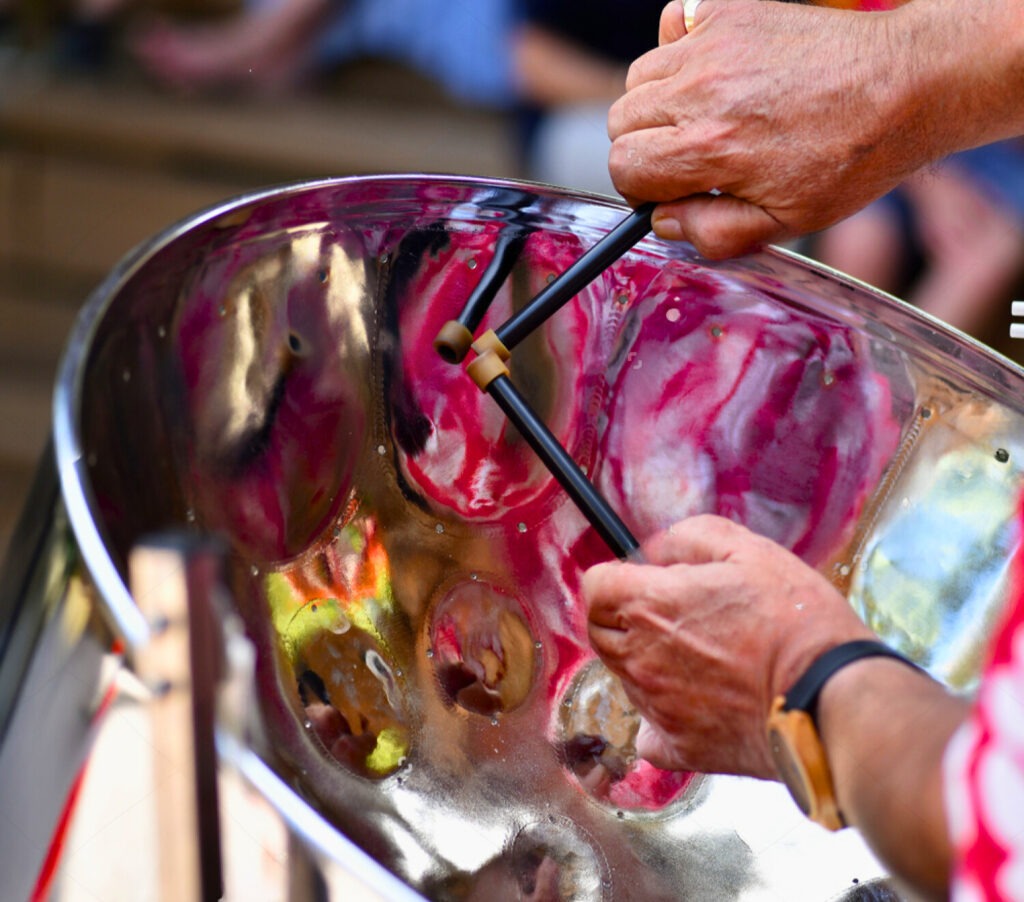
The use of instruments such as drums, piano, guitar, and saxophone is common. Musical arrangements are often rich and varied, allowing for great creativity in musical expression. Calypsonians also incorporate elements of soca, another popular musical genre in Trinidad, which is more dance-oriented.
The Social Impact of Calypso Music
Calypso has had a significant social impact in Trinidad and Tobago. As a form of engaged art, it has served as a voice for the oppressed and allowed artists to speak on social injustices, inequalities, and political struggles. The lyrics often address sensitive topics such as poverty, corruption, and discrimination, providing a platform for social critique.
Additionally, it plays a unifying role in Trinidadian society. It transcends ethnic and social barriers, bringing people from different backgrounds together around a shared passion for music. It performances at community events, festivals, and celebrations contribute to strengthening the social fabric of the nation.
Modern Calypso Artists
Its deeply rooted in the history of Trinidad and Tobago, continues to evolve and adapt to new generations of artists. These artists incorporate contemporary musical genres while preserving their traditional elements. Here are some modern artists who utilize it in their music:
- Calypso Rose: Born in 1940, Calypso Rose is an iconic figure, often regarded as the “Queen of Calypso.” Although she began her career in the 1960s, her influence persists in the modern generation. She has blended it with contemporary influences, and her album “Far From Home” (2016) was internationally acclaimed.
- Machel Montano: Machel Montano is one of the most famous artists in the Caribbean music scene, known for his energetic and innovative style. Although primarily associated with soca, he often incorporates it into his music. His dynamic performances during Carnival and collaborations with other artists make him a central figure in modern music in Trinidad and Tobago.
- David Rudder: David Rudder is another legendary artist who has successfully modernized Calypso. With his powerful voice and charismatic performances, he has captivated generations of fans. His songs, such as “Rally Round the West Indies,” have had a significant impact, especially in the context of sports and national unity.
- Kees Dieffenthaller: Kees Dieffenthaller, the lead singer of the soca band “Kes the Band,” is also known for incorporating it into his music. With his refreshing style and catchy melodies, he attracts a wide audience. His songs, often centered on love and celebration, are popular at festivals and parties, contributing to the revitalization of it among younger generations.
- Olatunji Yearwood: Olatunji Yearwood is an emerging artist who fuses Calypso with modern influences, including reggae and pop. His music, often characterized by catchy rhythms and engaging lyrics, attracts a young audience. Olatunji uses digital platforms to reach an international audience, helping to spread it in the modern world.
- Nailah Blackman: Nailah Blackman, the granddaughter of legendary Calypso singer “Blackman,” is an up-and-coming artist who blends it with modern influences such as soca and reggae. She is known for her energetic performances and lyrics that celebrate love and Caribbean culture. Nailah embodies the new generation of artists who embrace Calypso while modernizing it.
Preservation and Evolution of Calypso Music
In contemporary times, Calypso continues to evolve while preserving its traditions. New artists are emerging, bringing modern influences and varied styles to this musical genre. Collaborations with other genres, such as reggae and hip-hop, testify to its flexibility and its ability to adapt to cultural changes.
Efforts to preserve this music are also underway. Festivals and competitions are organized to celebrate the musical heritage, and educational initiatives aim to pass this tradition on to younger generations. It recordings and archives are also being progressively digitized, ensuring that this cultural treasure remains accessible for the future.
In conclusion, Calypso music in Trinidad and Tobago is much more than mere entertainment; it is a vector of cultural identity, resistance, and social engagement. Through its rich history and continuous evolution, it continues to influence Trinidadian society and plays a vital role in preserving its cultural heritage.



2 Responses