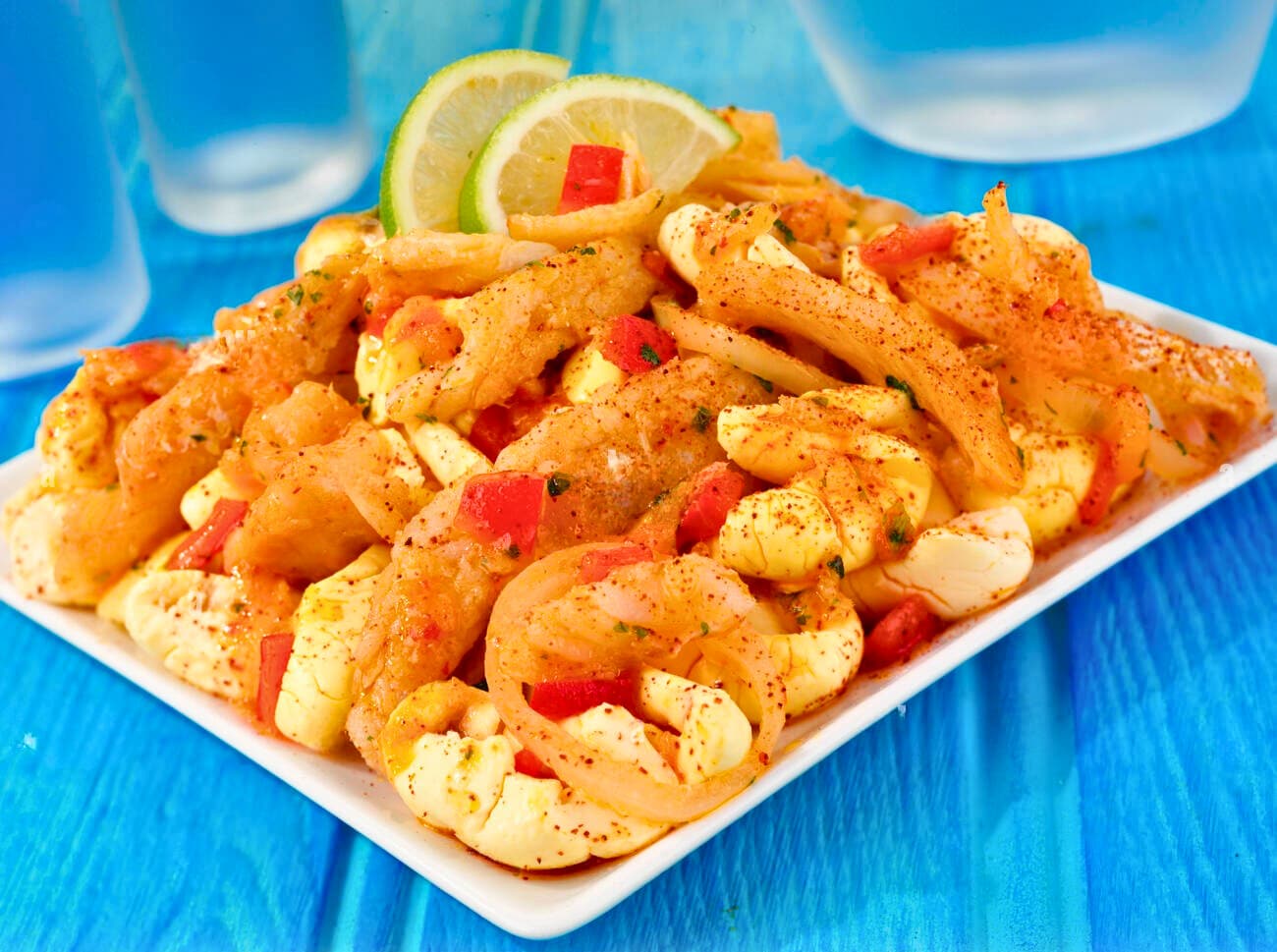
Ackee and saltfish is more than just a dish – it’s the beating heart of Jamaican cuisine. This iconic dish embodies the island’s history and culture, blending ingredients of diverse origins to create a symphony of unique flavors.
What is Ackee and Saltfish?
Ackee and saltfish combines two main ingredients:
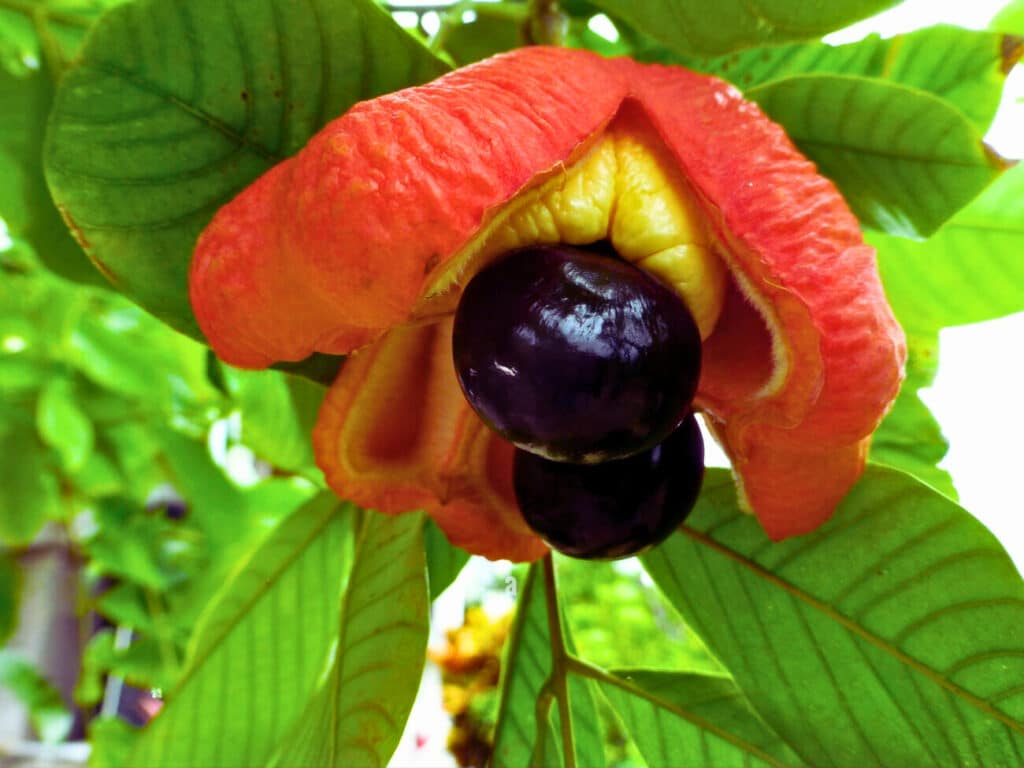
- Ackee: a tropical fruit native to West Africa, introduced to Jamaica in the 18th century.
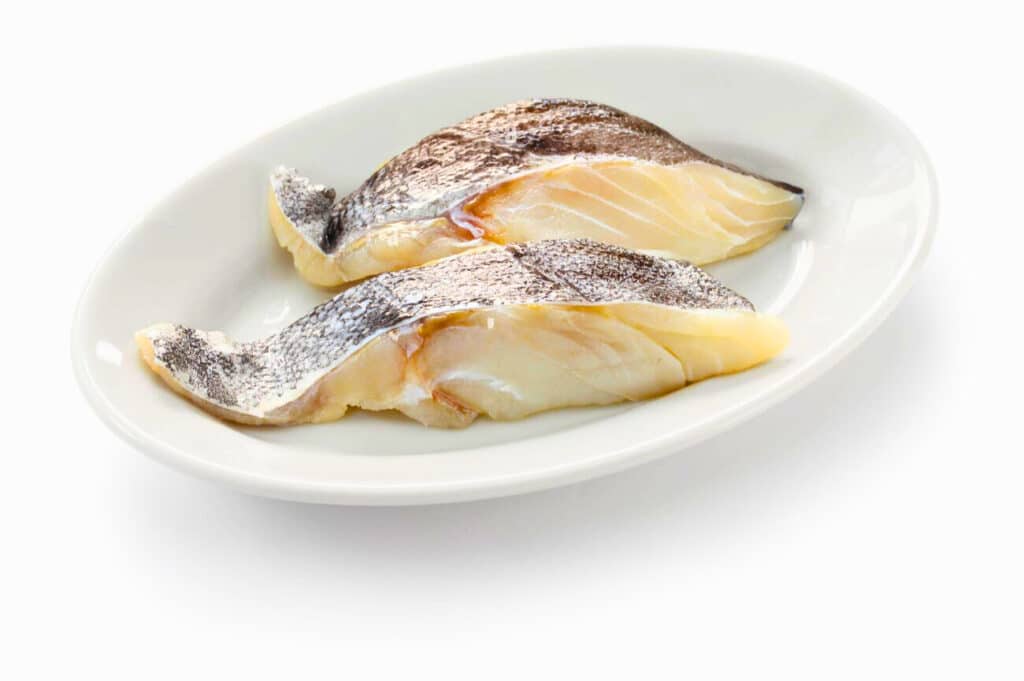
. Its creamy texture and subtle taste make it the star ingredient of the dish. - Saltfish: salted and dried cod, originally imported from the coasts of North America. Its salty taste contrasts perfectly with the sweetness of ackee.
These two elements are simmered with onions, tomatoes, chillies and spices to create a tasty, comforting dish.
Fascinating history of Ackee and Saltfish
This emblematic dish tells the complex story of Jamaica. Ackee arrived on the island with African slaves, while saltfish was a cheap source of protein provided by European colonizers. Over time, these ingredients fused to create a dish that symbolizes the resilience and creativity of the Jamaican people in the face of adversity.
Today, ackee and saltfish is much more than a simple breakfast. It’s a symbol of national pride, enjoyed around the clock and celebrated the world over as an ambassador of Jamaican cuisine.
How to prepare authentic Ackee and Saltfish
Here is a traditional recipe for 4 people:
Ingredients:
- 1 can ackee (about 540g), drained and rinsed
- 250g salt cod
- 1 medium onion, thinly sliced
- 2 garlic cloves, chopped
- 1 bell bell pepper, diced
- 2 tomatoes, diced
- 1 scotch bonnet pepper (optional), finely chopped
- 2 tablespoons vegetable oil
- Fresh thyme
- Black pepper
Instructions :
- Desalting cod: Soak the fish in cold water for at least 8 hours, changing the water several times.
- To prepare the saltfish: Drain the fish and boil for 15 minutes. Flake and remove the bones.
- Heat the oil in a large frying pan over medium heat. Add the onion, garlic, bell pepper and scotch bonnet pepper. Sauté until vegetables are tender.
- Add the crumbled saltfish and tomatoes. Simmer for 5 minutes.
- Gently stir in the ackee, taking care not to break it up too much. Add the thyme and black pepper.
- Simmer over low heat for 5 to 10 minutes, until all ingredients are heated through and flavors have blended.
- Serve hot, with fried plantains, hard bread or dumplings.
Regional variations in the Caribbean
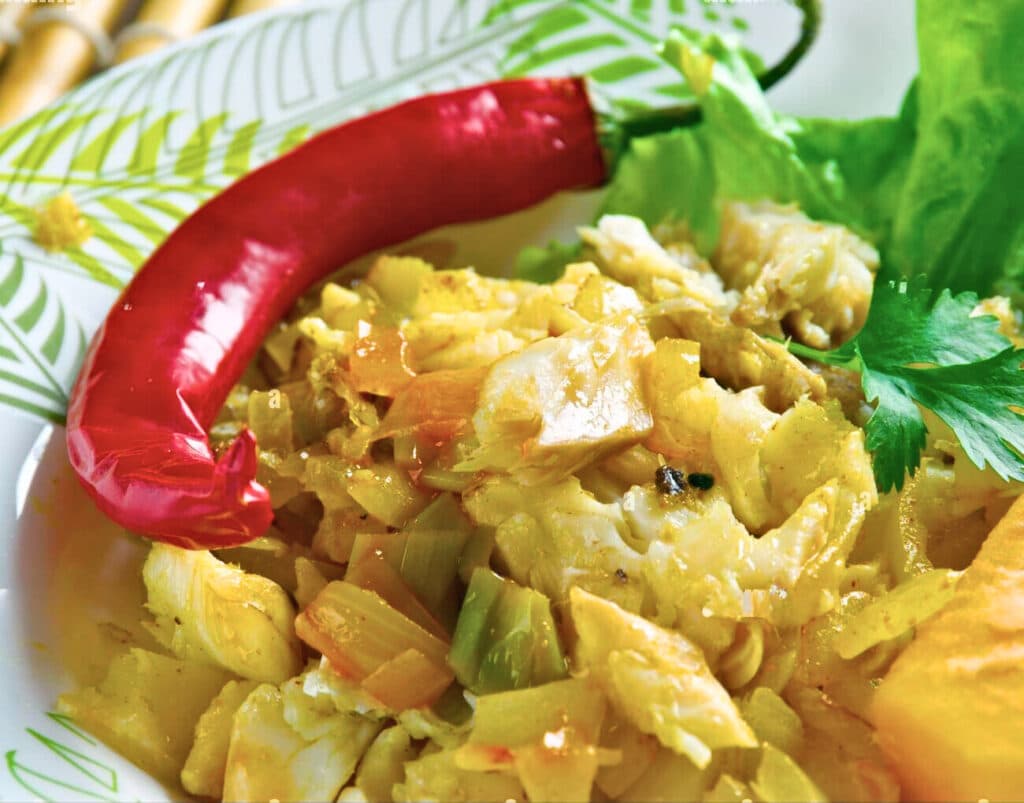
Although ackee and saltfish are emblematic of Jamaica, similar dishes can be found on other Caribbean islands:
- In Martinique and Guadeloupe (French-speaking islands), they prepare “feroce d’avocat”, a mixture of salted cod, avocado and manioc.
- In Trinidad and Tobago (English-speaking islands), “buljol” is a salt cod salad with tomatoes and peppers.
- In Cuba (a Spanish-speaking island), “bacalao a la vizcaína” is a cod stew with potatoes and olives.
These variations show how each island has adapted local ingredients to create unique dishes, while sharing a common culinary heritage.
The cultural importance of Ackee and Saltfish
Ackee and saltfish is much more than just a dish in Jamaica. It’s a symbol of national identity and cultural pride. Here’s why:
- Historical heritage: The dish recounts the island’s complex history, blending African, European and Caribbean influences.
- Family gathering: Traditionally served at Sunday breakfast, it’s synonymous with family time.
- Local economy: Ackee cultivation and saltfish preparation are important sources of income for many Jamaicans.
- International recognition: Ackee and saltfish have become ambassadors for Jamaican cuisine around the world, attracting tourists and promoting the island’s culture.
Tips for enjoying Ackee and Saltfish
For an authentic experience:
- Traditional accompaniments: Serve with fried plantains, Jamaican hard bread or dumplings for the full experience.
- Drink: Enjoy a lemongrass tea or Jamaican Blue Mountain coffee for a typical breakfast.
- Texture: Ackee should remain slightly firm. Avoid overcooking to preserve its delicate texture.
- Spices: Feel free to adjust the spice level to suit your preferences. Scotch bonnet is traditional but optional.
Ackee and saltfish is much more than just a national dish. It’s a gustatory journey through Jamaican history and culture, a celebration of culinary creativity born of necessity. Whether you enjoy it on the beaches of Montego Bay or in your own kitchen, every bite is an invitation to discover the richness of Caribbean cuisine.