Harmonik and Rotimi: Afro-Konpa hits the charts with “Magical Ride

Harmonik

Harmonik, the Haitian band, strikes hard with their new album “Idantite’n”, and more particularly with the track “Magical Ride”, an explosive afro-konpa collaboration with Nigerian artist Rotimi. This track is much more than just a song: it’s a bold musical bridge between cultures, a celebration of love and an invitation to dance.

A daring musical marriage

“Magical Ride” is a successful fusion of Haitian Konpa rhythms and Nigerian Afrobeat influences. Rotimi’s smooth voice blends perfectly with Harmonik’s driving melodies, creating a sensual yet festive atmosphere. The lyrics, sung in Creole, English and Yoruba, celebrate passionate love and the desire to escape.

The "Idantite'n" album: A journey to the heart of Haitian identity

“Idantite’n” (which means “Our Identity” in Creole) is a rich and varied album that explores the many facets of Haitian identity. Through traditional Konpa sounds and modern arrangements, Harmonik pays tribute to its roots while looking to the future. The album touches on themes such as love, pride, resilience and hope.

Harmonik: Pioneers of a new-generation Konpa

Since its formation in 2005, Harmonik has established itself as one of the leading groups on the Haitian Konpa scene. Their unique style, which blends catchy melodies, danceable rhythms and poetic lyrics, has won over a wide audience around the world. Harmonik is known for its energetic stage performances and commitment to promoting Haitian culture. The group has won numerous awards and distinctions, and has performed at major concert halls and festivals.

Rotimi: A multi-talented artist

Rotimi is a Nigerian-American actor, singer and songwriter. He is best known for his role in the TV series “Power”. As a musician, Rotimi has released several successful albums and singles, mixing R&B, Afrobeat and hip-hop. He has collaborated with such music greats as TI and 50 Cent.

Harmonik
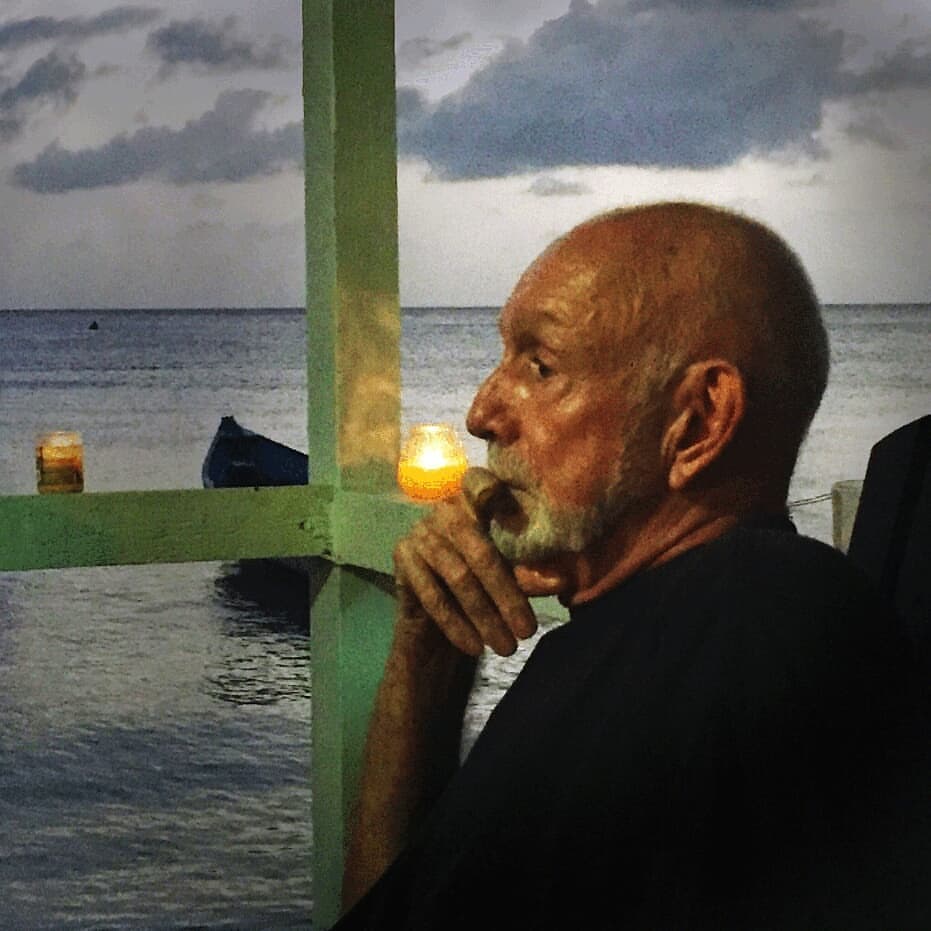
Rotimi. Source: Rotimi

The impact of "Magical Ride" on the Caribbean music scene

“Magical Ride” is a true phenomenon, rapidly climbing the charts and playlists worldwide. The song received critical acclaim for its originality, musical quality and positive message. It has also helped bring Konpa to a wider audience, and strengthened ties between the Caribbean and African communities.

Why is "Magical Ride" a must-have?

  • A successful fusion of genres: the blend of Konpa and Afrobeat creates a unique, catchy sound.

  • Talented artists: Harmonik and Rotimi are at the top of their game.

  • A positive message: The song celebrates love, diversity and unity.

  • An invitation to dance: It’s impossible to resist the urge to move to “Magical Ride”.

Where to listen to "Magical Ride" and the "Idantite'n" album?

“Magical Ride” and the album “Idantite’n” are available on all music streaming platforms, such as Spotify, Apple Music, Deezer and YouTube. You can also buy the album in physical or digital format on online retailers.

Harmonik
Harmonik. Source:

The future of Afro-Caribbean collaboration


The success of “Magical Ride” opens up new prospects for musical collaboration between African and Caribbean artists. It testifies to the richness and diversity of these cultures, and their ability to create innovative and inspiring works. We can expect to see more and more projects of this kind in the years to come.

“Magical Ride”, the new song of Harmonik and Rotimi is much more than just a song: it’s a symbol of openness, creativity and cultural pride. Harmonik and Rotimi have succeeded in creating a hymn to love and diversity that resonates far beyond the borders of Haiti and Nigeria. This track is a breath of fresh air in today’s musical landscape, and a source of inspiration for artists the world over. Let yourself be carried away by the magic of “Magical Ride” and discover Harmonik’s spellbinding universe.

Leave a Reply

Your email address will not be published. Required fields are marked *

More articles from RK

Crowd celebrating Republic Day in Port of Spain, Trinidad and Tobago
HISTORY & HERITAGE
Tolotra

Trinidad and Tobago is celebrating the 50th anniversary of its Republic on September 24

On September 24, Trinidad and Tobago celebrates its 50th anniversary as a republic. In 1976, fourteen years after gaining independence, the country replaced the British crown with a fully national presidency. Fifty years later, this day tells the story of a nation that has chosen to govern itself and that continues to grapple with what that autonomy truly means. On September 24, 1976, inside the Parliament building in Port of Spain, Sir Ellis Clarke took the oath of office. He no longer swore allegiance to a distant monarch, but to Trinidad and Tobago itself. He was no stranger to the public eye. A native of Port of Spain, he had won a scholarship to study mathematics at Saint Mary’s College before studying law in London and being called to the bar at Gray’s Inn.  Returning to the country in 1941, he rose through the ranks of the colonial administration, eventually

Read More »
Peter Minshall, Trinidad and Tobago carnival costume designer, in portrait
THEATER & PERFORMANCE
Tolotra

Peter Minshall, the man who invented the Olympic Tube Man

On July 16, 1941, Peter Minshall was born in Georgetown, British Guyana, and grew up in Port of Spain, Trinidad and Tobago, where he became the greatest carnival costume designer of his time. In 1996, for the Atlanta Olympics, he collaborated with Israeli artist Doron Gazit to create an inflatable figure that sways in the wind—a design now visible in front of thousands of gas stations around the world, though almost no one knows it originated on the streets of Trinidad’s carnival. This Thursday, September 24, 2026—the day Trinidad and Tobago celebrates Republic Day—we profile an artist who has taken the “mas” far beyond his island. Peter Minshall, the boy who brings a fabric hummingbird to life in Port of Spain yIn 1974, in Port of Spain, Peter Minshall made a hummingbird costume for his adoptive sister, Sherry-Ann Guy, to be worn at the Trinidad and Tobago Carnival. Twelve people

Read More »
Caribbean Cinema
FILM & VIDEO
Tolotra

Stories of Caribbean Cinema, Maroon Culture, Transmission, and the Imagination. Texts by Guillaume Robillard. Ciclic, 2026

The history of Caribbean cinema continues its journey through the 1980s. After three episodes devoted to the early developments of several cinematic movements in the region, this fourth installment brings together two films from Martinique and one from Curaçao. From the “marronnage” in *Le Sang du flamboyant* to the international trajectory of *Rue Cases-Nègres*, and on to the unique worldof *Almacita di Desolato*, these three works explore different relationships to memory, oral tradition, Africa, and Caribbean imaginaries. This article is the fourth installment in a series of ten. The first three are already available on Richès Karayib, and six more will continue this story through the 2020s. 1981: MARTINIQUE — *The Blood of the Flamingo*, by François Migeat This film is unique in Caribbean cinema. Indeed, its director is a “Metropolitan” (that is, a white man from mainland France who had no deep-rooted ties to the French West Indies) who

Read More »

conTACT RK

we'd love to have your feedback on your experience so far

Join The List

Join our Richès Karayib community!  Sign up for our newsletter.

Want To Maximize Your Business Presence On Riches Karayib?

Complete the form to start the application