Jamaica – Montego Bay, capital of flavors: the MoBay Jerk and Food Festival 2025, between memory and innovation

MoBay Jerk and Food Festival

Every August 1 in Montego Bay, a scent of coals and spices envelops the city, attracting thousands of curious onlookers. The MoBay Jerk and Food Festival 2025 promises to be one of the biggest gastronomic celebrations in the Caribbean, combining cuisine, culture and intergenerational transmission. This new edition stands out both as a leading culinary event and as a powerful development lever for Jamaica.

Immerse yourself in Jamaica's culinary soul

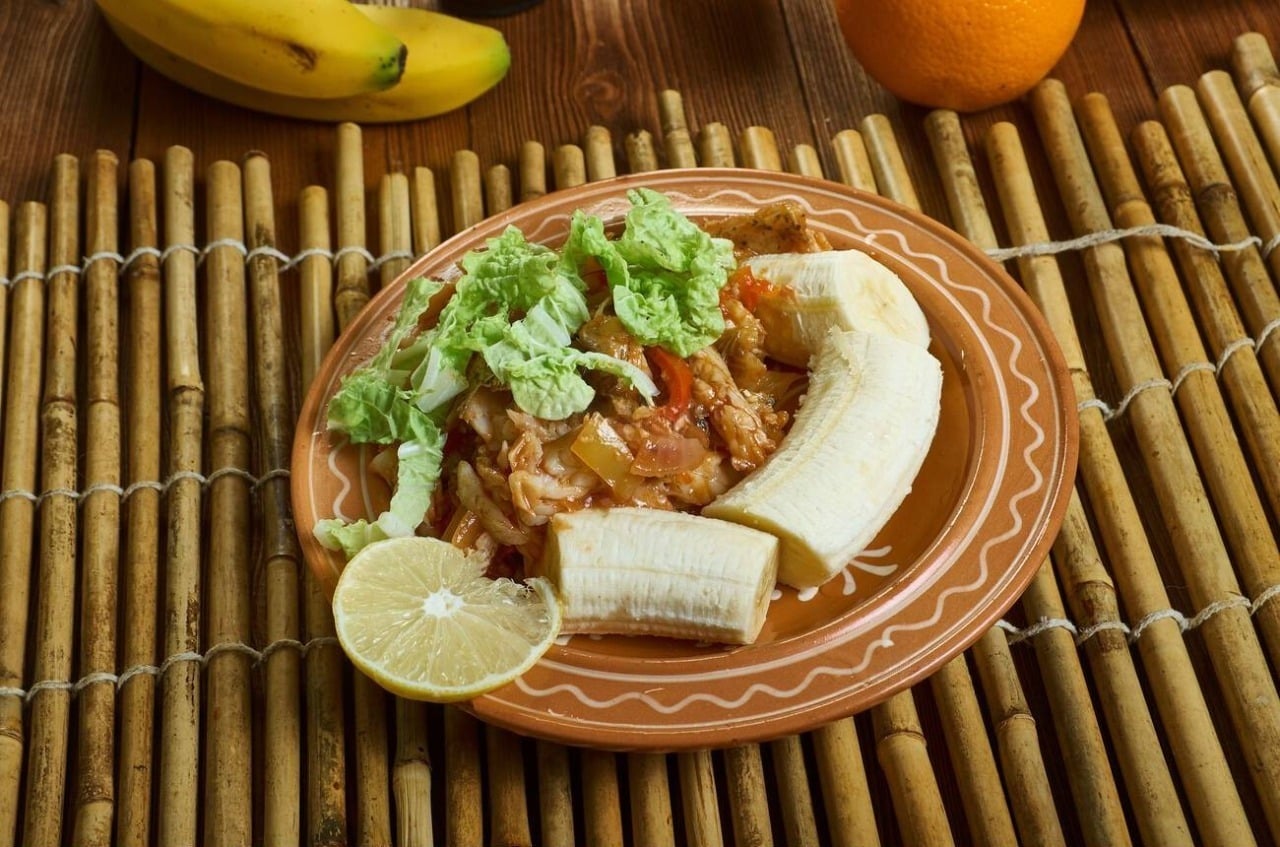
From the very first hours at Catherine Hall Entertainment Centre, visitors are immersed in a world of intense flavors and living traditions. The MoBay Jerk and Food Festival 2025 is much more than just a gastronomic event. It offers a complete sensory immersion in the world of jerk, a true pillar of Jamaican identity. Smoky aromas, lively music, local crafts and emblematic dishes create a vivid picture of national culture.

MoBay Jerk and Food Festival
John Lindo, organiser and director for the Mobay Jerk and Food Festival

Jerking: a tradition of resistance and excellence

Jerk cuisine, featured throughout the festival, has its roots in the history of the Maroons and indigenous peoples. Wood-fired cooking techniques, expressive spice combinations and orally transmitted know-how combine to form a cuisine that is both rustic and refined. The MoBay Jerk and Food Festival reminds us that jerk isn’t just a recipe: it’s a heritage. With every bite, a story of struggle, resilience and transmission is told.

International recognition for Jamaica

The 2025 theme – “Jamaica, world capital of gastronomy” – reflects the country’s ambition to position itself among the great culinary nations. Thanks to ambassadors such as chef Wenford “Patrick” Simpson, the festival’s guest of honor, Jamaican flavors now radiate far beyond the country’s borders. The MoBay Jerk and Food Festival thus plays a strategic role in networking local producers, Michelin-starred chefs and entrepreneurs from the diaspora.

MoBay Jerk and Food Festival

A dense and inclusive program

From 10 a.m., over 100 exhibitors liven up the festival site with stands selling jerk food, local drinks, artisanal products and traditional spices. Workshops, cooking demonstrations, meat-cutting competitions and chef masterclasses allow the public to take an active part in the event. The MoBay Jerk and Food Festival becomes a place of learning, curiosity and pride for younger generations in search of their roots.

Celebrity Cook-Off: excellence and conviviality

A highlight of the day, the Celebrity Cook-Off brings together celebrities, influencers and renowned chefs to engage in playful culinary challenges. Chef Simpson shares his vision of modern Jamaican cuisine that remains true to its roots, while promoting local talent. The MoBay Jerk and Food Festival thus becomes a showcase for the new faces of Caribbean gastronomy, and a springboard for vocations.

MoBay Jerk and Food Festival
© MoBay Jerk & Food Festival

A dynamic arts and crafts scene

In addition to its culinary offerings, the festival also features a rich cultural program, with concerts, traditional dances, craft exhibitions and children’s activities. This dialogue between gastronomy and the living arts enhances the visitor experience, while stimulating the island’s creative industries. In this way, the MoBay Jerk and Food Festival acts as a catalyst for creativity and the promotion of Jamaica’s intangible heritage.

An economic engine for Montego Bay

The economic impact of the event is tangible. By promoting the visibility of over 100 local entrepreneurs – restaurateurs, artisans, farmers – the MoBay Jerk and Food Festival is actively helping to revitalize the Montego Bay economy. The spin-offs are manifold: increased sales, diversification of the tourism offering, lasting partnerships, innovations in the agri-food chain.

Strengthening the social and community fabric

The festival is about more than just numbers: it’s about social ties. The mobilization of local associations, schools and institutions creates a strong community fabric. Temporary and permanent jobs are created, but above all, the MoBay Jerk and Food Festival becomes a moment of cohesion, shared pride and expression of identity. It brings people together, promotes talent and opens up new perspectives.

A model for sustainable cultural development

Year after year, the MoBay Jerk and Food Festival represents an example of integrated development: rooted in tradition, looking to the future. It supports innovation while preserving knowledge, stimulates the economy without sacrificing authenticity, attracts international attention without losing its local roots. It is this rare equation that makes it a model in the Caribbean today.

An invitation to experience Jamaica differently

To take part in the MoBay Jerk and Food Festival 2025 is to choose to experience authentic, inventive, welcoming Jamaica. It means understanding, through a spicy dish or a Rastafarian song, what the soul of a people means. This festival is more than just an annual event: it’s a cultural manifesto, a promise of transmission and a hymn to Jamaican creativity.

Leave a Reply

Your email address will not be published. Required fields are marked *

More articles from RK

Andros
TOURISM
Tolotra

Andros: 178 blue holes, 162 km² of protected area, an island with a hole through it

In Andros, the water doesn’t just surround the island—it opens it up. With 178 documented blue holes on land, at least 50 at sea, and 162 km² protected by the Blue Holes National Park, this Bahamian island tells its story through its depths as much as through its shores. An island cut through by water On Andros, the landscape may seem simple at first glance. Pine trees, mangroves, quiet roads, scattered villages, and the clear waters of the Bahamas. But beneath this tranquil surface, the island hides something else: a network of blue holes—deep water openings that lead to caves and underground passages. So when visitors arrive near Captain Bill’s Blue Hole, they aren’t just looking at a round pool surrounded by trees. They’re looking at a gateway. Beneath it, the water tells a story older than the beaches—a story of limestone, rain, rising seas, and caves that filled up

Read More »
MiBelBoat
MARITIME
Tolotra

MiBelBoat Wins Award at VivaTech 2026 for Connecting the Caribbean Boating Industry

In Paris, amid startups and major tech events, an idea that originated in Martinique has just received national recognition. MiBelBoat was honored on June 17 at VivaTech 2026 as part of France Travail’s first “Challenge Innov’ Outre-Mer.” The startup aims to use artificial intelligence to better connect travelers, water sports operators, and maritime professionals in the Caribbean. An award for a startup from Martinique VivaTech 2026 is taking place June 17–20 at Paris Expo Porte de Versailles. For MiBelBoat, its participation in this trade show took on special significance right from the first day. The Martinique-based platform received the “Technology Passport” award during the awards ceremony for the Challenge Innov’ Outre-Mer, organized by France Travail. The project is led by Alexis Mompert and Aurélien Filin. Their goal is simple to state but more complex to achieve: to provide the Caribbean boating industry with a digital tool capable of connecting offerings,

Read More »
Izaline Calister
MUSIC
Tolotra

Izaline Calister: The Voice of Curaçao Who Sings in Papiamentu

For Izaline Calister, a performance often begins with a language. Even before jazz, before the arrangements, before European recognition, there is this simple yet powerful choice: to sing in Papiamentu, the language of Curaçao. Her voice is a memory, a rhythm, a way of inhabiting the world. Born in Curaçao in 1969, Izaline Calister has forged a unique path between the Dutch-speaking Caribbean and the Netherlands. As a singer, composer, and lyricist, she has established Papiamentu as a musical genre in its own right. Her story also raises a broader question: how can a minority language spread without losing its roots? A Childhood Between Voices and an Island Before the big stages, there’s Curaçao. An island where languages intersect every day. Papiamentu coexists there with Dutch, English, and Spanish. But on the street, within families, and in certain aspects of cultural life, Papiamentu remains a language of intimacy—a language of

Read More »

conTACT RK

we'd love to have your feedback on your experience so far

Join The List

Join our Richès Karayib community!  Sign up for our newsletter.

Want To Maximize Your Business Presence On Riches Karayib?

Complete the form to start the application