Anguilla – August Monday 2025: a day of remembrance, music and sharing

August Monday

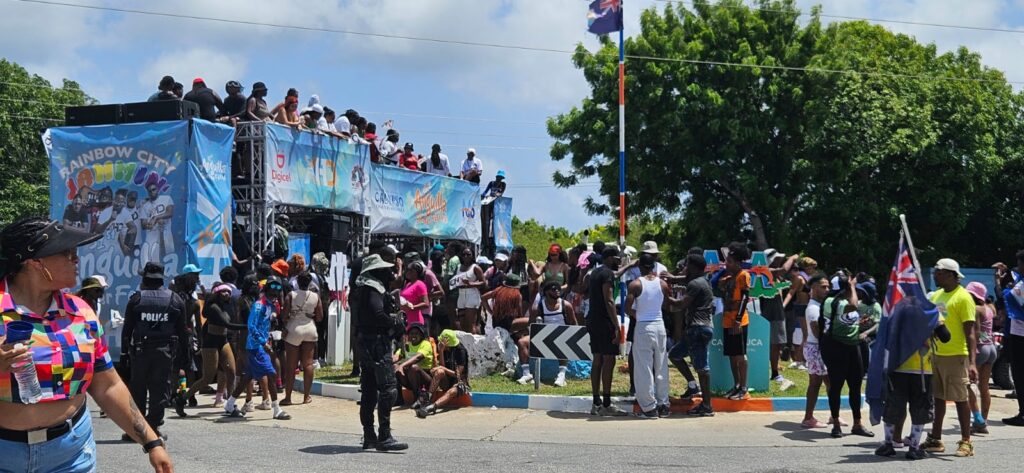
On Monday August 4, 2025, Anguilla experienced one of the most eagerly awaited cultural moments on its calendar: August Monday, the highlight of the Anguilla Summer Festival. All over the island, from the lively streets of The Valley to the legendary beaches of Sandy Ground, this day celebrated memory, vibrated to the rhythm of ancestral traditions and set the current scene ablaze in a warm and intense atmosphere.

A liberating dawn: the J'Ouvert Morning

August Monday

From 5 a.m., the capital The Valley awoke to a flood of thunderous music, colorful paint and dazzling costumes. The J’Ouvert, a popular carnival march, brought together thousands of participants in an explosion of joy and emancipation. Dancing behind sound trucks, the crowd marched to Sandy Ground, perpetuating a ritual that embodies collective reappropriation and the celebration of freedom.

August Monday

A sea of traditions: the craft boat race

At around 1 p.m., Sandy Ground Bay was back in the spotlight with the much-anticipated August Monday Boat Race. Craft boats, divided into classes A and B, set off on a sailing course around the island, drawing enthusiastic responses from families, enthusiasts and visitors alike. This nautical spectacle is a pillar of Anguilla’s living heritage, where technique and symbolism combine to honor the local maritime heritage.

August Monday
August Monday

A stage on fire: Caribbean Beach Party 2025

In the afternoon and evening, the seafront was transformed into a vast open stage for the Caribbean Beach Party. Sandy Ground beach vibrated to the sounds of iconic and up-and-coming artists:

  • Kassav’ a zouk legend, brought together all generations in a masterful performance.
  • Kes the Band, Trinidad and Tobago’s flagship band, set the atmosphere alight with their soca rhythms.
  • Mical Teja seduced us with her lively compositions
  • DJ Avalanche thrilled the crowd with an explosive mix of dancehall and soca
  • Pantha Vibes, a local collective, and young talents Synergy, Yama, Mad Minz and Koverage, Latest XHD have raised the colors of the Anguillian scene to new heights.

Audiences from all over the Caribbean region, as well as international visitors, danced late into the night, singing along with flags and spontaneous sharing.

August Monday
August Monday
August Monday
August Monday
August Monday

More than a celebration, an act of remembrance and identity

August Monday draws its strength from the island’s deep roots. Established to commemorate the abolition of slavery in the British Empire in 1834, it has become a powerful space for artistic and popular expression. The music, rich in social messages, underlines that this celebration is much more than entertainment: it’s an act of remembrance, reclamation and multi-generational gathering.

Latest XHD
August Monday

Organization and economic impact

With several thousand participants in an area of less than 100 km², August Monday’s logistical organization was praised for its fluidity and efficiency. Security, traffic management, first aid and supplies ensured the comfort and safety of festival-goers. Hotels had been fully booked for several weeks, and local restaurants joined in the fun with barbecues, grilled fish, johnnycakes, punch and artisanal rums, contributing to the island’s typical culinary experience.

A crucial driver for the tourism economy, August Monday marks a period of intense activity for Anguilla, attracting visitors from all over the Caribbean and beyond.

August Monday
August Monday
August Monday
August Monday

A warm and inclusive event

Beyond its festive aspect, August Monday is an inclusive festival, mixing generations, origins and social classes in a fraternal, family atmosphere. The value of openness, sharing and celebrating together is at the heart of this unique day, which often lasts until the early hours of the next morning, leaving an unforgettable memory on the island.

August Monday 2025 thus confirmed its status as a Caribbean cultural icon, a moment when passion, memory and collective joy are deeply intertwined in the white sands of Anguilla.

Leave a Reply

Your email address will not be published. Required fields are marked *

More articles from RK

Caribbean Cinema
FILM & VIDEO
Tolotra

Stories of Caribbean Cinema, Maroon Culture, Transmission, and the Imagination. Texts by Guillaume Robillard. Ciclic, 2026

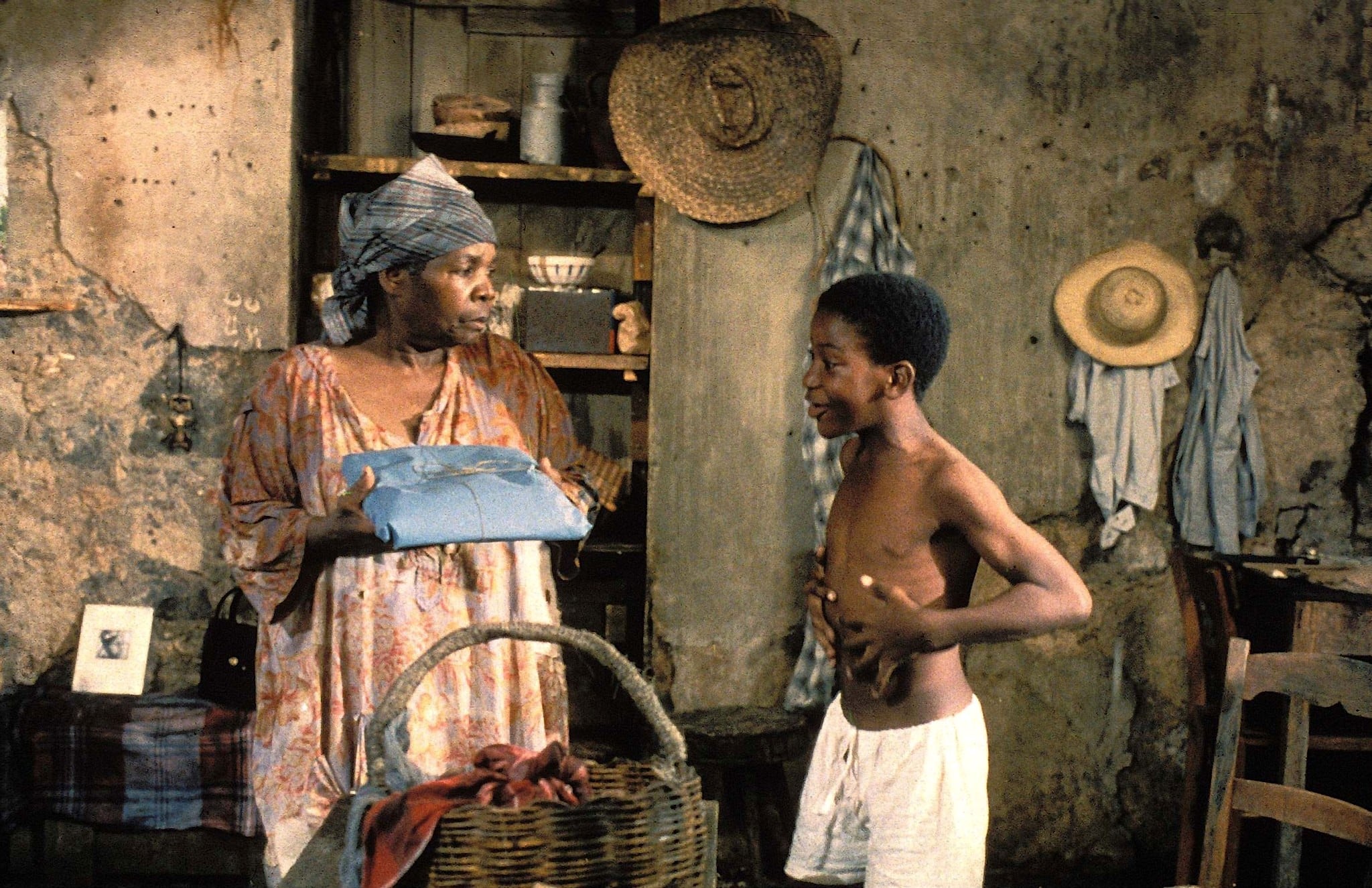
The history of Caribbean cinema continues its journey through the 1980s. After three episodes devoted to the early developments of several cinematic movements in the region, this fourth installment brings together two films from Martinique and one from Curaçao. From the “marronnage” in *Le Sang du flamboyant* to the international trajectory of *Rue Cases-Nègres*, and on to the unique worldof *Almacita di Desolato*, these three works explore different relationships to memory, oral tradition, Africa, and Caribbean imaginaries. This article is the fourth installment in a series of ten. The first three are already available on Richès Karayib, and six more will continue this story through the 2020s. 1981: MARTINIQUE — *The Blood of the Flamingo*, by François Migeat This film is unique in Caribbean cinema. Indeed, its director is a “Metropolitan” (that is, a white man from mainland France who had no deep-rooted ties to the French West Indies) who
Read More »
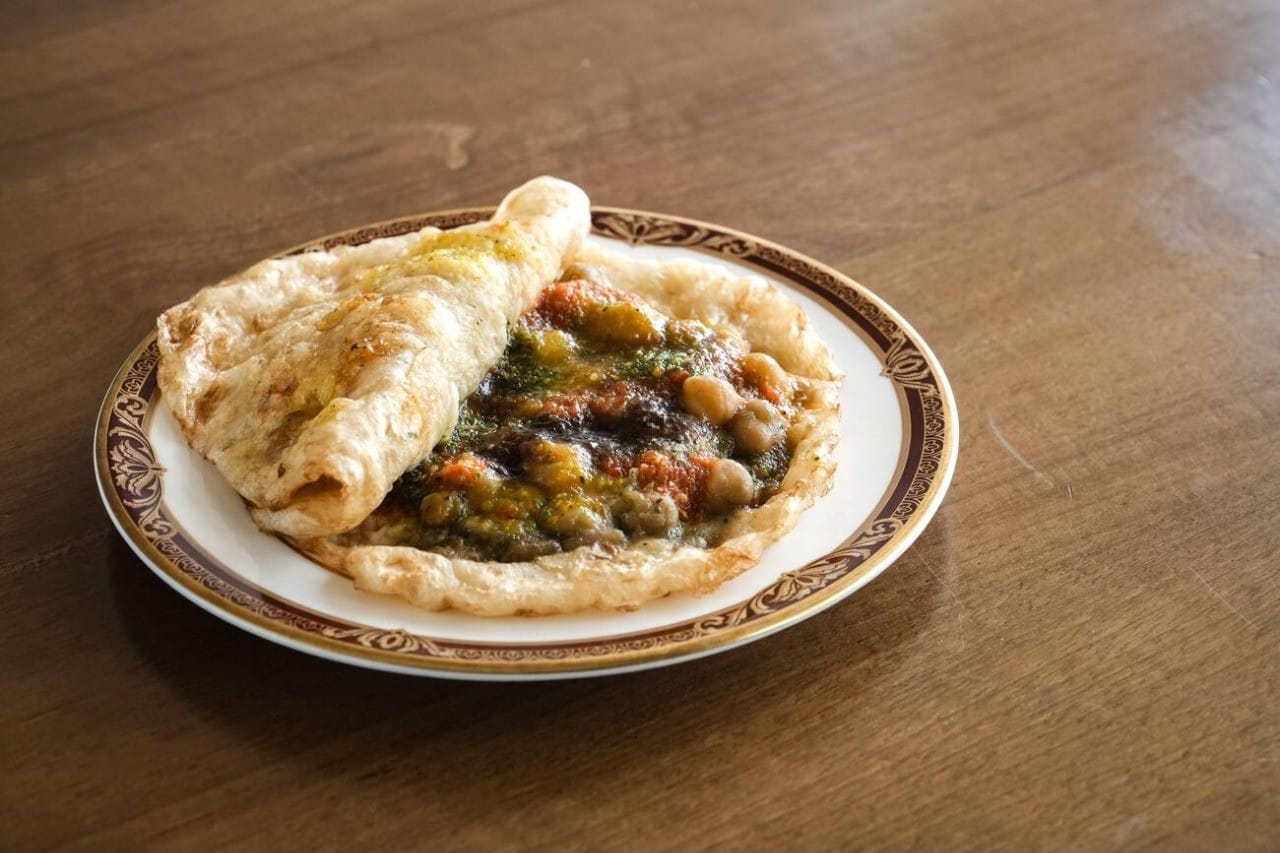
Doubles, plat de rue de Trinité-et-Tobago composé de deux baras frits et de pois chiches au curry
CULINARY ART
Tolotra

Doubles: The Story of Emamool Deen Behind Trinidad’s Street Food Dish

In Princes Town, in southern Trinidad and Tobago, the “doubles” were born in 1936 from a simple gesture: a customer asking for a second piece of bread. At the time, Emamool Deen and his wife Rasulan were selling curry chickpeas on a single piece of fried bread, unaware that they were inventing the country’s most iconic street food. Nearly a century later, doubles still tell the story of Indo-Trinidadian heritage through this chickpea sandwich, which has become a national symbol. A Morning in Princes Town, 1936 At 4:00 a.m., in a courtyard in Princes Town, in the southern part of Trinidad and Tobago, Rasulan Deen lights the fire that will heat the coconut oil. Her husband, Emamool Deen, is boiling the chickpeas that the couple was able to buy by selling a goat, the only possession they had. The year is 1936, and according to oral tradition preserved by several
Read More »
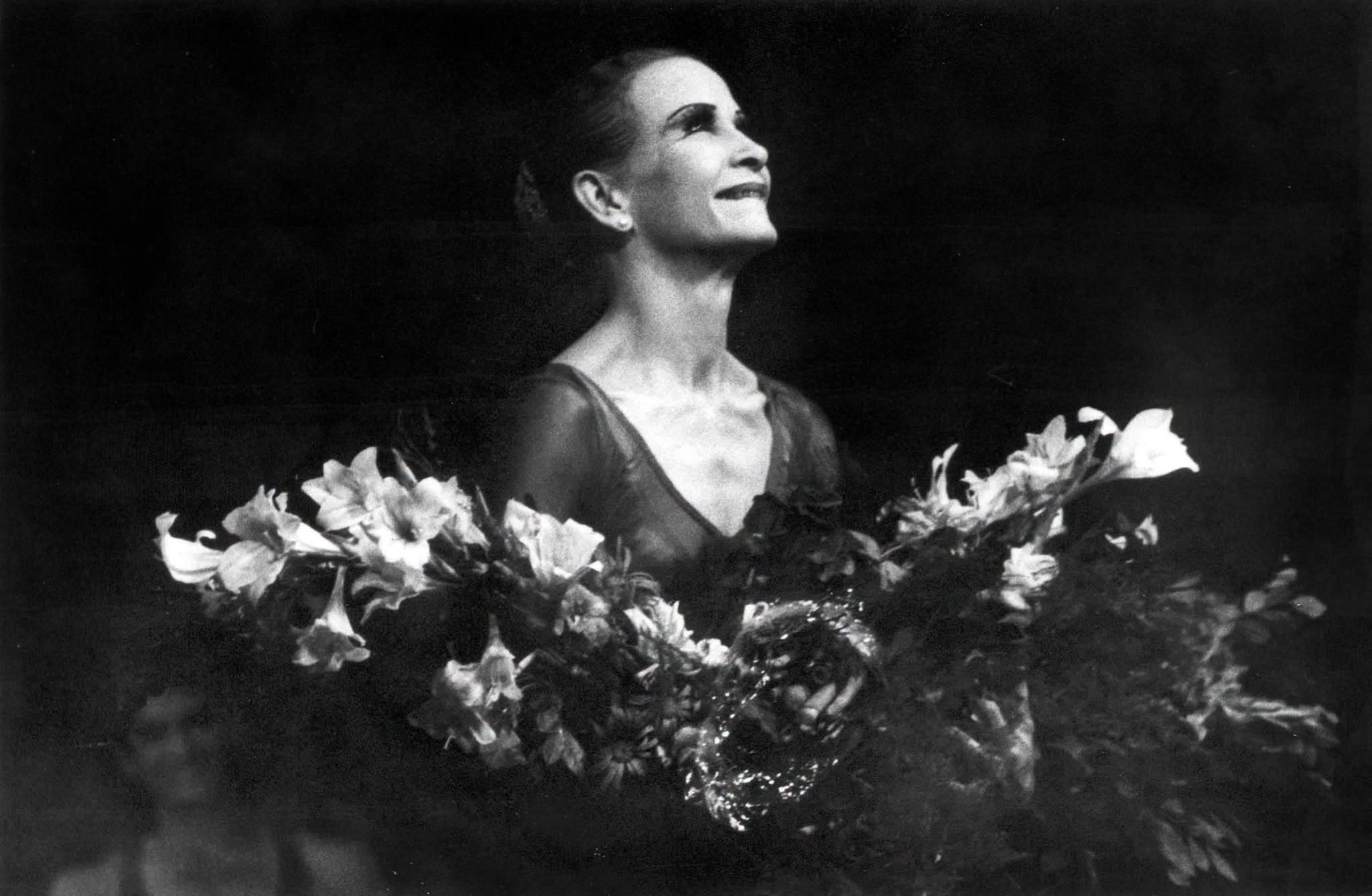
María Elena Llorente recevant un hommage floral, Ballet Nacional de Cuba
DANCE
Tolotra

María Elena Llorente: 50 Years of Ballet in the Service of Cuba

In May 1977, a Cuban dancer took the stage in New York with the Alvin Ailey Dance Theater. In the audience that evening, actor Harry Belafonte watched the performance and would later describe the evening as a significant historical event. This dancer’s name was María Elena Llorente, prima ballerina and ballet mistress of the Ballet Nacional de Cuba. Her career spans fifty years of dance, spent almost entirely with a single company—the one founded by Alicia Alonso in Havana—on an island where, over the decades, classical ballet has become as much a source of national pride as it is an art form. María Elena Llorente, of the Sociedad Pro-Arte at the National Academy It all began at the Sociedad Pro-Arte Musical, a school in Havana where young Cuban women learned the basics of classical ballet even before the official founding of the national ballet company. María Elena Llorente then continued

Read More »

conTACT RK

we'd love to have your feedback on your experience so far

Join The List

Join our Richès Karayib community!  Sign up for our newsletter.

Want To Maximize Your Business Presence On Riches Karayib?

Complete the form to start the application