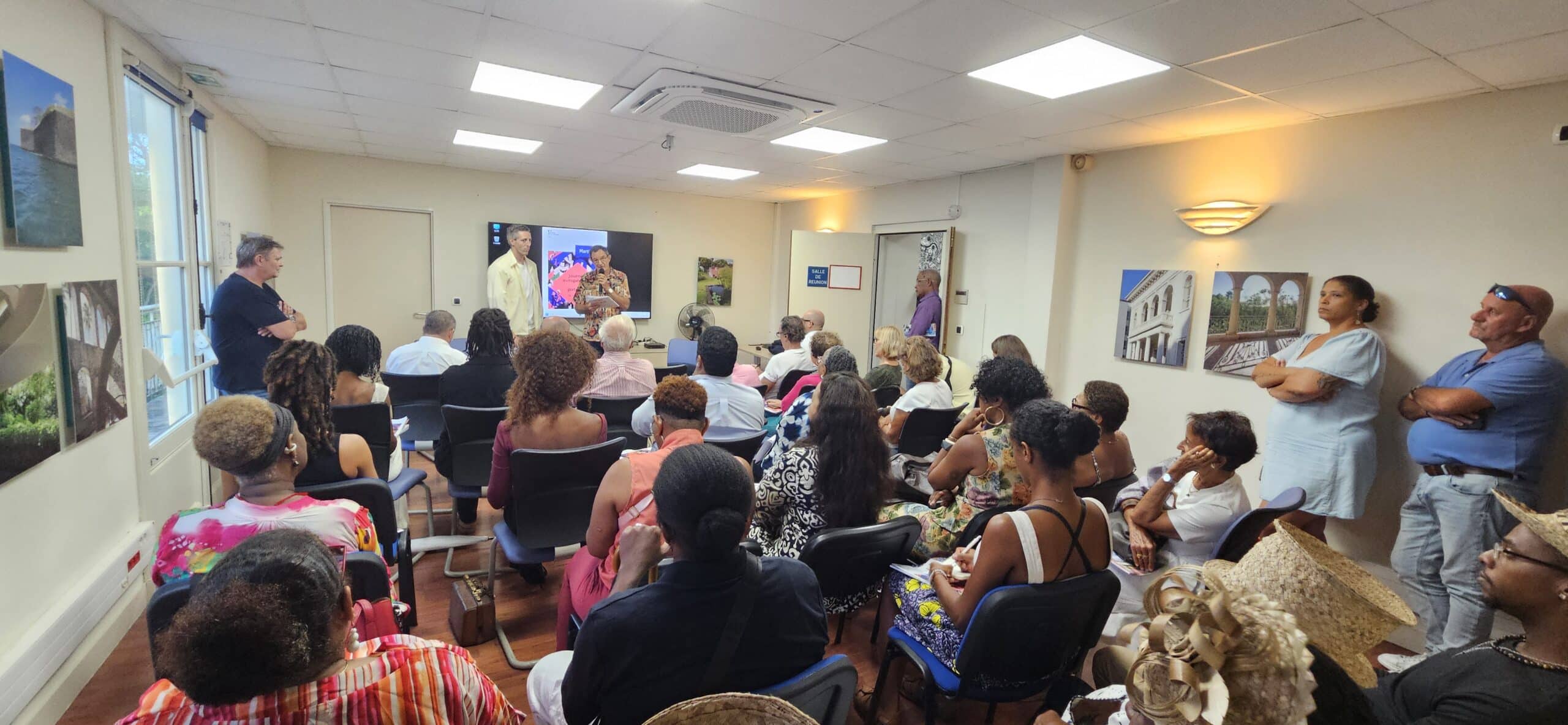
The Loto du Patrimoine 2026 is more than just a list of endangered monuments. For the Caribbean territories, this selection highlights three sites that each bear a sensitive part of local history: the Maison de l’historien Lacour in Basse-Terre, Guadeloupe, the former mill of the Loyola dwelling in Rémire-Montjoly, French Guiana, and the church of Notre-Dame-de-la-Visitation in Gros-Morne, Martinique. The French Ministry of Culture has selected them as one of the 18 emblematic regional sites for the 2026 edition.
Why the Loto du Patrimoine 2026 is important for the Caribbean
For a media attentive to the Caribbean, this selection has a particular significance. It shows that the Loto du Patrimoine 2026 doesn’t just fund technical worksites: it also supports places that structure collective memory, urban identity, historical narratives and cultural transmission. Since 2018, the Mission Patrimoine lottery has raised over 210 million euros and supported 1,080 sites; 70% of projects have now been saved or are on the verge of being saved, and 500 worksites have been completed.
In this context, Guadeloupe, French Guiana and Martinique appear as three very different but complementary cases. One relates to intellectual and urban history, the other to the plantation economy and archaeology, and the third to the persistence of a religious heritage marked by natural disasters. It is this crossover that gives the Loto du Patrimoine 2026 its real significance in the Caribbean.
Guadeloupe: Auguste Lacour's house, a heritage challenge for Basse-Terre
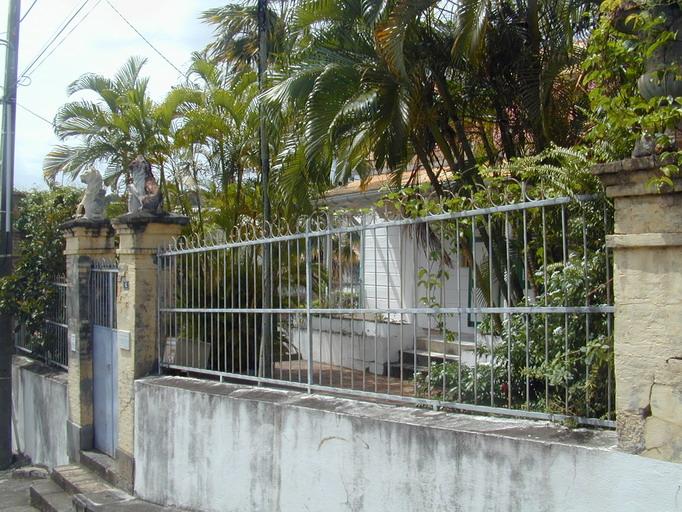
In Basse-Terre, the Loto du Patrimoine 2026 awards the Maison de l’historien Lacour, a house linked to Auguste Lacour, a major figure in Guadeloupean history. It’s a small, modest colonial building, similar to a Creole hut, but now badly damaged and at risk of advanced deterioration. The project involves not only the complete restoration of the house, but also the ashlar fountain, the wrought-iron gate and the vegetable garden. Work is scheduled to start in the second half of 2026, with completion scheduled for December 2027.
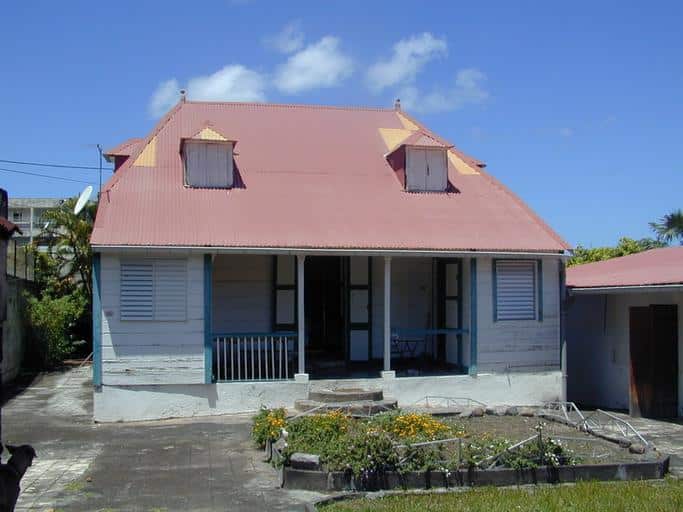
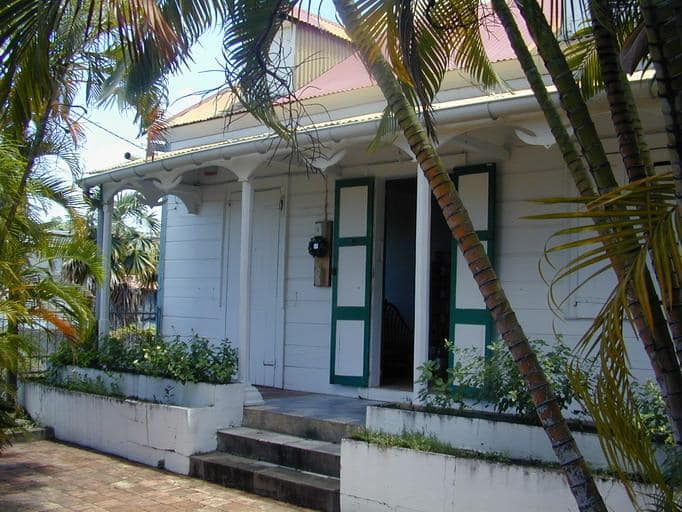
The interest of this site goes far beyond the mere preservation of an ancient building. The house has been used for a number of purposes: as a historian’s residence, as a birthplace, then as an interpretation center within the framework of the Ville d’Art et d’Histoire label. Listed as a historic monument in 2016, the house and its surroundings could be used for a tourism or cultural project in the future, helping to revitalize Basse-Terre’s town center. With this in mind, the Loto du Patrimoine 2026 also acts as a lever for urban reactivation.
French Guiana: Loyola, a mill at the heart of a wider history
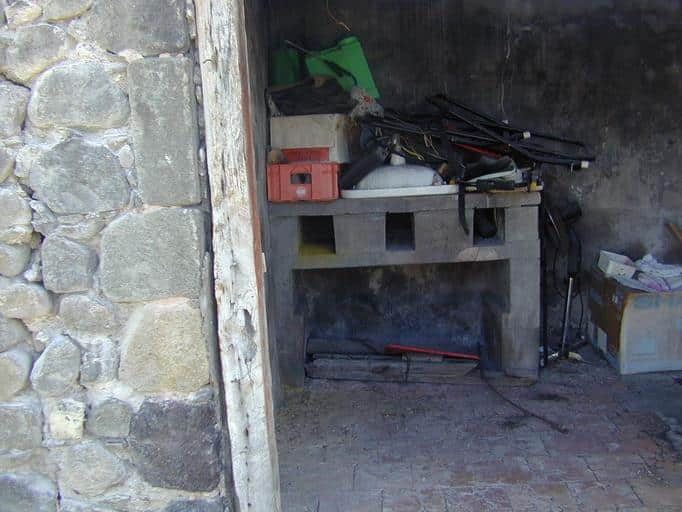
In French Guiana, the Loto du Patrimoine 2026 focuses on the former mill of the Loyola dwelling in Rémire-Montjoly. The aim is to restore the entire mill, including its wind intake, transmission and grinding mechanisms. Work is scheduled to start at the end of 2026 and be completed in 2027.
But the real strength of this site lies in its historical depth. The Loyola dwelling, acquired by the Jesuits in 1668, is presented as the largest slave dwelling in French Guiana. The mill is therefore not an isolated vestige: it is part of a whole that sheds light on sugar production, colonial organization and the reality of slave labor. Since 1994, archaeologists have been studying the site, part of which remains to be discovered. The Loto du Patrimoine 2026 gives visibility to a site where built heritage, colonial memory and historical research meet in a very direct way.


Martinique: in Gros Morne, the urgent need to save a weakened church
In Martinique, the site selected for the Loto du Patrimoine 2026 is the Notre-Dame-de-la-Visitation church in Gros-Morne. Built in 1743, it has been closed to the public since 2016 and no longer complies with paraseismic standards since it was weakened by the earthquake of September 29, 2009. The announced works will secure the main nave and aisles, restore the two sacristies and the forechoir, as well as the choir and nave enclosure. Start-up is scheduled for summer 2026, with completion scheduled for 2027.
Here again, heritage interest goes far beyond religious architecture. Today’s parish is the result of successive reconstructions after cyclones, earthquakes and other hazards. Its history reflects that of a Martinican society forced to constantly adapt its heritage to the island’s natural realities. Against this backdrop, the Loto du Patrimoine 2026 awards a building that embodies both faith and resilience.


Three territories, three interpretations of heritage
By selecting Guadeloupe, French Guiana and Martinique, the Loto du Patrimoine 2026 is in fact drawing up three ways of thinking about heritage in the French Caribbean region: preserving a literary house in the heart of a town, restoring a major vestige linked to the history of slavery and the sugar industry, and saving a church marked by the ravages of time and nature. This trio reminds us that a monument only has meaning if it remains legible for local residents, useful for the region and capable of transmitting a complete history, even in its most difficult areas.
In the French Caribbean, three territories are involved in the Loto du Patrimoine 2026: Guadeloupe, French Guiana and Martinique. These three sites are included in the official list of 18 emblematic regional sites announced by the French Ministry of Culture.
In Guadeloupe, the chosen site is the Maison de l’historien Lacour in Basse-Terre. The project involves restoring the house, the ashlar fountain, the wrought-iron gate and the kitchen garden. Work is due to start in the second half of 2026, with completion scheduled for December 2027.
The former mill of the Loyola dwelling in Rémire-Montjoly is a major heritage site, bearing witness to the history of sugar production, the Jesuit presence and the slave system in French Guiana. The Fondation du Patrimoine points out that the Loyola dwelling, acquired in 1668 by the Jesuits, is considered to be the largest slave dwelling in French Guiana. The selected project aims at a complete restoration of the mill and its mechanism.
In Martinique, the selected site is the Notre-Dame-de-la-Visitation church in Gros-Morne. Built in 1743, it has been closed to the public since 2016 and was weakened by the earthquake of September 29, 2009, making restoration work particularly urgent.
The Loto du Patrimoine 2026 is used to provide financial support for monuments and sites in peril identified throughout France, including overseas territories. The Mission Patrimoine scheme, launched in 2018, has already supported 1,080 sites since its inception, with 500 worksites completed and 70% of projects saved or in the process of being saved.