IShowSpeed Caribbean Tour transformed a livestream tour into a global showcase for several Caribbean territories. In just a few weeks, beaches, markets, carnivals, popular neighborhoods, natural sites and street scenes were seen by millions of young Internet users. The result goes far beyond entertainment: it raises a central question for the Caribbean. How can viral exposure be transformed into lasting benefits for the territories visited?
A tour conceived as a global digital event
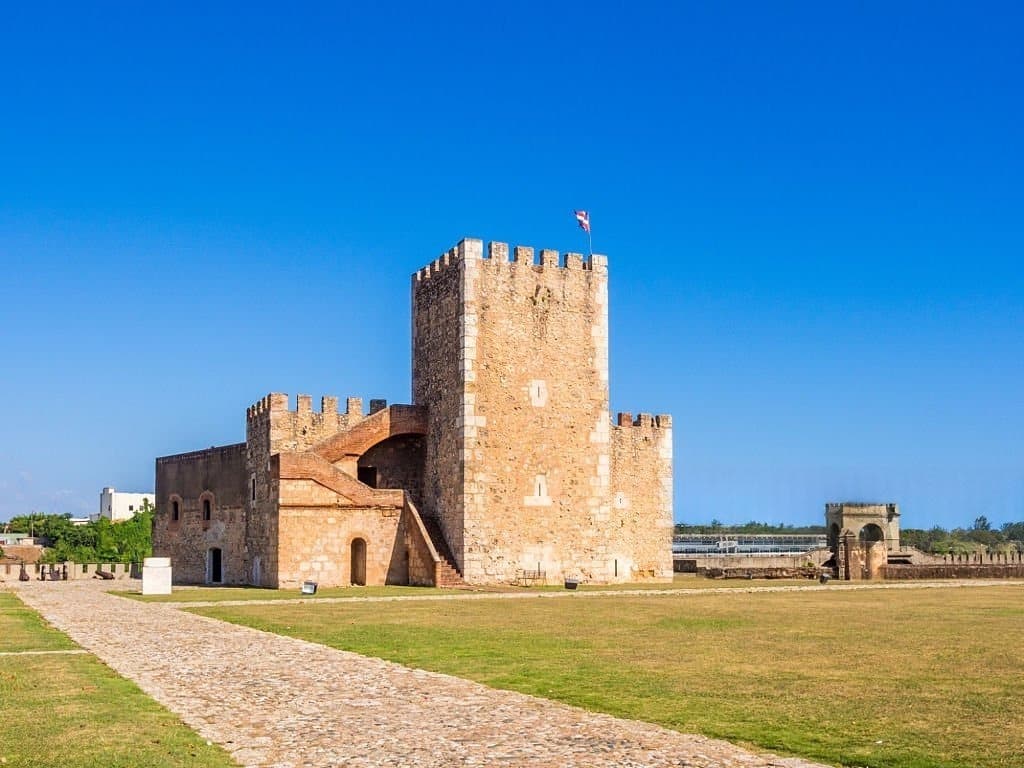
Announced as a tour of 15 Caribbean destinations, the IShowSpeed Caribbean Tour included Antigua and Barbuda, the Bahamas, Barbados, Dominica, the Dominican Republic, Grenada, Guadeloupe, Jamaica, Puerto Rico, Sint Maarten, Saint Kitts and Nevis, Saint Lucia, Saint Vincent and the Grenadines, Trinidad and Tobago and the US Virgin Islands. From the outset, the project did not resemble a conventional tourism campaign. It was an ongoing, unpredictable live event, driven by a very young and responsive community.
The most telling figure comes from the analysis published after the tour: over the period studied, IShowSpeed Caribbean Tour generated some 1.4 million new subscribers, 12.6 million engagements and an estimated conversational reach of 305.9 million. In other words, the Caribbean wasn’t just watched. It was commented on, shared, replayed, discussed and turned into a global topic on social platforms.
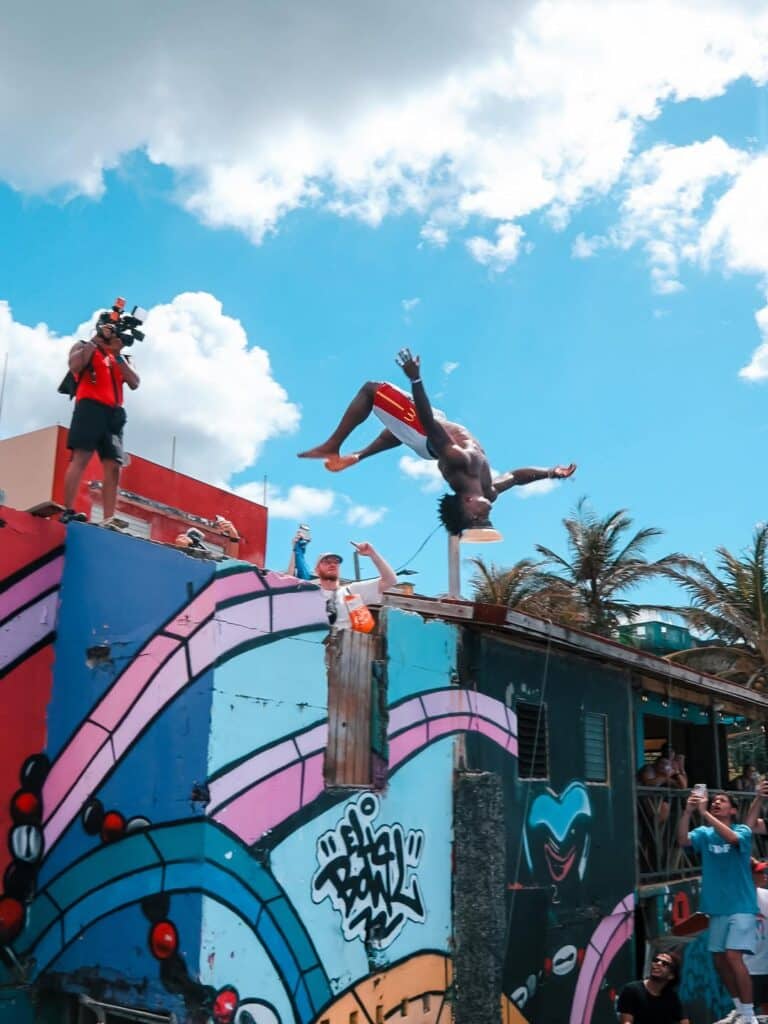
Territories propelled before a young audience
The livestream results show the scale of the phenomenon. The Dominican Republic leads the way with around 7.04 million views. The Dominica, Guadeloupe, Saint Kitts and Nevis and Sint Maarten block follows with around 6.87 million views. Trinidad and Tobago reached around 4.97 million, St. Lucia and St. Vincent and the Grenadines around 4.95 million, and Grenada around 4.32 million. These figures should be read with caution, particularly for the Dominican Republic, where warnings of artificial traffic have been mentioned. But even with this caveat, the order of magnitude remains exceptional for territories often absent from the world’s major digital narratives.
In Trinidad and Tobago, the tour got off to a highly popular start. The visit to Port-of-Spain reportedly attracted around 3,000 people and disrupted traffic around Tragarete Road. But the real impact came from the content on show: tassa, steelpan, cricket, mas, stickfighting, Queen’s Park Oval, Peter Minshall’s presence. Trinidad and Tobago was not reduced to a tropical setting. The territory was presented through its sounds, its gestures, its crowds and its lively relationship with the street.


Saint Lucia, the most measurable example
Saint Lucia offers one of the most interesting cases for measuring tourism impact. The Saint Lucia Tourism Authority reported that the livestream had attracted over 4.4 million viewers. Its General Manager, Louis Lewis, also reported an estimated return on investment of 77 to 1. This means that, for every dollar invested, the destination estimates that it has obtained media value equivalent to $77.
The passage showed Reduit Beach, Pigeon Island, Castries Market, Derek Walcott Square, the Pitons and Sulphur Springs. This choice of locations is important. It combines postcard, heritage, downtown, nature and local experience. In the IShowSpeed Caribbean Tour review, Saint Lucia thus appears as a territory that has tried to transform buzz into a structured visibility strategy.
Antigua and Barbuda: from direct to tourist route
Antigua and Barbuda also capitalized on the exhibition. The May 3 tour attracted over 2.5 million viewers on YouTube alone, according to data reported by the tourist board. The program featured Dickenson Bay, Hellsgate, stingrays, drag racing, Sir Vivian Richards Stadium, Carnival, Burning Flames, the Nyabinghi community, Ffryes Beach, the Antigua Black Pineapple and Barbuda.
Here again, the highlight is not just the number of views. It’s the way in which the region has been able to tell many different stories about itself: beach, sport, music, heritage, gastronomy, spirituality and sister island. IShowSpeed Caribbean Tour has shown that a livestream can become a tourist itinerary, provided that local players know how to transform it into legible, bookable and well-relayed offers.


Jamaica, between cultural power and Generation Z
Jamaica enjoyed massive exposure. The livestream from Kingston exceeded 2.8 million views, with a peak of 194,805 live viewers, 696,349 chat messages and 34,692 new subscribers. These figures are a measure of the attention generated by IShowSpeed’s visit to an area with an already strong cultural image.
The Jamaican challenge was different. The destination didn’t need to prove that it existed culturally. Reggae, dancehall, patois, athletics, gastronomy and street culture are already recognized the world over. But IShowSpeed Caribbean Tour put this power in front of a very young audience, used to consuming the world live, without waiting for institutional campaigns.


A turning point for Caribbean tourism
The partnership with Expedia confirms that this tour is more than just a creative phenomenon. The platform has named IShowSpeed “Official Travel Partner” and launched a space where fans can follow his travels, consult content and book stays, flights or activities inspired by his travels. This is probably one of the most important lessons to be learned from the review: livestreams are becoming a tool for inspiration, and then potentially for tourism conversion.
For the Caribbean, the results are clear. IShowSpeed Caribbean Tour offered visibility that few traditional campaigns can achieve with Generation Z. But visibility isn’t enough. But visibility is not enough. Territories will now have to capture this attention, improve their official content, make their experiences accessible online, better reference the places seen in the videos and involve local players in this new image economy.


The balance sheet is therefore powerful, but incomplete. The views are there. The conversations are there. The crowds were there. The question now is whether this exposure will generate travel, bookings, revenue for local communities and a stronger place for the Caribbean in the global digital imagination. Only then will IShowSpeed Caribbean Tour go from being a viral phenomenon to a useful moment for the Caribbean territories.
The results of the IShowSpeed Caribbean Tour are first and foremost digital. The tour gave several Caribbean territories worldwide exposure to a very young audience, very active on YouTube and social networks. The figures available speak of millions of views, millions of engagements and a very high conversational reach. For the Caribbean, the main impact is therefore in terms of visibility: places, street scenes, natural sites, markets, beaches and local cultural expressions have circulated massively online. On the other hand, the real economic impact must still be measured with caution, as there is as yet no complete official record of tourist bookings or revenue generated.
Several territories took advantage of the IShowSpeed Caribbean Tour, each in their own way. Saint Lucia stands out as one of the most structured examples, with official communication around the media ROI and locations shown during the live tour. Antigua and Barbuda also turned the visit into a tourist itinerary, highlighting beaches, culture, sport, gastronomy and heritage. Jamaica benefited from strong exposure to Generation Z, while Trinidad and Tobago made its mark with street culture, steelpan, carnival and cricket. The impact varies according to each region’s ability to follow up the buzz with a clear tourism strategy.
Yes, but only if Caribbean territories turn this visibility into concrete action. A livestream can create envy, give a more spontaneous image of a territory and reach audiences difficult to reach with traditional campaigns. But for the impact to last, the places seen in the videos need to be well referenced, the experiences easy to book, tourist offices need to publish appropriate content and local players need to be involved in the spin-offs. So the IShowSpeed Caribbean Tour has opened a door: it’s now up to Caribbean destinations to convert this global attention into travel, revenue and visible benefits for local communities.