In Kingstown, capital of Saint Vincent and the Grenadines, the countdown has begun. On June 26, 2026, Vincy Mas will open a new edition under the theme “The Great Escape”. For twelve days, until July 7, the island of around 100,000 inhabitants will host its biggest cultural event. The slogan speaks of warmth, escape and celebration. But behind the poster is a story of timing.
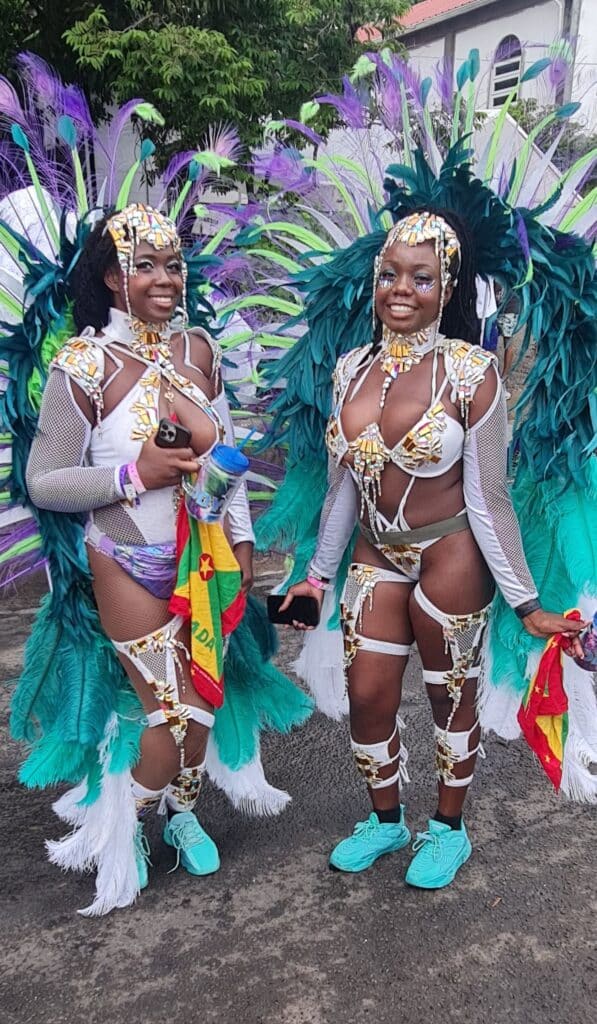
In the mas camps, the weeks leading up to the opening are rarely silent. Costumes are being adjusted, sections prepared and the sounds that will accompany the parades rehearsed. Families return from the diaspora, visitors book their places, and Kingstown prepares for a change of pace. Vincy Mas is not an island carnival. It’s an annual landmark around which St. Vincent organizes part of its cultural life.
A decisive choice in 1977
The historical uniqueness of the Vincentian carnival lies in a deliberate change. Before 1977, St. Vincent’s carnival followed the pre-Lenten calendar, as did many of the great Caribbean carnivals. It was held in the days leading up to Ash Wednesday, in a time frame marked by Christian heritage, European traditions and Afro-Caribbean popular reappropriations.
From 1977 onwards, another period began: the era of the summer festival. Saint-Vincent moved its carnival to late June and early July. The event was organized around a new date, an official celebration, management by the Carnival Development Corporation, and popular highlights such as calypso competitions, soca, costumes and parades.
This move didn’t erase the heritage. It has placed it in another time. Vincy Mas retains the strong codes of Caribbean carnival: the mas, the music, the competitions, the characters, the street. But he’s no longer tied to the religious calendar. It has created its own space, between summer vacations, diaspora movements and national cultural strategy.
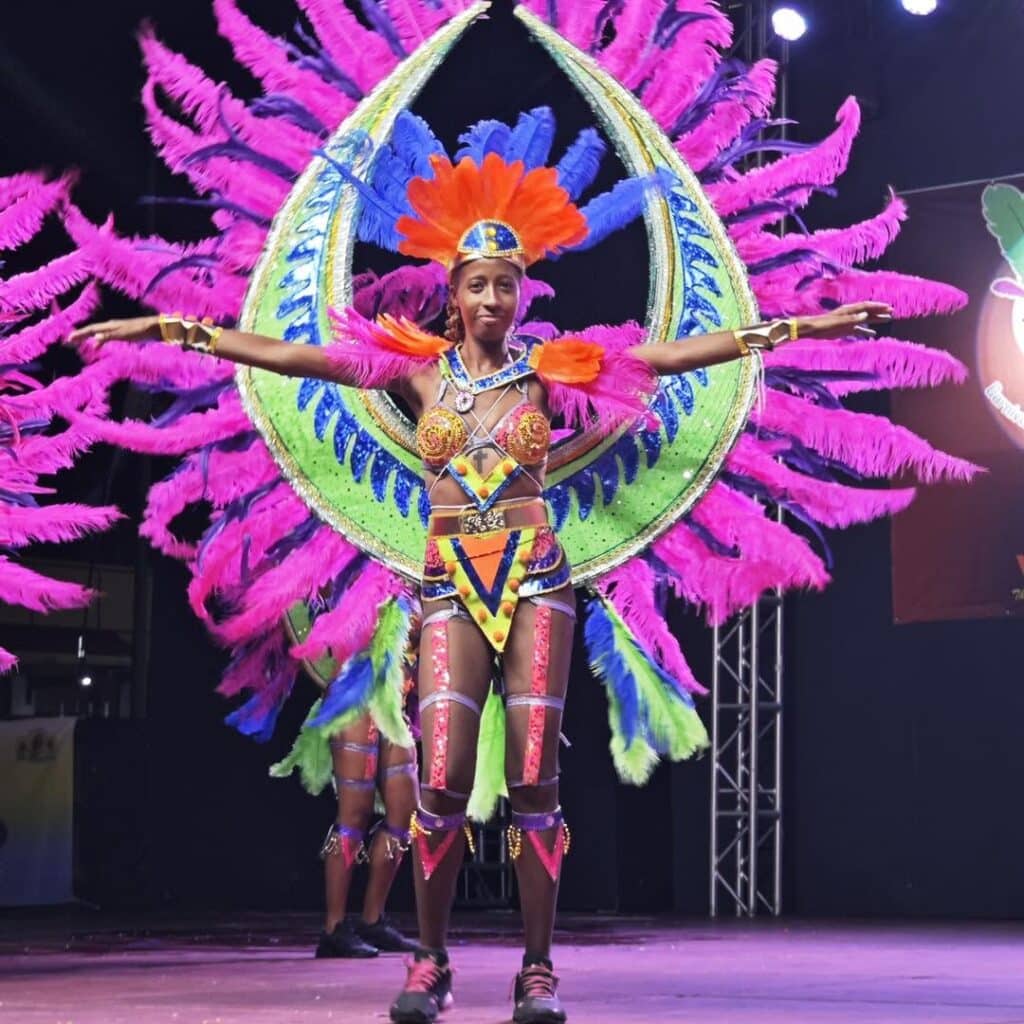
Vincy Mas: twelve days to raise the island
The 2026 edition is scheduled to run from June 26 to July 7. The last two days, Carnival Monday and Carnival Tuesday, are listed as official holidays on Monday July 6 and Tuesday July 7. This is when the festivities reach their peak, with J’Ouvert, parades, costumed bands and a massive public presence in the streets.
The Vincy Mas 2026 format remains dense. It brings together calypso and soca competitions, steel pan competitions, King and Queen of the Bands presentations, the Junior Carnival, folk festivals and street parades. Around this backbone, the great markers remain visible: steel pan, masquerade, calypso, costumes and cultural pride.
This blend explains its strength. The steel pan recalls a shared musical history in the English-speaking Caribbean. Calypso retains its role of social commentary. Soca carries contemporary energy. Mas transforms bodies into collective images. Vincy Mas moves forward between heritage and modernity, without having to choose between the two.


A special place in the Caribbean
This singularity deserves to be precisely named. Saint Vincent and the Grenadines is one of those territories that have succeeded in decoupling their carnival from Lent without losing their cultural identity. Martinique and Guadeloupe still have a pre-Lent carnival. Trinidad too. Jamaica has developed its own calendar, later in the spring. Saint-Vincent, for its part, maintains an early summer carnival.
This position gives Vincy Mas a special significance. It comes after the big February-March events, but before other July and August carnivals in the region. For the Vincentians, this is more than just a tourist advantage. It’s a way of saying that their carnival is not a copy. It follows its own season, its own tempo, its own way of gathering.
After La Soufrière, a consolidation edition
The recent context also lends weight to the 2026 edition. In 2024, Saint Vincent and the Grenadines celebrated the 45th anniversary of its independence, gained in 1979. The country also bears the memory of the eruption of La Soufrière in 2021, which led to the evacuation of over 20,000 people in the volcano’s red zone. The shock affected families, the economy, travel and the country’s tourist image.
After the interruptions caused by the pandemic, then the gradual resumption, Vincy Mas has regained a special value. It goes beyond simple programming. Carnival reaffirms its ability to reclaim public space, sound, costume and collective memory.

What the carnival must preserve
The future is already full of questions. How can we prevent the festival from becoming too dependent on tourism? How can we sustain mas bands, pan yards, calypsonians and young artists beyond a few weeks of visibility? How can we transmit the codes of calypso and mas to a generation that also listens to dancehall, reggaeton, afrobeats and new-generation soca?
On June 26, in Kingstown, the first big wave gets underway. For twelve days, St. Vincent will be reminding us that the Caribbean is more than just a carnival calendar. Vincy Mas exists because a country has chosen its moment. And what if this choice, almost fifty years later, had become its greatest signature?
Vincy Mas 2026 runs from June 26 to July 7 in St. Vincent and the Grenadines. The last days of the festival, Carnival Monday and Carnival Tuesday, are the big street events, with the J’Ouvert, parades, costumed bands and a big turnout in Kingstown.
Vincy Mas left the pre-Lent calendar in 1977, when St. Vincent chose to move its carnival to late June and early July. This move gave the festival an identity of its own in the Caribbean. The Vincentian carnival retains the codes of mas, calypso, soca and parades, but now follows a summer timetable.
Vincy Mas stands out for its calendar, its national roots and its role in the cultural life of Saint Vincent and the Grenadines. Unlike the pre-Lent carnivals of Trinidad, Martinique or Guadeloupe, it takes place in early summer. This position gives it a special place in the Caribbean carnival season, between popular heritage, the return of the diaspora and Vincentian cultural affirmation.