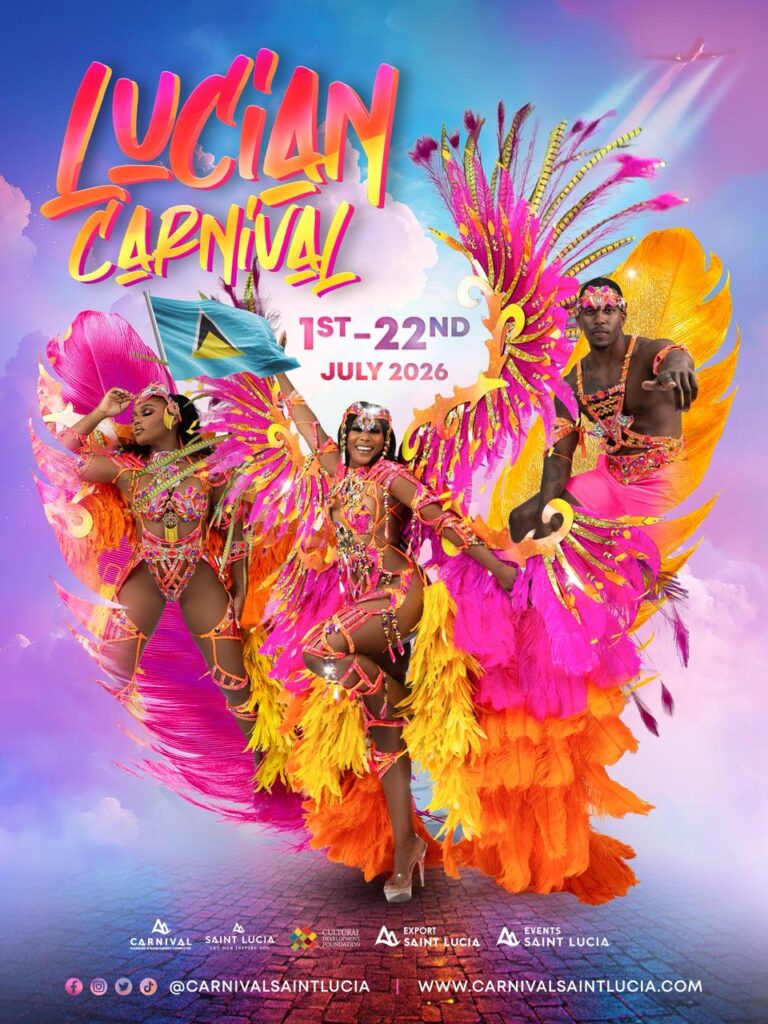
From July 1 to 22, the 2026 Saint Lucia Carnival marks one of the island’s most eagerly anticipated cultural events. For three weeks, the island builds up to the big parade days, but the carnival is about more than just the final spectacle of costumes in the streets. It takes shape beforehand, through rehearsals, competitions, neighborhood celebrations, and the voices that bring Castries to life.
Even before the bands take to the streets, the carnival makes itself heard. A soca track drifts from a cell phone to a bus. Artists test out their songs. Groups fine-tune the final details. In Saint Lucia, the carnival doesn’t happen all at once. It builds until it becomes a collective voice.
A cultural season—not just a parade
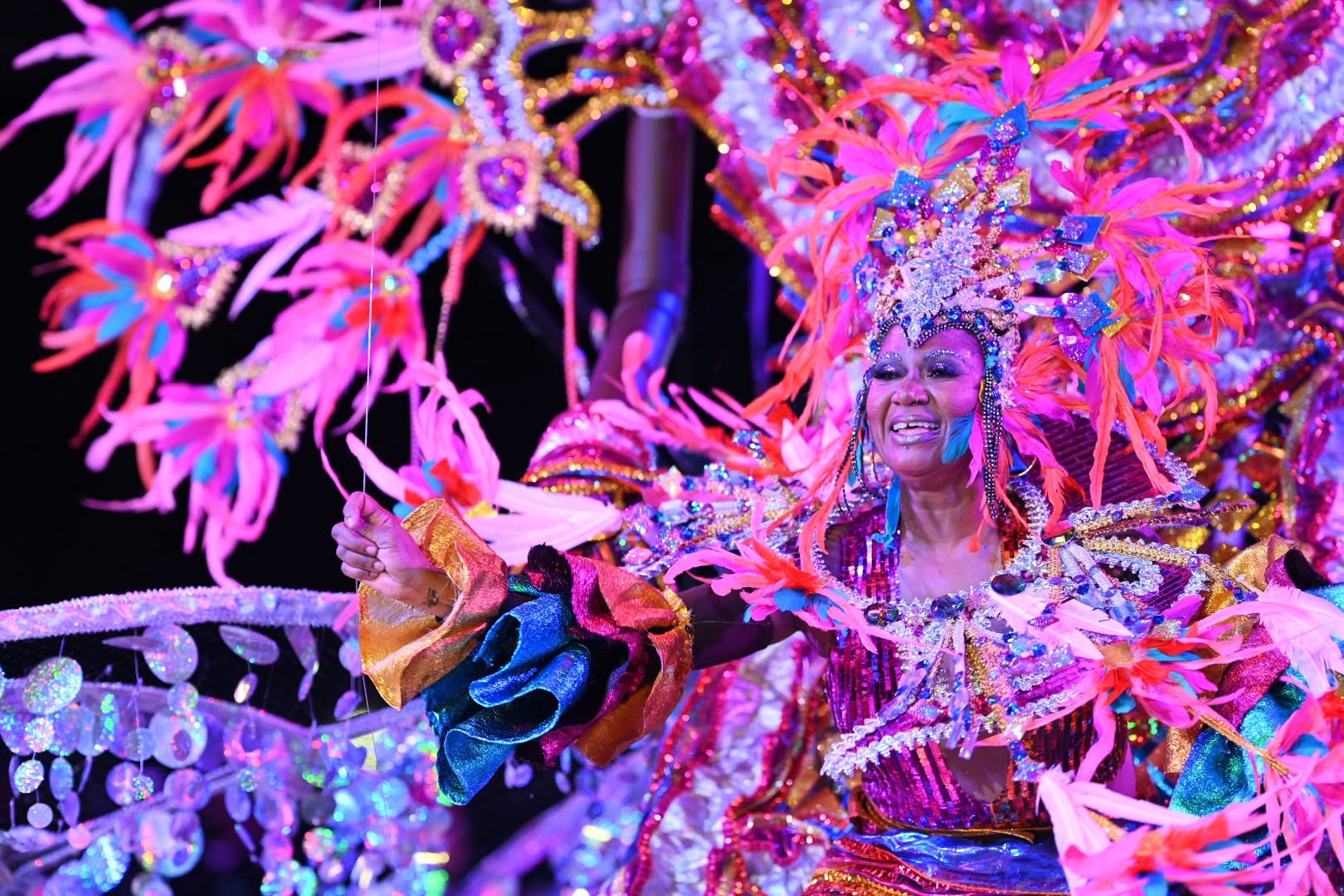
The official program for the 2026 Saint Lucia Carnival announces a full season, featuring calypso and soca competitions, community events, Junior Carnival, J’Ouvert, King and Queen of the Bands, and the National Parade of the Bands. Young people take center stage with Junior Carnival. Calypsonians carry on a tradition of social commentary. Soca artists seek the chorus that will stick in people’s minds. The bands transform costumes into a visual language. In this spirit, Carnival becomes a space not only for dancing, but also for finding a sense of belonging.
That’s where the 2026 Saint Lucia Carnival really comes into its own. The event isn’t just a series of parties. It’s a cultural celebration. It showcases an English-speaking island steeped in a strong Creole heritage.


A Memory Born on the Street
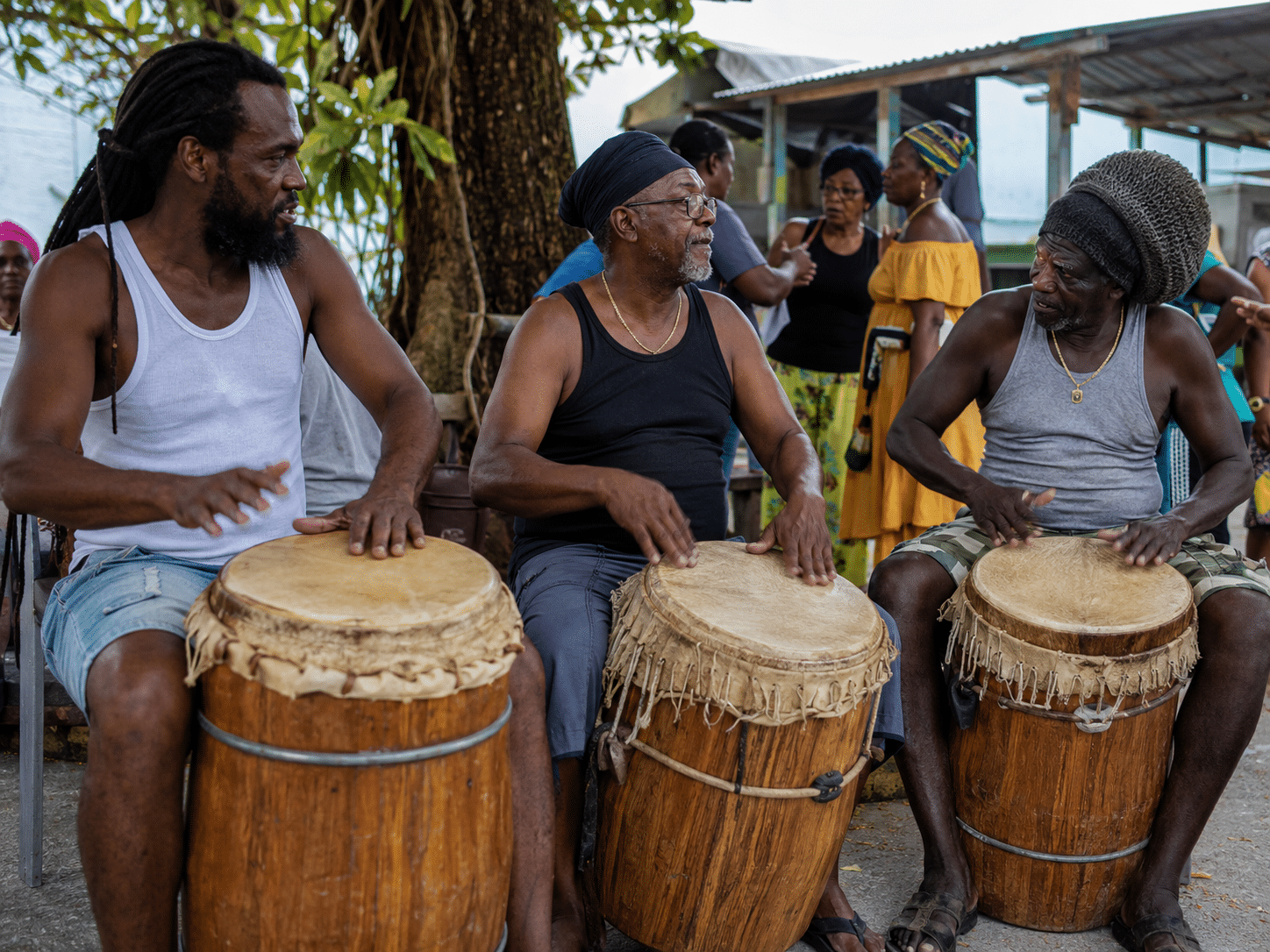
The history of the Lucian Carnival reminds us that the first recorded celebration in Saint Lucia dates back to 1947. According to the official account, a small group is said to have paraded through Castries in worn-out clothes, beating out rhythms on bottles and pieces of steel. By 1948, steel bands, calypso musicians, and costumed groups were already part of the festivities. This detail changes our understanding of the carnival. It didn’t arise solely from a program or a poster. It came from a grassroots movement. From a city. From an improvised sound. From a need to take to the streets in a different way.
Today, the 2026 Saint Lucia Carnival continues this momentum. When Castries hosts the parades and major events, the capital serves as more than just a backdrop. It once again becomes the place where history, music, and people come together.


When Kwéyòl Hits the Road
St. Lucia’s uniqueness is expressed through its language. St. Lucia is an English-speaking country, but its cultural identity is strongly rooted in Kwéyòl, the St. Lucian Creole. During Carnival, this coexistence becomes audible. Calypso conveys social commentary. Soca provides the collective momentum. Dennery Segment brings a more recent, more direct sound that is distinctly Saint Lucian in its energy. Born in Dennery in the 2010s, this genre blends soca, dancehall, and zouk. Its lyrics are often delivered in Saint Lucian Creole.
At the 2026 Saint Lucia Carnival, Kwéyòl is more than just a folkloric element. It becomes a living force. It bursts forth in the choruses, brings the street to life, and reminds us that Saint Lucian identity is also passed down through the way people speak, respond, sing, and dance.


Music as a Matter of Identity
This year, Listwa Kannaval 2026 added a special depth to the calendar. This cultural event posed a powerful question: Does music merely reflect who we are, or does it also shape the way we understand ourselves?
This question sheds light on the 2026 Saint Lucia Carnival. Behind the feathers, sequins, and sound trucks lies a conversation about memory, language, and transmission. What becomes of a song when it moves from the studio to the streets? What becomes of a language when it is taken up by a crowd? What does a parade convey when several generations march together? In Saint Lucia, Carnival provides the answer. It does not separate celebration from memory. It does not separate music from identity. It keeps both moving in the same rhythm.

A Voice from Lucien in the Caribbean
The Caribbean is home to major carnivals, each with its own traditions, sounds, and schedules. Saint Lucia’s strength does not lie in imitating Trinidad, Barbados, Saint Vincent, or Grenada. Its strength lies in asserting its own unique blend: a capital steeped in carnival history, an English-speaking culture enriched by Kwéyòl, a vibrant calypso tradition, and a contemporary sound known as Dennery. It is this uniqueness that gives Saint Lucia Carnival 2026 its value. It doesn’t just say, “Look at our carnival.” Rather, it says, “Listen to our way of being Lucians.”
When the bands enter Castries, all eyes will naturally turn to the costumes. But perhaps what matters most will be the choruses sung in unison, the Kwéyòl in the music, and the memory of 1947 that continues to pulse beneath today’s sounds. With the 2026 Saint Lucia Carnival, Saint Lucia isn’t just putting on a parade. For 22 days, it’s making the voice of Saint Lucia heard loud and clear.
The 2026 Saint Lucia Carnival takes place from July 1 to 22, 2026, in Saint Lucia. The carnival spans several weeks, featuring music competitions, community events, Junior Carnival, J’Ouvert, and the grand final parades. The most anticipated days are July 20 and 21, when the bands take to the streets of Castries for the National Parade of the Bands.
The 2026 Saint Lucia Carnival is significant because it is more than just a street party. It showcases Saint Lucian identity through music, language, costumes, and collective memory. The carnival gives voice to the diverse cultural expressions of Saint Lucia: calypso, soca, Kwéyòl, and the Dennery Segment. It is a time when the island asserts its uniqueness within the broader family of Caribbean carnivals.
Kwéyòl, the Saint Lucian Creole language, lends the carnival a unique cultural depth. It appears in songs, choruses, and popular expressions. The Dennery Segment, which originated in Dennery in the 2010s, brings a more recent, fast-paced, and highly expressive musical style. In Saint Lucia Carnival 2026, these elements demonstrate that the Saint Lucian carnival is not just a visual spectacle: it is also a voice, a language, and a way of telling the story of Saint Lucia.