

Fanon: A Dazzling and Universal Cinematic Journey

Fanon

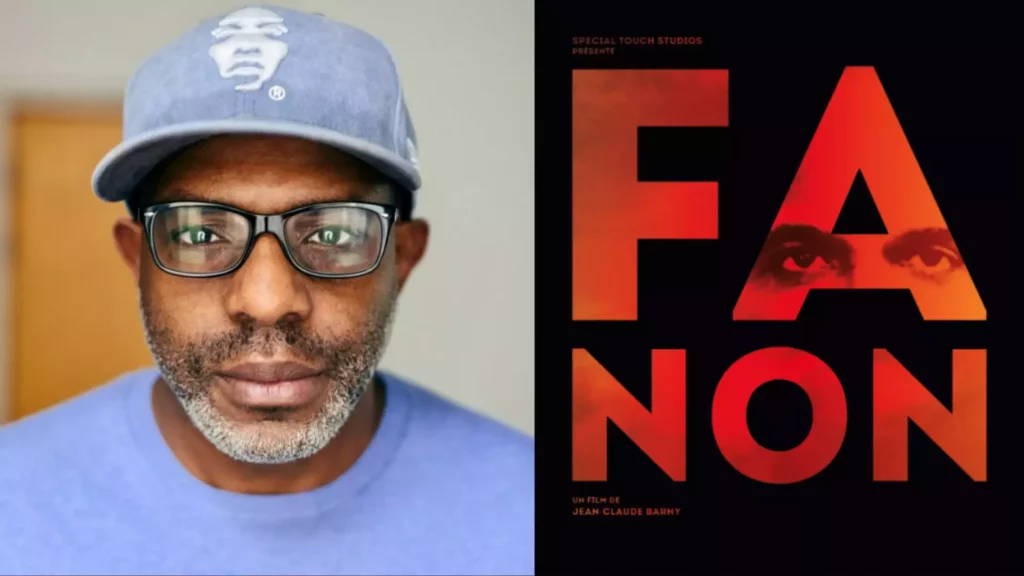
Caribbean cinema has always been a powerful vector of cultural and social expression. With the worldwide screening of Fanon the latest film by Guadeloupean director Jean-Claude Barny, at the Marrakech International Film Festival, gives new impetus to this tradition. The film, which explores the life and work of Frantz Fanon an emblematic figure of anti-colonialism and anti-racism, is part of a universal approach that transcends cultural and geographical boundaries.

The Life and Legacy of Frantz Fanon

Born in Martinique in 1925, Frantz Fanon is best known for his major contributions to anti-colonial theory and psychology. His work, notably “Black skin, white mask.” His work had a considerable impact on liberation movements around the world. He died on December 6, 1961 and left behind a complex legacy of powerful ideas on identity, alienation and the struggle for freedom.

In “Fanon” Jean-Claude Barny takes on the arduous task of capturing this complex thought on screen. The film is not just a biopic, but a true mirror held up to our contemporary societies. Through an immersive narrative and evocative images, it invites viewers to plunge into the mind of a man whose ideas still resonate today in the face of persistent structural inequalities.

A Festival of Recognition

The world premiere of “Fanon” at the Marrakech International Film Festival, which runs from November 29 to December 7, 2024, coincides with the 63rd anniversary of the death of Frantz Fanon. This selection from a rich competition of 32 countries underlines the importance of this film in the global cinematic landscape. The festival, renowned for its commitment to cultural diversity, provides an ideal platform for this ambitious project.

Jean-Claude Barny, delighted by this recognition, said that “the selection of Fanon at the Marrakech festival is an incredible opportunity for its international potential”. This film, which tackles universal themes, is an invitation to reflect on past and present struggles, while inspiring future generations.

An Exploration of Alienation and Universalism

It tackles complex themes such as alienation and universalism. Jean-Claude Barny, in a recent interview, stressed the importance of these concepts, particularly for West Indies who have long faced the pressures of cultural assimilation. Bringing these themes to the screen is a challenge Barny has taken up brilliantly, using dreamlike imagery and a thoughtful narrative.

Fanon
Jean-Claude Barny. Source : Fanon

The film also sets out to question notions of integration and alienation, subjects often neglected in contemporary sociological discussions. Barny emphasizes that “this film allows others to think about why we don’t want this thing”, and that cinema has an essential role to play in these debates.

An international team and an ambitious shoot

The making of this series required an international team and a variety of shooting locations, from Luxembourg to Tunisia, via Martinique and Canada for post-production. This international dimension was essential for the filmmaker, who sought to broaden the horizons of Caribbean cinema by opening up to new sources of funding and collaboration.

At a time when streaming is redefining the frontiers of cinema, Jean-Claude Barny believes that “Caribbean cinema has much more comfortable days ahead if it looks to other forces, other centers that call to us: Europe, the United States, the Caribbean”. This paradigm shift is crucial to the development and sustainability of cinema in the region.

An Inspiring Cast

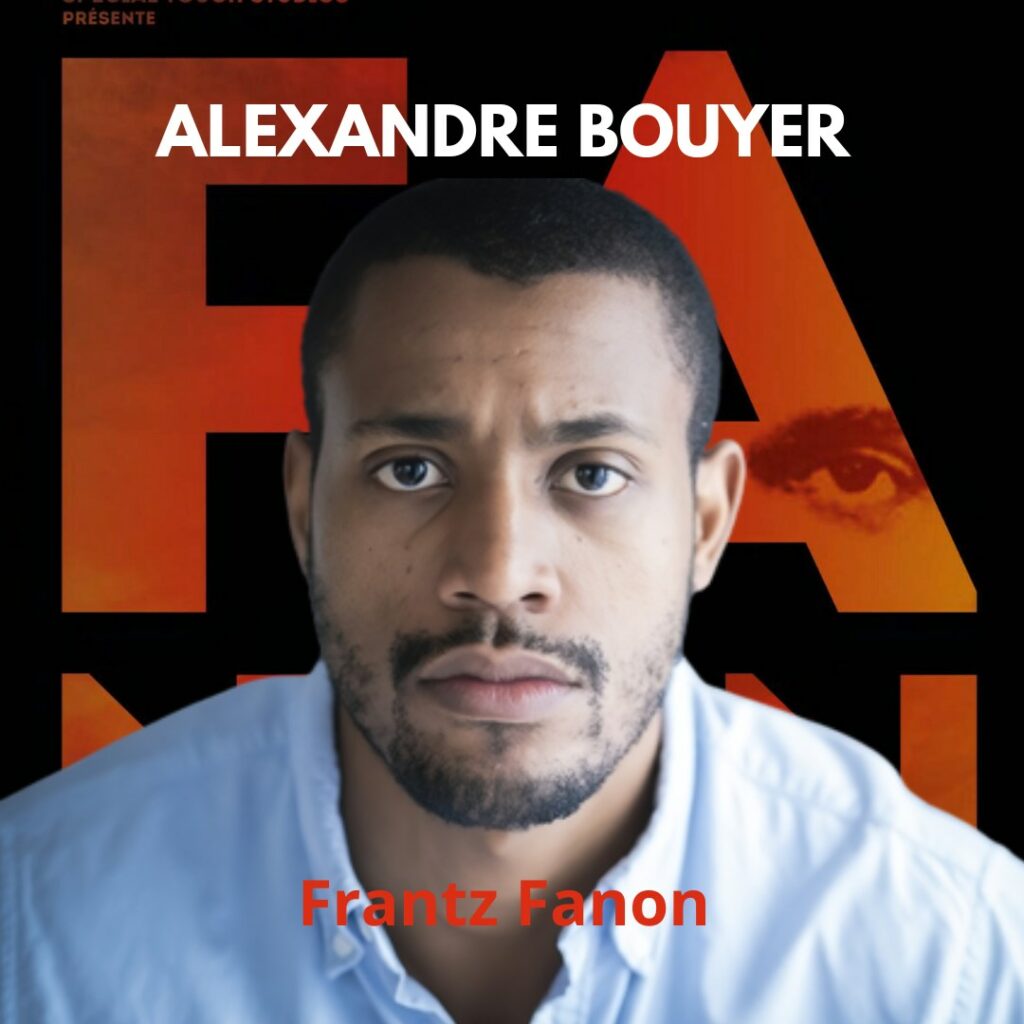
To embody Frantz Fanon Barny chose French-Cameroonian actor Alexandre Bouyer, whose father was originally from Martinique. This decision is not insignificant: Bouyer brings depth and authenticity to the character, allowing us to explore his nuances. In his own words, Bouyer describes the challenge of embodying such an emblematic figure: “It’s a role that means a lot to an entire generation and to a continent. It’s quite a heavy responsibility.

This casting choice demonstrates Barny’s commitment to creating a film that is both authentic and respectful of Fanon’s legacy. By creating space for diverse voices and featuring actors who understand the richness of this story, the film becomes a true tribute to his impact.

Fanon
ALEXANDRE BOUYER.
Fanon
L'acteur : NICOLAS BUCHOUX.
Fanon
L'acteur : NICOLAS
Fanon
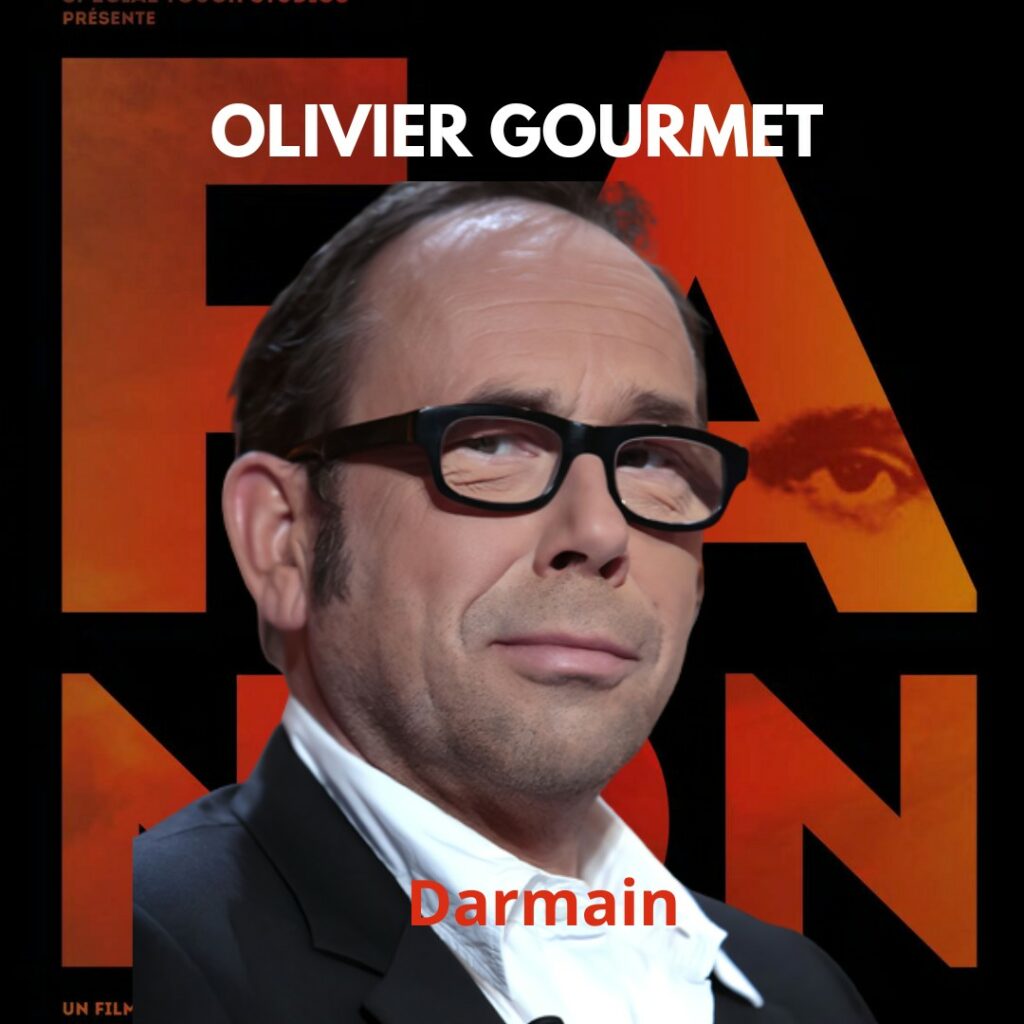
L'acteur : OLIVIER GOURMET.
Fanon
L'acteur : OLIVIER GOURMET.
Fanon
L'actrice : DÉBORAH FRANÇOIS.
Fanon
L'acteur : ALEXA.
Fanon
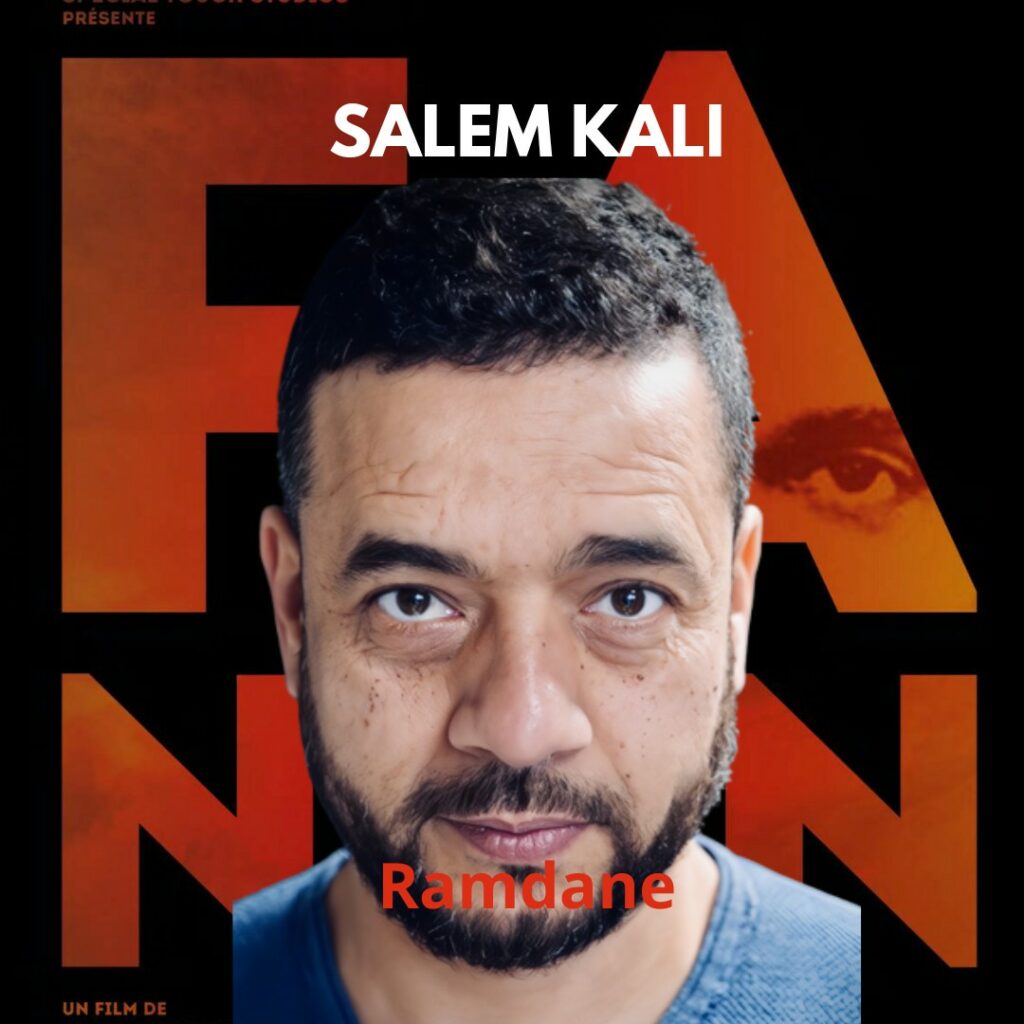
L'acteur : SALEM KALI.
Fanon
L'acteur : SALEM KALI.
Fanon
L'actrice : SALOMÉ PARTOUCHE.

With “Fanon”Jean-Claude Barny’s cinematic work transcends borders, inviting audiences to reflect on essential issues of identity, culture, and the struggle for freedom. This film, which will have its world “premiere” at the Marrakech International Film Festival, marks a turning point in Caribbean cinema, underlining the importance of cultural and social engagement on a global scale. “Fanon” is not just a film; it’s a call to action, a reflection on our past, and an inspiration for future struggles.

One Response

Leave a Reply

Your email address will not be published. Required fields are marked *

More articles from RK

Bonaire salt marshes: pink ponds and white salt mountains in the south of the island
HISTORY & HERITAGE
Tolotra

Bonaire: 3,700 hectares of salt marshes conceal a history of slavery

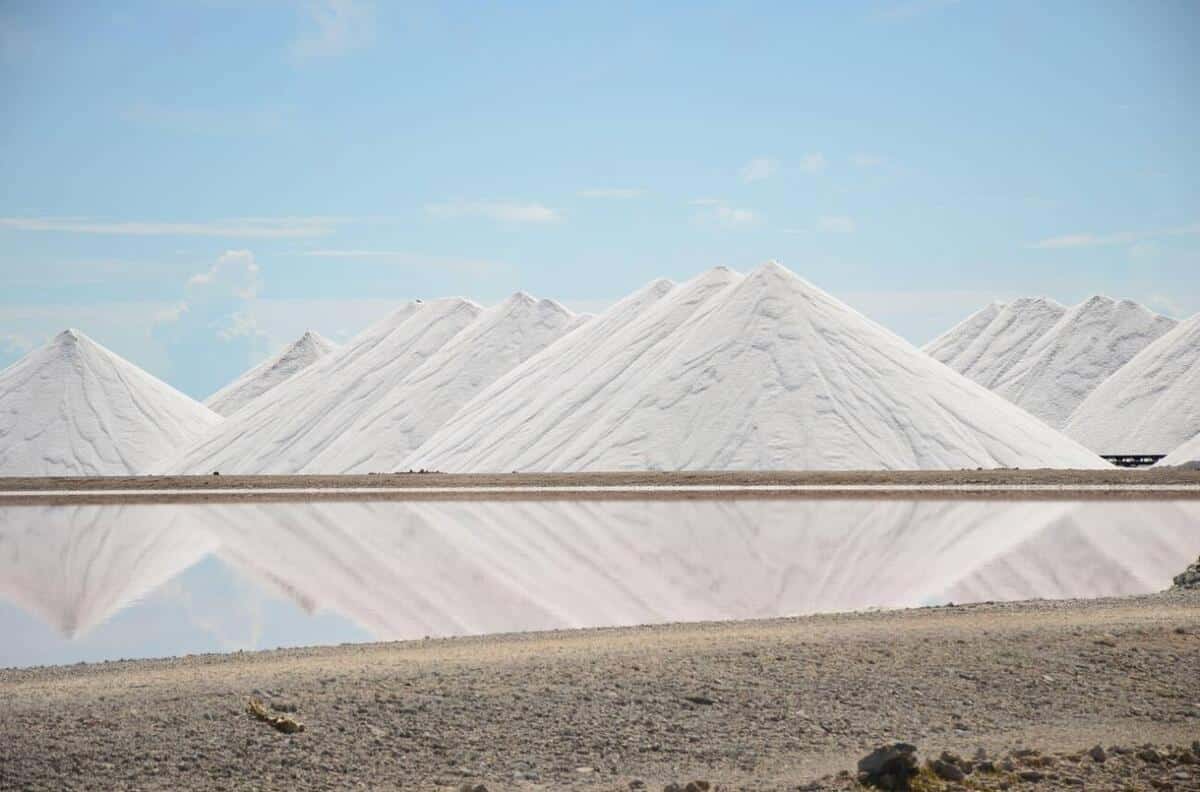
At the southern tip of Bonaire, a Dutch-speaking island in the Caribbean, the salt marshes stretch out in pink and white basins across nearly 3,700 hectares—thirteen percent of the island’s total area. This postcard view, photographed every year by thousands of visitors from the coastal road, hides a history dating back more than five centuries, the story of salt that shaped Bonaire’s economy and, for two hundred years, the lives of hundreds of enslaved people. Along EEG Boulevard, which runs along the southern coast of Bonaire, mountains of white salt come into view kilometers before you reach them. Each contains about 10,000 metric tons of salt that is 99.6% pure, piled nearly 15 meters high, with up to 200,000 metric tons stored at any given time. Their whiteness, so intense that you need to keep sunglasses handy, stands in stark contrast to the pink of the neighboring pools. The salt
Read More »
Journées européennes du patrimoine 2026
EVENT MANAGEMENT
Tolotra

European Heritage Days 2026: Martinique Opens Its Archives.

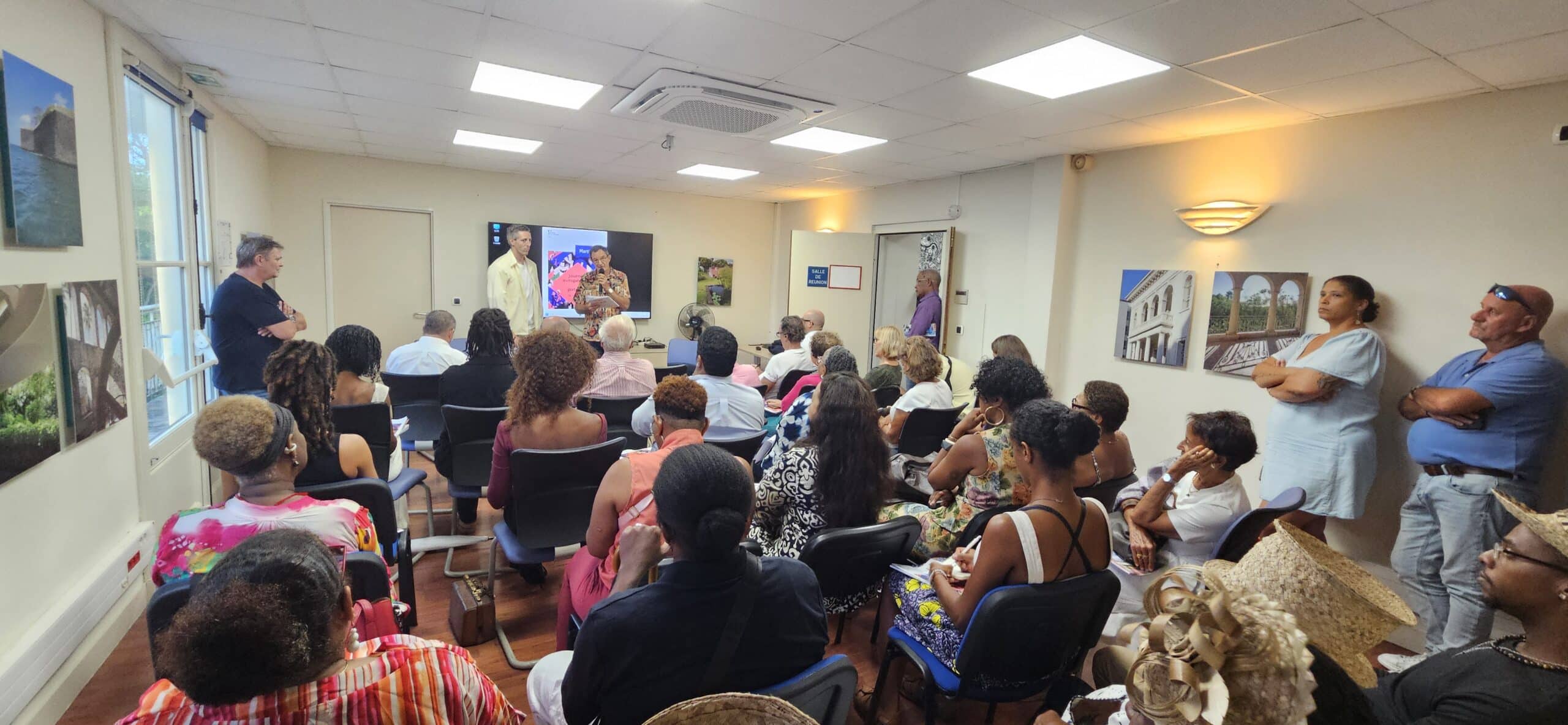
On September 15, at 5 p.m., the conference room of Martinique’s Cultural Affairs Department is already packed. Journalists, cultural leaders, organizations, artists, and heritage professionals have gathered to find out what the 43rd edition has in store. With just four days to go before the 2026 European Heritage Days , scheduled for September 19 and 20, this press conference already feels like a journey across Martinique—from its Creole huts to its lighthouses, from Saint-Pierre to the monuments we sometimes pass by without really noticing them. European Heritage Days 2026: A Lively Conference Johan-Hilel Hamel, Martinique’s director of cultural affairs, opened the meeting without putting on airs. He even warned that the evening would not be a long monologue. The conversation quickly began to flow. A representative from Les Trois-Îlets speaks, followed by Xavier Nicolas from the Directorate of the Sea, Philippe Villard from the Heritage Foundation, Florence Le Gal from
Read More »
caribbean cinema
FILM & VIDEO
Tolotra

S3/10 – Stories of Caribbean Cinema: Two Perspectives on the Year 1980. Texts by Guillaume Robillard. Ciclic, 2026.

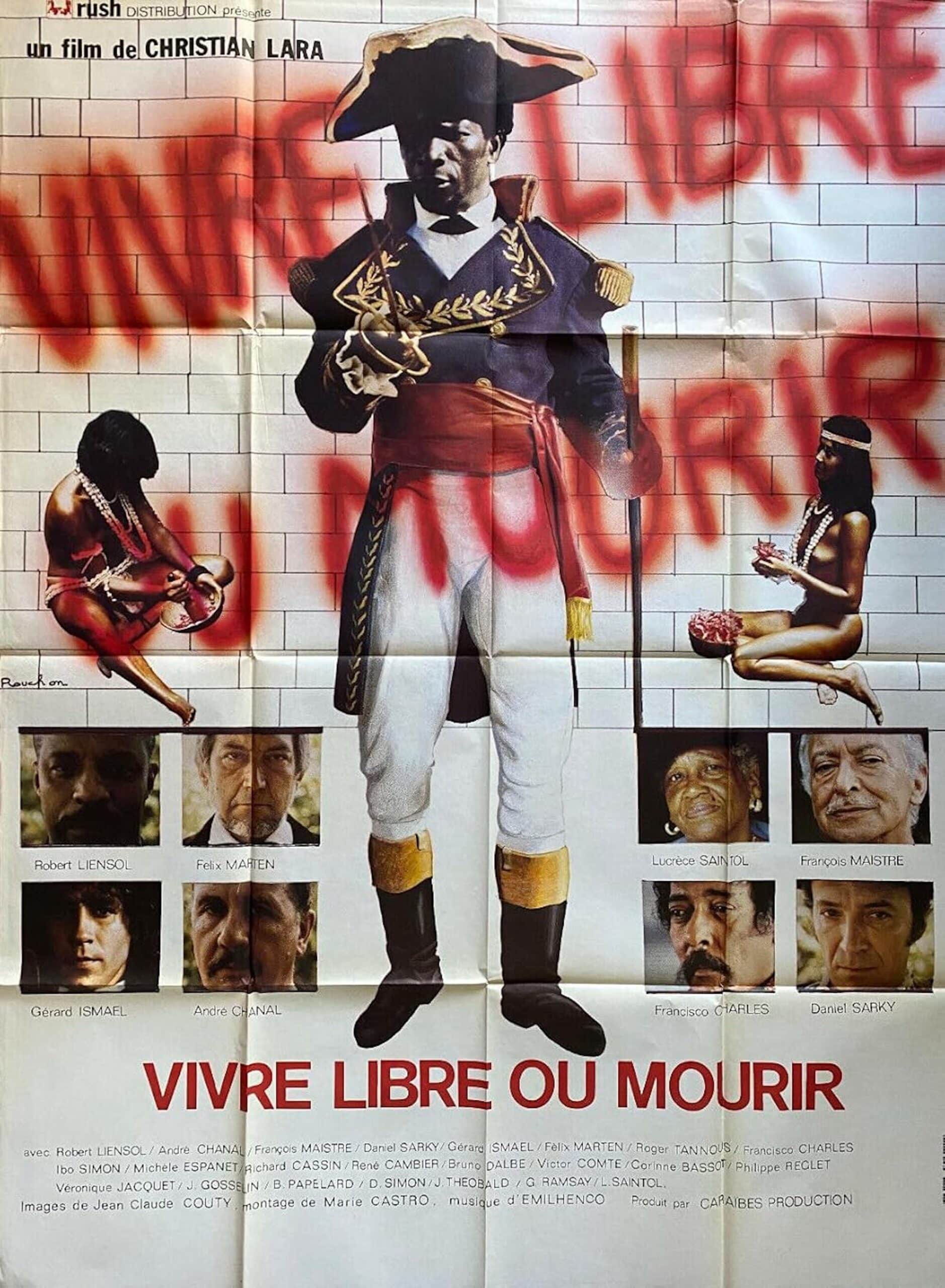
With this third episode, *Stories of Caribbean Cinema* moves into the 1980s. The first two installments covered Cuba, Jamaica, Trinidad and Tobago, and Guadeloupe, from the 1960s through the emergence of Caribbean cinema. This time, two films made in the same year take radically different directions. In Jamaica, *Children of Babylon* explores romantic, sexual, and racial relationships with unusual freedom. In Guadeloupe, *Live Free or Die* draws on several centuries of history centered on the legacy of Commander Ignace. This article is the third installment in a series of ten. Two installments have already been published, and seven more will follow in this chronology of Caribbean cinema. 1980: JAMAICA – “CHILDREN OF BABYLON”, BY LENNIE LITTLE-WHITE This film is unique in Jamaican cinema and, more broadly, in Caribbean cinema as a whole. Far from the social deprivation of Kingston’s ghettos, in a villa in the countryside (complete with a swimming

Read More »

conTACT RK

we'd love to have your feedback on your experience so far

Join The List

Join our Richès Karayib community!  Sign up for our newsletter.

Want To Maximize Your Business Presence On Riches Karayib?

Complete the form to start the application