Paris Noir : An artistic immersion at the Pompidou Center

Paris Noir

The exhibition Paris Noir will be a major cultural event in 2025. From March 19 to June 30, the ย Pompidou center is highlighting an often overlooked dimension of artistic history: the influence of Afro-descendant artists in Paris between 1950 and 2000. Nearly 400 works and documents showcase the work of 150 artists from Africa, the Americas and the Caribbean, some of whom have never before been exhibited in France. This retrospective highlights the role of the French capital as a place of resistance and transformation for contemporary artistic currents.

A historiographical challenge met

The exhibition Paris Noir undertakes the task of documenting and presenting an often marginalized artistic history. From the creation of the magazine Prรฉsence Africaine in 1947 to the distribution of Revue Noire in the 1990s, it traces half a century of expression and affirmation in Paris. In the face of scattered works and gaps in research, this initiative is an essential memorial contribution.

This chronological journey coincides with major historical events: African independence, the fall of apartheid in South Africa and the struggle for civil rights. The Paris Noir exhibition links these political contexts with artistic creation, highlighting the role of art as an instrument of resistance and identity affirmation.

Paris, refuge and creative crossroads


For artists such as Gerard Sekoto, whose self-portrait marks the entrance to the exhibition, or Beauford Delaney and his abstract compositions, Paris was a refuge from segregation, apartheid and political censorship. The city became a unique space for artistic and intellectual interaction, fostering encounters between creators from different horizons.

The diversity of practices, ranging from identity awareness to the search for new plastic expressions, bears witness to this dynamic. Paris Noir highlights how these artists have enriched artistic currents and opened up new aesthetic perspectives.

Paris Noir
Gerard Sekoto, ยซ Self-portrait ยป, 1947 - The Kilbourn Collection - ยฉ Estate of Gerard Sekoto/Adagp, Paris, 2025 - Photo ยฉ Jacopo Salvi
Paris Noir
Estate of Beauford Delaney, by permission of Derek L. Spratley, Esquire, Court Appointed Administrator, Courtesy of Michael Rosenfeld Gallery LLC, New York

From anti-colonialism to artistic affirmation

The title Paris Noir reveals a central political dimension. The exhibition places the works in the context of anti-colonial and post-colonial struggles. From the magazine African presence to the Revue Noires show how these publications contributed to the recognition of Afro-descendant artists.

The archives, photographs and films on display illustrate how art has served as a means of expression in societies marked by colonial legacies.

Exceptional creative diversity


The exhibition highlights emblematic figures such as Wifredo Lam and Roseman Robinot, as well as lesser-known artists such as Christian Lattier and Guido Llinas. It reveals paths and influences that are still little explored in France.

The majority of the works on display have never before been shown in the country. Drawn from public and private collections, they have been brought together thanks to in-depth research. Paris Noir offers a fresh look at the contributions of Afro-descendant artists to modern art.

Paris Noir
ยฉ SDO Wifredo LAM-DR, Adagp
Roseman Robinot
Le Grand Livre de la Patience

A scenography at the service of memory


The exhibition revolves around a central installation representing the Black Atlantic, evoking transatlantic cultural circulations and interactions. This space puts into perspective how Paris became a place of convergence for these artists.

Contemporary installations by Valรฉrie John, Nathalie Leroy Fiรฉvee, Jay Ramier and Shuck One enrich the itinerary and resonate with the themes addressed.

A Parisian base

The exhibition unfolds a never-before-seen cartography of Paris, highlighting the places that saw the birth of this artistic effervescence. Montparnasse, Saint-Germain-des-Prรฉs and the Goutte d’Or emerge as spaces of creation and interaction.

A historical and cultural impact

Paris Noir highlights the French capital’s role as a pan-African laboratory for artistic expression. Institutions such as the ร‰cole des Beaux-Arts contributed to the recognition of African, American and Caribbean artists, who participated in the redefinition of modernism and postmodernism.

The exhibition focuses on art as a form of resistance to postcolonial realities. It features committed works that bear witness to the struggle for independence and against racial discrimination.

A Paris-wide event

A number of Parisian galleries will be presenting exhibitions in connection with Paris Noir. Among them, Galerie Clรฉmentine de la Fรฉronniรจre will present works by George Hallett, William Melvin Kelley and James Barnor from March 19 to May 17, 2025. Galerie Hauser & Wirth will be showing collages by Frank Bowling until May 25.

L’Archipel cinema, the Maison Europรฉenne de la Photographie and other institutions will be organizing film screenings and meetings with art historians and critics.

Practical information

The exhibition Paris Noir will be held at the Pompidou center from March 19 to June 30, 2025, from 11am to 9pm, except Tuesdays and May 1st. Tickets are available online or on site, with reduced rates for certain audiences. Guided tours and audio guides are also available.

Leave a Reply

Your email address will not be published. Required fields are marked *

More articles from RK

Bonaire salt marshes: pink ponds and white salt mountains in the south of the island
HISTORY & HERITAGE
Tolotra

Bonaire: 3,700 hectares of salt marshes conceal a history of slavery

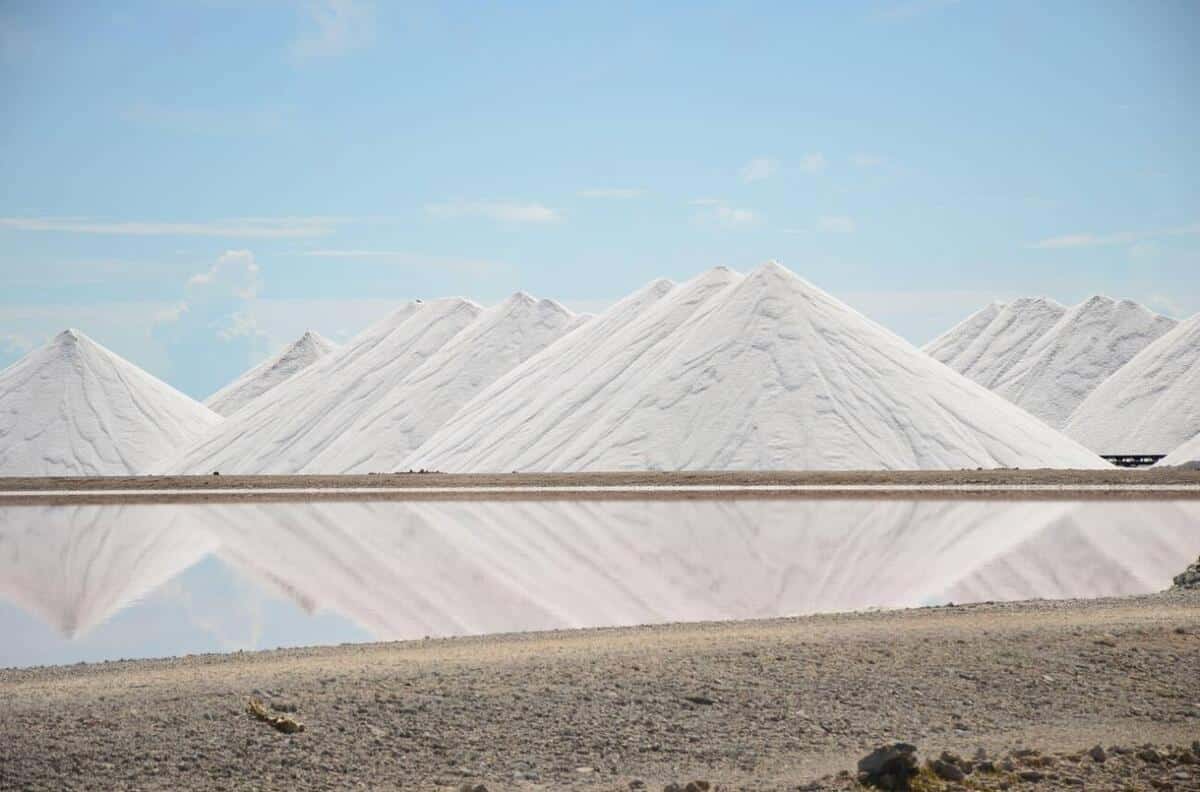
At the southern tip of Bonaire, a Dutch-speaking island in the Caribbean, the salt marshes stretch out in pink and white basins across nearly 3,700 hectaresโ€”thirteen percent of the islandโ€™s total area. This postcard view, photographed every year by thousands of visitors from the coastal road, hides a history dating back more than five centuries, the story of salt that shaped Bonaireโ€™s economy and, for two hundred years, the lives of hundreds of enslaved people. Along EEG Boulevard, which runs along the southern coast of Bonaire, mountains of white salt come into view kilometers before you reach them. Each contains about 10,000 metric tons of salt that is 99.6% pure, piled nearly 15 meters high, with up to 200,000 metric tons stored at any given time. Their whiteness, so intense that you need to keep sunglasses handy, stands in stark contrast to the pink of the neighboring pools. The salt
Read More ยป
Journรฉes europรฉennes du patrimoine 2026
EVENT MANAGEMENT
Tolotra

European Heritage Days 2026: Martinique Opens Its Archives.

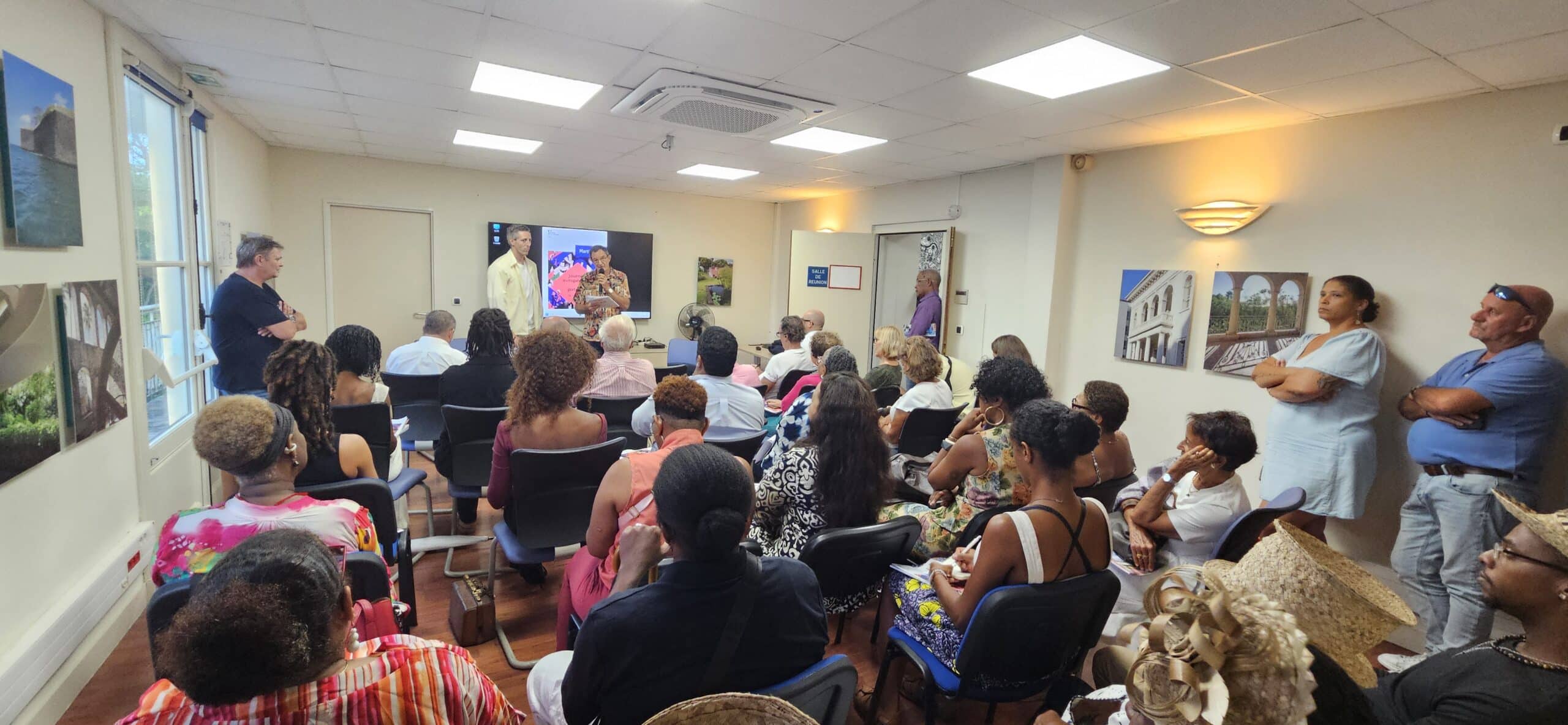
On September 15, at 5 p.m., the conference room of Martiniqueโ€™s Cultural Affairs Department is already packed. Journalists, cultural leaders, organizations, artists, and heritage professionals have gathered to find out what the 43rd edition has in store. With just four days to go before the 2026 European Heritage Days , scheduled for September 19 and 20, this press conference already feels like a journey across Martiniqueโ€”from its Creole huts to its lighthouses, from Saint-Pierre to the monuments we sometimes pass by without really noticing them. European Heritage Days 2026: A Lively Conference Johan-Hilel Hamel, Martiniqueโ€™s director of cultural affairs, opened the meeting without putting on airs. He even warned that the evening would not be a long monologue. The conversation quickly began to flow. A representative from Les Trois-รŽlets speaks, followed by Xavier Nicolas from the Directorate of the Sea, Philippe Villard from the Heritage Foundation, Florence Le Gal from
Read More ยป
caribbean cinema
FILM & VIDEO
Tolotra

S3/10 โ€“ Stories of Caribbean Cinema: Two Perspectives on the Year 1980. Texts by Guillaume Robillard. Ciclic, 2026.

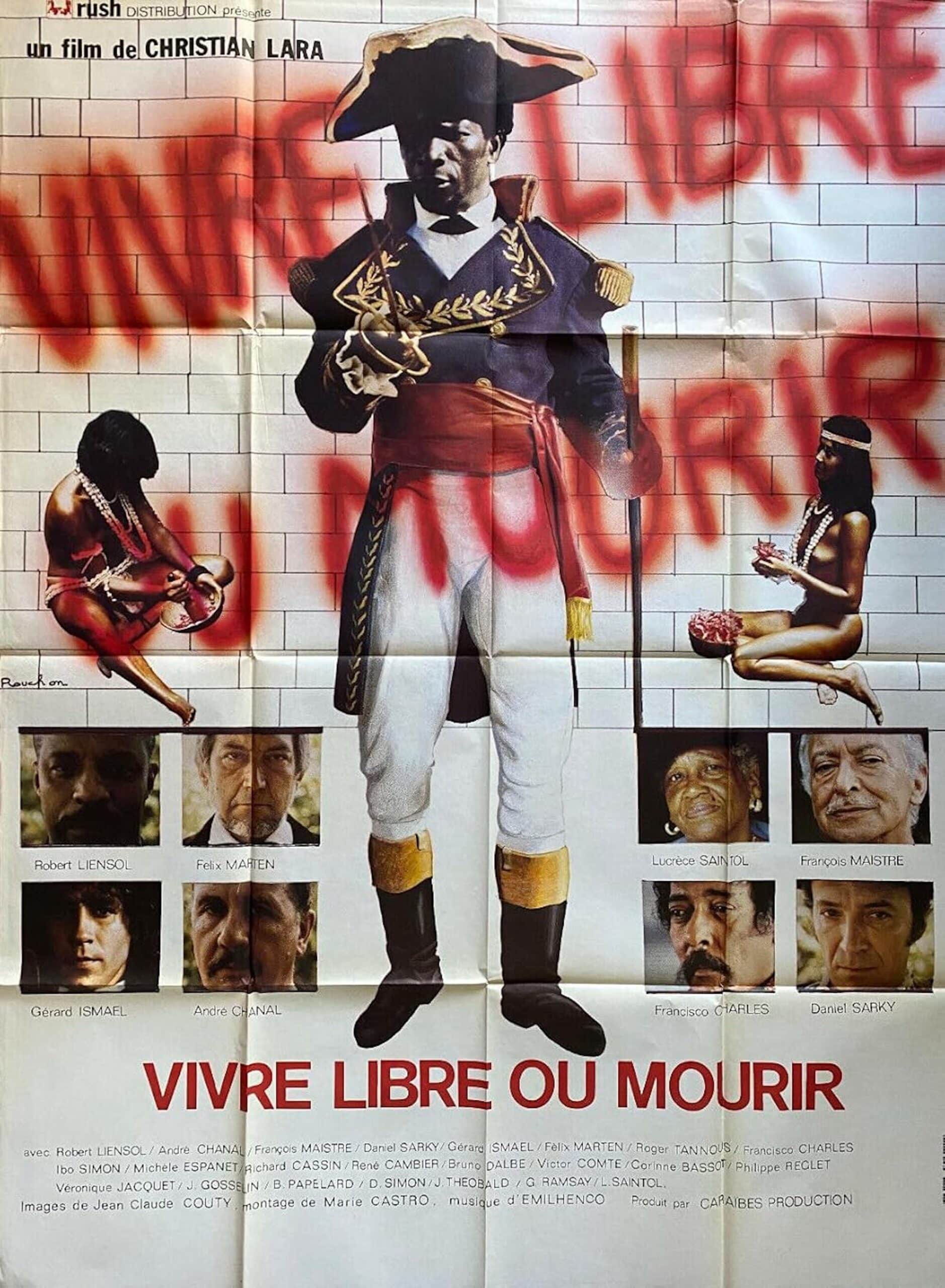
With this third episode, *Stories of Caribbean Cinema* moves into the 1980s. The first two installments covered Cuba, Jamaica, Trinidad and Tobago, and Guadeloupe, from the 1960s through the emergence of Caribbean cinema. This time, two films made in the same year take radically different directions. In Jamaica, *Children of Babylon* explores romantic, sexual, and racial relationships with unusual freedom. In Guadeloupe, *Live Free or Die* draws on several centuries of history centered on the legacy of Commander Ignace. This article is the third installment in a series of ten. Two installments have already been published, and seven more will follow in this chronology of Caribbean cinema. 1980: JAMAICA โ€“ “CHILDREN OF BABYLON”, BY LENNIE LITTLE-WHITE This film is unique in Jamaican cinema and, more broadly, in Caribbean cinema as a whole. Far from the social deprivation of Kingstonโ€™s ghettos, in a villa in the countryside (complete with a swimming

Read More ยป

conTACT RK

we'd love to have your feedback on your experience so far

Join The List

Join our Richรจs Karayib community! ย Sign up for our newsletter.

Want To Maximize Your Business Presence On Riches Karayib?

Complete the form to start the application