The abolition of slavery in Guadeloupe was proclaimed on May 27, 1848. Every year, the Day of Remembrance is a searing reminder of the freedom won through bloodshed and resistance. This major date marks a turning point in the history of the West Indies: the end of a system founded on the slave trade, the dehumanization and oppression of almost 87,000 women, men and children.
This moment is no mere administrative milestone; it embodies the culmination of centuries of struggle waged by the enslaved, the maroons, the insurgents, and all those who refused to live on their knees. Understanding the abolition of slavery in Guadeloupe. The abolition of slavery in Guadeloupe also means recognizing that this freedom was never granted, but rather snatched away.
Two centuries of servitude: the foundations of a colonial system
The plantation, the economic pillar of the colony
Since its colonization by France in 1635, Guadeloupe became a plantation colony entirely dependent on the Atlantic slave trade. The production of sugar cane, which exploded in the 17th century, transformed the archipelago into the nerve center of colonial trade, based on the exploitation of an African slave labor.
In the holds of slave ships, thousands of men and women were torn from their lands, chained and crammed together. Many preferred to throw themselves into the sea rather than suffer their fate. On land, plantations became places of terror: forced labour, sexual violence, mutilation, deprivation. The historian Marie-Hélène Léotin reminds us that slaves lived in a world of daily violence where “death sometimes seemed like deliverance”.

Heroic resistance: Delgrès, Ignace, Solitude
Louis Delgrès and the 1802 ultimatum
Faced with Napoleon Bonaparte’s attempt to re-establish slavery Napoleon Bonaparte in 1802, Louis Delgrès, a free officer of color, organized the resistance. On May 10, he wrote his now-legendary appeal: “Live free or die.
On May 28, 1802, surrounded by his companions at Matouba Delgrès refused to surrender and blew up the powder magazine. His sacrifice became one of the most emblematic acts of the struggle for freedom, inscribed in Guadeloupe’s collective memory.

Joseph Ignace and the Baimbridge confrontation
A few days earlier, Joseph Ignace, another insurgent officer, fell to his death at Baimbridge in a desperate attempt to repel French troops who had come to re-establish slavery. His bravery left a lasting impression.

Solitude: a symbol of insubordination
Among these faces of resistance, Solitude, a fighter of African origin, also features in this tragic epic. Captured while pregnant, she was executed in November 1802, the day after giving birth. Her fate embodies the struggle of enslaved women, often invisible, but just as decisive.
May 27, 1848: a tense historic turning point
The abolition decree was signed in Paris on April 27, 1848 by the provisional government of the Second Republic, led by Victor Schœlcher and the Emancipation Commission. The text provides for immediate abolition in all French colonies, but implementation takes time.
In Martinique, an insurrection broke out on May 22nd leading to early abolition. Fearing contagion in Guadeloupe, the governor Jean-François Layrle proclaims the abolition of slavery in Guadeloupe on May 27, 1848 without waiting for the official decree to arrive. His decision, dictated more by circumstances than by a humanist will, extinguished a social powder keg ready to ignite.
On that day, about 87,000 people regain their freedom. The abolition of slavery in Guadeloupe became a reality, the result of popular pressure, the geopolitical context and age-old resistance.


A living memory: ceremonies and current issues
The Guadeloupe memorial calendar
Since 1983, the May 27 is a public holiday in Guadeloupe. In Basse-Terre, an official ceremony was held at Fort Delgrès, with speeches, concerts, lectures, and artistic performances.
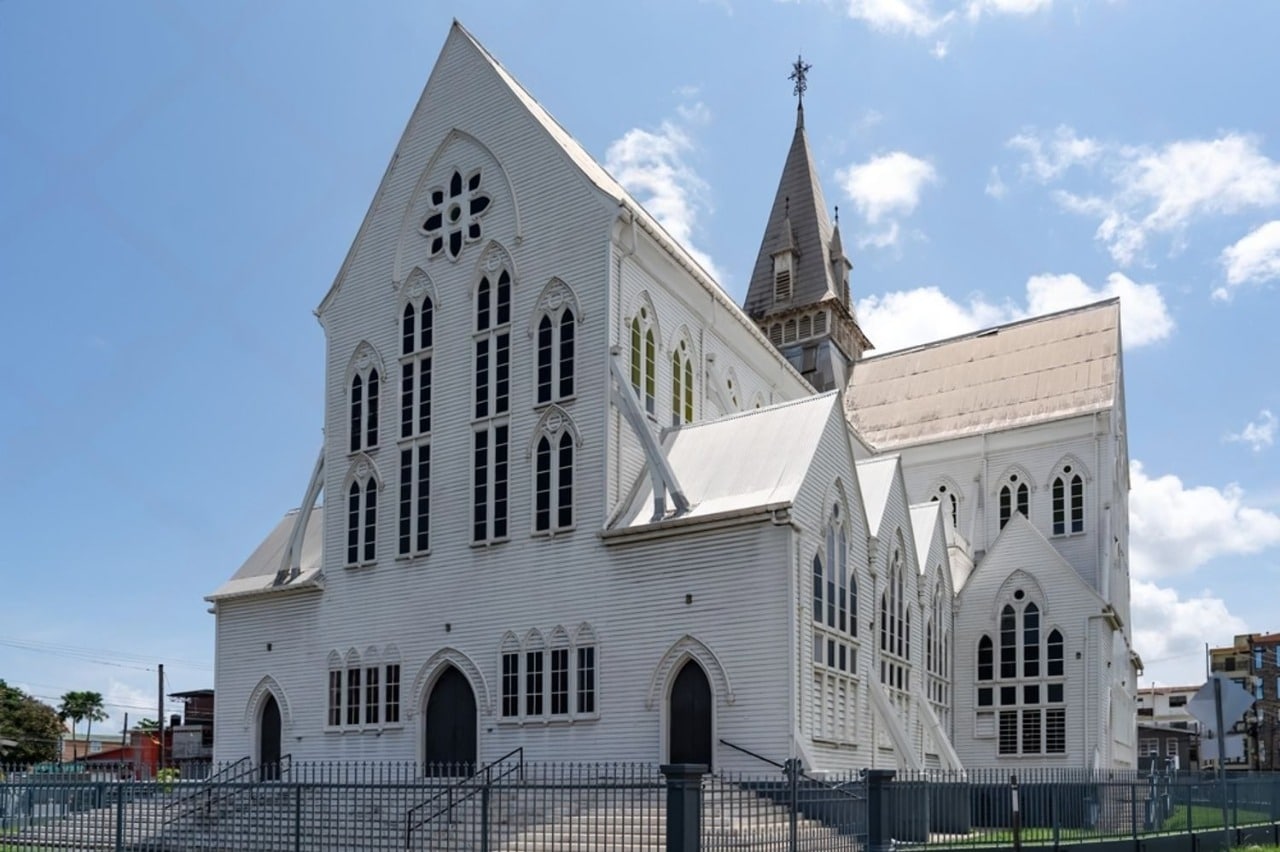
À Pointe-à-Pitre, a mass is celebrated at Saint-Pierre-et-Saint-Paul church, often presided over by Bishop Philippe Guiougou in memory of the victims of slavery. This solemn moment extends the memory of the abolition of slavery in Guadeloupe in a spiritual setting.
The Mémorial ACTe: transmission and reflection
Just a stone’s throw from the historic slave port of Pointe-à-Pitre, the ACTe Memorial is the beating heart of this memory. Its black, root-like architecture symbolizes both suffering and resilience. May 10, 2025, as part of the National Day of Remembrance of the slave trade. A ceremony was held there, testifying to the interweaving of local memory and global history. The abolition of slavery in Guadeloupe occupies a central place in the permanent exhibitions and sensory trails.
The LKP and the fight against colonial legacies
The collective Liyannaj Kont Pwofitasyon (LKP) organizes its annual “maché pou sonjé / maché pou lité” event. This march, both commemorative and protest, reminds us that the effects of slavery are not confined to the past: economic inequality, access to land, discrimination remain current struggles linked to the legacy of the abolition of slavery in Guadeloupe.


Critical memory: beyond the Schœlcher myth
For a long time, the story of abolition was told through the prism of Schœlcher often glorified. But contemporary historians insist on the need to rebalance memory. As suggested by Aimé Césaire. Schœlcher is only meaningful if we also recognize the decisive role played by the slaves themselves: without their resistance, no decree would have had any impact. This critical approach helps us to better understand the abolition of slavery in Guadeloupe.
The recent controversy surrounding Schœlcher statues reminds us that this memory remains contested and debated – and that’s where its strength lies. It questions the present as much as it illuminates the past.
The abolition of slavery in Guadeloupe is more than a historical event. It is a active memorya reminder of what it means to conquer one’s dignity. Every May 27, to the sound of the drums of the “kout tanbou”, Guadeloupe honors its heroes: Delgrès, Ignace, Solitude.
But it also questions its contemporary challenges. For a people who know their past are better equipped to transform your future. It is here, beyond commemoration, that the true power of this date lies: in a commitment never to forget – and to continue the fight for justice.