
Caribbean-American Heritage Month: promoting the diaspora to strengthen the Caribbean economy

Chaque année en juin, le Caribbean-American Heritage Month rappelle l’importance historique, culturelle et économique de la diaspora....

Every June, Caribbean-American Heritage Month commemorates the historical, cultural and economic importance of the Caribbean diaspora in the United States. More than a commemoration, this federal initiative, officially launched in 2006, is gradually becoming a catalyst for transatlantic cooperation, entrepreneurial innovation and regional dynamism. The 2025 edition illustrates this evolution by combining memory, culture and economic strategies.

A multi-faceted commemoration

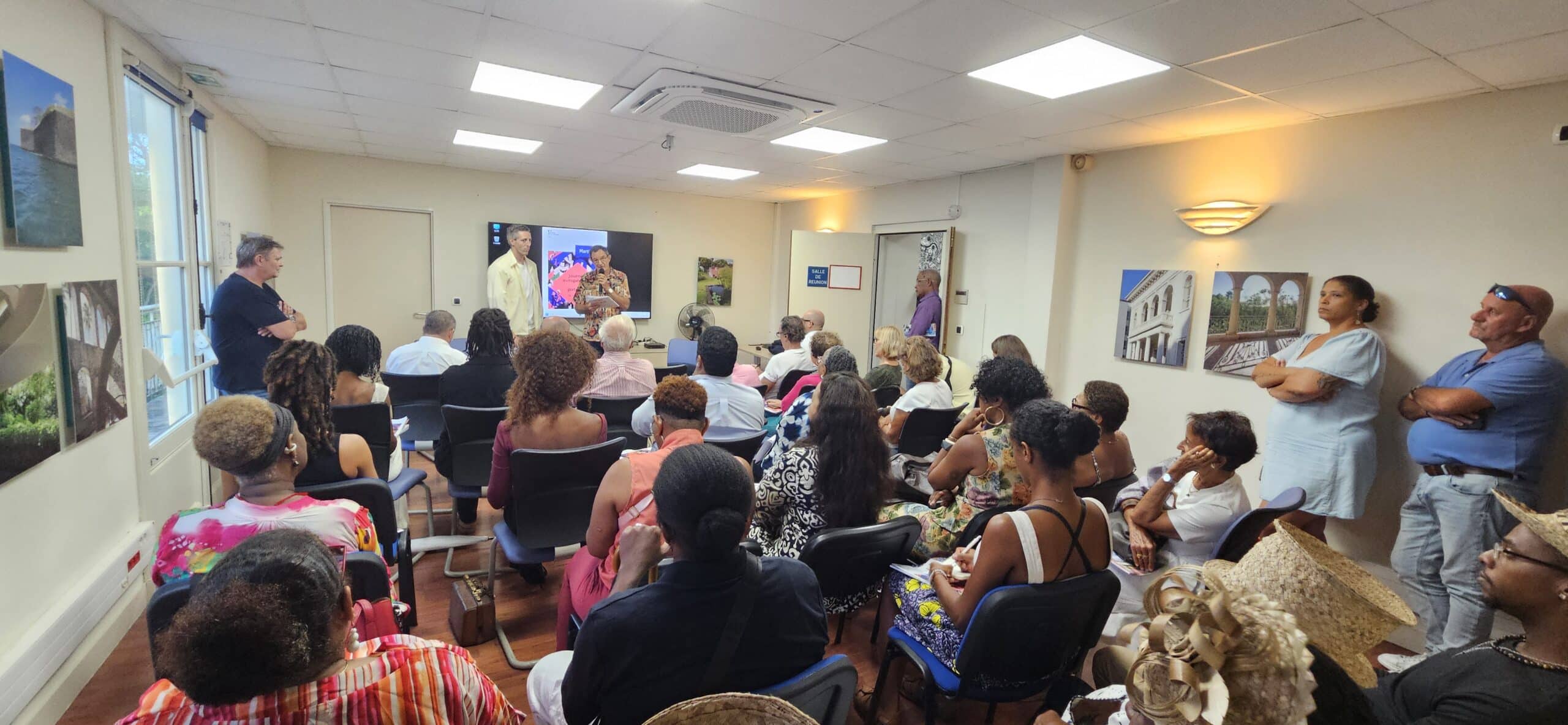
From June 1, the official launch of Caribbean-American Heritage Month sets the tone. Throughout the month, a series of events is organized across the United States, highlighting the contribution of Caribbean people to American society and the opportunities for collaboration between the diaspora and Caribbean countries. The month is also a time to recognize the millions of Caribbean descendants living in North America.

Caribbean-American Heritage Month

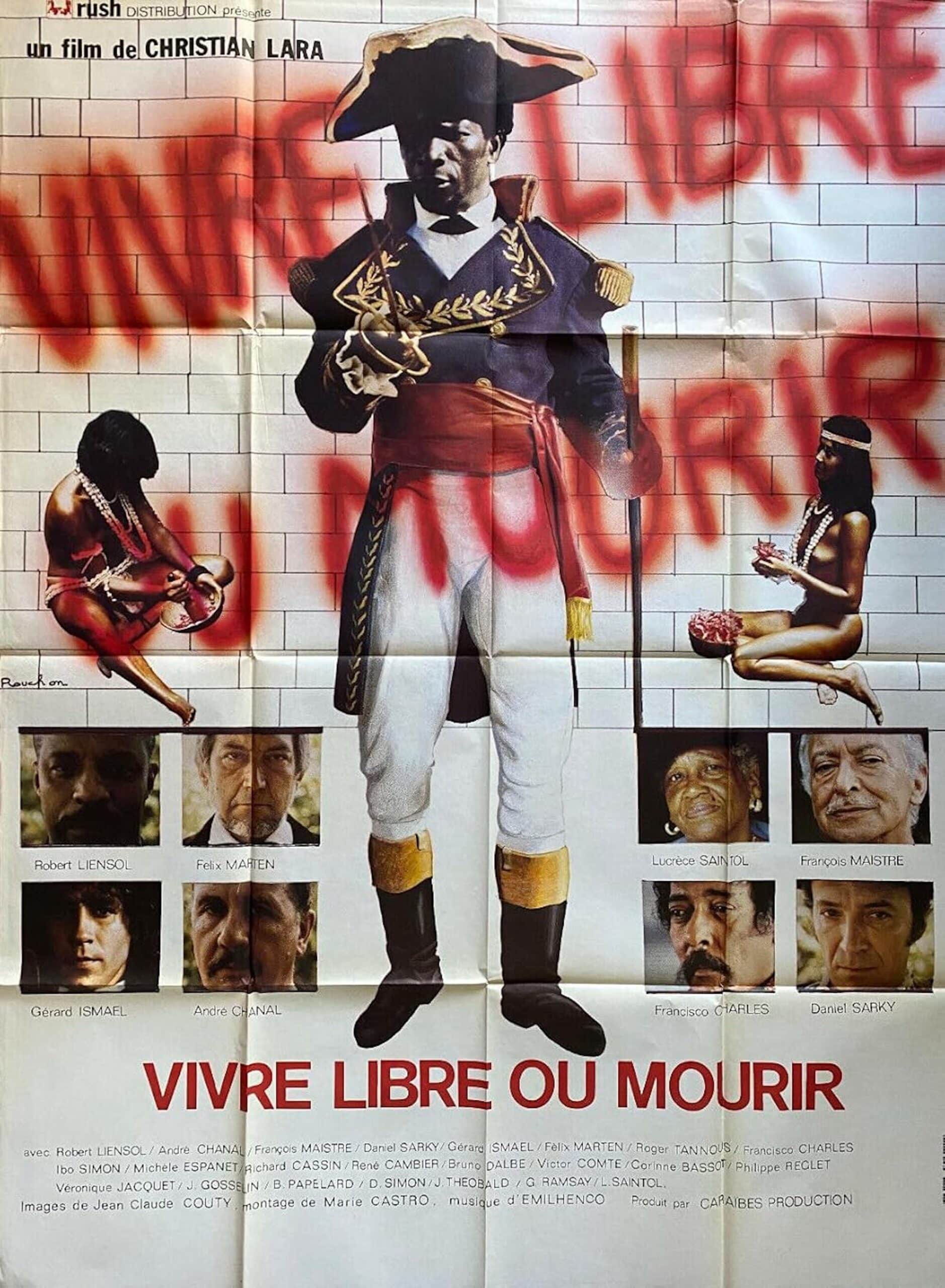
One of the most eagerly awaited events is the DC Caribbean Film Festival, to be held from June 6 to 12 at Washington’s AFI Silver Theatre. Through a selection of films produced in the region or directed by filmmakers from the diaspora, this festival offers a cinematic immersion in the plurality of Caribbean identities.

Caribbean-American Heritage Month

Another flagship event is the “Book Bankra” literary discussions, scheduled for every Tuesday in June, with the presentation of 30 works by Caribbean authors. These online gatherings provide an opportunity to discover new voices, debate regional social issues, and create a Caribbean-American Heritage Monthespace for dialogue between generations and territories.

Caribbean-American Heritage Month

In Providence, Rhode Island, a major cultural festival will take place on June 21. Music, gastronomy, arts and crafts: everything will come together to celebrate the richness of island traditions. Similar events will be held in New York, notably in neighborhood libraries, with STEAM workshops, readings, performances and artistic encounters.

Caribbean-American Heritage Month

A diaspora driving growth

Caribbean-American Heritage Month also serves as a reminder of the economic weight of the diaspora. For example, financial transfers sent by Haitians living in the United States exceed $1.5 billion a year. These sums support the local economy far beyond international aid. They support housing, schooling, healthcare and sometimes even investment in local businesses.

But the diaspora’s contribution is not limited to sending money. It plays an essential role in the transfer of skills and knowledge. Thousands of Caribbean graduates from North American universities are applying their expertise in fields as varied as medicine, technology, engineering and culture. This human capital represents a major asset for island states often faced with a brain drain.

Caribbean-American Heritage Month is therefore also an opportune time to lay the foundations for more structured collaboration with this diaspora. Beyond symbolic recognition, the aim is to build lasting bridges in terms of investment, innovation and public policy.

Caribbean-American Heritage Month

An assertive economic agenda

With this in mind, the 2025 edition of Caribbean-American Heritage Month is accompanied by an enhanced economic calendar. Two days of meetings are scheduled in Washington on June 10 and 12, with workshops dedicated to Caribbean entrepreneurship and regional cooperation issues. These exchanges will bring together elected officials, entrepreneurs, researchers and representatives of international organizations.

Another milestone was the Caribbean Investment Summit in Antigua and Barbuda, under the banner of integrity, stability and sustainability. This forum aims to attract capital from the diaspora by offering secure regulatory frameworks and projects with high social and environmental impact.

In line with this strategy, the partnership signed between CARICOM and the African bank Afreximbank, with an envelope of 1.5 billion dollars, reinforces the prospect of an Afro-Caribbean axis of cooperation. The aim is to stimulate investment in agriculture, tourism, renewable energies and healthcare, by connecting the markets and know-how of the two regions.

Caribbean-American Heritage Month

Opportunities for Caribbean youth

Caribbean-American Heritage Month is also an opportunity to raise awareness among younger generations of their history, but also of their potential. Thanks to cultural events, conferences and professional workshops, many young people from the diaspora are able to project themselves into entrepreneurial or associative initiatives focused on the Caribbean.

Some New York Public Library libraries will be organizing creative activities for children and teenagers. From writing workshops and the construction of traditional instruments to educational film screenings, these formats help foster a sense of identity and awareness of a common heritage to be preserved and enhanced.

Cultural and economic diplomacy

Through its many dimensions, Caribbean-American Heritage Month acts as a veritable platform for soft diplomacy. It forges links between civil society, educational institutions, artists, elected officials and investors. This informal diplomacy, based on shared memory and collective commitment, is more necessary than ever in a context of economic, climatic and social crises.

It’s also about repositioning the Caribbean on the international scene, no longer as a marginal space, but as a strategic crossroads of cultures, opportunities and innovations. The month of June thus becomes a springboard for rethinking relations between the region and its diaspora, in a spirit of reciprocity and co-development.

Caribbean-American Heritage Month

Towards shared prosperity

If Caribbean-American Heritage Month is to be more than just a commemorative event, it is essential to embed this dynamic in a long-term vision. This means investing in education, strengthening good governance policies, and supporting small businesses driven by the diaspora.

Through investment forums such as the Caribbean Investment Forum and local community initiatives, the region can build a more resilient and inclusive economy. It also means encouraging the emergence of innovation ecosystems adapted to island realities.

For the prosperity of the Caribbean will not only be built from its territories, but also thanks to its strong, committed diaspora, now recognized as a central player in regional development.

Leave a Reply

Your email address will not be published. Required fields are marked *

More articles from RK

French
NEWS
Tolotra

396 million people speak French: the 2026 report reveals

The Organisation internationale de la Francophonie has published a figure that reshuffles the deck in the global language debate: 396 million people now speak French. With this total, the French language in the world rises from 5th to 4th position behind English, Mandarin and Spanish, but ahead of standard Arabic. This is more than just an announcement. It marks a fundamental change in the place of French on the international stage, and confirms that the language continues to make headway in strategic areas such as education, economic exchanges, digital technology and cultural mobility. Global progress changes the narrative around French For years, French has often been portrayed as a language of great influence, but weakened in the face of global competition. The OIF’s 2026 report introduces an important corrective. The French language in the world is not only holding its own: it is gaining ground in terms of the number

Read More »
Bonaire
TOURISM
Tolotra

Bonaire, a Caribbean island built around the sea and conservation

In the southern Caribbean, off the coast of Venezuela, Bonaire is a territory in a class of its own. Less publicized than its neighbors Aruba and Curaçao, the island has built its identity around one central principle: the protection of its environment. Here, the sea structures the economy, landscapes and customs, while tourism development has been gradual and controlled. For travelers, Bonaire offers a clear picture: a compact island, visible natural areas, an accessible coastline and an organization geared towards sustainability. An island structured by its marine park Since 1979, Bonaire’s entire coastline has been protected by the Bonaire National Marine Park which completely surrounds the island. This marine area regulates nautical activities and aims to preserve the coral reefs, considered among the best preserved in the Caribbean. One of the island’s special features is the direct accessibility of its marine sites. Diving and underwater observation can be carried out

Read More »
Marcus Garvey
HISTORY & HERITAGE
Tolotra

Jamaica – Marcus Garvey, Jamaican hero of international renown

Marcus Garvey remains one of the most influential figures to emerge from the Caribbean. Born in Jamaica at the end of the 19th century, he transformed a local experience into a political and cultural project of international scope. At a time when black populations faced deeply rooted systems of exclusion, Marcus Garvey proposed a structured vision based on dignity, organization and autonomy. Recognized today as a national hero in Jamaica, he is much more than a historical symbol. His story helps us understand how the Caribbean helped shape major intellectual and political movements on a global scale. His name continues to circulate in contemporary debates on identity, memory and the development of societies born out of colonial history. From Jamaican origins to the formation of a committed conscience He was born on August 17, 1887 in St. Ann’s Bay, Jamaica, into a modest family. Very early on, he developed a

Read More »

conTACT RK

we'd love to have your feedback on your experience so far

Join The List

Join our Richès Karayib community!  Sign up for our newsletter.

Want To Maximize Your Business Presence On Riches Karayib?

Complete the form to start the application