Shenseea and Daddy Yankee at FIFA 2026: the announcement goes beyond a simple musical release. With “Echo”, Jamaica and Puerto Rico enter the sound universe of the next World Cup together. Behind this track, a part of the urban Caribbean finds a new place in one of the planet’s most popular events.
One FIFA title, two Caribbean voices
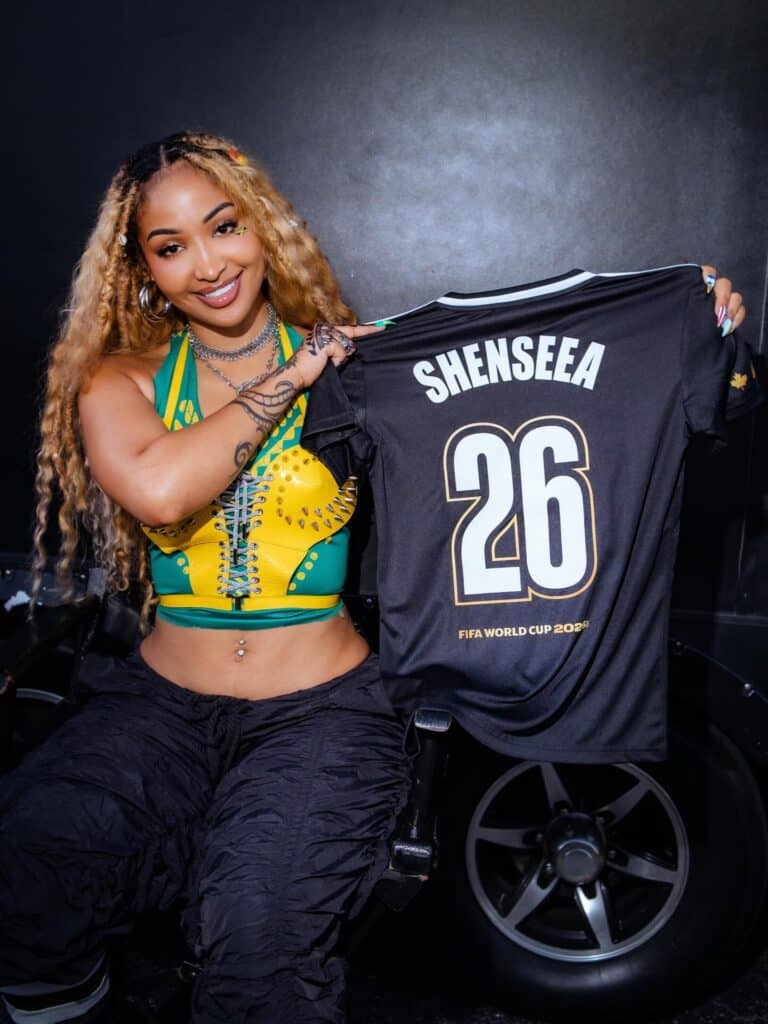
On April 28, 2026, FIFA announced the release of “Echo”, the third single from the official FIFA World Cup 2026 album. The track brings together Shenseea, a Jamaican artist associated with contemporary dancehall, and Daddy Yankee, a major Puerto Rican reggaeton figure. FIFA points out that the track is one of a series of musical releases designed to accompany the build-up to the tournament.
This announcement goes beyond the framework of a collaboration between two well-known artists. It brings two Caribbean territories, Jamaica and Puerto Rico, face to face, united in a global production without being melted into a uniform narrative. On one side, Shenseea brings the energy of Jamaican dancehall to an international audience. On the other, Daddy Yankee embodies a Puerto Rican trajectory that has helped make reggaeton one of the great popular musical languages of recent decades.
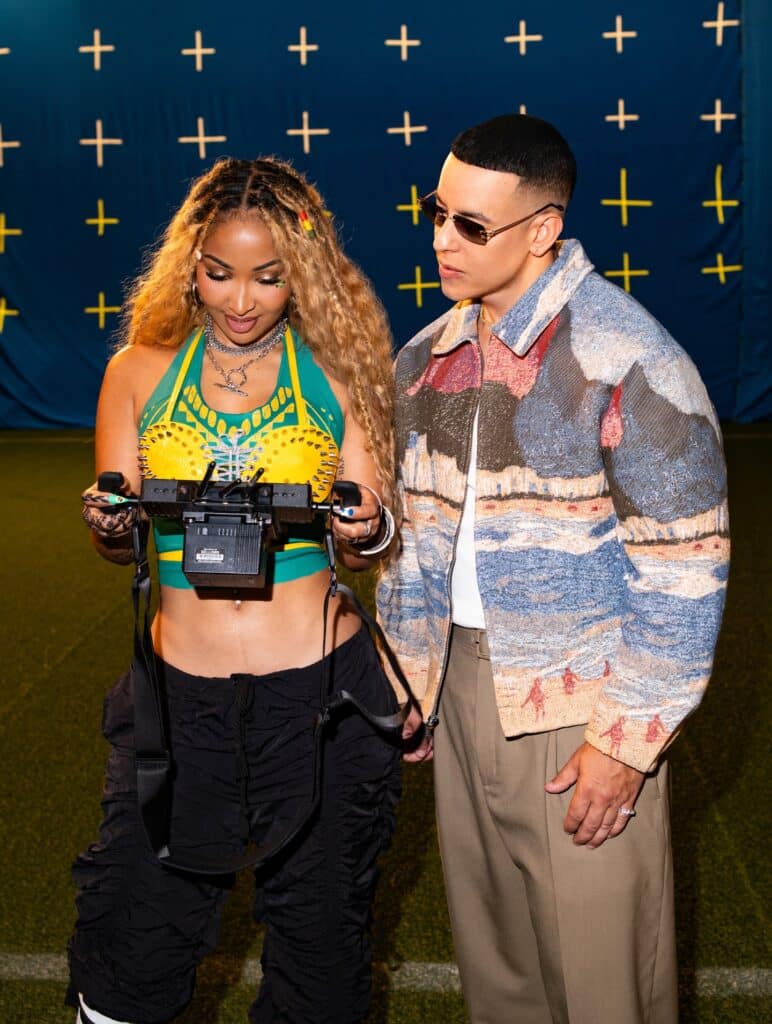
Shenseea, Jamaica in the world of sound
Shenseea is not just a guest on this project. She represents a generation of Jamaican artists capable of moving from dancehall to international formats, while retaining a sonic identity linked to Kingston, the studios, radios and stages where the genre was built. Her journey from Jamaica to a wider exposure illustrates this permanent tension: speaking to the world without erasing the territory of origin.
This is precisely what makes its presence so interesting. Jamaica has already given the world reggae, dub, dancehall and a unique way of circulating music through soundsystems, producers and diasporic communities. With “Echo”, Shenseea extends this story in a different setting: that of a global sporting event, followed far beyond soccer fans.
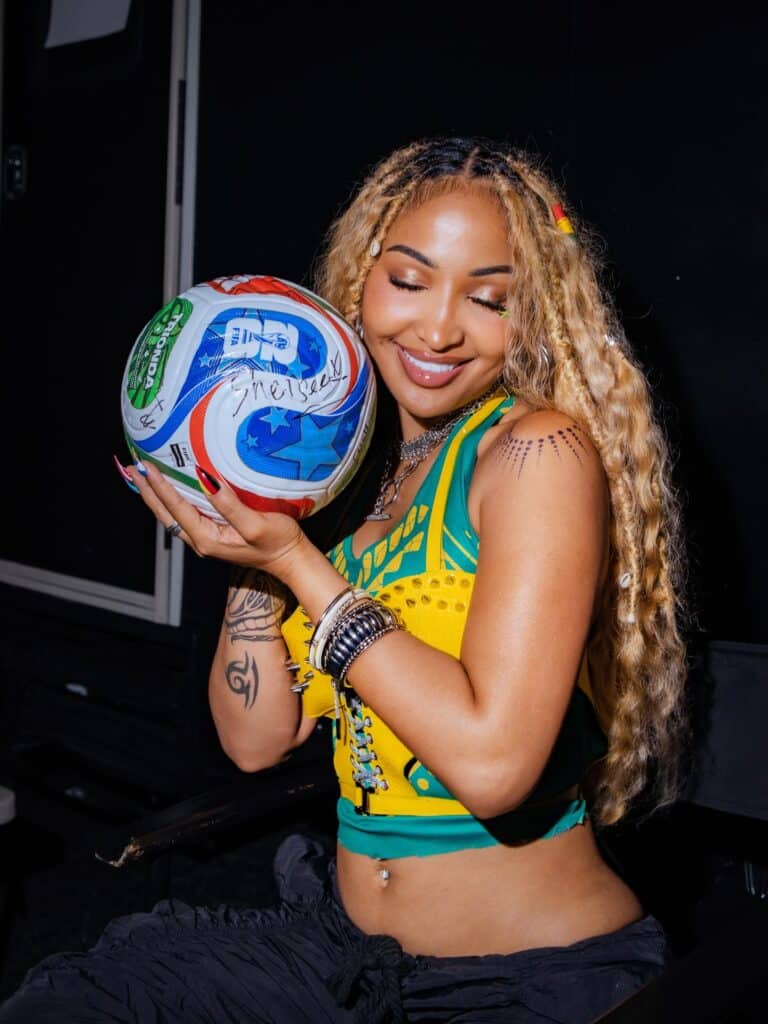
Daddy Yankee, Puerto Rico and the expansion of reggaeton
Opposite her, Daddy Yankee brings another Caribbean memory. Born in Santurce, Puerto Rico, he is described on his official website as one of the artists who brought reggaeton to the world, with a career that began in the 1990s and has sold over 30 million records.
Its name gives the track a strong Spanish-speaking dimension. Reggaeton is not just a music of clubs or international rankings. It is the product of movement between Puerto Rico, Panama, the United States, the Caribbean and Latin America. It carries languages, neighborhoods, migrations and social transformations. In “Echo”, this memory meets Jamaican dancehall, another major urban language born in the region.

Dancehall and reggaeton: two heritages on the same stage
The appeal of this collaboration lies in this precise point: it doesn’t merge two universes to make them indistinct. It places them side by side. Dancehall and reggaeton share rhythmic links, historical circulations and the same ability to make very different audiences dance. But they don’t tell the same story.
Dancehall carries Jamaica, its studios, its deejay voices, its relationship to the street, performance and language. Reggaeton carries Puerto Rico, the Latin-Caribbean world and the crossroads between rap, dembow, Caribbean Spanish and urban culture. Bringing them together on a soundtrack linked to the World Cup means giving voice to a plural Caribbean. A Caribbean that doesn’t want to be summed up, but recognized in its diversity.


FIFA World Cup 2026: a global showcase
The context further amplifies the significance of the piece. The FIFA World Cup 2026 will be the first men’s World Cup to bring together 48 teams, and to be held in three host countries: Canada, Mexico and the United States. In this context, music is never a mere accompaniment. It creates a memory. Certain titles remain associated with an edition, an image, an era. When a track enters the official World Cup environment, it joins a space where sport, media, platforms and audiences meet on a grand scale.
For the Caribbean, this exhibition is important. It is a reminder that the region is not only present in the stands, diasporas or sports qualifications. It is also present in the sounds that accompany the world’s great narratives.
What "Echo" says about Caribbean music today
“Echo” comes at a time when Caribbean music continues to have an impact far beyond its native territory. Reggae, dancehall, reggaeton, soca, kompa, zouk, bouyon or dembow do not follow the same trajectories. Each has its own roots, codes, languages and audiences. But all show that the Caribbean produces cultural forms capable of circulating, transforming and leaving a lasting mark on the popular imagination.
This is where the RK angle becomes essential. It’s not just about saying that Shenseea has “scored a point” for Jamaica. It’s about understanding why this presence matters. She reminds us that the Caribbean is not peripheral to world music. It is one of its silent driving forces, sometimes quoted, often imitated, but not always fully recognized.
With Daddy Yankee and Shenseea reunited on “Echo”, two islands, two musical languages and two Caribbean histories enter the same sound enclosure. The question now is a simple one: after dancehall and reggaeton, what other Caribbean sounds are destined to take the world by storm?
📸 ©Shenseea ©Daddy Yankee / Instagram
Shenseea and Daddy Yankee are reunited on “Echo”, a track associated with the official FIFA World Cup 2026 album. The collaboration features two Caribbean artists from Jamaica and Puerto Rico.
“Echo” brings together two great Caribbean musical universes: Jamaican dancehall driven by Shenseea and Puerto Rican reggaeton associated with Daddy Yankee. The track shows how Caribbean music continues to influence major world events.
This collaboration is important because it places Jamaica and Puerto Rico in the sound environment of the FIFA World Cup 2026. It serves as a reminder that the Caribbean is not just a tourist or sports region, but also a global musical powerhouse.