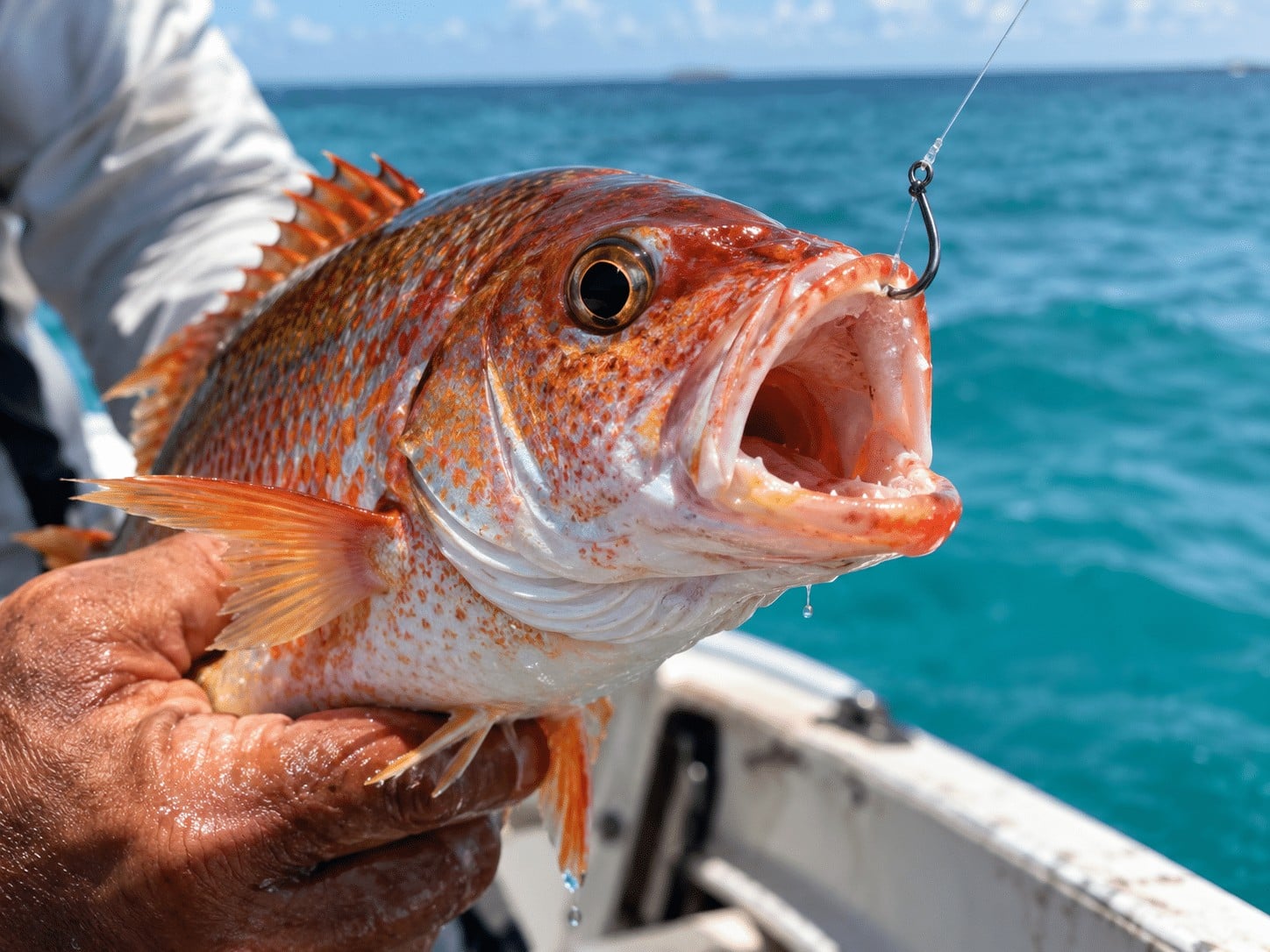
The Cayman Islands’ national dish since 2024, stew turtle is more than just turtle meat. It is cooked on the bone, with the offal, and each cut adds its own flavour. Here is what goes into the pot, how it is eaten, and why the meat now comes from just one farm.
On the lawn of a large hotel in Grand Cayman, during the Flavours of Cayman festival, a stall serves stew turtle. Its owner warns that locals are demanding about how it is prepared. Here, the turtle is cooked on the bone. American chef Andrew Zimmern, a guest at the event, tastes it and is delighted. According to him, the meat has nine different flavours depending on the muscle, from dark parts to light ones. He finds the taste extraordinary and says he could never eat enough of it. This scene says it all: stew turtle is a green turtle stew, but it is unlike any ordinary meat stew.
Stew turtle, a stew that leaves almost no part of the animal behind
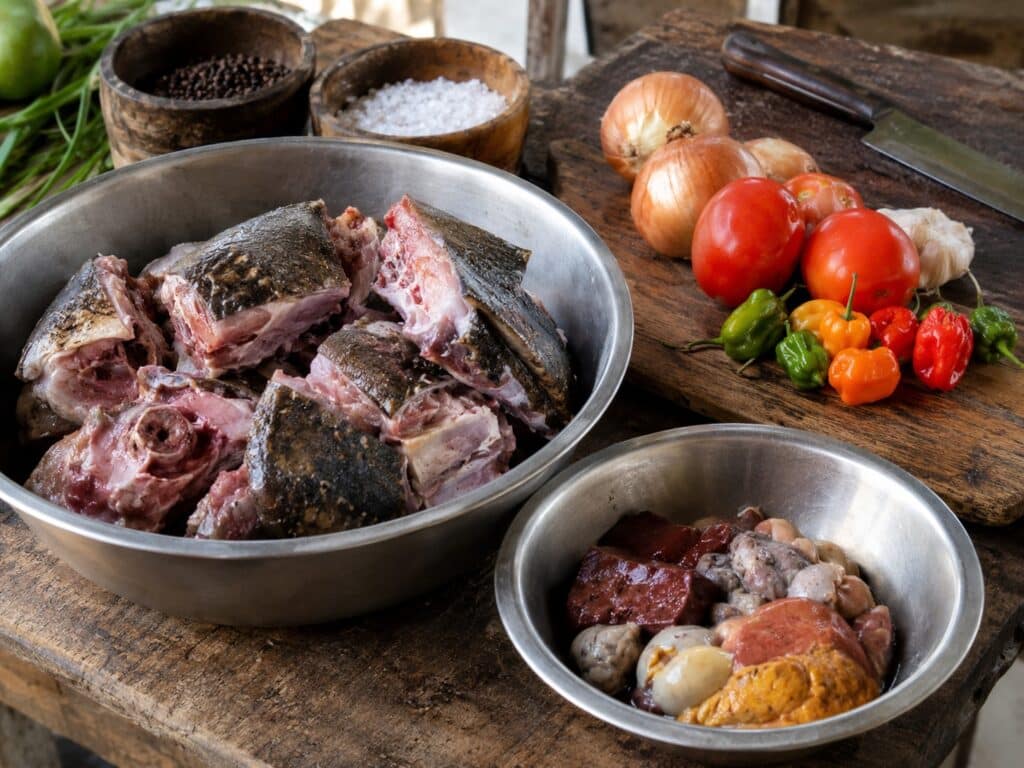
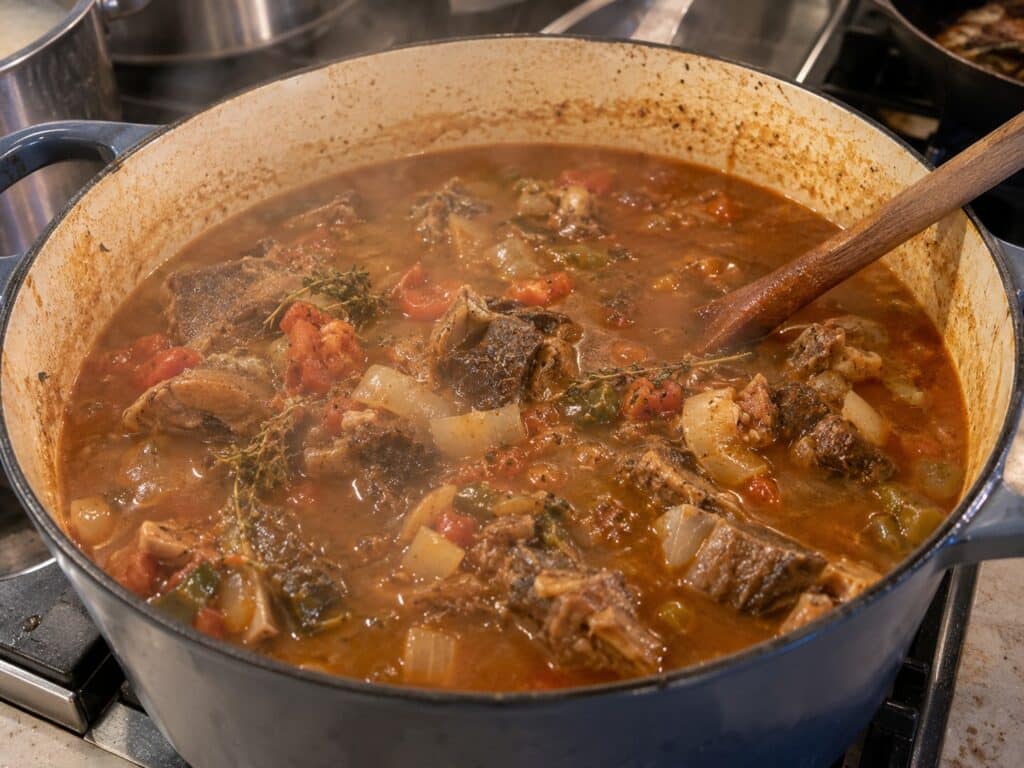
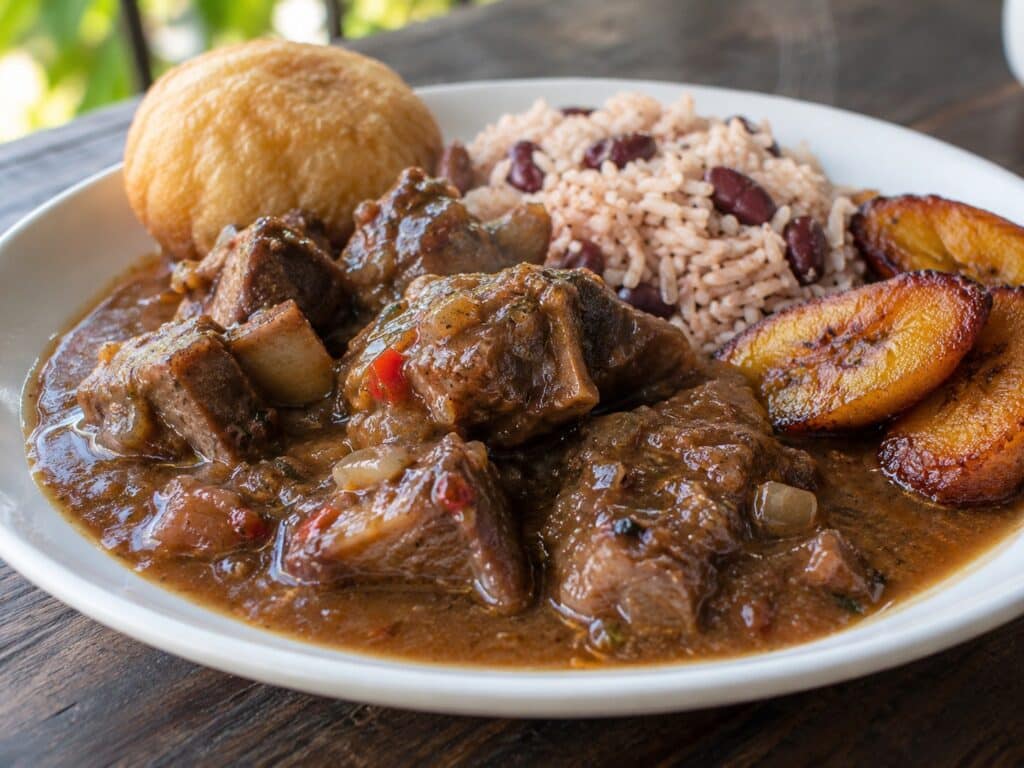
In the most popular version, the meat is not alone in the pot. The other parts of the turtle go in too, except for the shell, and are known as menavlins. This offal is considered essential to the flavour of the dish. Enthusiasts especially prize the flipper, the lungs, the liver and the kidneys.
The base stays simple: green turtle meat, black pepper, salt and local peppers depending on the season. Depending on the kitchen, tomatoes and onions are added. The rest comes down to technique, and Caymanians are demanding on that point.
A flavour somewhere between veal and poultry
Those who try it compare it to veal, sometimes to chicken. The meat is described as silky and slightly firm. The muscles are not alike, and the stew plays on that variety. This is what sets it apart from a dish of uniform meat.
What goes on the plate
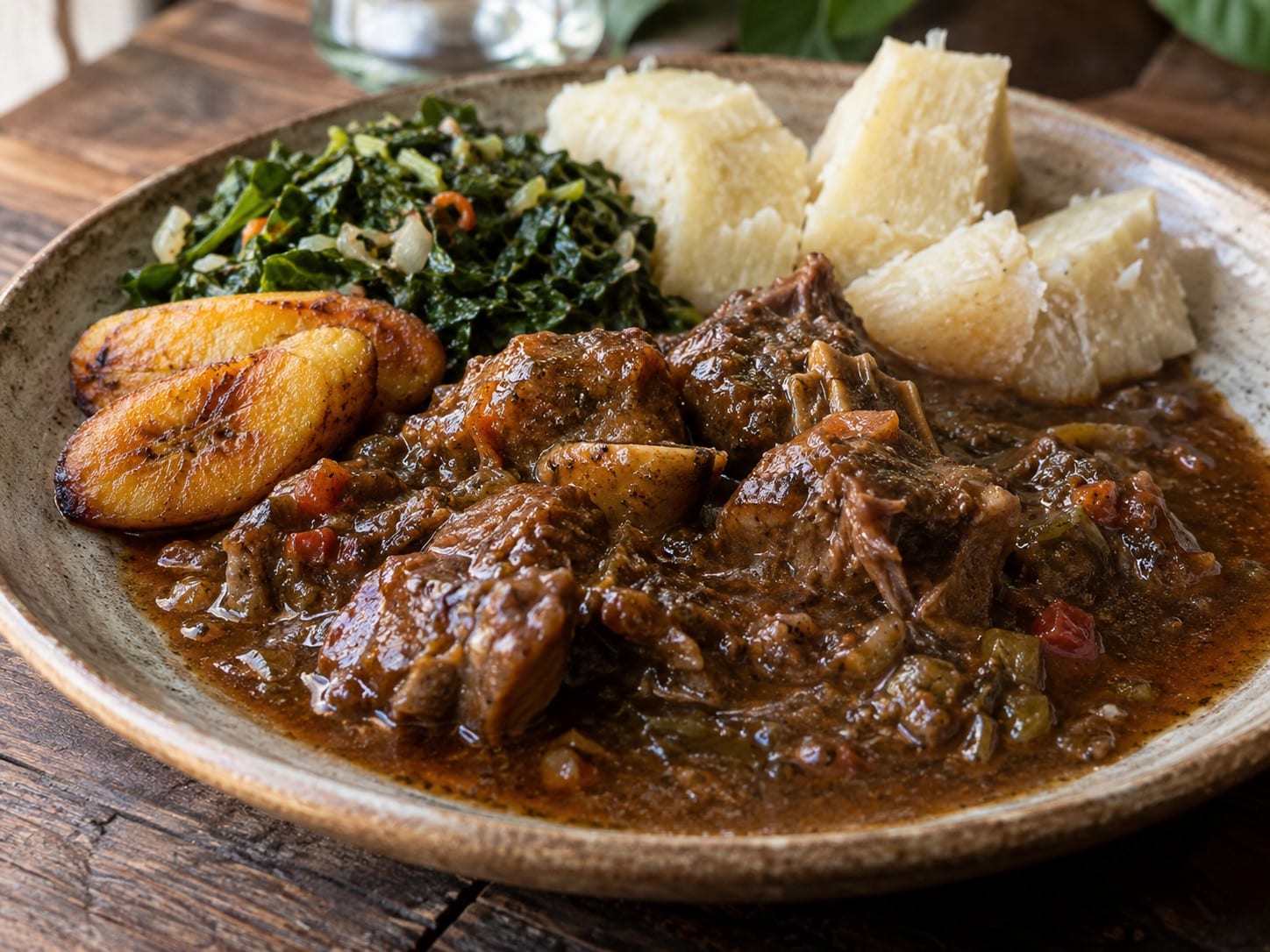
Stew turtle never travels alone. It is served with rice and beans, plantain, callaloo (a dish of leafy greens), breadfruit, yam or johnnycakes, fried flour cakes. Almost all of these sides belong to the everyday island table, from starches to breadfruit and rice. The stew takes its place there as a festive dish in an ordinary setting.
Meat that comes from a single farm
Today, the meat for stew turtle has only one legal origin. The Cayman Turtle Centre, a former breeding farm created in 1968, is the only authorised source. Possessing wild turtle meat is an offence.
Its 2023 annual report gives a sense of scale. That year, 1,404 turtles were slaughtered and 57,594 pounds of meat sold, about 26 tonnes. Meat accounts for only 6% of revenue, and the farm admits it sells it at a loss. Its shareholder, the government, had to inject 2.5 million Cayman Islands dollars. Over the same period, nearly 500 turtles were released into the sea. The national dish therefore rests on an activity that loses money, and that is the story worth telling.

Why a dish from the sea sits on the national table
The link with the sea is old. In 1503, Christopher Columbus named these islands Las Tortugas because turtles were so abundant there. In the 20th century, Caymanian crews sailed off on schooners for seven to eight weeks. In February 2024, the government approved five new national symbols, announced in March. Stew turtle is one of them, presented as a reflection of the islands’ maritime heritage. For the Department of the Environment, the turtle matters in Caymanian culture “not just as a dish”. It is not unique to the archipelago, however: on the coast of Nicaragua, the Miskito people cook it too.

A dish that divides opinion
In October 2025, the IUCN moved the green turtle from “endangered” to “least concern” globally. Yet the choice of such a dish as a symbol surprised and irritated some Caymanians. The authorities acknowledge that populations nearly disappeared and that they remain highly vulnerable to illegal capture.
Habits, however, hold. A 2015 survey of 597 households found that 54% had already eaten turtle, and 62% among those with a grandparent born in the Cayman Islands. Taste comes first among the reasons cited, ahead of tradition. It remains to be seen what will become of this stew once it depends on a single farm.
Frequently Asked Questions
Stew turtle is a green turtle stew and the official national dish of the Cayman Islands since 2024. The meat is cooked with the other parts of the turtle, except the shell, with black pepper, salt and local peppers. It is served with rice and beans, plantain, breadfruit or yam.
It recalls veal, sometimes chicken. The meat is described as silky and slightly firm. American chef Andrew Zimmern distinguishes nine flavours depending on the muscle, from dark to light parts.
It comes from the Cayman Turtle Centre, the only legal source in the Cayman Islands. Possessing wild turtle meat is an offence there. In 2023, the farm sold 57,594 pounds of meat, about 26 tonnes.