Daddy Yankee, whose real name is Ramón Luis Ayala Rodríguez, grew up in the Villa Kennedy neighborhood of San Juan, Puerto Rico. As a teenager, he dreamed of playing professional baseball, until a stray ball forced him to change the course of his life. More than thirty years later, the artist who brought reggaeton to the world’s attention has been named Persona del Año 2026 by the Latin Recording Academy.
A stray bullet at Villa Kennedy
Daddy Yankee was just a teenager when his life was turned upside down. The young Puerto Rican was recording with DJ Playero, one of the pioneers of the Puerto Rican underground scene, in the Villa Kennedy neighborhood of San Juan. A shootout broke out outside, and a stray bullet struck him. That bullet is still lodged in his hip.
In July 2019, on the set of the Mexican TV show Ventaneando, the Puerto Rican singer described the severity of his injury. “Estuve a punto de que me amputasen la pierna” (“I almost had my leg amputated”), he said. He explained that he wears a metal prosthesis with plates and screws. In 2022, however, he said he thanked God for that bullet. That day, at Villa Kennedy, the door to baseball closed.
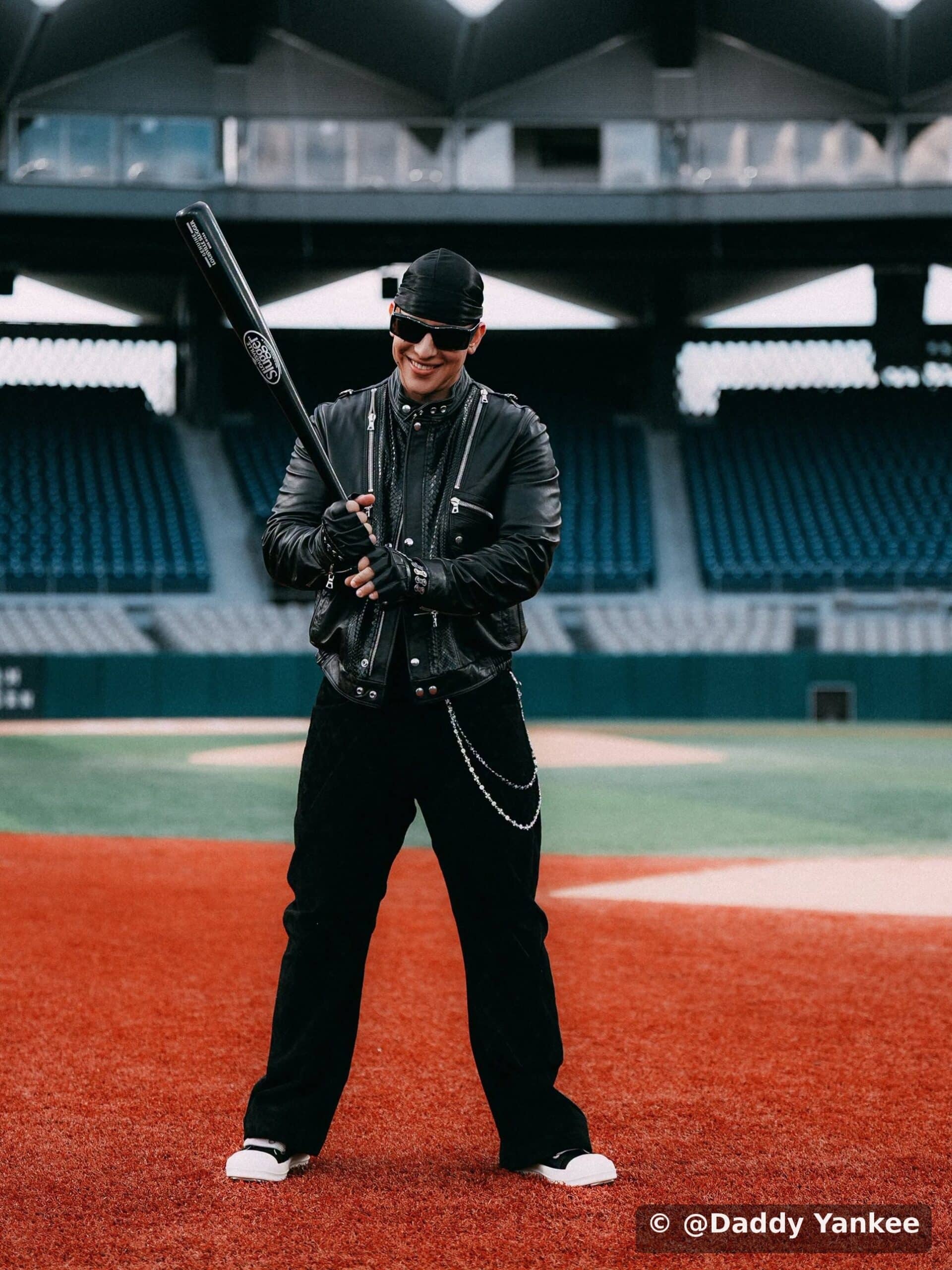
Daddy Yankee, a kid who grew up playing baseball in San Juan
Ramón Luis Ayala Rodríguez was born in 1977 in San Juan. He grew up in Villa Kennedy, a “caserío”—the name given in Puerto Rico to public housing complexes. His father was a percussionist in salsa orchestras on the island. So music was a part of life at home. But young Ramón Luis wanted to become a baseball player first.
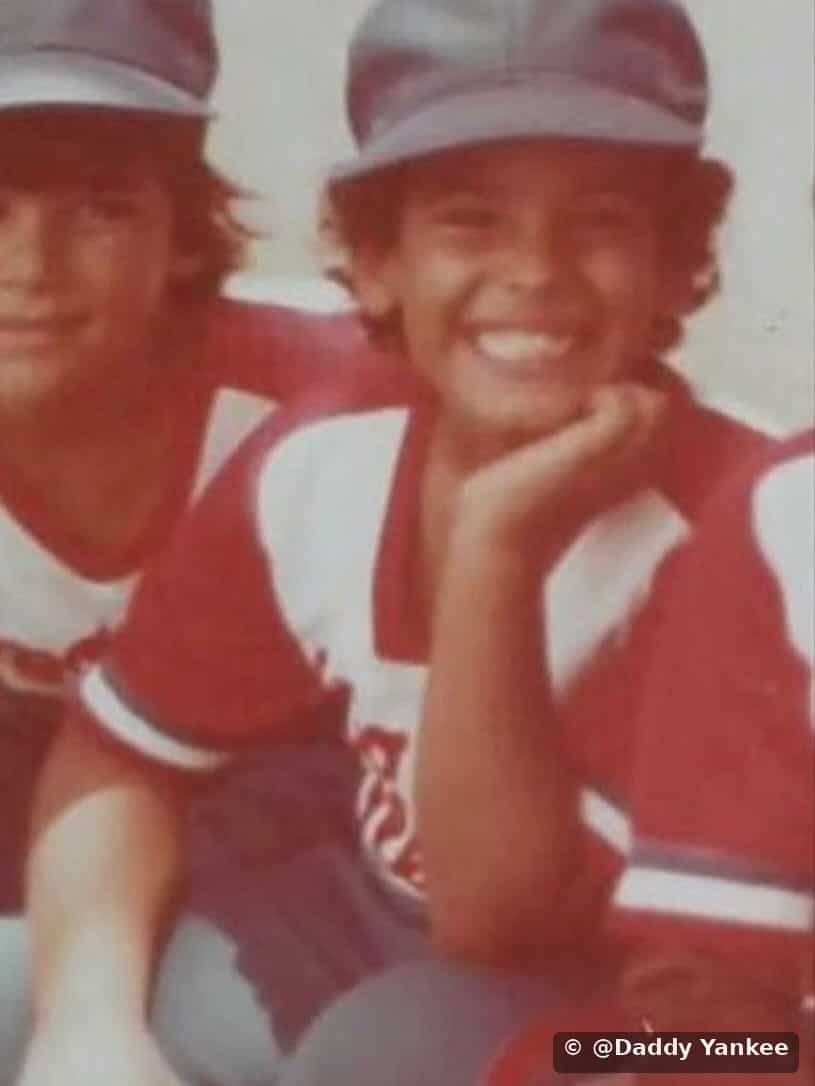
On the field, the future Daddy Yankee played third base. He tried out for the Seattle Mariners, a Major League Baseball team. An injury put an end to that dream. In 2019, the singer summed up that turning point in a post on Instagram. “El destino me cambió el bate por un micrófono” (“Fate traded my bat for a microphone”).
Getting Started in San Juan's Underground Scene
Ramón Luis Ayala Rodríguez cut his teeth in the underground music scene of San Juan’s caseríos, which would give rise to reggaeton. His first album, No Mercy, was released in 1995. At the time, this music was widely frowned upon in Puerto Rico. In 1993, Governor Pedro Rosselló’s “Mano Dura” security campaign targeted the caseríos, and his supporters accused the underground scene of encouraging violence. In February 1995, police raided six record stores in the San Juan area. They seized hundreds of cassettes and CDs under obscenity laws. The charges were later dropped.
Rather than waiting for a major record label, Daddy Yankee started his own label, El Cartel Records. “When you’re independent, you’re free,” he explained in 2022. The singer says he had to create his own opportunities, to the point that it has become part of his DNA.
"Gasolina," the turning point of 2004
In 2004, Daddy Yankee released the album Barrio Fino. The album sold over eight million copies and spent 24 consecutive weeks at the top of the Billboard Top Latin Albums chart. Its lead single, “Gasolina,” gained widespread popularity far beyond Puerto Rico. In 2005, “Gasolina” became the first reggaeton song to be nominated for Record of the Year at the Latin Grammys. That same year, “Barrio Fino” won the Latin Grammy for Best Urban Music Album.
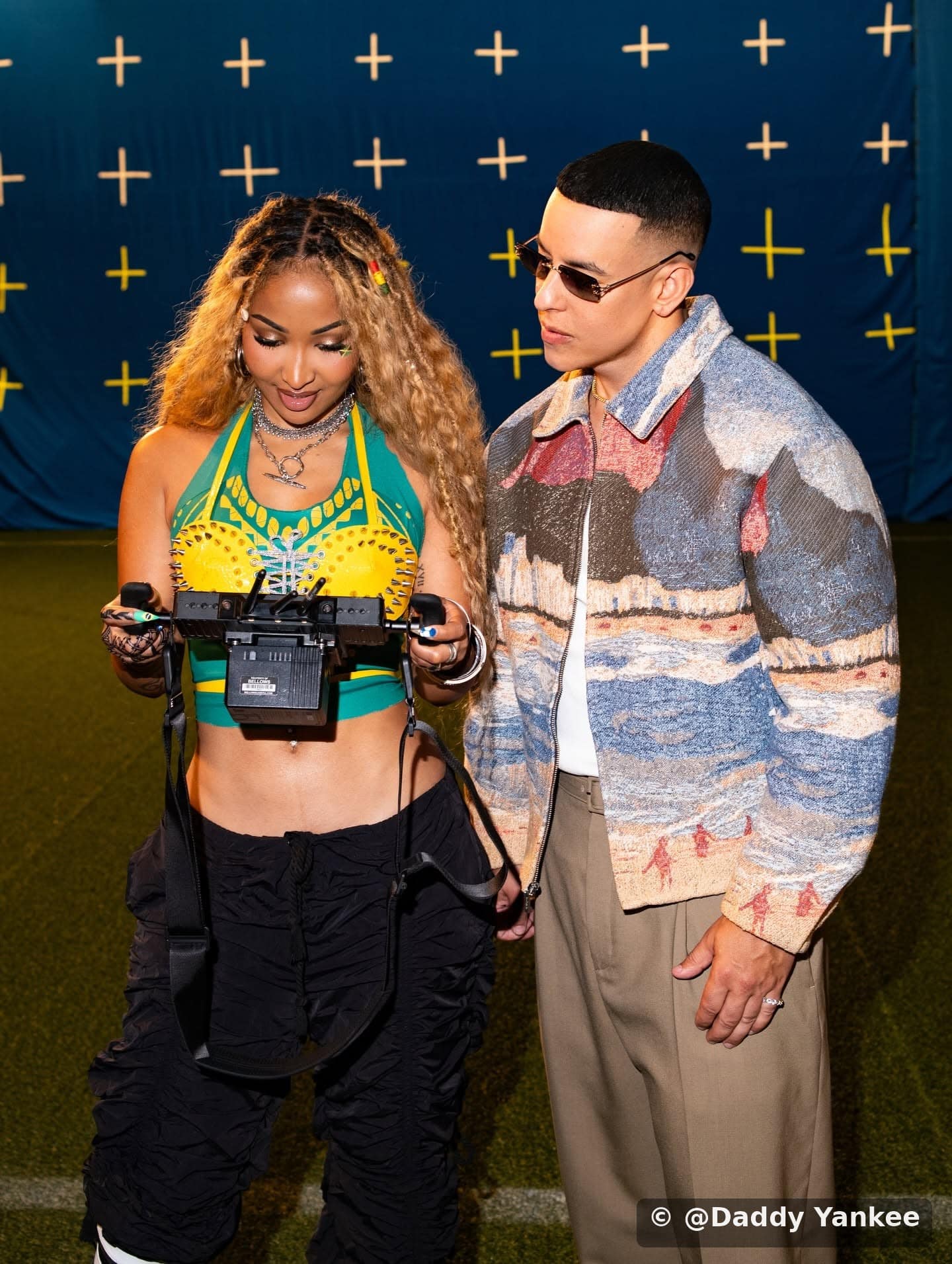
The Puerto Rican artist’s fame extended beyond music. In 2006, TIME magazine included him on its list of the 100 most influential people in the world. In April 2023, the U.S. Library of Congress added “Gasolina” to its National Registry of Recordings. It was the first reggaeton song to be included. The music that police seized from record stores in San Juan in 1995 thus became part of the official sound archives of the United States.
Daddy Yankee: From “Despacito” to the 2019 Crisis
In 2017, Daddy Yankee appeared on “Despacito,” which he co-wrote with Luis Fonsi and Erika Ender. He claims to have written the verse and the famous “pasito a pasito” (“step by step”). The song spent sixteen weeks at number one on the Billboard Hot 100.
The lead singer of Villa Kennedy also spoke out on behalf of Puerto Rico. On July 18, 2019, during the political crisis that led to Governor Ricardo Rosselló’s resignation, he declared at the Premios Juventud, “Puerto Rico is tired of the corruption, the abuse, and the lies .” On July 22, he was present outside La Fortaleza, the governor’s residence in San Juan. He also supports social and educational programs through his foundation, Daddy’s House.
The Last Tour, Then Faith
On March 20, 2022, Daddy Yankee announced his retirement, releasing a final album, “Legendaddy,” and embarking on a farewell tour called La Última Vuelta. On December 3, 2023, he performed his final concert at the José Miguel Agrelot Coliseo de Puerto Rico in San Juan. On stage, he announced that he would henceforth devote his life to Christ. However, the Puerto Rican singer did not leave the music industry. In October 2025, he released “Lamento en Baile,” a Christian-themed album. His single “Sonríele” reached number one on the Billboard Latin Airplay chart.
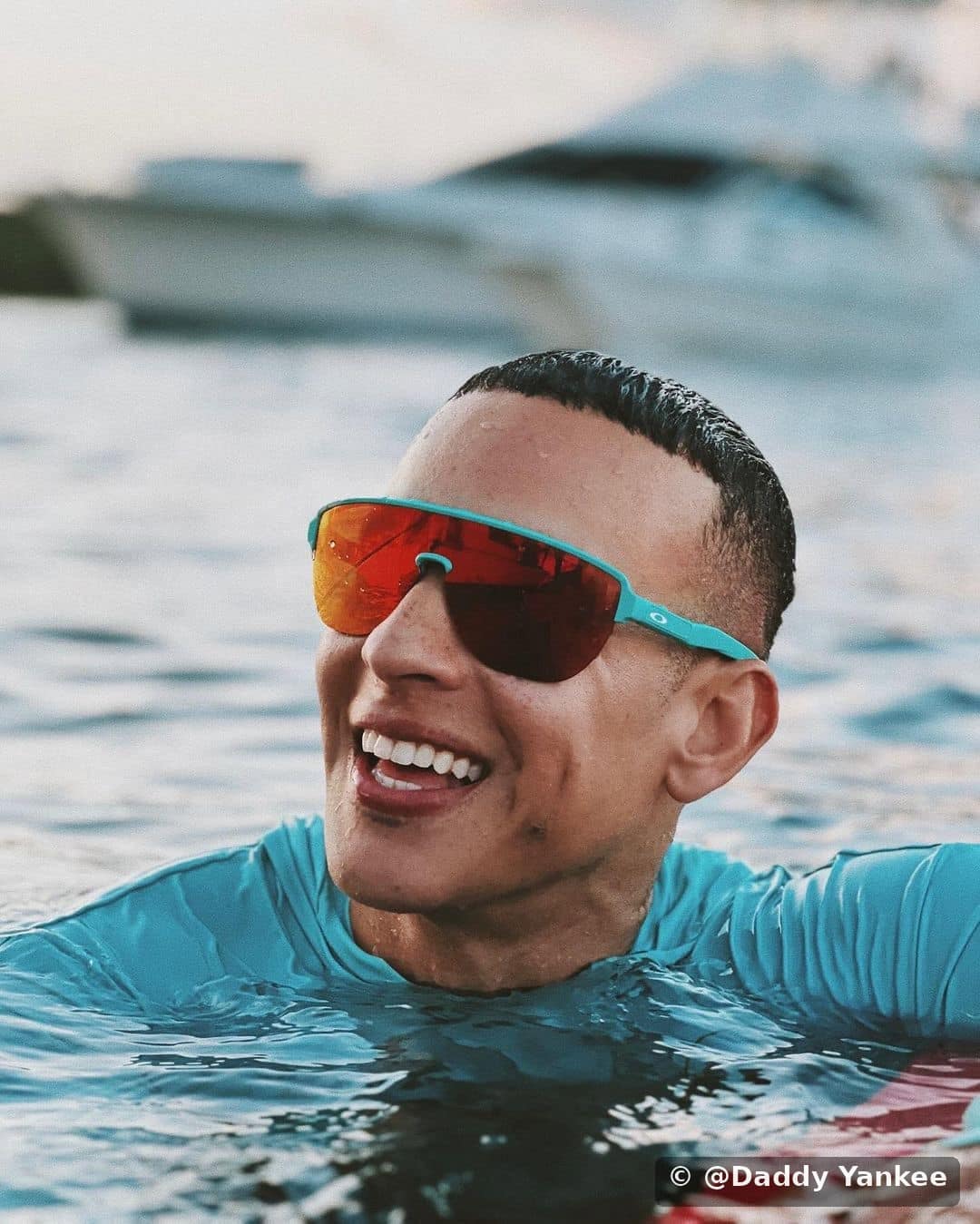
Daddy Yankee, Person of the Year 2026
On November 11, 2026, in Las Vegas, the Latin Recording Academy honored Daddy Yankee as the 2026 Persona del Año for his nearly three-decade-long career and his humanitarian work. “This recognition from The Latin Recording Academy is a dream come true,” he said upon the announcement in April. This Thursday, November 12, he is expected to take the stage at the 27th Latin Grammy Awards ceremony at the MGM Grand Garden Arena in Las Vegas.
The boy from Villa Kennedy never really left baseball behind. Daddy Yankee is now one of the investors in the Santurce Cangrejeros, the baseball team from the Santurce neighborhood in San Juan. The bat is back, and the microphone remains. In the caseríos of Puerto Rico, one question remains: Which teenager will be the next to grab the microphone?
Frequently asked questions
Daddy Yankee’s real name is Ramón Luis Ayala Rodríguez. The singer was born in 1977 in San Juan, Puerto Rico, and grew up in the Villa Kennedy public housing project.
A stray ball injured him as a teenager in Villa Kennedy, San Juan, and ended his baseball career. He played third base and had tried out for the Seattle Mariners.
“Gasolina” was the first reggaeton song nominated for Record of the Year at the Latin Grammys in 2005. In 2023, it also became the first reggaeton song added to the National Registry of Recordings at the U.S. Library of Congress.
The Persona del Año is the Latin Recording Academy’s annual tribute to an artist in recognition of their career and humanitarian work. Daddy Yankee received the award on November 11, 2026, at a gala in Las Vegas.