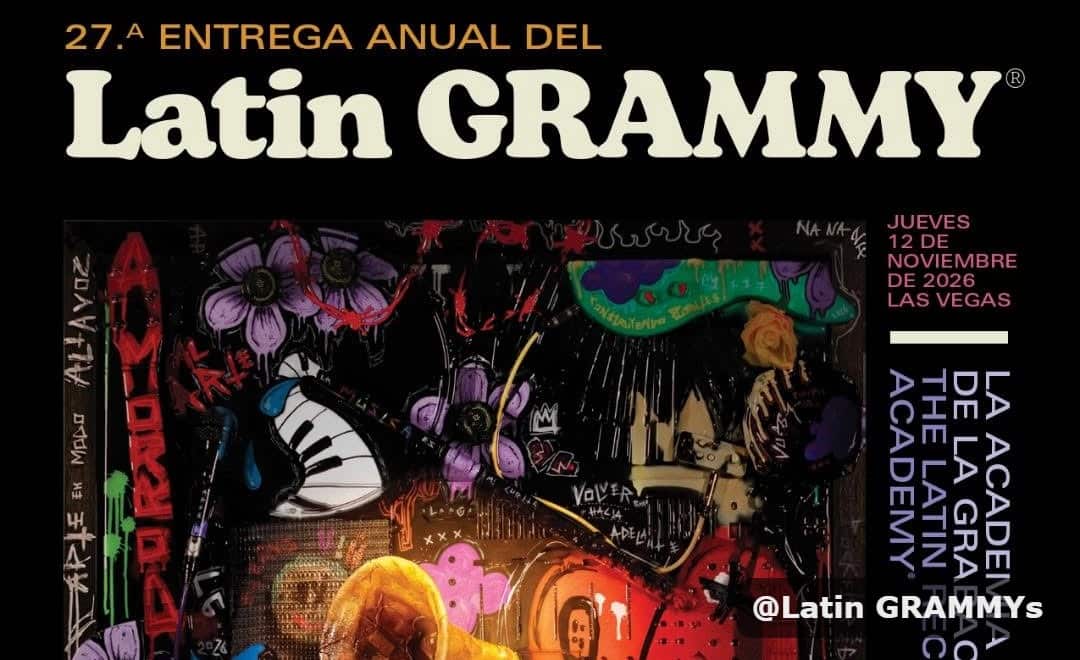
In Las Vegas, the 2026 Latin Grammys honored several Caribbean artists on November 12. Three Dominican artists won their first awards, while Puerto Rico and Cuba were recognized in the categories of salsa, urban music, and jazz. Behind these achievements lie stories of cultural transmission, artistic freedom, and collective creation.
The Dominican Republic: Musical Heritage and New Voices
Techy Fatule won the award for Best Merengue and/or Bachata Album for Chula. For the Dominican singer, this first victory caps off an independent project she worked on for nearly three years. The album features twelve songs that blend merengue típico, pambiche, mambo, bachata, and other influences.
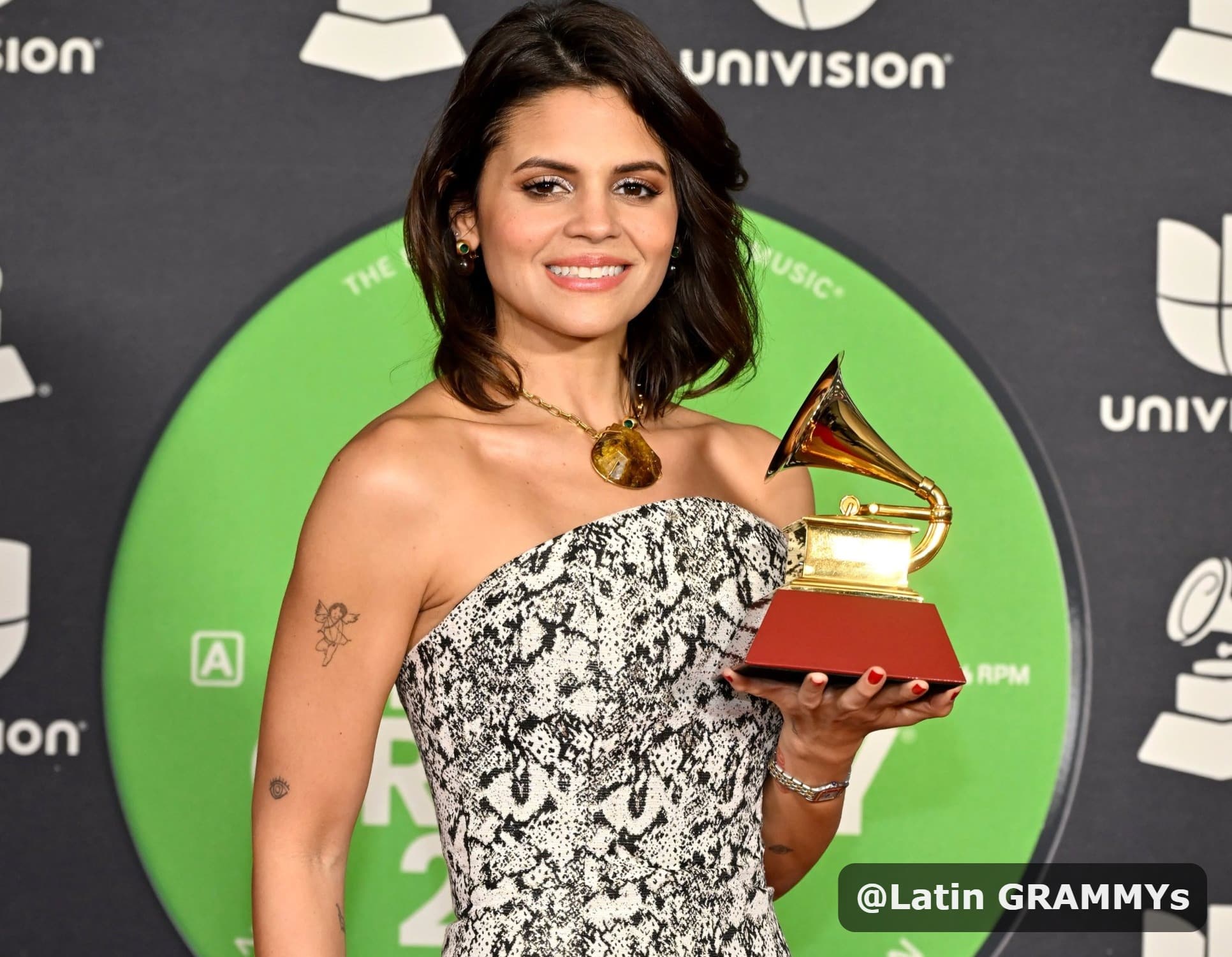
Listed as part of UNESCO’s Intangible Cultural Heritage of Humanity since 2016, merengue remains a powerful symbol of Dominican identity. With “Él sabe,” recorded alongside Fefita La Grande, Techy Fatule brings her artistic vision closer to that of a major figure in merengue típico. On stage, she spoke about her grandmother Fantina and the sacrifices involved in pursuing an independent career.
Another first-time winner: J Noa, from San Cristóbal, for “Antisistema,” Best Rap/Hip-Hop Song, written with producer Trooko. The song’s title speaks for itself. In it, the rapper challenges the pressure to produce viral content, rack up social media numbers, and adapt her identity to gain visibility. In an October interview, she advocated for a natural approach rather than posts designed to perform well on platforms. The fact that this song was recognized by the very industry it questions gives her first Latin Grammy special significance.
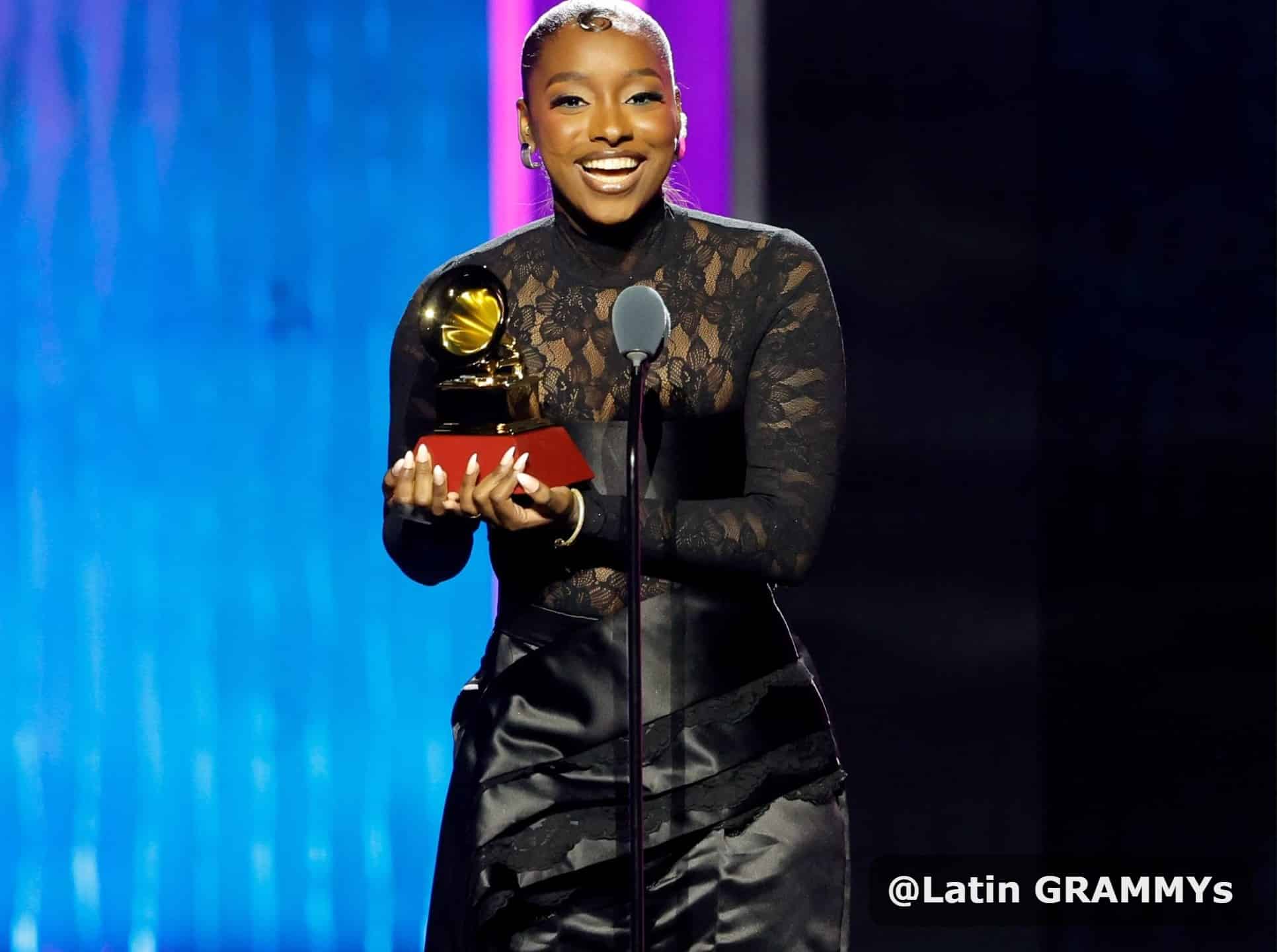
The third Dominican winner, León Yamil, points out that an award can also recognize the work done behind the microphone. As a co-composer of “Nombre y apellido” with Luis Enrique and Ender Thomas, he shares the award for Best Tropical Song. Performed by Luis Enrique and De La Ghetto, the song tied for the award with “Realidad-Es” by Grupo Niche. The award highlights those who write the songs before they reach their audience.
In Puerto Rico, salsa and reggaeton take the spotlight
With Íntimo (En Vivo), Gilberto Santa Rosa won the award for Best Traditional Tropical Album. The Puerto Rican singer, who has been associated with salsa for decades, was honored here for a live recording. His win serves as a reminder that established repertoires continue to hold their place in contemporary music.
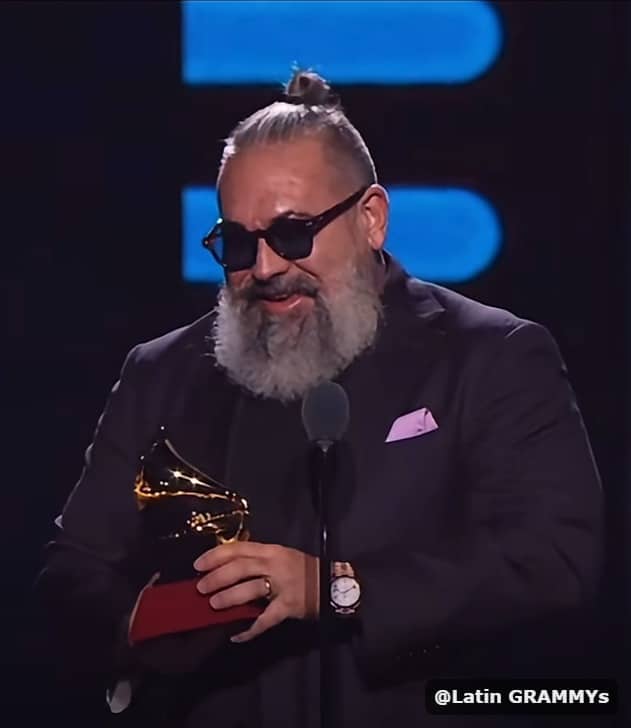
Daddy Yankee, for his part, had a special week. On November 11, the Latin Recording Academy honored him as Person of the Year for his career and humanitarian efforts. The next day, “Daddy Yankee: Bzrp Music Sessions, Vol. 0/66,” produced in collaboration with Argentine producer Bizarrap, won the award for Best Urban Song.

The history of reggaeton adds depth to this tribute. In 1990s Puerto Rico, cassettes of this genre were confiscated during operations carried out under obscenity laws. In 2026, one of its leading figures received official recognition at the pinnacle of the Latin music industry. This contrast illustrates a cultural evolution that cannot be fully captured by chart rankings alone.
Cuba: Jazz Carries On
The Caribbean presence has also made its mark in jazz. Cuban pianist Gonzalo Rubalcaba won the award for Best Latin Jazz/Jazz Album for Gonzalo Plays Pino, recorded with his trio. This recognition highlights the role of Cuban musicians in a musical language rooted in improvisation and the exchange between musical traditions.
Another Cuban artist was among the nominees: Omara Portuondo, with Eternamente Omara, in the Best Traditional Tropical Album category. The award ultimately went to Gilberto Santa Rosa. This nomination continues to raise the profile of her repertoire.
What the 2026 Latin Grammys Say About the Caribbean
These awards do not paint a uniform picture of Caribbean music. Techy Fatule’s merengue, J Noa’s rap, Gilberto Santa Rosa’s salsa, Daddy Yankee’s reggaeton, and Gonzalo Rubalcaba’s jazz do not all tell the same story.
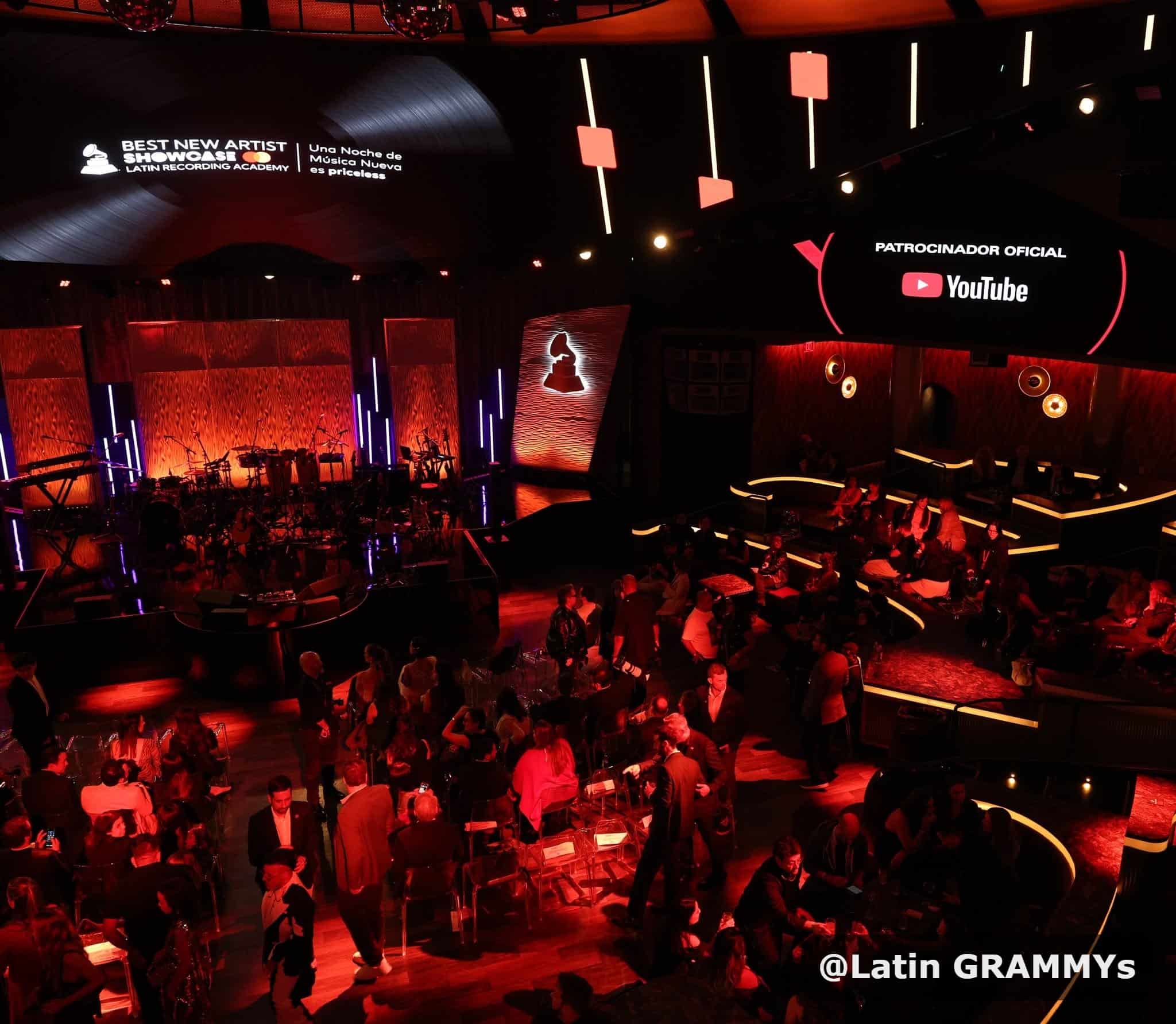
Rather, they showcase various ways of engaging with a legacy, transforming it, or breaking free from it. They also highlight the role of songwriters and producers, who are often less visible than the performers. Beyond the awards, one question remains: what role will future generations in the Caribbean be able to play without sacrificing the uniqueness of their voices?
Frequently Asked Questions About the 2026 Latin Grammys
Among the winners are Techy Fatule, J Noa, and León Yamil from the Dominican Republic; Daddy Yankee and Gilberto Santa Rosa from Puerto Rico; and Gonzalo Rubalcaba from Cuba.
Techy Fatule won the award for Best Merengue and/or Bachata Album for Chula. J Noa won the award for Best Rap/Hip-Hop Song with Trooko for “Antisistema.” León Yamil was recognized as a co-writer of “Nombre y apellido,” which was a tie in the Best Tropical Song category.
The awards presented in 2026 recognized a variety of Caribbean musical genres, ranging from merengue to jazz, including salsa, reggaeton, and rap. They highlighted both performers and songwriters.