On November 16, 1776, an exchange of cannon fire cemented Sint Eustatius’s place in the history of American independence. Two hundred and fifty years later, the island commemorates this First Salute at Fort Oranje, in the presence of the King of the Netherlands. This year’s Statia Day also highlights another memory: that of the island’s inhabitants and the history of slavery.
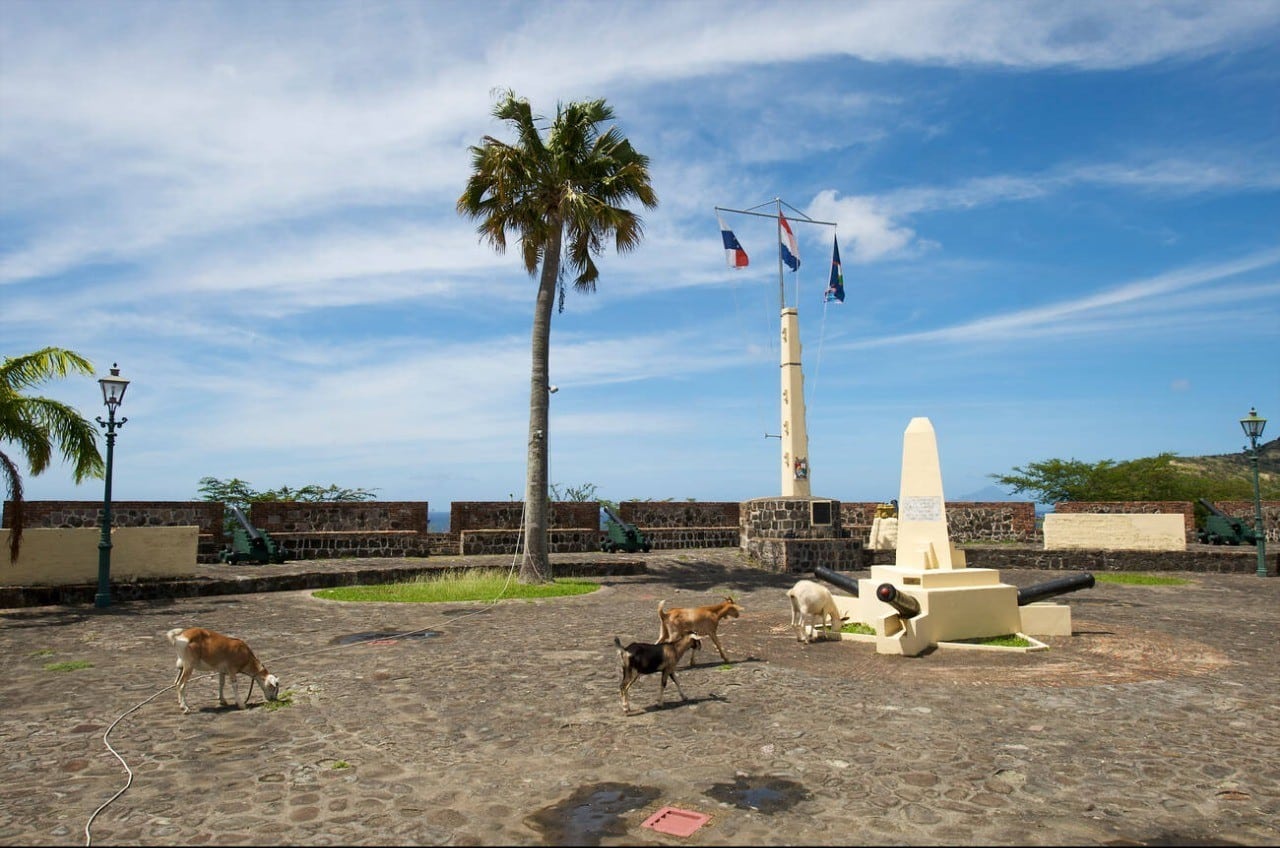
Above the port of Oranjestad, the cannons of Fort Oranje serve as a reminder of an event that transcended the borders of Sint Eustatius. This Monday, November 16, 2026, the island commemorates the 250th anniversary of the First Salute, addressed to an American ship. The official ceremony is scheduled for 7 a.m., with King Willem-Alexander, Prime Minister Rob Jetten, and Governor Alida Francis in attendance. For this Dutch territory in the Caribbean, also known as Statia, the anniversary is more than just a tribute to the United States. It is an opportunity to highlight its role in Atlantic trade and to further open up its heritage to stories that have long been overlooked.
First Salute: What Happened on November 16, 1776?
In the fall of 1776, the American colonies had declared their independence a few months earlier, but the war against Great Britain was still raging. On November 16, the brigantine Andrew Doria, a ship of the American Continental Navy, entered the harbor of Sint Eustatius flying a flag representing the rebellious colonies. The ship fired a cannon salute toward Fort Oranje. On the orders of Johannes de Graaff, governor of the island, the fort’s artillery pieces responded. This act, which has gone down in history as First Salute, is now commemorated as one of the first official honors bestowed upon an American ship by a foreign authority.

This salute, however, did not establish diplomatic relations. De Graaff’s gesture took place against a backdrop of war and trade tensions. Its symbolic nature explains why it has remained so vivid in the American memory—and also in that of Statia.
Sint Eustatius, a Key Crossroads of the American Revolution
Why did such an event occur on this island? In the 18th century, Sint Eustatius played an important role in trade between Europe, North America, and the Caribbean colonies. Goods passed through its particularly busy port. This activity earned the island the nickname Golden Rock. American insurgents found weapons, gunpowder, and other supplies there. Trade thus made Statia a strategic stronghold, far beyond its physical size.
The November 1776 salute also caught London’s attention. British authorities protested the reception given to the rebel ship. In 1781, British forces seized the island and confiscated its commercial wealth. Behind the cannons of the First Salute, then, lies a history of imperial rivalries and economic interests.
Statia Day 2026: A Week to Celebrate the Island’s Identity
The 250th anniversary coincides with Statia Day, celebrated every November 16. The local government has planned a week of festivities from November 10 to 16, under the theme “The Statia Spirit Perseveres, Saluting 250 Years.” The program highlights the local arts scene, featuring theater with This is Statia, gospel concerts, performances by young artists, and a cultural evening. On Sunday, November 15, a light and music show was scheduled to tell the island’s story. The commemoration thus brings Statia’s traditions to life.
This Monday morning, the ceremony at Fort Oranje will feature a flag-raising, national anthems, a royal address, and a reenactment of the salute, with the participation of a U.S. ship. The evening will continue on Fort Oranjestraat with concerts, notably featuring Edwin Yearwood & Krosfyah from Barbados, followed by a fireworks display.
Fort Oranje: Another Memory Is Added to the Story
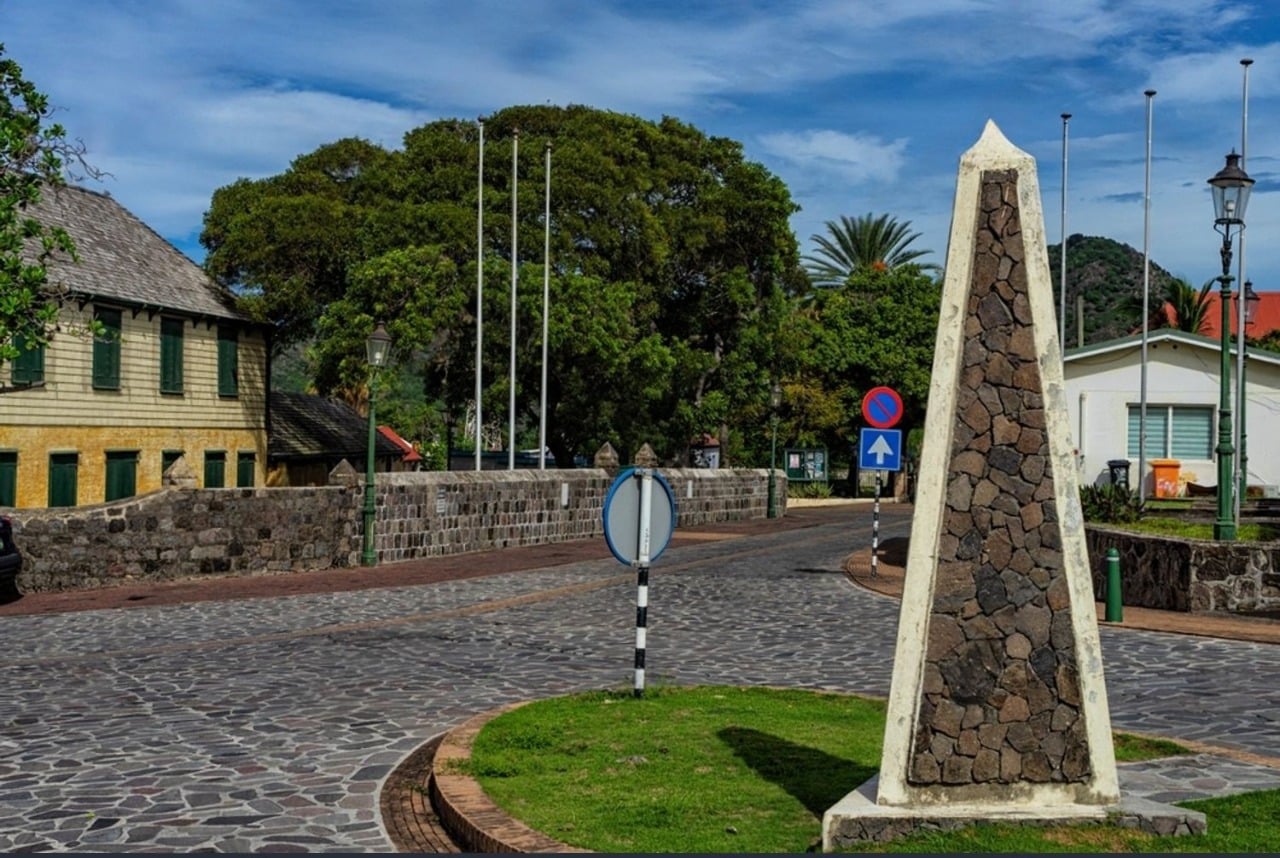
One of the highlights announced for the day is the opening of the Museum Fort Oranje, located within the historic fort. The project aims to tell the island’s history, beginning with the First Salute, while giving voice to the perspectives and experiences of enslaved people. The official program includes an inauguration ceremony led by King Willem-Alexander. This approach broadens the perspective. At a time when merchants were making the port prosper, the colonial economy also relied on the slave trade and the exploitation of human beings. Focusing solely on Statia’s commercial success would leave an essential part of its history in the shadows.
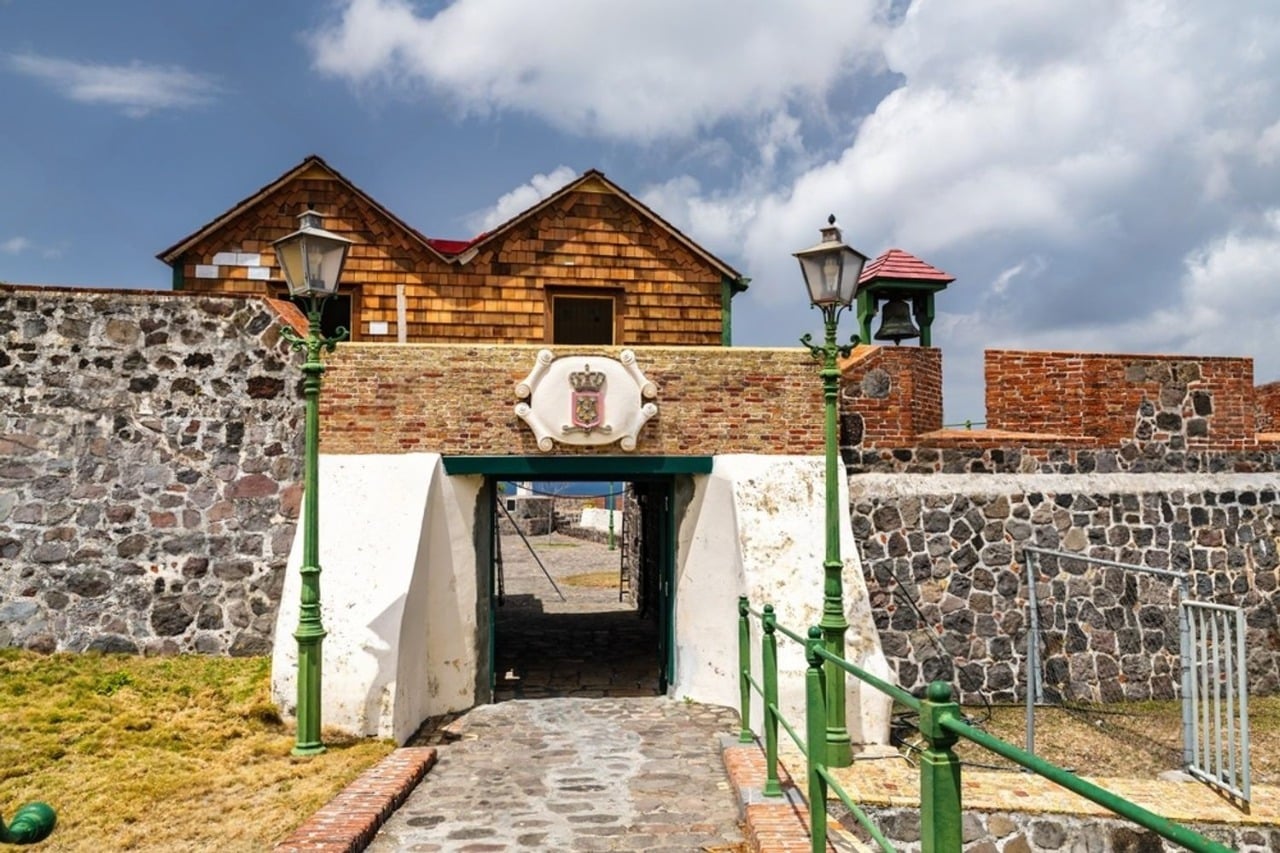
The royal visit will also include stops at Fort Amsterdam and the Rotterdam Battery. There, the Dutch government is presenting a proposal for a memorial at a site linked to the arrival of enslaved people and their sale. The restoration of the site is intended to help convey this history. Two hundred and fifty years after the salute fired for the Andrew Doria, Sint Eustatius thus reminds us that its history cannot be told solely from the deck of an American ship. It can also be found in the places, the legacies, and the memories of those who have lived on this island. Perhaps that is the most enduring significance of this anniversary.
Frequently Asked Questions About Sint Eustatius and the First Salute
The First Salute refers to the military salute given on November 16, 1776, by Fort Oranje to the American ship Andrew Doria. This exchange is commemorated as a symbolic recognition of the flag of the rebellious American colonies by a foreign authority.
In the 18th century, Sint Eustatius was a major Caribbean trading center. Weapons, gunpowder, and other goods passed through its port, helping to supply the American rebels during their war against Great Britain.
The Museum Fort Oranje, scheduled to open on November 16, 2026, offers a fresh perspective on the island’s history since the First Salute by incorporating the viewpoint of enslaved people. It is part of an effort to preserve and share local heritage.