
Kalinago Barana Aute: Discover the Enchanting Experience in Dominica

Kalinago Barana Aute

Dominica, a stunning island in the Caribbean renowned for its biodiversity and breathtaking landscapes, is also home to a vibrant and rich culture.

At the heart of this culture lies the Kalinago Barana Aute, an iconic site that offers visitors an immersive experience into the heritage of the Kalinago people, the island’s indigenous inhabitants. This article explores what the Kalinago Barana Aute represents, its significance for sustainable tourism, and its role in preserving the Kalinago culture.

What is the Kalinago Barana Aute?

 It’s a cultural and tourist center located in the Kalinago Territory of Dominica. Inaugurated in 2007, this site allows visitors to discover the traditions, craftsmanship, and gastronomy of the Kalinago people. Through immersive activities, visitors can participate in workshops, attend cultural performances, and learn more about the history of this indigenous population.

The term “Kalinago Barana Aute” translates to “the house of the Kalinago.” This center is designed to showcase the customs, beliefs, and lifestyle of the Kalinago, while providing a platform to share their culture with the world.

Kalinago Barana Aute
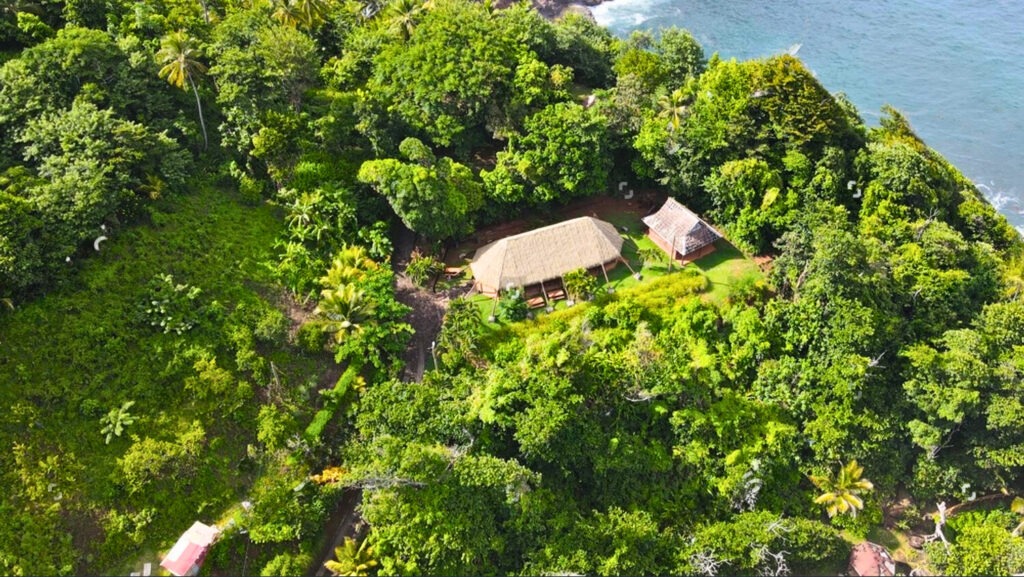
Aerial view of Kalinago Barana Aute
Kalinago Barana Aute
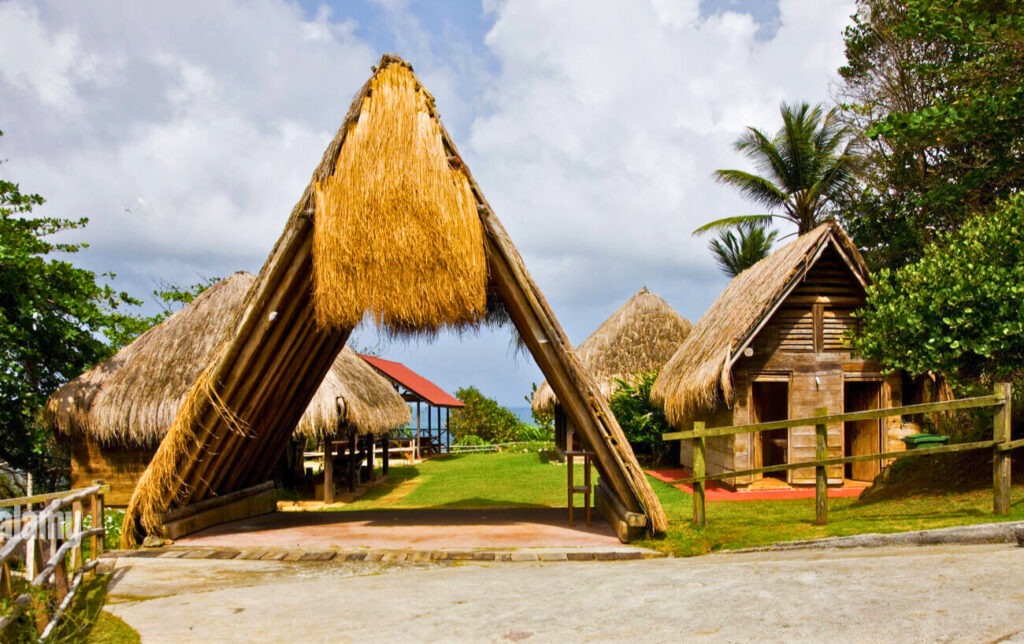
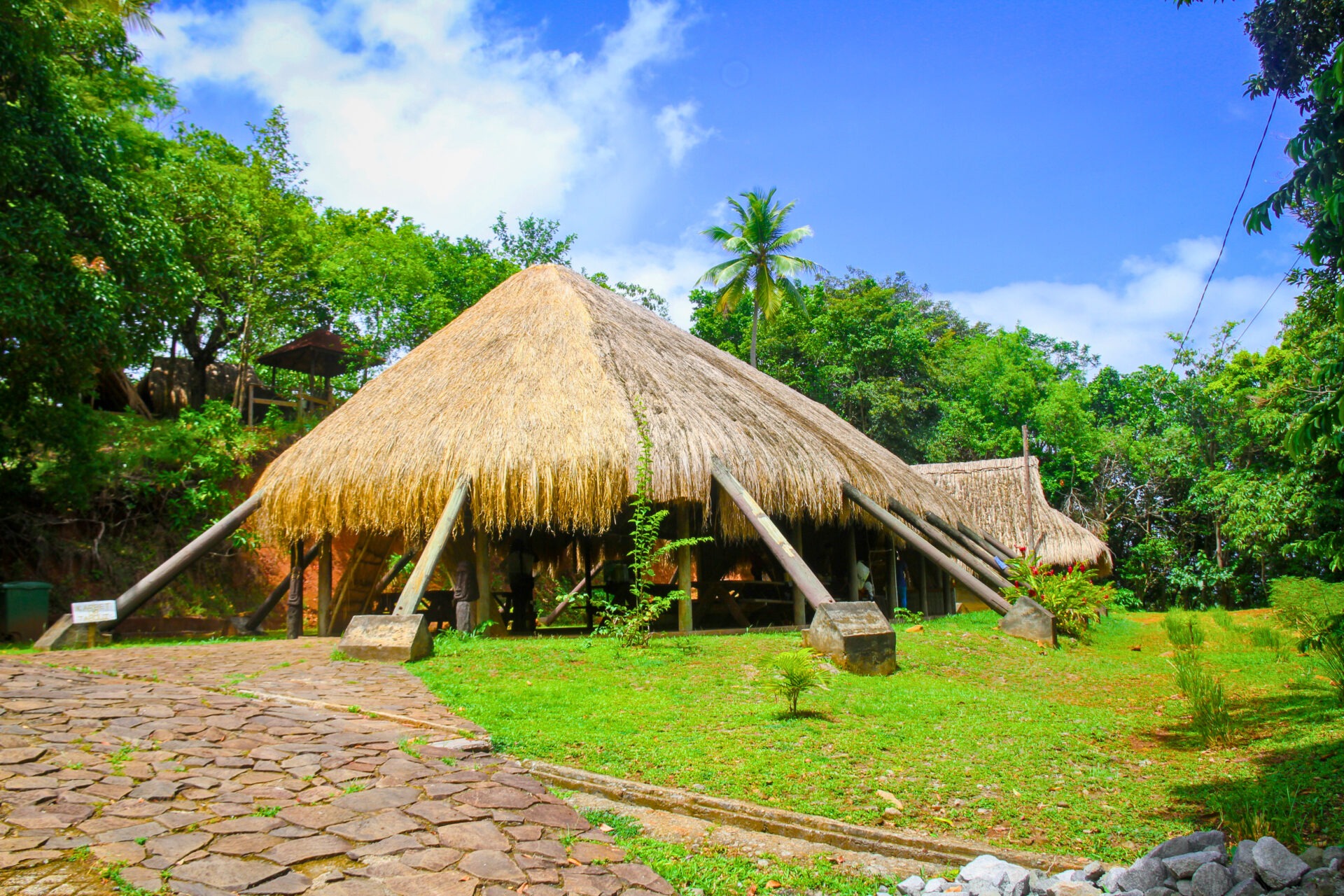
A glimpse of Kalinago Barana Aute, showcasing traditional indigenous architecture.

A Revitalization Initiative for the Kalinago Barana Aute

Recently, the Ministry of Tourism of Dominica signed a contract worth XCD 275,668.30 for the restoration of the administrative building of the Kalinago Barana Aute. This initiative is part of a broader tourism development project aimed at revitalizing the region after the devastation caused by Hurricane Maria. Tourism Minister Denise Charles emphasized that this restoration is a critical step towards empowering the Kalinago Territory, creating jobs, and offering new economic opportunities.

This revitalization goes beyond mere physical restoration; it symbolizes a commitment to the Kalinago culture and the need to preserve their way of life amid contemporary challenges. By focusing on sustainable development, this place aspires to become a model for environmentally friendly and culturally respectful tourism.

Kalinago Barana Aute
Dominica Ministry of Tourism

A Unique Tourist Destination: The Kalinago Barana Aute

It has become an essential destination for travelers seeking an authentic experience in Dominica. In addition to guided tours and workshops, the site regularly hosts cultural events, including art exhibitions and traditional dance performances. These activities allow visitors to immerse themselves in Kalinago culture while supporting local artists and artisans.

Visitors can also savor traditional dishes, discovering the richness of Kalinago cuisine. These culinary experiences, combined with art and culture, transform this place into a space for exchange and sharing.

Kalinago Barana Aute
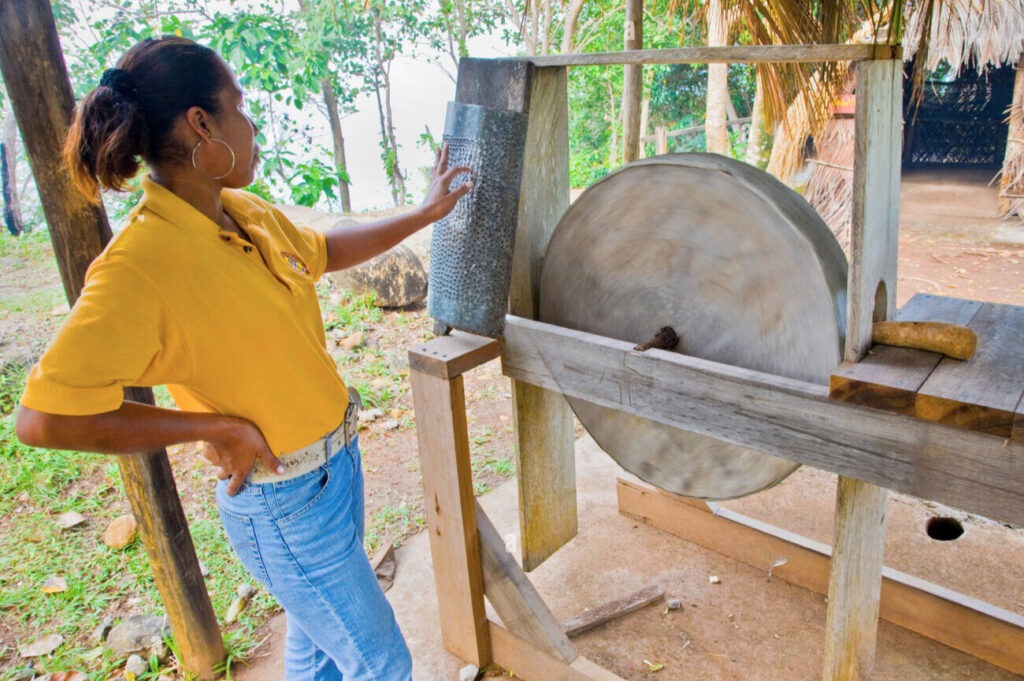
Kalinago Barana Aute A tour guide demonstrating a machine for milling cassava root
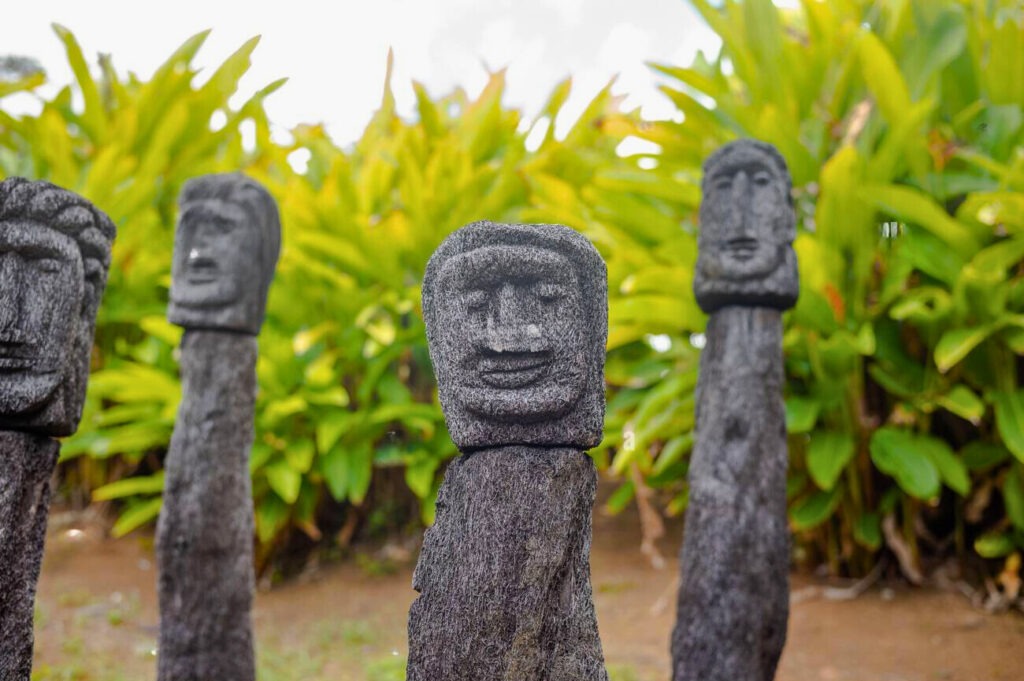
Carvings made by dominicas native kalinago population at kalinago barana aute

Cultural and Educational Importance of the Kalinago Barana Aute

It plays a crucial role in preserving the Kalinago culture. It serves as a space where traditions are lived and shared, contributing to raising awareness among visitors about the significance of indigenous culture. Educational visits are organized for schools and groups, allowing younger generations to understand and appreciate the Kalinago heritage.

Furthermore, the site is a meeting point for the Kalinago people themselves, providing them with a platform to celebrate their culture and strengthen their community identity. This location becomes a symbol of resilience, where culture and traditions continue to thrive.

Kalinago Barana Aute
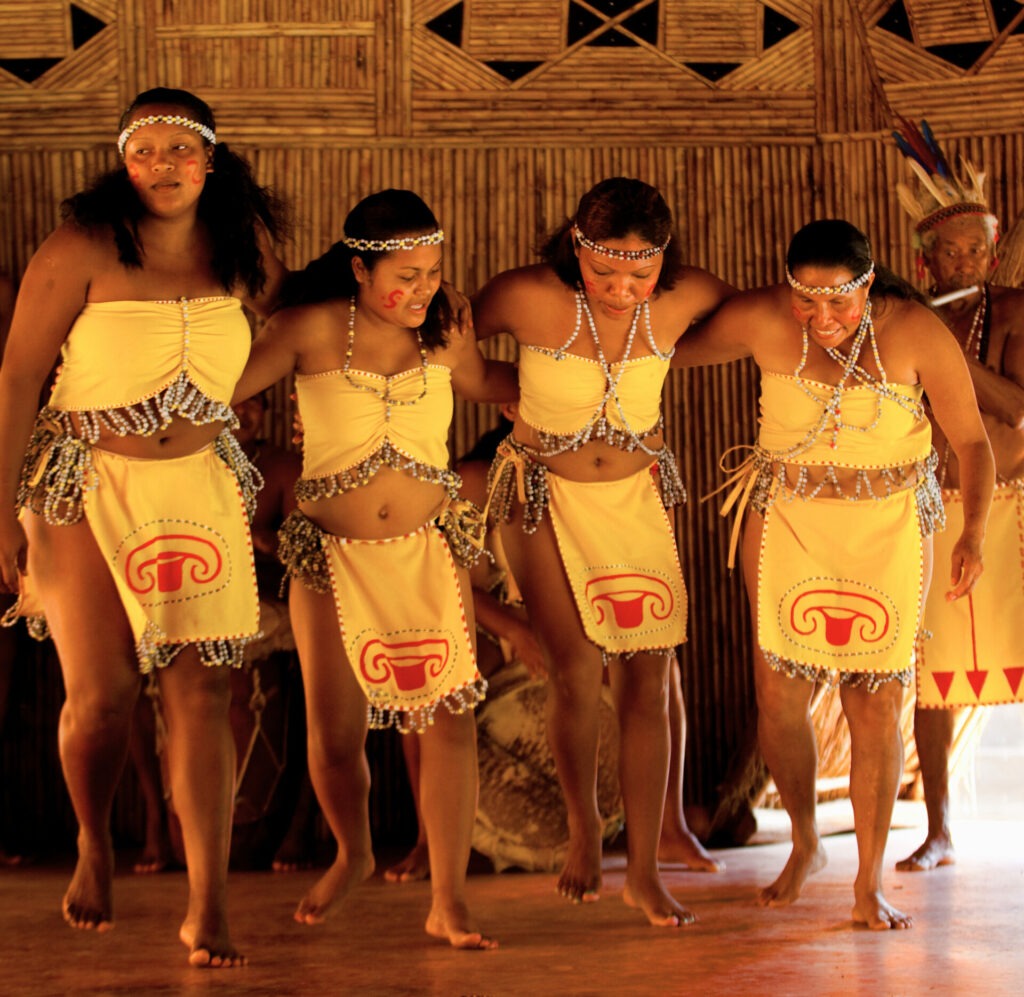
Kalinago Dance
Kalinago Barana Aute
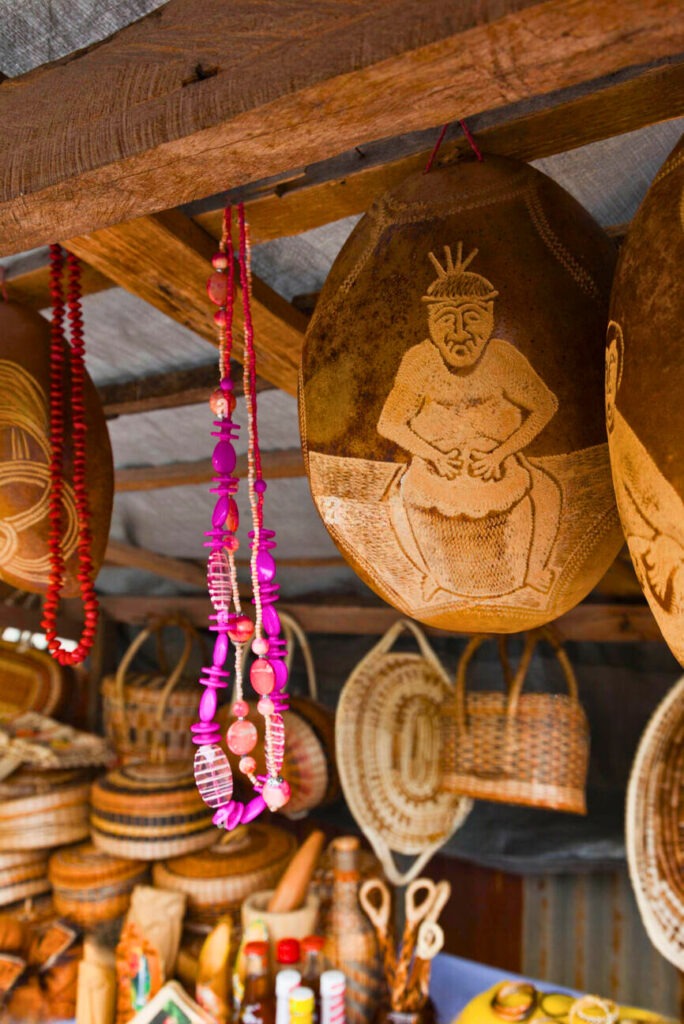
Dominica kalinago barana aute carib heritage village souvenirs

Experience the Kalinago Barana Aute

The Kalinago Barana Aute is far more than just a tourist site; it is a symbol of Dominica’s cultural richness and a sustainable development model. By investing in the restoration and promotion of this iconic location, Dominica demonstrates its commitment to preserving the Kalinago heritage and promoting responsible tourism.

Visiting this place  means immersing oneself in Kalinago culture, discovering living traditions, and supporting a community striving to preserve its identity. As a tourist destination, the Kalinago Barana Aute invites you to explore the depth of Caribbean culture while contributing to a sustainable future for generations to come. 

Leave a Reply

Your email address will not be published. Required fields are marked *

More articles from RK

Caribbean cinema
FILM & VIDEO
Tolotra

S2/10 – Stories of Caribbean Cinema: Revolts, Slavery, and Caribbean Self-Assertion. Texts by Guillaume Robillard. Ciclic, 2026.

The Series Stories of Caribbean Cinema continues its journey through several decades of filmmaking in the region. Following a first episode that began in the 1960s—from Cuba to the emergence of Jamaican cinema with *The Harder They Come*—this second installment takes us to Trinidad and Tobago, Cuba, and then Guadeloupe. Amid social conflicts, the legacy of slavery, and political demands, three films demonstrate how Caribbean cinema took on history and power dynamics from the very beginning. This article is the second installment in a series of ten. The first installment is already available on Richès Karayib, and eight more episodes will continue this chronology through 2025. 1974: TRINIDAD AND TOBAGO – BIM, BY HUGH A. ROBERTSON Hugh A. Robertson has had an unconventional career path among Caribbean filmmakers. A New Yorker born to Jamaican parents, he got his start in the film industry at a very young age and held

Read More »
Sidney Poitier, actor born in the Bahamas, photographed in the 1960s
HISTORY & HERITAGE
Tolotra

Sidney Poitier, the first Black actor to win the Best Actor award in 1964

Sidney Poitier was born on February 20, 1927, in Miami, Florida, while his Bahamian parents were visiting to sell tomatoes; he later grew up without electricity or running water on Cat Island in the Bahamas. On April 13, 1964, he became the first Black actor to win the Oscar for Best Actor, for his role in *Lilies of the Field*. More than sixty years later, Nassau, the capital of the Bahamas, named one of the bridges connecting Cat Island to Paradise Island after him. A theater director who tells him he doesn’t know how to speak In 1946, in New York, Sidney Poitier walked into the basement of a library in Harlem where the American Negro Theatre was rehearsing. He was actually looking for a dishwashing job in the classifieds of the Amsterdam News when he stumbled upon an ad that read, “Actors Wanted.” The theater director listened to him

Read More »
Keshi yena, plat national de Curaçao servi avec riz et bananes plantain
CULINARY ART
Tolotra

Keshi yena, the cheese that turned leftovers into a source of pride for Curaçao

In Curaçao, keshi yena is a dish served on special occasions: a Gouda or Edam cheese that has been hollowed out and stuffed with meat, olives, and raisins. The very act of preparing this dish carries the memory of a colonial system in which items deemed worthless were discarded. What slave kitchens made of these leftovers continues to grace the island’s festive tables today. A dish to make as a family Many Curaçaoan families save keshi yena for Sunday meals or major celebrations, when the house is full of guests and they need a dish that can feed everyone. It takes time to prepare: you have to carefully hollow out a whole ball of cheese without piercing the rind, then fill it with a simmered meat stuffing before baking it in the oven until the cheese melts from the inside. This tradition, passed down from kitchen to kitchen, reveals a

Read More »

conTACT RK

we'd love to have your feedback on your experience so far

Join The List

Join our Richès Karayib community!  Sign up for our newsletter.

Want To Maximize Your Business Presence On Riches Karayib?

Complete the form to start the application