
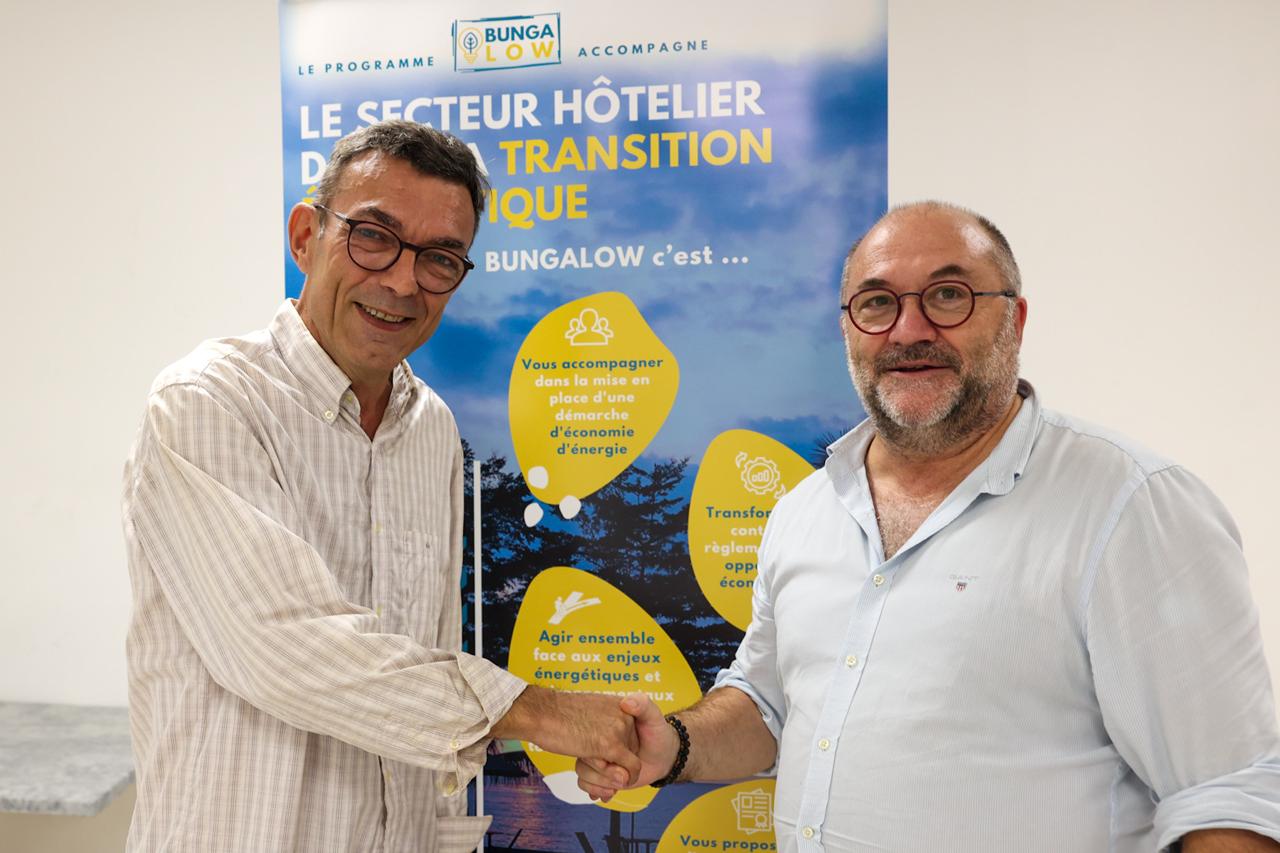
A successful first meeting for the energy transition in Martinique's hotel industry
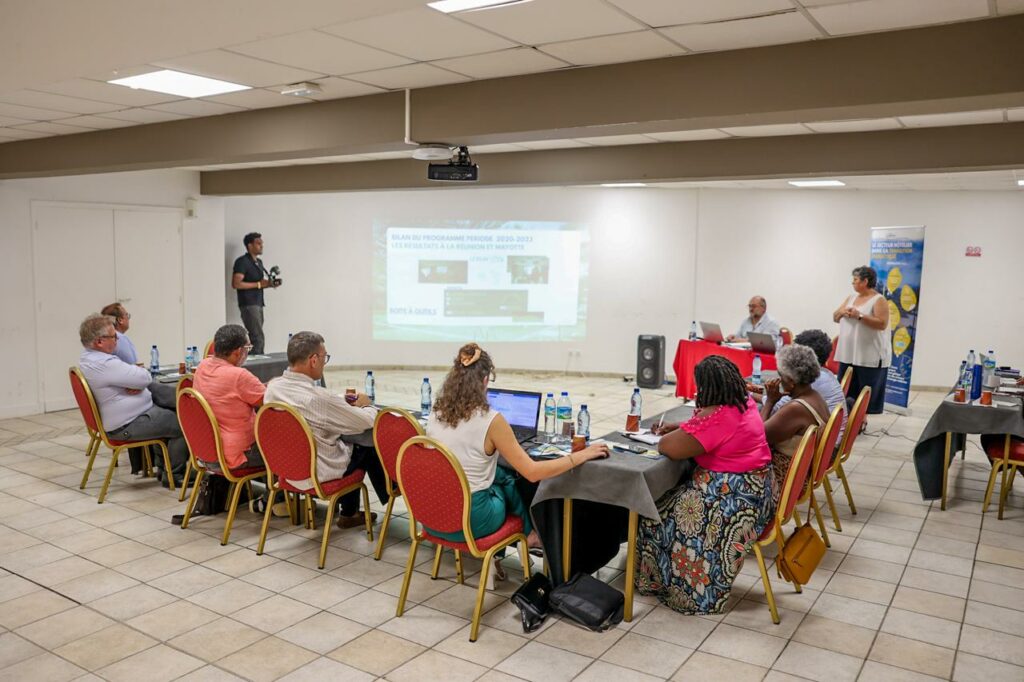
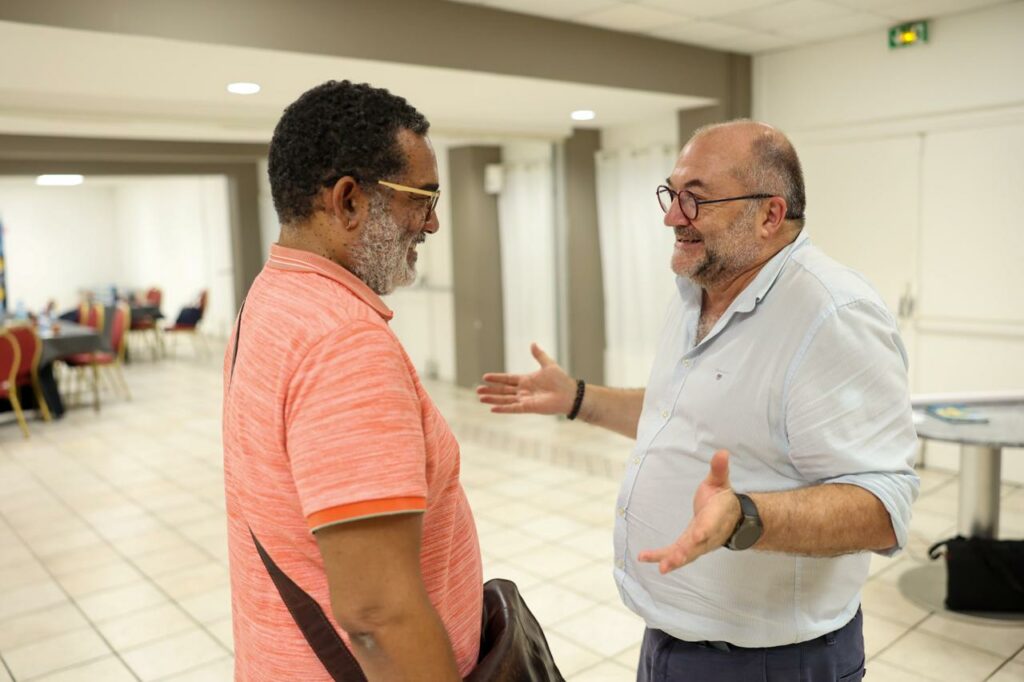
BUNGALOW: OnJanuary 29, Martinique hosted the first information meeting on the energy transition for collective accommodation. Organized as part of the BUNGALOW program, this initiative aims to help hotels and other tourist facilities optimize their energy consumption while reducing their environmental impact.
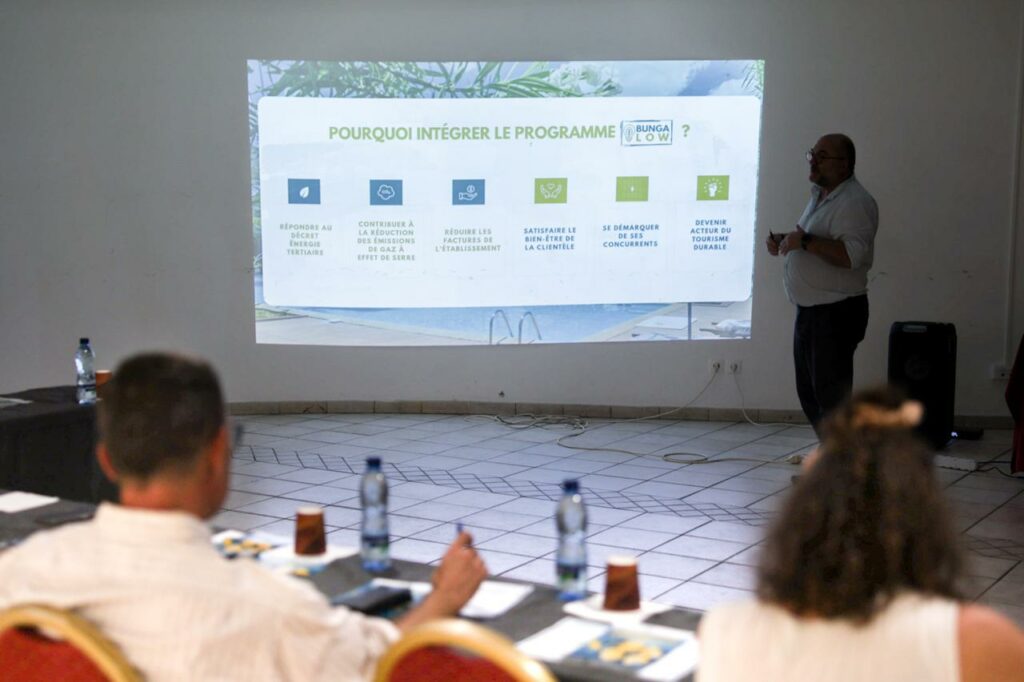
This is a crucial issue for the Caribbean islands, where tourism is not only an economic mainstay, but also a major source of greenhouse gas (GHG) emissions. Indeed, the tourism sector accounts for nearly 8% of global GHG emissions, with a significant share coming from accommodation establishments, notably due to air conditioning, water heating, lighting and household appliances.
Faced with the urgency of climate change and new regulatory requirements, notably the Tertiary Eco-Energy Decree, which imposes a 40% reduction in energy consumption for buildings over 1,000 m² by 2030, hotels in Martinique and Guadeloupe must adapt.
The BUNGALOW program provides a concrete response to these challenges, offering three-year support financed at 80% by Energy Savings Certificates (CEE). BUNGALOW enables tourism professionals to begin their transition without increasing their costs.
Five stages of support
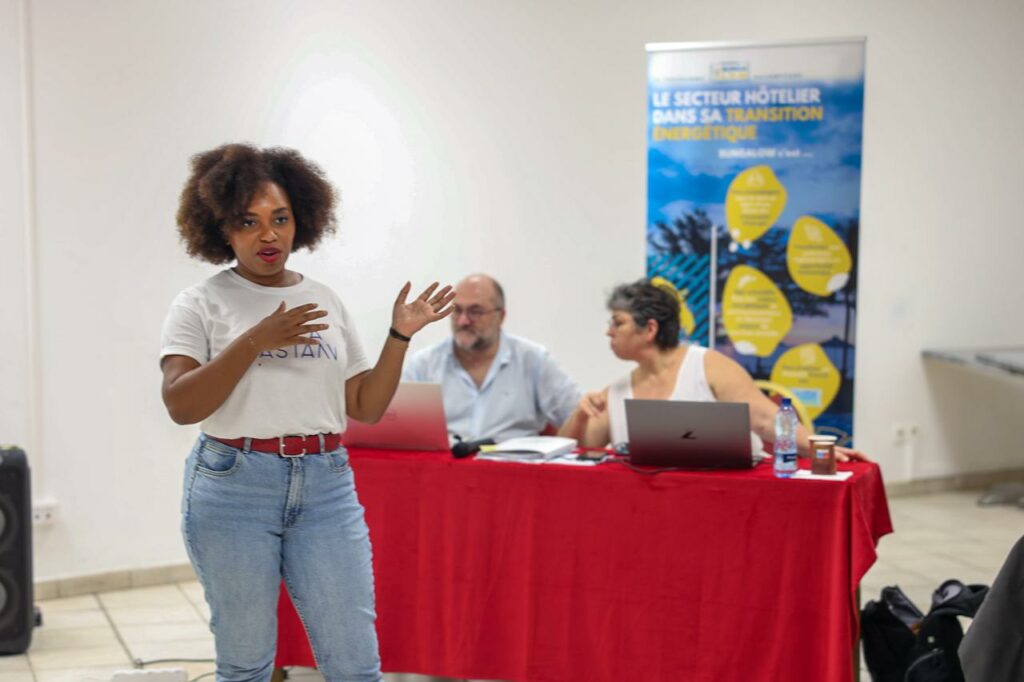
Launched by Tipee, in partnership with Imagine, Green Tech and Engie, the BUNGALOW program is based on a rigorous methodology. Christophe Philipponneau, Managing Director of Tipee, outlined the program’s five key stages:
- Energy audits: identify sources of consumption and propose appropriate solutions.
- Technical support: implementing eco-responsible equipment and practices.
- Remote reading: monitor energy consumption in real time.
- Staff training: raising awareness of best practices.
- Raising customer awareness: encouraging visitors to adopt sustainable behaviors.
According to Nejia Ferjani, director of the Imagine design office, simple actions such as optimizing lighting or installing presence detectors can generate immediate savings without compromising customer comfort.
Hoteliers already committed
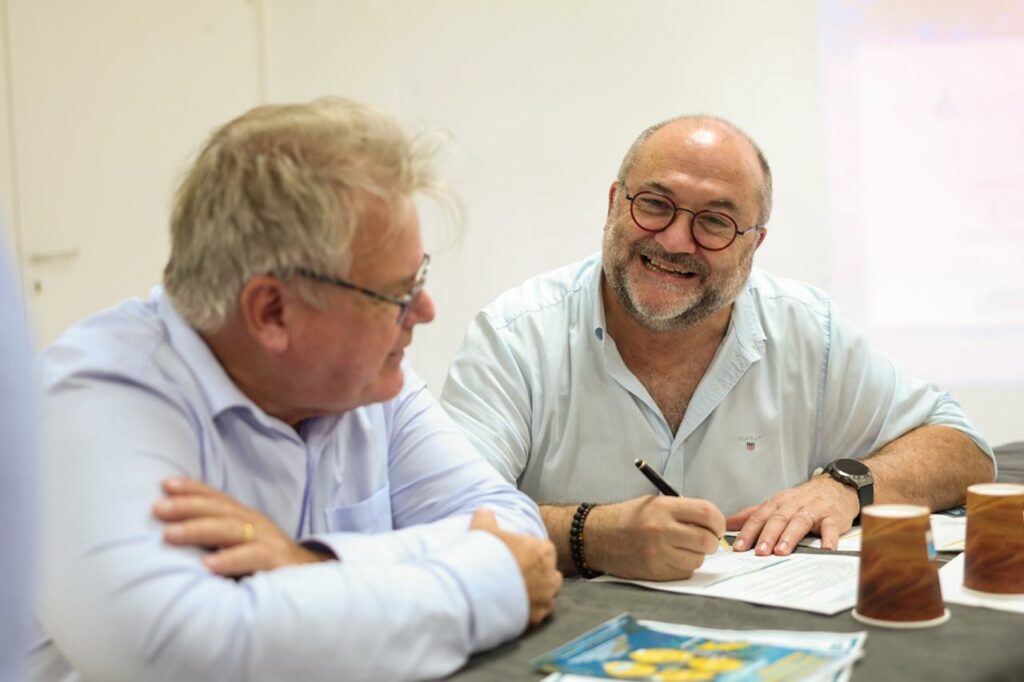
The meeting on January 29 attracted a great deal of interest from hoteliers on both islands. Patrice Fabre, President of Karibea Hotels, stressed the importance of expert support in adapting solutions to island realities.
For his part, Christophe Lupon, President of the UMIH Martinique, highlighted the benefits of the program in terms of regulatory obligations:
“This is significant funding for something that will become mandatory with energy regulations by 2030.”
Several establishments, including three Karibea hotels and the Suite Villa, have already signed up to the BUNGALOW program.
Sabrina Ajax, founder of Richès Karayib, emphasized that a hotel committed to an ecological approach attracts a clientele that is increasingly sensitive to environmental issues, while optimizing costs.
A call to hoteliers and promising prospects
With only 30 places available for Martinique and Guadeloupe, the organizers are urging establishments to come forward quickly.
“First come, first served”, insisted Christophe Lupon, reminding us of the urgent need to act in order to benefit from this financial support.
Next steps will include similar meetings in Guadeloupe and French Guiana, to extend this energy transition model to the whole of the French West Indies.
By joining the BUNGALOW program, hotels in Martinique and Guadeloupe not only meet the new standards, but also become key players in sustainable tourism, boosting their appeal and competitiveness in a fast-changing market. This represents a unique opportunity for hoteliers to position themselves as pioneers in sustainable development, while attracting a committed and responsible clientele. A promising future lies ahead.



One Response