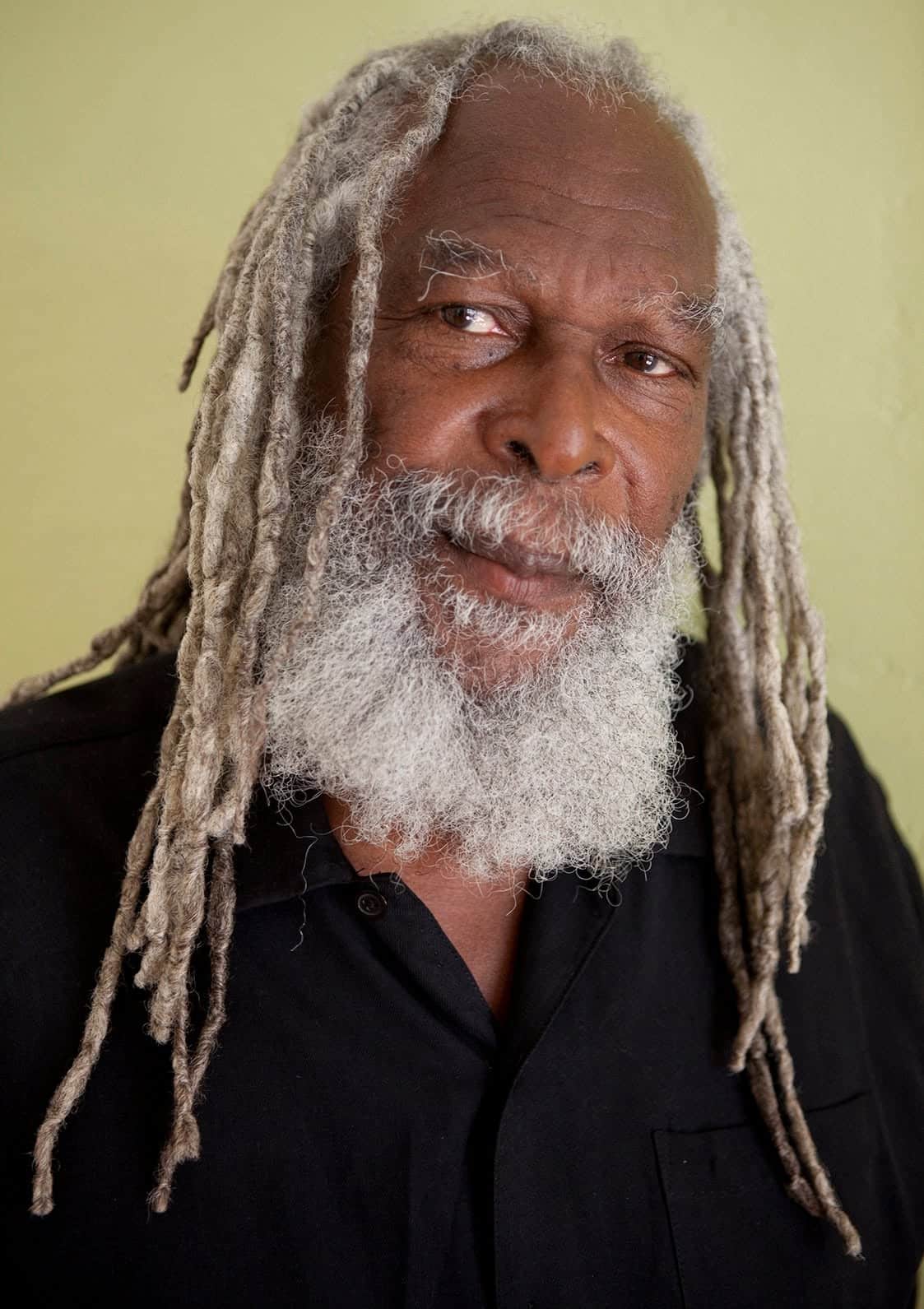
Gabriel Serville passed away on September 30, 2026, at the age of 67. As president of the Territorial Collectivity of French Guiana, a former mathematics teacher, and an occasional musician, he is remembered as a man of his word and of strong convictions.
Gabriel Serville has passed away
On Wednesday, September 30, 2026, French Guiana learned of the death of its president. Gabriel Serville had been hospitalized at the Cayenne University Hospital since Sunday, September 27—his 67th birthday—and he died three days later. The Territorial Collectivity announced that he had passed away peacefully that morning, surrounded by his loved ones. The next day, flags at all town halls across the territory were flown at half-mast. Tributes poured in from French Guiana to Paris, from Martinique to French Polynesia.
We remember a few simple things about him. He always found the right words. He was approachable, willing to listen, open to discussion, and had a sense of humor. A very endearing man. In public life, where people often have to raise their voices to be heard, this way of being meant a great deal. A teacher explains, repeats, and takes the time. We see this patience reflected in the legacy he leaves behind.
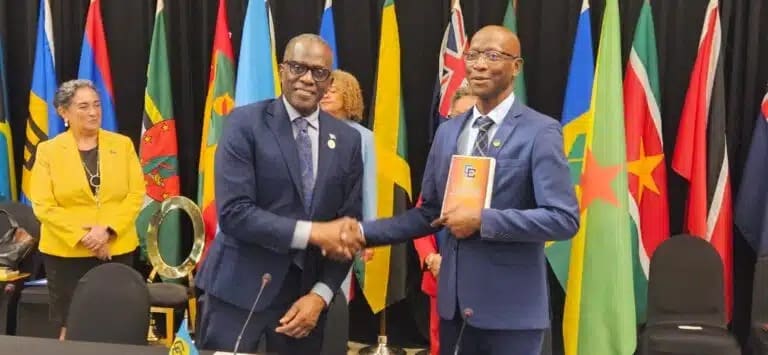
From a Classroom to the Presidency of French Guiana
Gabriel Serville was born in Cayenne on September 27, 1959, to a father who had immigrated from Saint Lucia and a mother originally from Mana. His family history serves as a reminder that French Guiana, on the South American continent, is also part of the greater Caribbean family. He began his career as a math teacher and later became the principal of a vocational high school. He also played jazz in his spare time. The precision of numbers on one hand and the improvisation of music on the other—these are two worlds that already reveal a great deal about a person’s character.
He then entered politics, joining the Democratic Forces of French Guiana. He became mayor of Matoury, a municipality in the Cayenne metropolitan area, and later a member of the National Assembly representing the first district; he was reelected in 2017 after serving nine years in the National Assembly. There, he became one of the leading experts on overseas issues. He then left the Guyanese Socialist Party to found, in 2018, the movement French Guiana, with “péyi” meaning “country” in Creole.
The 2021 territorial elections brought him to the helm of the Territorial Collectivity of French Guiana, a position he had held ever since. After spending several months away from the territory receiving medical treatment, he returned to French Guiana in June 2025.

Gabriel Serville, an elected official focused on the future of his region
In the National Assembly, Gabriel Serville made the fight against illegal gold mining, health, safety, and the fight against discrimination his key priorities. Defending the interests of French Guiana was his guiding principle. As head of the Collectivité, he championed the university hospital project, the change in French Guiana’s legal status, and the development of cooperation with neighboring regions.
These are three long-term projects that affect the health of Guyanese people, their institutions, and their place in the region—and that shape the future far beyond a single term in office. He was nicknamed Gabi. This affectionate nickname speaks volumes about the close bond many people shared with him.

What His Disappearance Leaves Unresolved
Gabriel Serville is leaving in the midst of his work, and for many he will remain “Gabi,” the man remembered for the precision of his words. The Collectivity’s Assembly must now elect a new president within the coming month, and his legacy lives on. The standing committee must be entirely renewed, which, according to the Collectivity, amounts to an almost complete reorganization. Will French Guiana be able to carry on the work he began, with the same way of speaking, persuading, and standing firm?
Sabrina Ajax and the entire Richès Karayib team extend their sincere condolences to his family, loved ones, and all of French Guiana.
Frequently Asked Questions
Gabriel Serville died on Wednesday, September 30, 2026, at the age of 67. He had been hospitalized at the Cayenne University Hospital since Sunday, September 27, according to an announcement by the Territorial Collectivity of French Guiana.
Gabriel Serville had served as president of the Territorial Collectivity of French Guiana since 2021. A former math teacher and principal of a vocational high school, he also served as mayor of Matoury and then as a member of the National Assembly for nine years.
His successor has not yet been named. The Collectivité’s assembly must elect a new president within the next month.