Our existence relies on the fundamental pillar of nutrition. It is much more than a biological necessity; it plays a crucial role in our physical health and overall well-being. Eating is not limited to the mere consumption of food; it reflects our culture, socio-economic background, and environment.
Today, Healthy Eating and Balanced Diet have become essential topics because our dietary choices can significantly influence our health. With public health concerns on the rise, understanding and adopting responsible eating habits has become crucial for living healthily.
Healthy Eating and Balanced Diet: Are They Achievable?
A Healthy Eating and Balanced Diet should ideally be a part of daily life in the Caribbean. However, many individuals face challenges that hinder their ability to eat healthily.
Reasons for Unhealthy Eating Habits
- Economic Constraints: Many families in the Caribbean encounter economic challenges, making it difficult to prioritize healthy foods. Processed and convenient foods, often cheaper and more accessible, have become the norm.
- Availability of Fresh Produce: In some areas, particularly those reliant on imports, fresh fruits and vegetables may not be easily available. This lack of accessibility can lead to a dependence on canned or packaged foods, which are less nutritious.
- Cultural Influences: While traditional Caribbean cuisine is rich in nutrients, globalization has introduced fast food and processed options that are frequently preferred for their convenience and taste. This shift can overshadow healthier food options from local gastronomy.
- Lack of Nutrition Education: There is often a lack of awareness regarding what constitutes a Healthy Eating and Balanced Diet. Educational initiatives focused on nutrition can help individuals make healthier choices and understand the importance of local ingredients.
What is Healthy Eating and Balanced Diet?
A Healthy Eating and Balanced Diet includes a variety of foods from all food groups at every meal, including proteins, fats, and carbohydrates. It is essential to understand that carbohydrates are not just the added sugars found in beverages but also come from sources like grains, fruits, and certain vegetables. A Healthy Eating and Balanced Diet incorporates these elements at each meal, ensuring a diverse intake of nutrients that reflect the vibrant culinary traditions of the Caribbean.
The Link Between Food self-sufficiency in the Caribbean and Healthy Eating
Food self-sufficiency is a crucial concept for the Caribbean region, where economic and environmental challenges directly influence the health of populations. The interconnection between food sovereignty and healthy eating deserves close examination, as it highlights the importance of consuming local foods and promoting sustainable food systems.
What is Food self-sufficiency ?
Food self-sufficiency refers to the ability of a community or country to produce enough food to meet its dietary needs. This involves not only agricultural production but also access to healthy, nutritious, and culturally appropriate foods. In the Caribbean islands, where food imports are common, strengthening food sovereignty can reduce dependence on imported food items and improve the nutritional quality of local diets.
Impact on Health
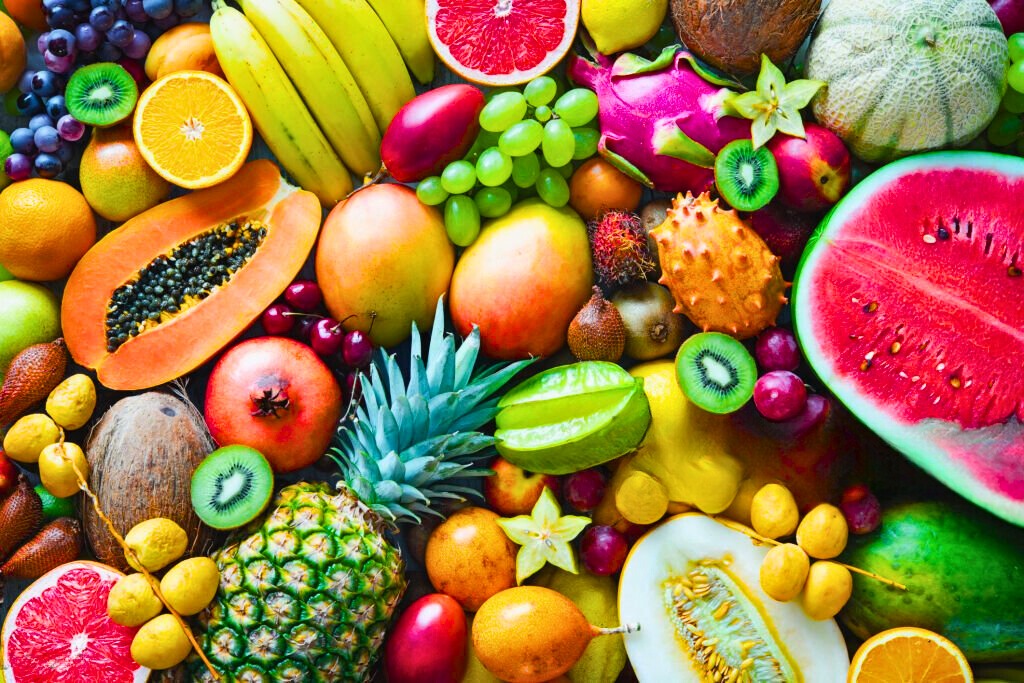
Increased food sovereignty allows communities to consume more fresh, seasonal, and locally grown foods, which are essential for healthy eating. Local products, such as fruits, vegetables, legumes, and fish, are often more nutritious than processed imported foods. By incorporating these foods into their daily diets, Caribbean residents can benefit from improved physical and mental health.
Cost Reduction and Sustainability
Consuming local foods can also help reduce food costs. Imported products are often more expensive due to transportation and storage costs, while locally grown foods are generally more affordable. By promoting food sovereignty, communities can develop sustainable food systems that support the local economy while ensuring access to healthy foods.
Valuing Traditional Agricultural Practices
Food sovereignty also encourages the appreciation of traditional agricultural practices, which are often adapted to the region’s environmental conditions. These practices may include growing local varieties of fruits and vegetables that are not only nutritious but also resistant to diseases and climate conditions. Reconnecting with these traditional methods strengthens not only food security but also local culture and identity.
The 50-25-25 Rule: A Strategy for Healthy Eating?
The well-known 50-25-25 rule suggests that a plate should consist of 50% vegetables, 25% proteins, and 25% carbohydrates. This rule serves as a general guideline for improving one’s plate and moving towards a Healthy Eating and Balanced Diet. The 50% of vegetables should include a variety of types, many of which are locally grown and reflect the rich agricultural heritage of the Caribbean.
For proteins, choices can range from fresh fish and plant-based options to meats sourced from sustainable practices. Carbohydrates should be rich sources, such as grains and fruits that are abundant in the region.
While this rule is beneficial, it is important to note that nutrition is highly individual. People with specific health conditions may need to tailor their diets accordingly, exploring local flavors and ingredients that resonate with their heritage.
The Role of Fats in a Healthy Diet
Some might wonder if the absence of fats in the 50-25-25 rule implies that fats should be eliminated from a Healthy Eating and Balanced Diet. This is not the case; fats are essential. Most foods naturally contain some fats. For instance, olives, avocados, and coconut are staples in Caribbean cuisine, providing healthy fats that enhance both flavor and nutrition. The focus should be on how foods are prepared and the quality of fats used in cooking, celebrating the culinary techniques that have been passed down through generations.
Benefits of Healthy Eating and Balanced Diet
A Healthy Eating and Balanced Diet form the foundation of well-being. Modern medicine emphasizes prevention over treatment. A healthy diet can help avoid certain conditions like diabetes and hypertension, which are prevalent in many communities. Moreover, good nutrition positively impacts mental health. People who eat well tend to concentrate better, feel more energized, sleep better, and integrate more smoothly into society. Embracing local cuisine not only promotes health but also fosters a sense of pride in cultural identity.
Correcting the Signs of Poor Nutrition
Is it easy to correct the signs of poor eating habits? While it may not be straightforward, visible changes can occur with dietary adjustments. For instance, many individuals may experience improvements in skin conditions simply by altering their diets. Simple changes, whether drastic or gradual, can lead to significant improvements in health, especially when incorporating local fruits and vegetables that are rich in nutrients.
Choosing the Right Foods for Healthy Eating and Balanced Diet
When selecting foods, there are two scenarios. One involves seeking professional guidance to assess and create a personalized nutrition plan based on individual needs. The other involves individuals making choices for themselves. In either case, incorporating a variety of fresh fruits and vegetables into every meal is key to achieving a Healthy Eating and Balanced Diet. It isn’t necessary to completely eliminate certain foods, but reducing industrial sugars is crucial for health while emphasizing the use of local ingredients.
The Impact of Restrictive Diets on Healthy Eating
In today’s world, many people embark on restrictive diets. Are these practices truly healthy in the long term? It’s important to clarify that the focus should be on eliminating industrial sugar and processed foods rather than following extreme diets. Each person’s needs are unique, and what works for one individual may not work for another.
The Importance of Hydration in Healthy Eating
Hydration is vital for a Healthy Eating and Balanced Diet. The body cannot function properly without adequate water intake. The minimum recommendation is about 2.5 liters of water per day, but this may vary based on activity levels. Proper hydration supports a Healthy Eating and Balanced Diet, as the body needs sufficient water to function effectively, particularly in tropical climates where hydration is essential.
Access to Healthy Eating and Balanced Diet
For those who believe that healthy eating is expensive, this misconception can often stem from seeking out exotic or imported foods. It is possible to maintain a Healthy Eating and Balanced Diet using locally available products. Embracing local produce can make healthy eating more accessible and affordable, allowing individuals to connect with their cultural roots while promoting sustainability.
In conclusion, it is essential to prioritize health rather than just focusing on weight. The journey towards better health starts with personal choices. It’s important not to wait until health issues arise before making dietary changes. With a commitment to a Healthy Eating and Balanced Diet, many health problems can be prevented.