
Hibiscus Records relaunches its history: New Bloom, an evening of tribute and transmission

Hibiscus Records

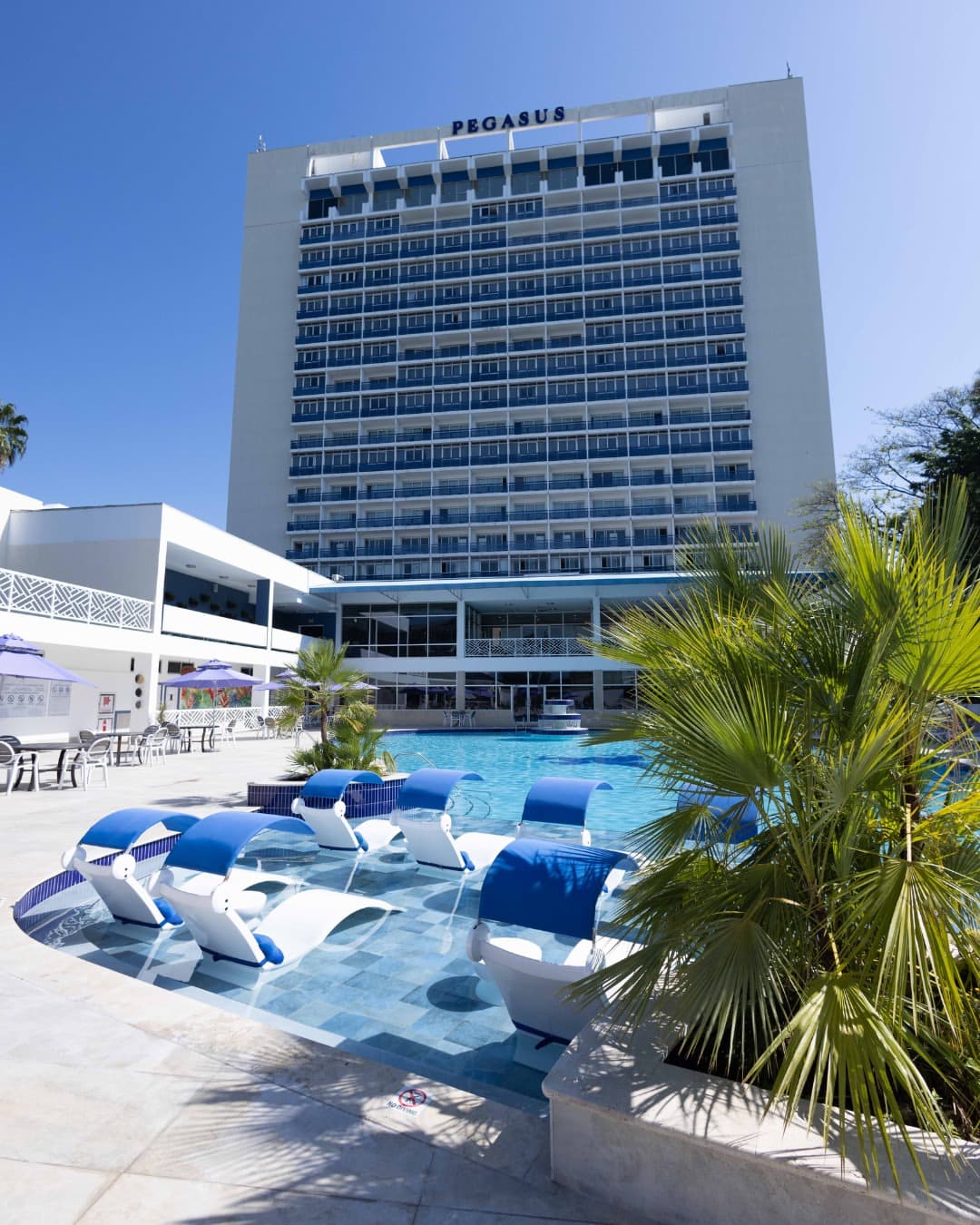
On Thursday November 20, at the Le Grand Bleu restaurant in Le Diamant, Hibiscus Records celebrated its comeback with New Bloom, a cocktail party attended by artists, partners, media and close friends of the label. An evening designed as a moment of gratitude and transmission, featuring a showcase by Dédé Saint-Prix and Demwazel Dys.

A pioneering label for Martinican music

Founded in 1983 by Jean-Michel Mauriello and his wife Marilène, Hibiscus Records was born of a strong desire to offer West Indian artists a creative space, to affirm independent production and to promote Martinique’s musical heritage at a time when it was largely ignored by the major French record companies. In the small Clairière studio in Fort-de-France, generations of musicians recorded their first projects.

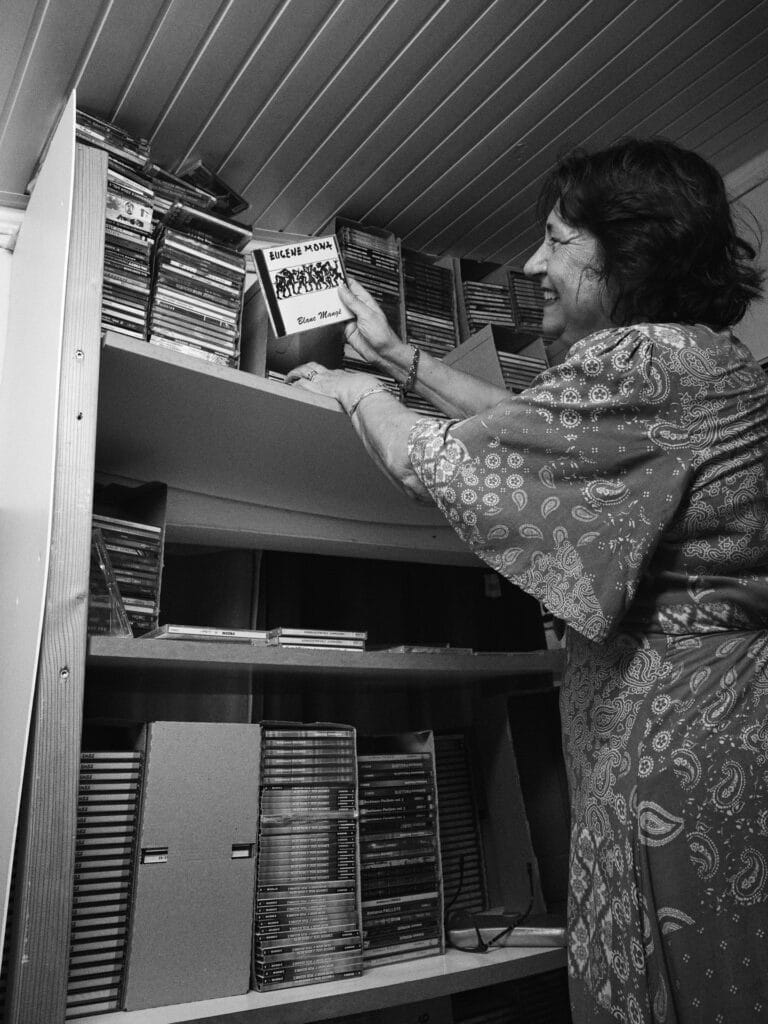
Over 350 albums were produced, including works by Dédé Saint-Prix, Éric Virgal, Kali, Max Ransay, Eugène Mona, Jean-Luc Guanel, Manuel Césaire, Thierry Lof, Tony Chasseur, Marcé, and members of Kwak, Taxi Kréol, Tabou Combo and Magnum Band.

Jean-Michel Mauriello was known for his attentiveness and passion. Every project was treated as a challenge, as a cultural mission. This is also what enabled the label to become a truly Martinican music label, recognized throughout the island.

Hibiscus Records
Hibiscus Records
Hibiscus Records
©Hibiscus Records
©Hibiscus Records
©Hibiscus Records

Putting to rest before the renaissance

In 2016, changes in the market, the disappearance of record stores, the collapse of physical sales and the dominance of digital technology weakened the independent music ecosystem. Hibiscus Records went dormant. But its influence has not disappeared. The catalog lives on in the collective memory and repertoire of the artists who shaped it, an ensemble that fully belongs to the Caribbean musical heritage.

2025: revive, protect and pass on

Forty years after its creation, Marilène Mauriello, supported by her daughter Jessica Mauriello and accompanied by KRIBBEAN, a Martinican cultural start-up committed to promoting the Caribbean musical heritage, decided to relaunch the label.

It’s no longer a question of recreating a studio or becoming a producer in the traditional sense. As Mike Ponin, founder of KRIBBEAN, reminds us: “Our mission is to safeguard this heritage and pass it on to the next generation.

The watchword then becomes Kontinié alé, meaning keep moving forward.

Hibiscus Records
Hibiscus Records

Jean-Christian Duquet, founder of Inveo Consulting, recounts his discovery of the Hibiscus Records story from Canada, and underlines the “special emotion” he feels at being part of the rebirth of a label which, in his words, “evokes creativity, passion and musical audacity”. He also reiterates his wish to see the label become “an incubator of talent and a catalyst for Martinique’s cultural influence, capable of shining on all international stages”.

Hibiscus Records

New Bloom: an evening of encounters and emotions

From the start of the evening, guests gather around a warm cocktail reception. The atmosphere is simple and genuine: discussions around the buffet, reunions between artists, exchanges between institutions, memories evoked, projects imagined.

The stage set up by the pool becomes the heart of the gathering. This is where the voices embodying the label’s mission are expressed.

Hibiscus Records
Hibiscus Records
Hibiscus Records
Hibiscus Records

A moving tribute to Jean-Michel Mauriello

One of the highlights was the tribute read by Jessica Mauriello.

Through tender, poetic text, they recall the man he was: Martiniquais at heart, a lover of Creole, passionate about music, a domino player, a fine cheat at Rummy, a lover of spicy dishes and impromptu parties.

They also tell of the visionary producer who listened to every artist late into the night.

The one who loved their mother “without cry, without promise, but deeply”.

The tribute ends with the Creole expression:

“À la kwakan’s papa!”

The applause that followed testified to the respect and affection many had for him.

Hibiscus Records
Hibiscus Records
Hibiscus Records

Music takes center stage: Dédé Saint-Prix and Demwazel Dys

The evening continues with Demwazel Dys, the next generation. She says she’s honored to be here to celebrate the label’s revival. She invites the audience to come closer, creating an intimate and generous atmosphere.

One of his pieces pays tribute to Eugène Mona which she describes as a contemporary reinterpretation, a bridge between her own age and that of a vanished master. She emphasizes that this title would never have existed without the benevolence of Marilène Mauriello to further applause.

Hibiscus Records

Then comes Dédé Saint-Prix, a major figure on the label, opens the stage with his usual energy. His presence is a reminder of what Hibiscus Records has meant for Martinican music: a space for creative freedom.

Hibiscus Records

A call to build together

The evening highlights a simple idea: recovery can only be achieved through collective involvement. Artists, institutions, companies, enthusiasts – everyone contributes something.

Participating in this new page means contributing to the preservation and digitization of the catalog, supporting its distribution in the Caribbean and beyond, and encouraging the new generation inspired by the pioneers.

Hibiscus Records
Hibiscus Records
Hibiscus Records
Hibiscus Records

A new page for Hibiscus Records

New Bloom wasn’t just an event. It was a way of announcing that the story goes on.
With a committed team, a present community and a solid heritage, Hibiscus Records enters a new phase: preserving, transmitting and inspiring.

A new lease of life for a label that has shaped Martinique’s music and is poised to shine for a long time to come.

FAQ

New Bloom is an evening organized by Hibiscus Records to celebrate the rebirth of the Martinique-based music label and highlight its role in the Caribbean musical heritage.

The label returns to preserve, transmit and enhance its historic catalog, with the support of KRIBBEAN and the Mauriello family, in an intergenerational approach.

The evening brought together Demwazel Dys, Dédé Saint-Prix and Dominique Lorté, artists who illustrate the link between the pioneers and the new generation of Martinican music.

Leave a Reply

Your email address will not be published. Required fields are marked *

More articles from RK

Crowd celebrating Republic Day in Port of Spain, Trinidad and Tobago
HISTORY & HERITAGE
Tolotra

Trinidad and Tobago is celebrating the 50th anniversary of its Republic on September 24

On September 24, Trinidad and Tobago celebrates its 50th anniversary as a republic. In 1976, fourteen years after gaining independence, the country replaced the British crown with a fully national presidency. Fifty years later, this day tells the story of a nation that has chosen to govern itself—and that continues to grapple with what that autonomy truly means. On September 24, 1976, inside the Parliament building in Port of Spain, Sir Ellis Clarke took the oath of office. He no longer swore allegiance to a distant monarch, but to Trinidad and Tobago itself. He was no stranger to the public eye. A native of Port of Spain, he had won a scholarship to study mathematics at Saint Mary’s College before studying law in London and being called to the bar at Gray’s Inn. Returning to the country in 1941, he rose through the ranks of the colonial administration, eventually becoming

Read More »
Peter Minshall, Trinidad and Tobago carnival costume designer, in portrait
THEATER & PERFORMANCE
Tolotra

Peter Minshall, the man who invented the Olympic Tube Man

On July 16, 1941, Peter Minshall was born in Georgetown, British Guyana, and grew up in Port of Spain, Trinidad and Tobago, where he became the greatest carnival costume designer of his time. In 1996, for the Atlanta Olympics, he collaborated with Israeli artist Doron Gazit to create an inflatable figure that sways in the wind—a design now visible in front of thousands of gas stations around the world, though almost no one knows it originated on the streets of Trinidad’s carnival. This Thursday, September 24, 2026—the day Trinidad and Tobago celebrates Republic Day—we profile an artist who has taken the “mas” far beyond his island. Peter Minshall, the boy who brings a fabric hummingbird to life in Port of Spain yIn 1974, in Port of Spain, Peter Minshall made a hummingbird costume for his adoptive sister, Sherry-Ann Guy, to be worn at the Trinidad and Tobago Carnival. Twelve people

Read More »
Caribbean Cinema
FILM & VIDEO
Tolotra

Stories of Caribbean Cinema, Maroon Culture, Transmission, and the Imagination. Texts by Guillaume Robillard. Ciclic, 2026

The history of Caribbean cinema continues its journey through the 1980s. After three episodes devoted to the early developments of several cinematic movements in the region, this fourth installment brings together two films from Martinique and one from Curaçao. From the “marronnage” in *Le Sang du flamboyant* to the international trajectory of *Rue Cases-Nègres*, and on to the unique worldof *Almacita di Desolato*, these three works explore different relationships to memory, oral tradition, Africa, and Caribbean imaginaries. This article is the fourth installment in a series of ten. The first three are already available on Richès Karayib, and six more will continue this story through the 2020s. 1981: MARTINIQUE — *The Blood of the Flamingo*, by François Migeat This film is unique in Caribbean cinema. Indeed, its director is a “Metropolitan” (that is, a white man from mainland France who had no deep-rooted ties to the French West Indies) who

Read More »

conTACT RK

we'd love to have your feedback on your experience so far

Join The List

Join our Richès Karayib community!  Sign up for our newsletter.

Want To Maximize Your Business Presence On Riches Karayib?

Complete the form to start the application