Ocean governance in the Greater Caribbean is undergoing a major transformation with the activation of the Ocean Coordination Mechanism (OCM). This PROCARIBE+ initiative marks a decisive step forward for the sustainable management of marine resources, a strategic priority for the region’s maritime and economic professionals. Ocean governance in the Greater Caribbean is a vital issue that deserves all our attention, especially in a context where environmental challenges are increasingly pressing.
A crucial challenge for Caribbean maritime players
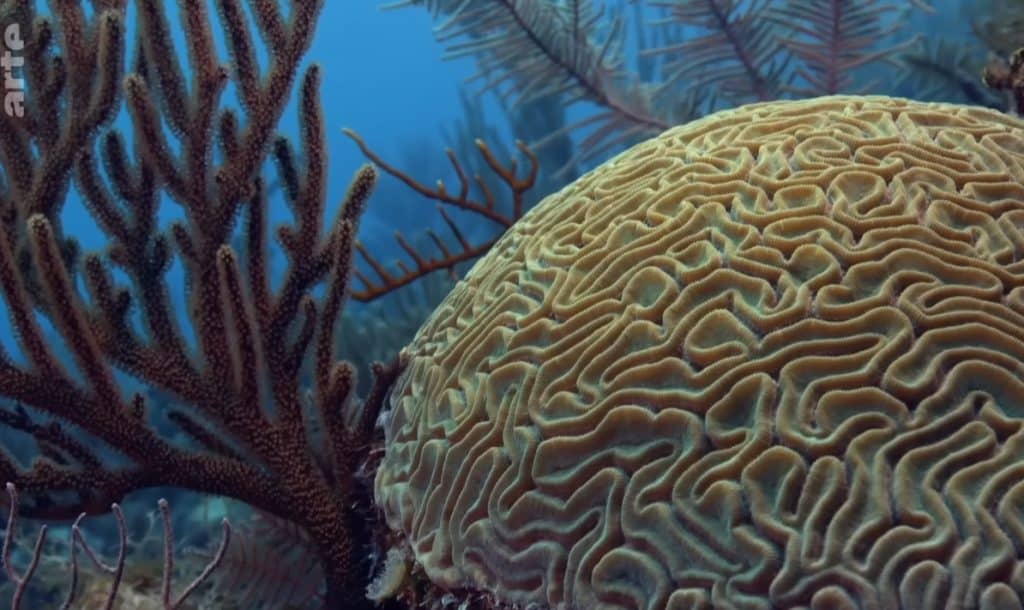
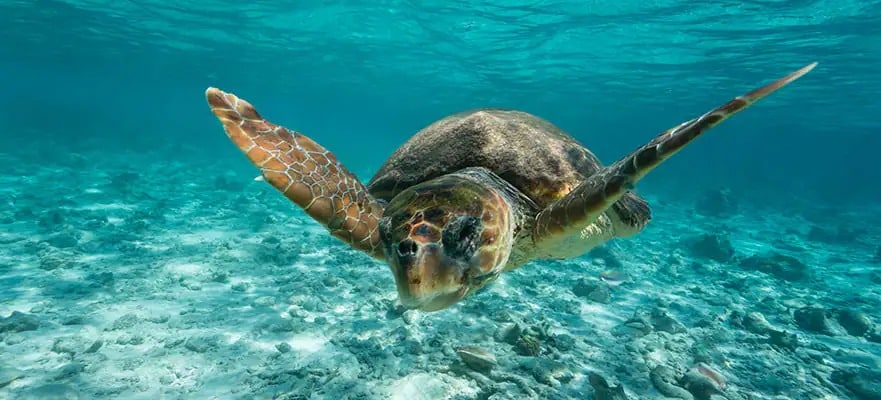
The Caribbean maritime sector relies on rich and varied marine ecosystems, which support essential industries such as fishing, shipping and coastal tourism. However, these resources face increasing threats from pollution, overexploitation and the impacts of climate change. These challenges make the need for effective governance even more urgent. The establishment of the CMO aims to improve regional coordination to meet these challenges and ensure the economic viability of maritime activities. Thus, ocean governance in the Greater Caribbean is becoming an imperative for local stakeholders, who must navigate a complex and constantly evolving environment.

A structured action program
The CMO is based on three major axes to strengthen ocean governance:
- Harmonization of Maritime Policies
The CMO facilitates the alignment of national regulations with regional and international ocean management commitments. This harmonization is essential to optimize cooperation between states and ensure sustainable exploitation of marine resources. It is crucial that every country in the region understands the importance of this harmonization. Ocean governance in the Greater Caribbean requires a coherent legislative framework that is respected by all.
- A Monitoring Mechanism for Marine Ecosystems
A continuous monitoring system is being set up to assess the state of the oceans and the effectiveness of conservation measures. This monitoring will enable decision-makers and businesses to adapt their strategies in line with environmental and economic developments. Ocean governance in the Greater Caribbean relies on reliable, up-to-date data. It also requires transparent reporting and clear communication between all stakeholders.
- Developing a Resilient Blue Economy
The CMO encourages a sustainable approach to maritime activities by promoting innovative economic models that integrate ecosystem protection. The blue economy represents a considerable opportunity for entrepreneurs and investors wishing to reconcile economic growth with ocean preservation. The governance of the oceans in the Greater Caribbean must also include this economic dimension, by supporting initiatives that promote sustainable development while ensuring business profitability.
PROCARIBE+'s role in this initiative
PROCARIBE+ is a regional program that actively supports the implementation of the Ocean Coordination Mechanism (OCM). It follows on from the CLME+ project and aims to strengthen integrated ocean governance in the Greater Caribbean. Its aim is to foster effective collaboration between states, intergovernmental organizations and economic players to ensure the conservation and sustainable use of marine resources.
PROCARIBE+ rests on several pillars:
- The inclusion of Caribbean states and territories in the decision-making process to ensure better regional coordination.
- Support for environmental policies, bringing national regulations into line with international commitments for coherent ocean management.
- Financing and resource mobilization, by attracting investment and facilitating access to international funds for marine protection.
- Technological innovation and research, encouraging the development of modern solutions for monitoring marine ecosystems and the transition to a sustainable blue economy.
With PROCARIBE+, ocean governance in the Greater Caribbean benefits from a strengthened structure, guaranteeing better management of marine resources and a more effective response to environmental challenges.
What impact for Caribbean companies and states?
The activation of the CMO represents a strategic opportunity for companies in the maritime sector:
Sustainable fishing :
The adoption of new regulations to guarantee the replenishment of fish stocks and ensure the sustainability of the sector is a priority. This includes the introduction of fishing quotas and closed seasons to allow fish populations to reproduce.
Sea transport :
Strengthening port infrastructures and bringing them into line with international standards is essential to attracting more investment. Modern, efficient ports can serve as engines of growth for local economies.
Coastal tourism :
Implementing sustainable practices to preserve the beaches and coral reefs that guarantee the attractiveness of the region is crucial. Sustainable tourism can also help raise visitor awareness of the importance of marine conservation.
Funding and partnerships :
Mobilizing international funding and encouraging collaboration between public and private players are necessary to accelerate maritime innovation. Partnerships between governments and the private sector can help create innovative solutions to complex challenges.
Challenges and prospects
Despite these advances, a number of challenges remain:
- Regional coordination : Effective cooperation between different states and intergovernmental organizations is essential. The diversity of national policies can sometimes hinder the harmonization required for effective governance.
- Limited resources : Financing the implementation of marine protection policies without hampering economic development remains a challenge. Governments need to find ways of financing these initiatives while maintaining economic growth.
- Stakeholder engagement : Raising awareness and involving local stakeholders in responsible ocean management is essential to ensure the success of initiatives. Community participation can strengthen conservation efforts.
- Innovative technologies : Integrating new technological solutions to improve the effectiveness of conservation policies and optimize the use of marine resources is a key challenge. Technologies can contribute to data collection and ecosystem monitoring.
- Education and training : Developing specialized training programs for professionals in the maritime sector, to enhance skills and promote sustainable use of ocean resources, is essential. Education plays a crucial role in transforming attitudes towards marine resources.
The activation of the Ocean Coordination Mechanism represents a decisive turning point for ocean governance in the Greater Caribbean. By optimizing the management of marine resources, this initiative strengthens the resilience of island economies and offers the region’s professionals new prospects for sustainable growth. The future of the Caribbean maritime sector will depend on the ability of states and companies to take advantage of this dynamic to reconcile economic exploitation with environmental preservation.
Through close collaboration between governments, institutions and economic players, the region will be able to build an exemplary model of maritime governance, guaranteeing a prosperous future for generations to come. Ocean governance in the Greater Caribbean is more than a necessity, it is a commitment for the future, and it is imperative that all stakeholders work together to meet the challenges ahead.