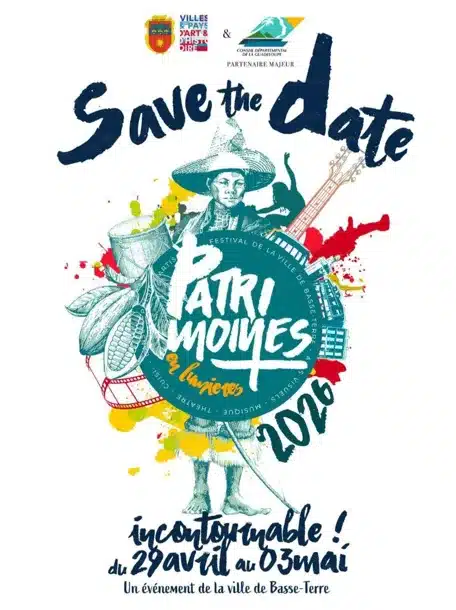
From April 29 to May 3, 2026, the city of Basse-Terre will host the second edition of the festival Patrimoines en Lumières 2026 is now a fixture on the Guadeloupean cultural calendar. After a highly acclaimed first edition in 2024, this biennial event has established itself as a structuring initiative, at the crossroads of heritage enhancement and contemporary artistic creation.
Conceived as a truly immersive journey, the festival transforms the capital into a living space where monuments, public spaces and emblematic sites become the mediums for a renewed artistic narrative. For five days, residents and visitors alike will rediscover Basse-Terre through a rich, accessible program deeply rooted in the region’s identity.
A festival that gives new meaning to Basse-Terre's heritage
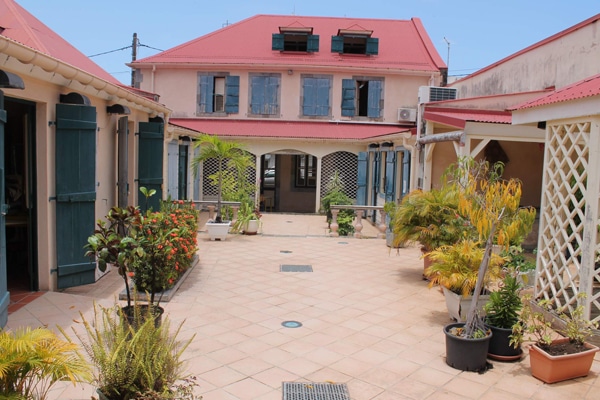
With Patrimoines en Lumières 2026, the City of Basse-Terre is asserting a clear vision: to make heritage a lever for cultural, social and territorial development. The Guadeloupean capital has been awarded the Ville d’art et d’histoire (City of Art and History) label, and boasts a rich architectural, historical and intangible heritage that is often little-known by the general public. The festival offers a contemporary interpretation of this heritage, showcasing it through artistic installations, performances and immersive experiences. The aim is twofold: to pass on the collective memory, while making it part of a contemporary dynamic, capable of touching all generations.
This approach will also reposition Basse-Terre as a major cultural hub in Guadeloupe and the Caribbean, boosting its appeal to local and international audiences.
Multi-disciplinary programming open to all
The Patrimoines en Lumières 2026 festival stands out for the diversity of its programming. The event is not limited to a single format, but offers a genuine artistic journey:
- – live shows
- – concerts
- – film screenings
- – conferences and meetings
- – guided walks
- – participatory workshops
- – youth initiatives
- – contemporary art proposals
- – heritage culinary experiences
Each discipline contributes to building bridges between memory and creation, tradition and modernity, transmission and innovation. The festival thus appeals to a wide audience, from cultural enthusiasts to families and professionals in the arts.

Caribbean and international artists already announced
The artistic program for Patrimoines en Lumières 2026 is beginning to take shape, with an initial selection of established artists. This diversity reflects the festival’s desire to cross influences and showcase talent from the Caribbean and beyond.
Among the names announced:
- – Arnaud Dolmen
- – Beethova Obas
- – Big In Jazz Collective
- – Demwazel Dys
- – E.sy Kennenga
- – Gasandji
- – House An Nou
This first wave illustrates a demanding artistic line-up, blending jazz, contemporary music, hybrid creations and contemporary expressions. It also heralds a program that favors quality, diversity and dialogue between cultures. A number of events have already been identified, including musical performances at L’Artchipel, Scène nationale, and artistic performances from workshops, integrated into the overall festival program.

An immersive experience in the heart of the city
For five days, Patrimoines en Lumières 2026 transforms Basse-Terre into an open-air space for artistic exploration. Heritage sites become living stages, combining light, sound, image and movement. Visitors are invited to move from one site to another, take part in guided walks, attend performances or take part in workshops. This immersive dimension is one of the strong points of the festival, which favors direct experience and active discovery. In this way, the city is redesigned as you walk along, offering a fresh reading of its history and urban landscapes.


A project supported by major institutional partners
The Patrimoines en Lumières 2026 festival is organized by the City of Basse-Terre, with the support of the Conseil départemental de la Guadeloupe, a major partner of the event. It is also supported by the Direction des Affaires culturelles of Guadeloupe, Saint-Martin and Saint-Barthélemy, as well as L’Artchipel, Scène nationale. This collaboration testifies to a shared desire to structure an ambitious cultural offering, capable of boosting the region’s visibility and supporting local artistic players. By mobilizing these institutions, the festival is part of a global strategy for cultural development, in which heritage and creation become tools for cohesion and outreach.
Ramp-up scheduled for 2026
Following the success of its first edition, Patrimoines en Lumières 2026 marks an important step in the consolidation of this event. The 2026 edition promises to be more structured, more ambitious and more visible, with a program that is currently being rolled out. The gradual announcement of artists and events is helping to maintain a dynamic of attention around the festival, while leaving room for new revelations in the weeks to come. This rhythm of communication accompanies the rise of the event, which is becoming an essential fixture on Guadeloupe’s cultural scene.
Practical information
📅 Dates: from April 29 to May 3, 2026
📍 Location: Basse-Terre, Guadeloupe
🎭 Type of event: multidisciplinary festival (heritage, arts, music, cinema, conferences)
👥 Public: all audiences
🎟️ Detailed programming and ticketing: to be unveiled gradually.
Patrimoines en Lumières 2026 offers an immersive experience in the heart of the city of Basse-Terre, where heritage becomes a medium for artistic expression. For five days, historic monuments, public spaces and emblematic sites are transformed into open stages hosting concerts, live performances, screenings, visual installations, conferences and workshops. The festival also includes guided walks to help visitors better understand the city’s history, as well as initiatives dedicated to young people. This diversity allows each visitor to build his or her own pathway between culture, discovery and transmission.
The 2026 edition of Patrimoines en Lumières will feature a multi-disciplinary artistic program, mixing Caribbean talent with international artists. Several names have already been announced, including Arnaud Dolmen, Beethova Obas, Big In Jazz Collective, Demwazel Dys, E.sy Kennenga, Gasandji and House An Nou. Performances will cover a wide range of artistic universes, from jazz and contemporary music to hybrid creations and contemporary proposals. Added to this are a variety of formats such as cinema, lectures and open-air performances, reinforcing the richness and diversity of the festival.
Patrimoines en Lumières is gradually establishing itself as a structuring event for Guadeloupe, and in particular for the city of Basse-Terre. The festival plays a key role in promoting the region’s tangible and intangible heritage, while supporting contemporary artistic creation. It also contributes to strengthening the capital’s cultural appeal and creating links between residents, artists and visitors. Backed by major institutional partners and an accessible program, the event is part of a wider dynamic of cultural development and knowledge transfer, both locally and throughout the Caribbean.