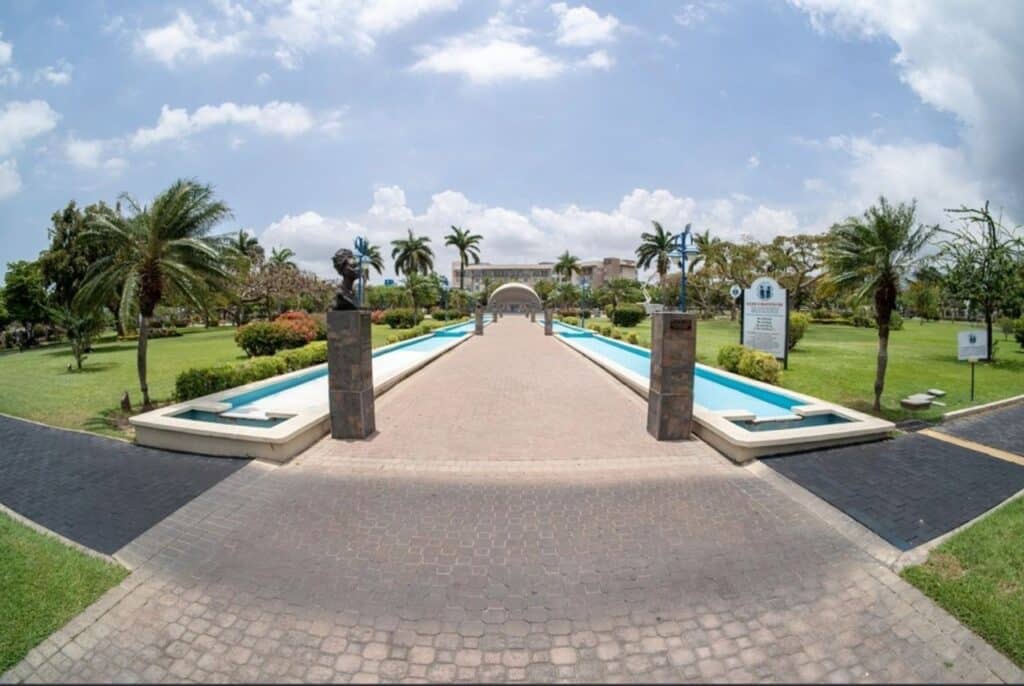
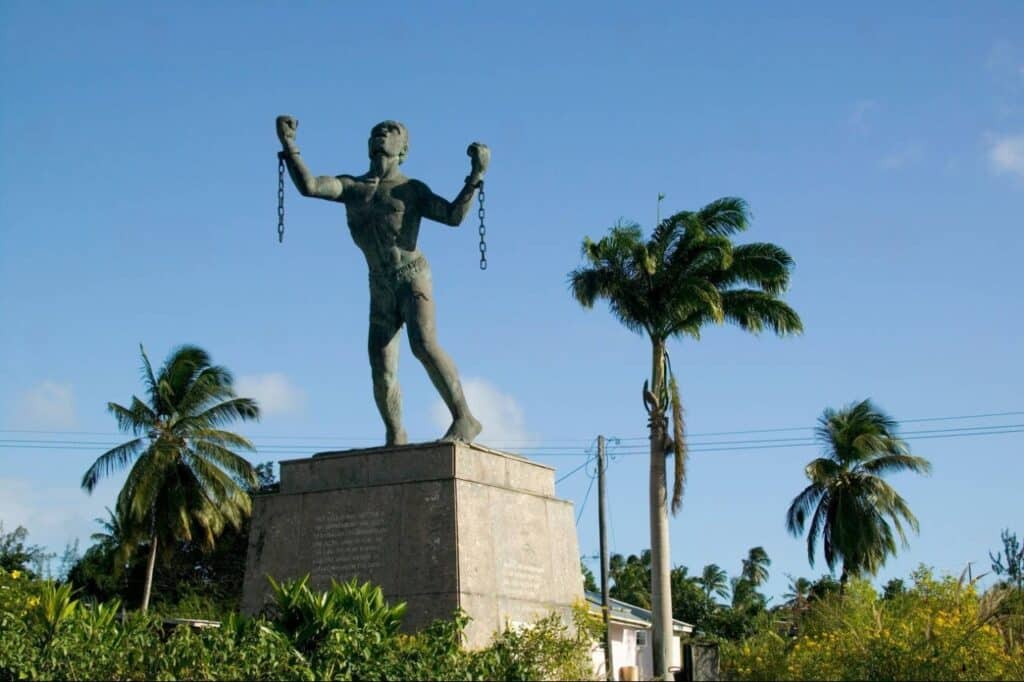
Jamaica. Five months after Hurricane Melissa, the island is sending out a strong signal to the entire Caribbean: the country passed the one million visitor mark in the first quarter and has announced US$956 million in foreign currency earnings. For tourism authorities, this result confirms the speed of the recovery. For industry observers, above all, it shows that a destination hit by a climatic shock can quickly regain its place in the international travel circuit when confidence remains high.

A striking figure, which must be clearly understood

The million mark is impressive, but it needs to be read with care. In Jamaica, the category of visitor arrivals covers more than just tourists staying in hotels. National statistics distinguish between stay-over visitors, cruise passengers and other profiles included in overall arrivals. This nuance is important, as it enables us to correctly measure the scope of the announcement: the country has indeed returned to a high level of visitor arrivals, without this automatically meaning a million holidaymakers staying on site for several nights.

The first data available for 2026 show that the recovery has built up rapidly, but without erasing the consequences of Melissa all at once. In the first two months of the year, stayover arrivals were still below those of the previous year, as were cruise arrivals. The million mark passed in the first quarter is therefore a sign of a solid recovery, in a context that was still fragile just a few weeks earlier.

Jamaica
©VisitJamaica

A recovery also driven by confidence

In island territories, tourism depends on infrastructure, of course, but also on external perception. After a hurricane, travellers want to know that airports are working, roads are passable, hotels are back in business and, above all, that their stay can be enjoyed in good conditions. This is where Jamaica has clearly succeeded in reassuring travellers. The authorities insisted on a central point: international confidence in the country’s ability to recover and maintain a high level of hospitality.

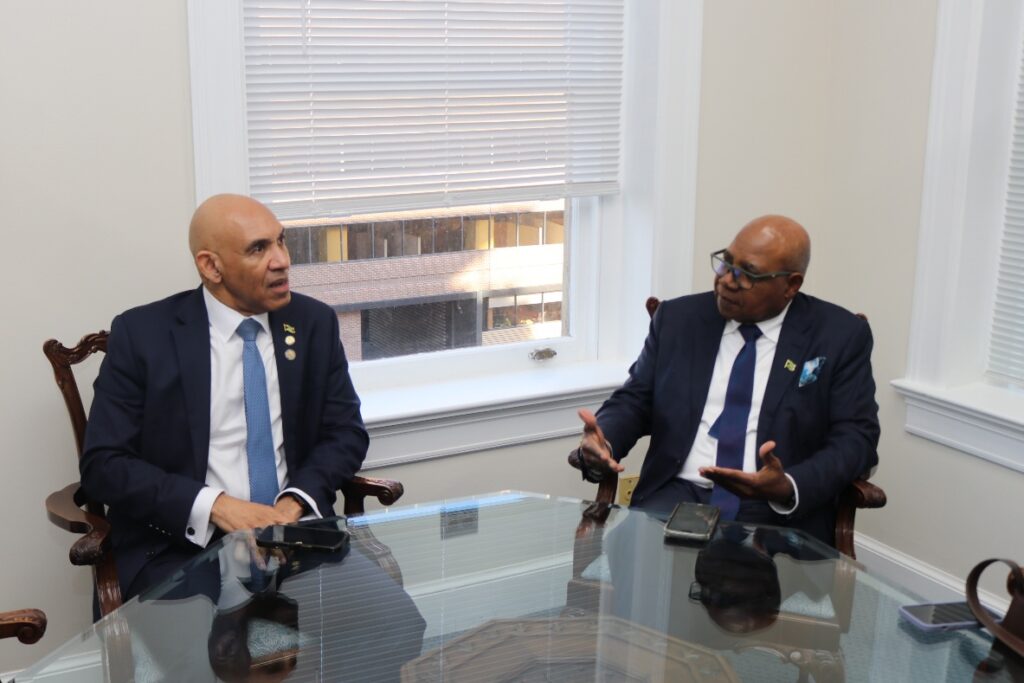
This confidence has been nurtured by another often underestimated player: the diaspora. At a meeting in Washington, Jamaican officials reminded us just how much the country’s communities abroad play a concrete role in its image. Even before making a reservation, future travelers listen to what their relatives, colleagues and friends have to say. When a diaspora speaks confidently about its island, corrects misinformation and encourages visitors to return, it plays a direct part in the recovery.

Jamaica
©VisitJamaica
Jamaica
Photo by David I Muir

Market diversification begins to take its toll

Another element worthy of attention is the growth of markets that still occupy a more modest position than North America, but whose rise may reinforce the sector’s stability. Director of Tourism Donovan White reports a 25% year-to-date increase in the Latin American market and a 7% rise from Asia. These developments show that Jamaica is also making progress in the field of diversification, an important issue in limiting dependence on a few traditional emitting basins.

This movement takes on particular importance after a natural disaster. When a territory depends on a limited number of markets, the slightest slowdown can have a serious impact on revenues. Conversely, a broader customer base can cushion shocks and enable business to pick up more quickly. In Jamaica’s case, this gradual opening-up to other parts of the world complements the return of regular visitors.

Beyond the hotels, an entire economy is catching its breath

For Jamaica, this tourism rebound goes far beyond being a good indicator of visitor numbers. On the island, tourism supports an entire chain of activities: transport, catering, agriculture, crafts, services, culture and local commerce. When arrivals return, so does the income that flows back into areas that are sometimes far removed from the major seaside resorts. This is what gives this first quarter an economic and social significance that goes far beyond a simple assessment of the season.

The $956 million announced also serves as a reminder of the importance of foreign currency in the equilibrium of an island economy. In a country exposed to the vagaries of the weather, preserving this capacity to rapidly generate external revenue is becoming a central issue. The result put forward by the authorities does not resolve all the weaknesses revealed by Melissa, but it clearly indicates that the tourism machine has picked up speed again.

Jamaica
Jamaica

What Jamaica is showing the region today

Jamaica offers a picture of resilience that is of interest throughout the Caribbean. The country is demonstrating that rapid recovery relies on several levers at once: rehabilitated infrastructure, credible communication, a mobilized diasporic network and a continued presence on international markets. This million mark does not close the chapter opened by Melissa. Rather, it marks an important milestone: one in which a territory regains the initiative, reassures its visitors and puts an essential part of its economy back into motion.

Because Jamaican statistics use a broad category of visitor arrivals. It encompasses several types of visitation, with a distinction between stays and cruises. This clarification helps us to understand that the million announced corresponds to the total number of visitors recorded over the quarter.

The figures show a rapid recovery, but the first data for 2026 still indicated a decline in some segments compared with the previous year. The turnaround is therefore real and impressive, while still taking place in a period of still recent reconstruction.

Because it directly influences the country’s image abroad. After a hurricane, travelers look for signs of reliability. Jamaican communities based off-island can provide reassurance, correct rumors and encourage travel, helping to sustain bookings and confidence.

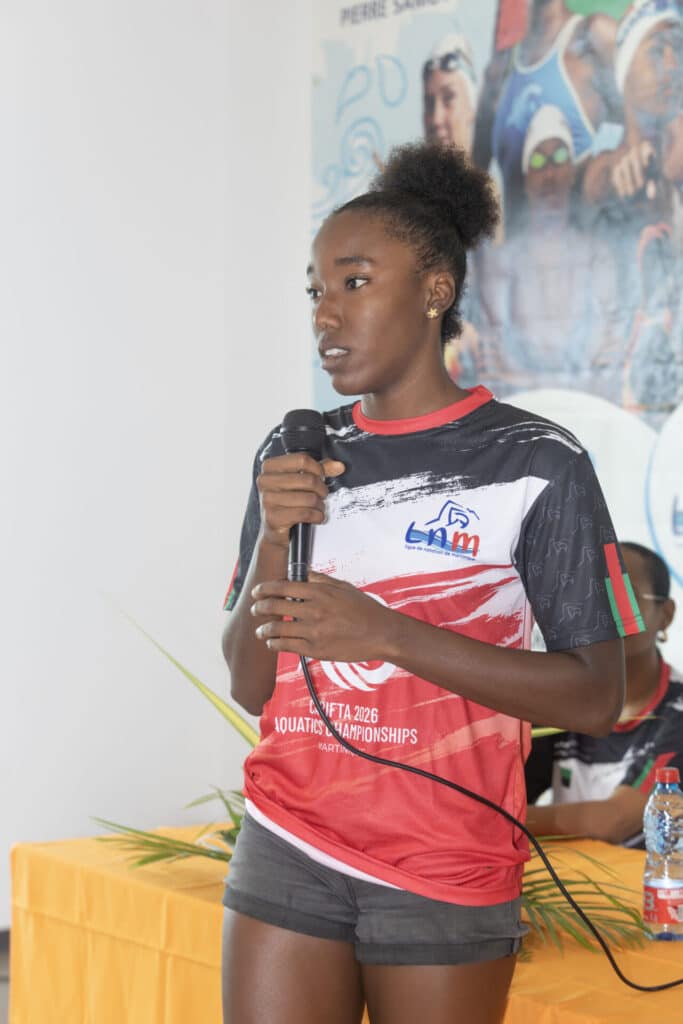
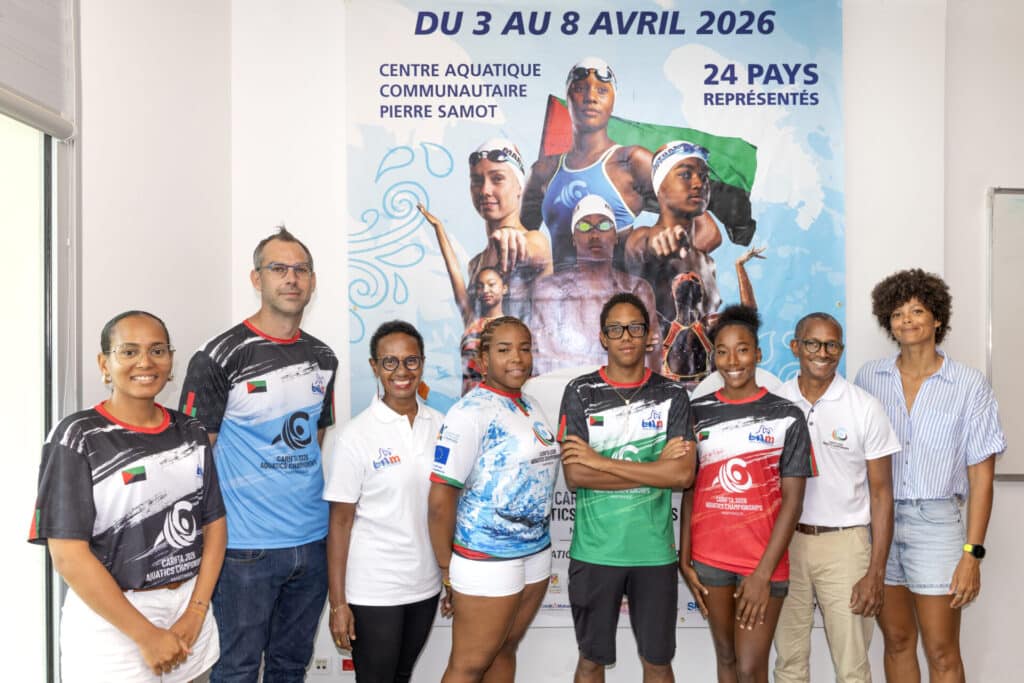
On Saturday March 28, at the Centre Aquatique Pierre Samot in Le Lamentin, the CARIFTA Aquatics Championships 2026 press conference was more than just an information meeting. Over the course of an hour and a half, organizers, athletes and partners presented much more than just the sporting program: from April 3 to 8, Martinique will host the 39th edition of the Caribbean’s leading junior aquatic event, ten years after the first edition was so memorable. Twenty-four nations. Three disciplines. A home territory that knows it.

A bid driven by collective memory

In 2024, at the Caribbean Aquatics Association Congress held in the Bahamas, two bids were put forward to host the 2026 CARIFTA Aquatics Championships: Saint Lucia and Martinique. The vote was clear-cut: some thirty votes for Martinique, ten for Saint Lucia.

Behind this result is a story. The 2016 edition, the first ever to be held on home soil, left its mark on the minds of all those who were there: coaches, delegation leaders, officials. In 2024, when it came time to vote, many still remembered that week.

"It was a beautiful edition, and one that will always be remembered."

CARIFTA Aquatics Championships 2026

The other factor was more concrete: Sainte-Lucie did not yet have its own pool. Martinique, on the other hand, can count on the Centre Aquatique Pierre Samot in Le Lamentin, with its ten-lane Olympic pool, 800-seat grandstand and 25-meter warm-up pool. One of the best facilities in the Caribbean.

The organization also emphasized its capacity to welcome delegations from outside the basin, with several accommodation solutions mobilized in the south of the island, supplemented by other structures if necessary. This logistical aspect, rarely secondary in this type of event, reinforced the credibility of Martinique’s bid.

CARIFTA Aquatics Championships 2026

Three disciplines, 24 nations, a demanding format

The CARIFTA Aquatics Championships 2026 will bring together 24 countries: 21 English-speaking Caribbean nations, plus Martinique, Guadeloupe and Guyana. The swimming races will take place over four days: heats in the morning, finals in the afternoon, from Saturday April 5 to Tuesday April 8. Artistic swimming gets underway on Monday during the lunch break, with solos followed by technical events. The duets and teams round off the program on Wednesday morning. On the same Wednesday, the open water event takes place over five kilometers in the Anses d’Arlets.

Competitors: Benjamins (11-12 years), Minimes (13-14 years), Cadets (15-17 years) do not enter as individuals. They are national selections, with the best swimmers from each territory. To enter the Martinique selection, swimmers must satisfy a time grid established over the previous two seasons, which only selects swimmers capable of reaching the finals.

CARIFTA Aquatics Championships 2026

In the minds of the organizers, selection is based on a simple logic: to score points, you have to enter the final, and to enter the final, you have to be among the top eight times in the morning heats. In other words, the swimmers selected are supposed to have a level that enables them to play a real role in the competition, and not just participate.

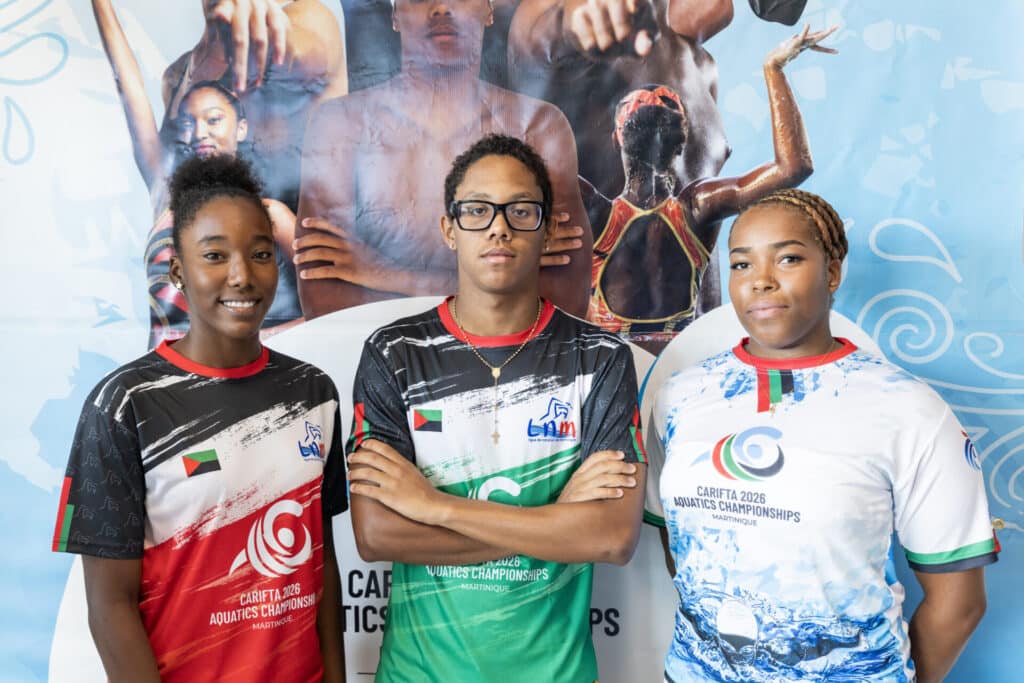
The Martinique delegation at the CARIFTA Aquatics Championships 2026 has 61 swimmers: 36 in racing, 12 in open water, five of whom also race, and 18 in artistic swimming. The team is led by five captains: Jean-Naël Zozime and Maxime Auguste-Charlery for boys’ racing (15-17 age group), Cyrielle Manin and Sayanne Guivissa for girls’ racing, and Nohemy Marajo for artistic swimming.

Water as starting point and destination

When asked how he got started, Jean-Naël Zozime, captain of the boys’ selection, answers straightforwardly: “I was introduced to swimming so that I wouldn’t drown. Cyrielle Manin, captain of the girls’ selection, tells much the same story: she almost drowned as a child, and that’s what led her to learn to swim.

CARIFTA Aquatics Championships 2026
Cyrielle Manin

These two testimonies, heard just a few minutes apart, say something important about this territory. Two young Martiniquans, initially frightened by the sea, who are now representing their island against twenty-three Caribbean nations. This is more than just a sporting achievement.

"Swimming is a tough sport. You can't expect it to be easy, but with a lot of perseverance, anyone can do it."

CARIFTA Aquatics Championships 2026
Jean-Nael Zozime

Nohemy Marajo, artistic swimming captain, has been practicing for ten years a discipline that the public still knows little about. She explains it concretely: learning choreographies on dry land, rehearsing them in the water, controlling your breathing under the surface while your legs draw figures above. It’s a sport that’s as technically demanding as it is physically demanding, and has as much to do with ballet as it does with endurance.

"You have to know how to endure, how to save every last breath to finish the choreography."

CARIFTA Aquatics Championships 2026
Nohémy Marajo

The conference of the CARIFTA Aquatics Championships 2026 also pointed out that artistic swimming is still a confidential discipline in the Caribbean, due to the infrastructure it requires and the level of preparation required. It requires three-dimensional work and very thorough technical preparation, as well as the support of outside professionals, particularly in dance and gymnastic preparation. For the supervisors, the challenge of CARIFTA is twofold: to support those who are already practising and to encourage new vocations.

What the coaching team observes in these youngsters is a constant: they train, take their exams, compete at weekends, and do it all over again. “Generally, swimmers perform well in their studies too, because they’ve worked on this rigor on a daily basis.” What you learn in the pool also applies elsewhere, and the organizers insist on this daily requirement: it’s not enough to qualify, you have to be able to show up on the day, in a sport where regularity and discipline count as much as talent.

Medals from the hands of the island

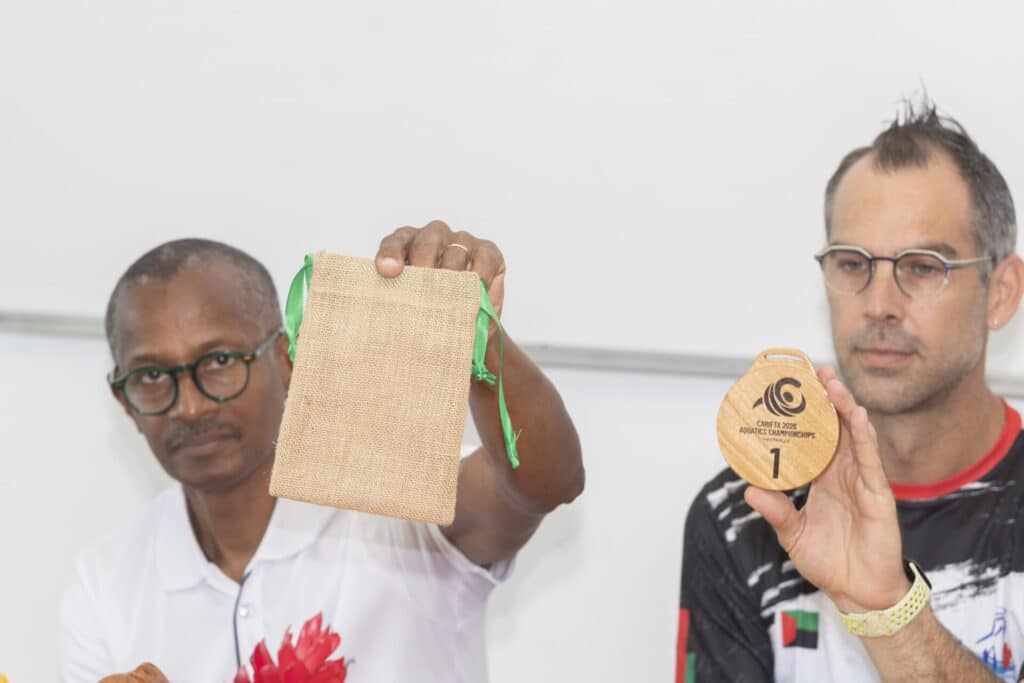
The way an event rewards its champions often says a lot about what it stands for. At the CARIFTA Aquatics Championships 2026, the medals were made in Martinique from noble woods: pearwood for gold, mao bleu for silver, mao ghani for bronze. A craftsman from the Nord-Atlantique region produced them, Joseph Galliard signed the engravings, and a local seamstress made the pouches in the three colors of the Martinican flag.

CARIFTA Aquatics Championships 2026

The initiative was spearheaded by the event’s godmother, Coralie Balmy, a former top-level swimmer who had taken part in the CARIFTA four times in her career. An eco-responsible and identity-affirming initiative, hailed as a first on the Caribbean scale.

Every Caribbean athlete who reaches the podium at the CARIFTA Aquatics Championships 2026 will leave with a piece of Martinique, a unique medal made by local craftsmen, unlike any other.

Nohémy Marajo
Coralie Balmy

The conference also specified that trophies would accompany these awards, and that the medals had yet to receive their lanyards before the competition opened. Here too, the aim is clear: to make each award a sporting, local and symbolic object.

CARIFTA Aquatics Championships 2026

A week that mobilizes the whole territory

The CARIFTA Aquatics Championships 2026 won’t just be played out in the pools. Between 1,500 and 1,800 people are arriving in Martinique: swimmers, staff and families spread out over several hotels in the south of the island. Every day, around 150 volunteers ensure the smooth running of the event: former swimmers, parents, locals who sometimes have no direct connection with swimming, but who wanted to get involved.

Among them, the officials play a decisive role: some 26 officials from the Caribbean will reinforce the Martinique officials, bringing the number of people around the pool to around fifty for each morning and afternoon meeting. In addition, there will be first-aid attendants, reception teams, people in charge of awards, delegation escorts and areas open to the public.

CARIFTA Aquatics Championships 2026

Welcoming delegations to the CARIFTA Aquatics Championships 2026 was also thought through in detail. They all had to arrive on April 2, at different times of the day, sometimes very early in the morning, sometimes late at night. In conjunction with the transport company and SAMAC, a precise plan was drawn up at the airport to ensure smooth exits, transfers to buses and settling into accommodation, with particular attention paid to meals depending on the time of arrival.

The opening ceremony of the CARIFTA Aquatics Championships 2026, on Friday April 3 at the Georges Gratiant stadium, is free and open to all: 2,800 seats to fill. The group “Nou Pa Sav” will accompany the parade of delegations. On Saturday, April 4, Les Hommes d’Argile will be on hand as the delegations arrive on site, offering a strong cultural backdrop intended as a symbolic first encounter with Martinican identity. Throughout the week, Martinican cultural groups will be on hand to ensure that visitors leave with a living image of the region, not just competition results.

The CARIFTA Aquatics Championships 2026 ceremony is scheduled to take place from 4 to 6 p.m., and will be broadcast on a giant screen, as well as relayed by media partners and via YouTube for wider distribution in the Caribbean. The ambition is clear: to make Martinique the center of the Caribbean for the duration of the event.

In addition to sport, the organizers of the CARIFTA Aquatics Championships 2026 also have an economic and cultural objective. Bringing in up to 1,800 people means filling accommodation, generating consumption, encouraging car rentals and putting the hotel and restaurant sectors to work. It’s also a way of showcasing Martinique’s culture, notably through the entertainment planned for the opening ceremony and the arrival of the delegations.

CARIFTA Aquatics Championships 2026

The open water event at Anses d’Arlets also serves as a reminder that the sea is a living, fragile environment that deserves protection. The association’s representative at the conference sums up its mission simply: “learn to swim to discover the seas and protect them.”

This educational dimension goes beyond drowning prevention. It also touches on the appropriation of water by the people of Martinique, the discovery of the discipline by the youngest and the broader desire to reinforce the region’s aquatic culture in the long term.

An assertive island

A phrase uttered at the end of the conference sums up the general mood: “We’re ready, and we’ll make the CARIFTA Aquatics Championships 2026 a collective success and a great source of pride for our region.”

What the delegations take away with them on the evening of April 8 is more than just a ranking. It’s an image of Martinique, a territory that knows how to welcome, organize and assert its identity. For six days, the whole Caribbean will be there. It’s up to Martinique to show what it can do.

CARIFTA Aquatics Championships 2026

But the organizers of the CARIFTA Aquatics Championships 2026 also want to leave their mark after the event. The Ligue de Natation de Martinique ended the 2024-2025 season with some 2,540 members, around ten affiliated clubs and, generally speaking, 7 to 8 clubs involved in competition. With this in mind, the CARIFTAs are not intended as a parenthesis, but rather as a possible catalyst to encourage vocations, boost membership and establish swimming as a permanent fixture on the Martinique sports scene.

The organizers of the CARIFTA Aquatics Championships 2026 have also chosen not to reproduce the large village of 2016. In 2026, the activities surrounding the competition are to be more focused, with one day in particular being highlighted, in order to concentrate energy and attendance rather than scattering the highlights.

The CARIFTA Aquatics Championships 2026 is the 39th edition of the Caribbean’s leading junior aquatic event, held in Martinique from April 3 to 8. Twenty-four nations are taking part in racing, artistic and open water swimming, in categories ranging from 11 to 17 years of age.

The swimming race and artistic swimming events take place at the Centre Aquatique Pierre Samot in Le Lamentin. The 5-kilometer open water event takes place in Anses d’Arlets on Wednesday April 8.

Tickets are available on cariftamartinique2026.com and on the Ligue de Natation de Martinique social networks. Prices: €10 in the morning, €20 in the afternoon for adults, 4-day pass at €125. The opening ceremony at the Georges Gratiant stadium is free of charge.

Twenty-four countries are taking part: 21 English-speaking Caribbean nations, plus Martinique, Guadeloupe and Guyana.

The Martinique squad is led by five captains: Jean-Naël Zozime and Maxime Auguste-Charlery for boys’ racing, Cyrielle Manin and Sayanne Guivissa for girls’ racing, and Nohemy Marajo for artistic swimming.

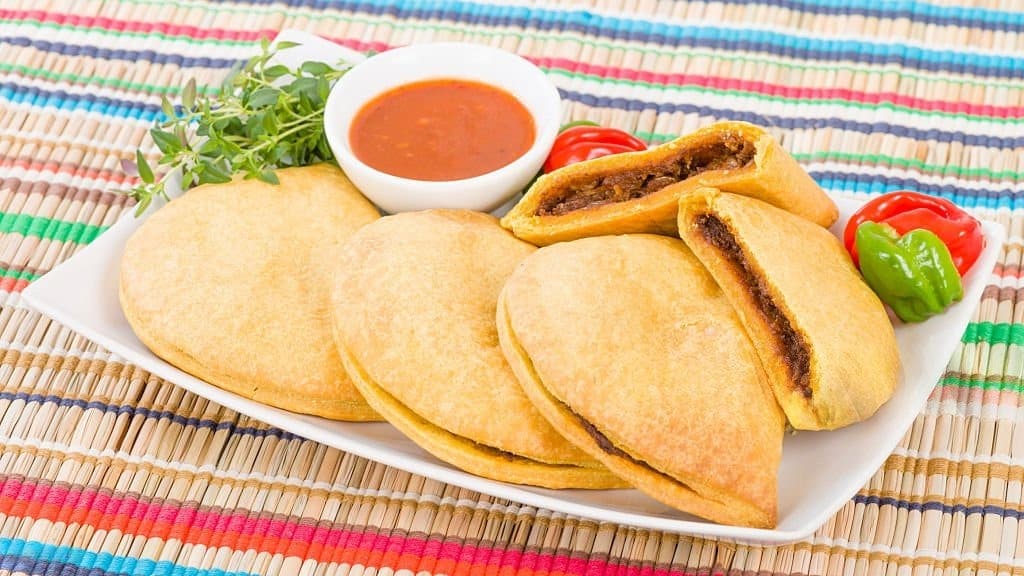
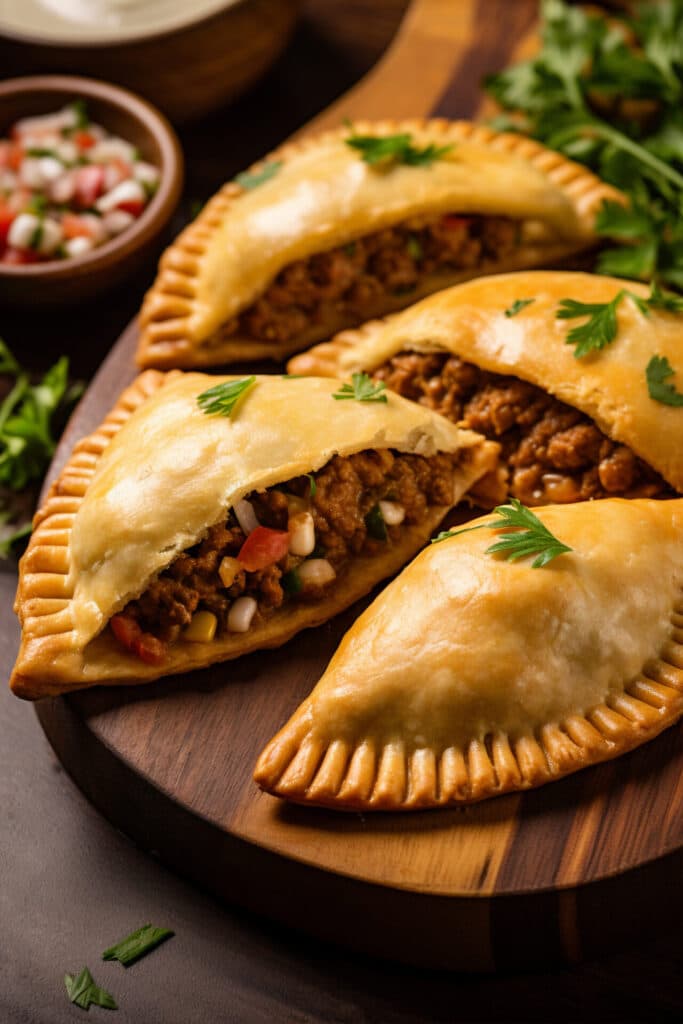
Jamaican Beef Patty occupies a singular place in Jamaica’s culinary landscape. Its golden shell, spicy aroma and unmistakable shape tell a story of encounters, crossings and transmissions. Now a staple of Jamaican daily life, this meat turnover is the fruit of a long journey that combines European heritage, African techniques and influences from the Indian subcontinent.

A dish shaped by centuries of crossbreeding

The origins of Jamaican Beef Patty date back to colonial times. British colonists introduced the Cornish pasty, a meat-filled turnover eaten by Cornish miners. Jamaican cooks quickly adopted it, adapting the dough and seasoning it with whatever they had on hand, gradually transforming this European model into a Caribbean specialty.
Curry, turmeric and certain spices are added later, carried by the arrival of Indian indentured laborers after the abolition of slavery. Powerful aromas, herbs and peppers from African traditions complete the picture.
This culinary encounter was decisive: Jamaican Beef Patty became a typically Jamaican product, a symbol of the creativity emerging in Creole cuisine.

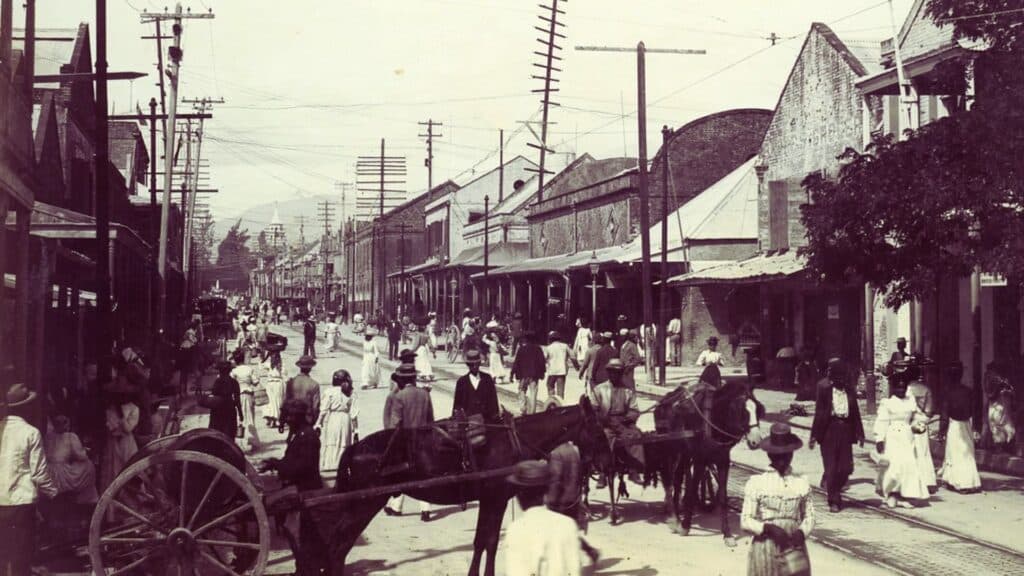
Over the course of the XXᵉ century, it became part of everyday Kingston life. Small stalls proliferated, family recipes were passed down and specialist outlets developed. The patty became a lunchtime landmark, a popular after-school snack, a companion for busy days as well as all-too-brief evenings.

Jamaican Beef Patty

A recipe structured around flavours and textures

Preparing Jamaican Beef Patty is the balance between a colorful, lightly flaky pastry and a long-simmering filling. The Jamaican Beef Patty ‘s pastry must maintain a crumbly, supple texture, while the filling must remain juicy and fragrant, but never too liquid. This culinary precision is part of its identity.

Here are the essential steps, clearly presented:

For the dough

  • – Mix flour, salt, a pinch of sugar, turmeric and curry powder.
  • – Add the very cold shortening and sand the mixture.
  • – Gradually add the ice water to form a homogeneous, but lightly worked dough.
  • – Let stand in a cool place before spreading.

For the stuffing

  • – Onions, garlic, cives and thyme in a little oil.
  • – Add the ground beef and sear to develop the aromas.
  • – Season with allspice, Scotch bonnet pepper and other spices.
  • – Add a little broth or Caribbean sauce according to family tradition.
  • – Reduce until you obtain a perfectly balanced, flavorful, bound texture.

Assembly and cooking

  • – Roll out the dough into even discs.
  • – Place a portion of stuffing on one half.
  • – Fold into a half-moon shape and seal the edges with a fork or by hand.
  • – Bake until golden and crumbly.
  • – Serve hot, sometimes slipped into a coconut bread for a more generous version.
Jamaican Beef Patty
Jamaican Beef Patty
Jamaican Beef Patty

A cultural landmark in Jamaica and the diaspora

The Jamaican Beef Patty’s place goes far beyond the culinary sphere. In Jamaica, it accompanies workdays, missed appointments, school afternoons and downtown strolls. It can be found in snack shops, bakeries and street vendors. It’s as much a part of the collective imagination as the aromas of jerk or the flavors of ackee & saltfish.

When Jamaicans migrate to London, Toronto or New York, the patty follows. In Caribbean cafés, community grocery stores and neighborhood bakeries, it becomes a tangible link with the island. For those who grow up far from Jamaica, this taste acts as a bridge: it takes them back to family stories, community celebrations and Sundays when we tell the story of the island so as not to lose it.

This cultural dimension has even found its way into public debate. The “Patty Wars” in Toronto in the 1980s are the best-known example: an administrative controversy surrounding the name “beef patty” mobilized Jamaican retailers, determined to preserve the traditional name. The episode shows the extent to which this meat turnover has become a marker of identity. It’s not just a product sold over the counter, but a taste heritage recognized by an entire community.

A dish that continues to evolve

Today, Jamaican Beef Patty is available in a multitude of variations. The traditional beef recipe remains the benchmark, but chicken, callaloo, vegetables, shrimp and vegan versions are gaining ground. Between artisans who perpetuate family recipes and companies that export frozen patties all over North America, the dish navigates between tradition and modernity.

The success of Jamaican Beef Patty is testament to its ability to stand the test of time without losing its character. The patty retains the same silhouette, the same spicy fragrance, the same way of accompanying a moment’s pause or a long journey.

Jamaican Beef Patty
Jamaican Beef Patty

A culinary and cultural symbol

Jamaican Beef Patty is one of the best examples of the richness of Jamaican cuisine. It bears the heritage of the peoples who have shaped the island, it brings together techniques from several continents, and it symbolizes a deep bond between those who live in Jamaica and those who live far away. Its recipe tells of the past, its variations tell of the present, and its popularity suggests its place in the culinary future of the Caribbean.

Vybz Kartel is making one of the most striking comebacks on today’s Caribbean scene. More than a year after his release, the Jamaican artist regains a central place in the international music industry with a second Grammy nomination, this time for Heart & Soul, released on August 29, 2025. This Grammy nomination 2026 reinforces his presence in the Best Reggae Album category, and confirms the continuing interest of the global public in his work.

A strong marker for Jamaican dancehall

Seeing Vybz Kartel nominated once again in this category is a symbolic moment for dancehall. After thirteen years in prison, his ability to pick up the thread of an already legendary career questions as much as it fascinates.

Heart & Soul reveals a more introspective side of Vybz Kartel, highlighting an artist determined to tell his story with lucidity. Tracks such as I Know and You Know GOAT quickly found their audience, confirming the global reach of his influence. With this second Grammy nomination, he establishes a rare continuity for a dancehall artist.

The Worl' Boss Tour 2025: the stage as a place to win back the world

The year 2025 was marked by the Worl’ Boss Tour, which traversed North America, South America and Europe. At each stop, the venues and stadiums sold out. The two nights at Brooklyn’s Barclays Center represented a spectacular turning point: more than twenty years after his last stage appearance in the U.S., Vybz Kartel reunited with his audience with an intensity rarely seen in contemporary dancehall.

In Europe, Vybz Kartel confirmed the vitality of the genre with an appearance at London’s Wireless Festival, followed by a series of concerts in several British arenas. The tour ended in Toronto with three dates supported by OVO Sound, featuring several major figures on the Caribbean scene.

The Worl’ Boss Tour 2025 showed that he has lost none of his stage power, and that he remains an essential landmark for Jamaican music fans.

Vybz Kartel
©Vybz Kartel
Vybz Kartel
©Vybz Kartel
Vybz Kartel
©Vybz Kartel

The Adidja Palmer Foundation: structured action in the field

A few days after announcing his nomination for the 2026 Grammy Awards, Vybz Kartel made official the creation of the Adidja Palmer Foundation (APF). This structure reflects the singer’s determination to act directly in support of Jamaican families most exposed to climatic and social crises.

APF’s first mission took place in western Jamaica, hard hit by Hurricane Melissa. A forty-foot container was deployed with over 12,000 bottles of water, 1,500 loaves of bread and essential hygiene kits. In collaboration with World Central Kitchen, teams served 3,500 hot meals and cleared several disaster areas.

The APF also provided direct assistance to a home for 70 disabled children, reinforcing its priority of protecting the most vulnerable. This intervention is the first step in a much broader program, focusing on relief, resilience and reconstruction.

Vybz Kartel
©Vybz Kartel

Reconstruction, mental health and sustainable vision

The projects announced by the Adidja Palmer Foundation demonstrate a commitment to sustainable transformation. In particular, the organization plans to:

  • adoption of a children’s home ;
    – renovation of the roof of a second facility;
    – creation of a shelter for women and children;
    – a permanent soup kitchen;
    – a psychological support center for families, especially children.

This psychological dimension plays an important role in Vybz Kartel’s recent speeches. After meeting families traumatized by Hurricane Melissa, the artist spoke of the urgent need to provide emotional as well as material support. In his view, the country’s reconstruction depends on the protection of mental health: an issue that is still not sufficiently visible in Caribbean territories accustomed to dealing with natural disasters.

A legacy under construction

The year 2025-2026 reveals a new stage in Vybz Kartel‘s evolution. The 2026 Grammy nomination establishes his status as a world-renowned artist, but his social commitment shapes a deeper dimension of his legacy.

He no longer limits himself to his musical influence. His actions are now part of a collective project encompassing solidarity, reconstruction and transmission. Through his initiatives and this new dynamic, he is shaping a decisive chapter in Jamaica’s contemporary history: that of an artist who transforms his return to freedom into a driving force for action and responsibility.

This trajectory places Vybz Kartel at the center of a significant moment for the Caribbean, where music, commitment and renewal are intertwined, buoyed by the legitimacy of a second Grammy nomination and a strong desire to contribute to his country’s future.

Vybz Kartel
©Vybz Kartel
Vybz Kartel
©Vybz Kartel

From the ruins of Port Royal to the birth of Kingston (1692-1703)

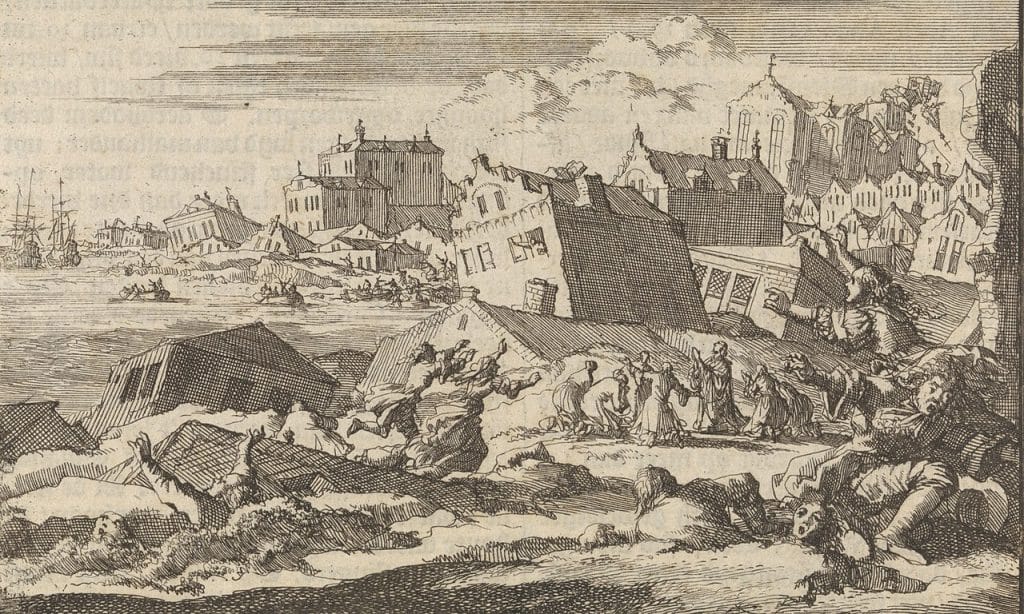
On June 7, 1692, Port Royal, then dubbed “the most debauched city in the world”, was shaken at 11:43 a.m. by an earthquake of estimated magnitude 7.5, followed by a tsunami. Two-thirds of the city sank into the sea, causing almost 2,000 immediate deaths, with thousands more due to illness over the following weeks. The survivors crossed the harbor and set up tents on the Liguanea plain, safe from the waves but not from yellow fever and dysentery.

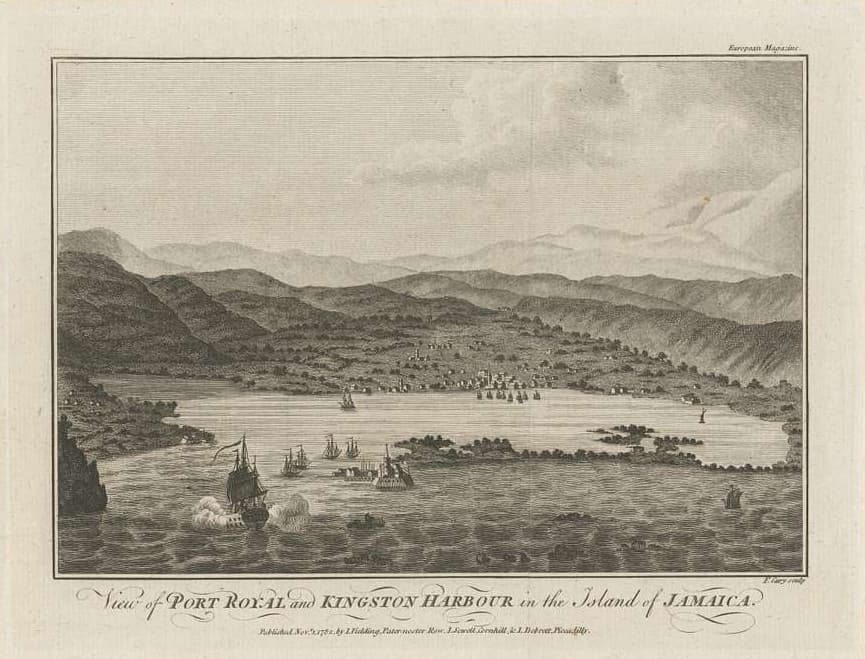
Less than seven weeks later, on July 22, 1692, the colonial authorities formalized the foundation of a new town: Kingston. They purchased 200 acres from Sir William Beeston for £1,000, and commissioned surveyor John Goffe to design a checkerboard layout designed to promote trade. This urban design still shapes the downtown area today.

In 1703, a devastating fire accelerated Port Royal’s decline. Kingston became the colony’s main port of entry. The story of Kingston began with tragedy, but also with a daring urban gamble.

Kingston
©jamaicans
Kingston
Port Royal earthquake 1692 by Jan Luyken and Pieter van der Aa via Wiki Commons ©jamaicans
Kingston
A historical view depicting Port Royal and Kingston Harbour in Jamaica. ©jamaicans

Rapid growth: trade, population and parish status

Thanks to its deep harbor, Kingston attracted merchants, repentant privateers and planters. By 1716, it had become one of the island’s most dynamic centers. The city acquired a growing political influence that only increased with time. From then on, the city’s history was inextricably linked with the rise of trade and colonial institutions.

The long battle for the capital (1755-1872)

Charles Knowles and the first political offensive

As early as the 1750s, Governor Charles Knowles argued in favor of transferring the capital from Spanish Town to Kingston, praising its port capabilities and proximity to trade flows. The British Crown rejected the project, but the seed was sown. The city’s history then entered a long period of advocacy.

1872: a decree overturning 230 years of tradition

After more than a century of lobbying by merchants and notables, the city officially became Jamaica’s capital in 1872. This removed Spanish Town from its central role after 230 years. Institutions moved into Georgian houses, and King’s House became the governor’s residence. The city reached a symbolic milestone.

Kingston
sir-charles-knowles-governor ©GetArchive

Running water, rails and modernization (1842-1845)

The arrival of water from the Hope River

Long before it became a capital city, Kingston invested in its infrastructure. In 1842, water from the Hope River was delivered to over 1,600 homes, marking a major sanitary advance despite the initial lack of filtration. History thus bears witness to Kingston’s technological lead in the British Caribbean.

The first train in the British West Indies

On November 21, 1845, the Kingston-Spanish Town railroad line was inaugurated. At 23 km long, it became the first railroad line in the British West Indies. Governor Earl of Elgin boarded the wagon of honor; the Projector locomotive linked the two towns in just 19 minutes. A logistical revolution. Sugar, passengers and coal now moved faster than the trade winds.

Kingston
©Travel Archives adventuresfromelle
Kingston
©Travel Archives adventuresfromelle

Earthquakes, fires and resilience (1907 and beyond)

On January 14, 1907, Kingston was hit by another earthquake of magnitude 6.2. In just 36 seconds, 85% of the downtown area was destroyed. Three days of fires followed. Nearly 1,000 people perished. The public hospital, deprived of running water, survived as best it could, while an ocean liner moored in the port became a floating hospital.

Reconstruction ushered in a new chapter in the city’s history: buildings limited to three stories, reinforced concrete structures, and a rapid revival of maritime trade. Resilience became a trademark here.

Kingston
©Globe-Trotting

Kingston today

Since Jamaica’s independence in 1962, Kingston has retained its status as capital. July 22, 2025 marked the 333rd anniversary of the city’s foundation. A series of symbolic events – concerts, symposia on post-earthquake urbanism, exhibitions on marine ecosystems – reminded us that Kingston’s history continues to be rewritten every day.

Today, the city has a population of over 662,000, and its metropolitan area exceeds one million. Reggae studios, renowned universities, tech startups: the city’s history is now expressed in beats, degrees and mobile apps. Yet traces of the past remain visible: the checkerboard alleys of 1692 rub shoulders with buildings rebuilt after 1907, in a singular balance between memory and modernity.

Kingston
©Globe-Trotting
Kingston
©Globe-Trotting
Kingston
©Globe-Trotting
Kingston
©Globe-Trotting
Kingston
©Globe-Trotting
Kingston
©Globe-Trotting

Kingston’s story is one of a city born of chaos, rebuilt by will, propelled by commerce and modernized by innovation. From 1692 to 2025, every crisis has been a springboard, every advance a foundation for the next. From engulfing seas to earthquake-proof buildings, Kingston embodies perpetual adaptation. A vibrant, resilient and proud city that continues to write a new page in its history every day.

American Airlines is introducing new flights from Boscobel and Kingston to Miami, starting December 18. This change, which goes beyond a simple adjustment of the flight schedule, is part of a territorial development strategy that could transform the economic, social and cultural dynamics of several regions of the country over the long term.

An overhead network redesigned to meet demand

For almost fifty years, American Airlines has accompanied the region’s development in terms of connectivity. The addition of two daily flights from Ian Fleming airport in Boscobel, and four daily flights between Kingston and Miami, is a direct response to the increasing flow of travellers – whether from tourism, the diaspora or the business world.

Miami, a major base for Jamaicans living in the United States, is now closer and more accessible. Thanks to American Airlines, passengers will now benefit from optimized routes, with extended schedules and a better distribution of flows. The offer has been designed to adapt to the reality of different uses: family travel, business trips or tourist stays.

American Airlines
©American Airlines

An ambitious winter program

From December 18, the company will operate :

  • ✅ Two daily flights between Boscobel (St Mary) and Miami
  • ✅ Four daily flights between Kingston and Miami

These new routes reinforce an already dense winter schedule, with more than twenty daily departures from Jamaica to seven major U.S. cities: Boston, New York, Dallas-Fort Worth, Charlotte, Chicago, Philadelphia and Miami. The increase in capacity, estimated at 20% over the previous year, illustrates American Airlines’ determination to adapt to new trends and meet the strong growth in international mobility needs.

American Airlines
©American Airlines

Economic leverage for St Mary's and Kingston

The opening of Ian Fleming Airport to direct flights to the USA offers an unprecedented opportunity for the St Mary’s region. This area, long considered secondary on traditional tourist circuits, could now benefit from new visitor numbers, stimulated by the presence of American Airlines. Local restaurateurs, craftsmen, innkeepers and carriers could all benefit immediately from this increased international exposure.

In Kingston, the growing importance of connections with Miami is consolidating the capital as a strategic center for Jamaica. Thanks to American Airlines, local companies, particularly in the trade, services and logistics sectors, benefit from easier access to the North American market, encouraging exchanges, partnerships and the circulation of skills.

American Airlines
©airports authority jamaica
American Airlines
©airports authority jamaica
American Airlines
©airports authority jamaica
American Airlines
©airports authority jamaica

A stronger link with the diaspora

The Jamaican community residing in Florida, particularly in the Miami-Dade and Broward areas, maintains intense family, cultural and economic ties with the country of origin. The new connections offered by American Airlines facilitate these interactions by reducing physical and symbolic distances.

Homecomings are becoming more frequent and simpler, and are often accompanied by transfers of skills, investments or community projects. By enabling more families to reunite more easily, this initiative supports social cohesion on a transnational scale.

A new dynamic for regional tourism

The integration of Boscobel into the international network represents a significant step forward in the company’s tourism diversification strategy. While Montego Bay and Ocho Rios have historically concentrated the majority of traffic, American Airlines is redirecting attention to the as yet under-exploited northeast coast.

This territorial rebalancing not only relieves pressure on certain infrastructures, but also enhances Jamaica’s other natural, heritage and human assets. The local authorities, in coordination with the air transport industry, ensure that this development is sustainable and respects local communities.

Measurable effects on daily life

Several direct impacts can be observed in the short term:

  • ✅ Greater accessibility: Residents of St Mary’s and Kingston can now travel more easily, with more flexible timetables and smoother connections.
  • ✅ Job creation: Increased air traffic generates new needs in the hotel, security, ground transportation and catering sectors.
  • ✅Enhanced appeal: By partnering with American Airlines, the destination gains greater visibility in the North American market, without sacrificing its authenticity.
American Airlines
©American Airlines

A shared vision for the future

The arrival of these new flights reflects the shared ambition of the Jamaican authorities and American Airlines to build a long-term partnership. This partnership is based on mutual commitments to sustainable growth, local value creation and community support.

The company is already planning to keep a close eye on traffic trends, adjusting frequencies and destinations if necessary. The aim: to position Jamaica as a modern, connected and forward-looking Caribbean hub.

With these new routes between Boscobel, Kingston and Miami, American Airlines is establishing itself as a key player in the transformation of mobility and regional development. By improving connectivity, generating tangible economic benefits and enhancing the value of previously less exposed regions, this initiative creates the conditions for a more balanced and inclusive development of Jamaica.

Usain Bolt has become Jamaica‘s new global tourism ambassador. An appointment that goes far beyond the symbolic: it is part of an ambitious strategy of economic recovery, cultural enhancement and tourism diversification. The athletics star, known on every continent, now embodies the face of an authentic, forward-looking Jamaica.

Through this role, he promotes not only his country’s natural assets, but also its cultural heritage, while committing himself to the social inclusion and emancipation of younger generations.

A strategic appointment for Jamaica

This designation is part of the Jamaican authorities’ drive to reposition the country as a benchmark destination. The Minister of Tourism, Edmund Bartlett, pointed out that the reputation of Usain Bolt offers unprecedented international visibility.

In a country where tourism accounts for around a quarter of GDP and is a key driver of employment, this initiative aims to strengthen the island’s appeal in diversified markets. The image of the athlete, associated with excellence, modernity and success, helps to reinforce Jamaica’s identity on the world stage.

Economic context and transformation of the tourism model

The COVID-19 pandemic shook up Jamaica’s tourism sector, forcing the authorities to rethink their strategy. The focus is now on more inclusive, sustainable and resilient tourism. In 2024, the sector’s revenues exceeded 3.7 billion dollars, but the challenges remain: upgrading infrastructures, preserving the environment, adapting to new visitor expectations. Against this backdrop, Usain Bolt represents a powerful lever to support this transition, by promoting his country’s values and stimulating investment.

Usain Bolt, more than a legendary athlete

Eight-time Olympic champion and eleven-time world champion, Usain Bolt is renowned for his exceptional performance on the slopes. But his influence extends beyond the sporting arena. Committed to educational, cultural and social projects, he actively supports Jamaican youth and local initiatives. His foundation promotes access to sport, education and health. Today, he is fully committed to his role as ambassador, with the aim of promoting a Jamaica that is dynamic, supportive and attractive to tourists and investors alike.

Usain Bolt
©www.olympics.com

Strong roots and a humanist vision

Originally from Sherwood Content, Usain Bolt has always claimed his roots. For him, this appointment is a way of giving back to his island what it has given him. Through this new mission, he aims to help reduce poverty, promote local talent and improve living conditions. True to his background, he wishes to represent an ambitious and inclusive Jamaica, where every citizen can find his or her place and participate in national development.

Usain Bolt
©HIRO KOMAE AP

A key player in tourism strategy

Jamaica aims to diversify its offer in response to global competition. Tourism is no longer limited to beaches and the climate: it now includes gastronomy, sports, wellness, crafts and music. Usain Boltis playing a central role in this diversification. It takes part in international trade shows, supports digital campaigns and encourages innovation in the design of new tourism products. This approach aims to reinforce the image of a destination that is modern, responsible and connected to its identity.

Expected economic and social impact

Jamaican authorities hope that the involvement of Usain Bolt will generate substantial economic spin-offs: increased visitor numbers, job creation, and the revitalization of related sectors such as catering and crafts. But beyond the economy, the stakes are also social: making tourism a lever for cohesion, equal opportunities and the enhancement of local communities. Usain Boltwith his aura and sincerity, embodies this ambition for equitable, shared development.

Usain Bolt

Culture, sport and national identity

Jamaica draws much of its strength from its cultural heritage: music, cuisine, crafts and popular traditions. Reggae, a UNESCO intangible heritage site, is one of the major symbols of this heritage. Usain Boltas a national icon, is also committed to promoting this heritage. He supports artists, takes part in cultural events and promotes emerging talent. Through his actions, he gives new visibility to the richness and diversity of Jamaican heritage.

Combining sport and tourism

By choosing Usain Bolt as ambassador, Jamaica combines two of its greatest assets: sport and tourism. This synergy will enable the country to extend its tourism offer to new audiences and reinforce its image as a dynamic, competitive country. The development projects also envisage the creation of high-level sports infrastructures, likely to attract international competitions and strengthen sports diplomacy. The aim is clear: to make sport a vector of economic and cultural appeal.

Usain Bolt
©South Florida Caribbean News 1

A long-term vision

The Jamaican government doesn’t want this to be just a publicity stunt. By entrusting Usain Bolt This is a long-term approach. The aim is to build a coherent, innovative and inclusive tourism policy, capable of meeting today’s challenges while preparing for the future. The athlete’s influence will also help foster international partnerships, amplify messages of sustainability and promote a Jamaica that is exemplary in environmental and human terms.

©HIRO KOMAE AP
©South Florida Caribbean News

Usain BoltThrough his charisma and his career, he embodies a proud, resilient and open Jamaica. By becoming the face of national tourism, he offers a unique opportunity to unite energies around a social project. Tourism is no longer an end in itself, but a tool for social transformation. This alliance between an exceptional man and a country in transformation could well become one of the Caribbean’s most inspiring models.

Jamaica affirms its strategy of combining living heritage and maritime excellence

At Seatrade Cruise Global 2025 in Miami, Jamaica presented a strong vision: to combine the richness of its cultural heritage with the ambition to strengthen its attractiveness in the cruise industry.
With presentations by Carol Rose Brown and Mark Hylton, Jamaica, an anchor on Caribbean cruise itineraries, asserts its determination to anchor its tourism development in authenticity, innovation and resilience.

Jamaïque

Preserving Jamaica's cultural soul - Carol Rose Brown's initiative

For Carol Rose Brown, Director of the Jamaica Centre for Tourism Innovation within the Tourism Enhancement Fund, preserving Jamaican identity is a major challenge in an increasingly standardized tourism world.

At the heart of this approach: the Falmouth Artisan Village.
Designed as a living showcase for traditional skills – ceramics, basketry, leather, sewing, cigars – the village enables visitors to discover, understand and buy directly from local craftsmen.

We don’t want our culture to be relegated to a mere spectacle: it must be lived, shared, passed on,” insists Carol Rose Brown.

Jamaica

L’Artisan Village also innovates by integrating :

  • Immersive technologies (augmented reality, interactive QR codes),

  • Free events combining gastronomy, crafts and live entertainment,

  • Creative workshops, allowing visitors to actively participate.

🎯 Carol Rose Brown’s ambition: to make every stopover in the island an authentic encounter with the soul of the country, and to extend this cultural model to other sites on the island.

Jamaica
ARTISAN VILLAGE

Strengthening cruise competitiveness - The Port Authority's vision

For Mark A. Hylton, Vice President of Cruise Operations at the Port Authority of Jamaica, Island has shown exceptional resilience in the face of recent challenges.

In 2024, despite a major incident that temporarily affected one of the ports, the island maintained a high level of cruise arrivals, thanks to :

  • Solid infrastructures,

  • Close relations with cruise lines,

  • An ability to adapt quickly to new expectations.

Jamaica

The Island is also working on :

  • Improve road links to facilitate visitor mobility,

  • Develop new attractions around its ports of call,

  • Strengthen its position on Western Caribbean itineraries.

We have to keep innovating to remain competitive, while at the same time promoting what makes Jamaica unique,” stresses Mark Hylton.

🎯 Its aim: to build sustainable growth that benefits both local communities and shipping companies.

Jamaica
Jamaica
Jamaica
Jamaica
Jamaica
Jamaica

Jamaica between heritage and modernity

At Seatrade Cruise Global 2025, the Island demonstrated that cruising can be much more than just transit:
it can become an authentic encounter between travelers and territories.

Buoyed by its lively culture and ability to adapt, the island is charting an ambitious course: to build a strong maritime tourism industry, faithful to its identity and looking to the future.

Tourism in the Caribbean is not only a major source of revenue, it is also one of the region’s most scrutinized economic pillars. An essential engine of growth for many post-Covid islands, it illustrates both the opportunities offered by international demand and the limits of a model based on external dependence. Here’s an overview of the current state of the industry, with figures and sources. Tourism in the contemporary between spectacular growth, territorial inequalities and regional integration issues.

A record 32.2 million visitors by 2023

With 32.2 million tourists in 2023, tourism in the Caribbean crossed a new threshold, exceeding its record level for 2019 by 0.8%. This performance was driven primarily by the return of North American customers, the region’s most important market. The sector’s recovery was accompanied by improved air connectivity and a return to normal sanitary conditions.

Yet this recovery conceals disparities. Tourism in the Caribbean is still characterized by a concentration on a few destinations, and relies on a service economy that is exposed to external crises. Few islands today have a truly successful diversification strategy.

Tourism in the Caribbean

Cruises: 31.1 million passengers, but an uneven impact

The cruise sector also experienced an unprecedented rebound. 31.1 million cruise passengers ships called at Caribbean ports in 2023. These flows help to revitalize local economies, provided that the calls generate real economic spin-offs.

But this boom raises questions about sustainability. The environmental impact of cruises on marine ecosystems is considerable. Tourism in the Caribbean cannot grow indefinitely without adapting its port infrastructures, nor without common regional regulatory policies.

Tourism in the Caribbean

The Dominican Republic: undisputed leader in regional tourism

La Dominican Republic alone attracts a quarter of all visitors of the Caribbean tourism market. With its beaches, massive hotel offer and well-developed air accessibility, it is establishing itself as a model for rapid growth in the sector.

This leadership highlights the growing disparities within the Caribbean tourism. While some territories struggle to capture market share for lack of infrastructure or sufficient attractiveness, others, like the Dominican Republic, are making their mark thanks to an aggressive strategy and constant investment.

Tourism in the Caribbean

Jamaica: aiming for 5 million tourists by 2025

La Jamaica attracted 2.9 million visitors in 2023 and is targeting 5 million by 2025. The government is counting on new markets, a move upmarket and the promotion of its strong cultural identity to achieve this objective.

This drive for growth reflects a broader trend in the Caribbean tourism, where several states are seeking to move beyond the classic seaside model to develop a more diversified, cultural and sustainable form of tourism.

Regional mobility: the major weakness of intra-Caribbean tourism

Despite encouraging overall figures, tourism in the Caribbean remains paradoxically poorly integrated. By 2023, only 1.6 million intra-regional tourists were recorded, i.e. 3,6 % of the total. The cost of air travel, low frequencies and regulatory barriers discourage travel between neighboring islands.

This lack of mobility is hampering the development of a coherent regional tourism market. For the tourism in the Caribbean to reach its full potential, it is imperative to encourage exchanges between local populations, by supporting regional airline projects, bilateral agreements and customs interoperability.

A key, but fragile, sector to rethink for the future

Tourism in the Caribbean remains an essential lever for development, but it faces major challenges. Concentration of flows, poor redistribution, environmental pressures, vulnerability to global shocks: the fragilities are manifold.

To move towards a more resilient model, public and private players will need to combine innovation, regulation and cooperation. This will also require greater involvement of local populations in the governance of the sector, so that the tourism in the Caribbean is not just a source of income, but a vector for economic and social emancipation.

The future of tourism in the Caribbean will depend on the ability of territories to pool their strengths, share the benefits of the sector more equitably, and adapt to the new demands of travelers. At a time when global tourism is changing, the Caribbean cannot be left behind by an inherited model.

Investing in sustainable infrastructure, strengthening regional interconnectivity, and rethinking the tourism offer in light of climatic and social challenges are the prerequisites for making the tourism in the Caribbean a real driver of equitable development.

A technological shift to better serve regional and international logistics

Caribbean Airlines Cargo has formalized a strategic partnership with digital booking platform cargo.one, marking a new stage in its modernization. This initiative places the company at the heart of a structural change in air freight transport, relying on digital tools to improve access, speed and transparency of operations.

A concrete response to freight forwarders' requirements

The collaboration between Caribbean Airlines Cargo and cargo.one are based on a shared observation: freight forwarding professionals need simple, reliable and accessible tools. Thanks to the cargo.one interface, freight forwarders can now consult available capacities, generate instant quotes, book shipments and track shipments in real time, without cumbersome administrative formalities.

This new way of working encourages more fluid customer relations. It also responds to a strong demand from the sector, where speed of execution has become as important as quality of service.

Caribbean Airlines Cargo

A strategy rooted in North American hubs

The choice of access points is not insignificant. Miami, New York and Toronto, three major hubs for Caribbean Airlines Cargo. The cargo.one network facilitates connections to markets in Jamaica and Trinidad & Tobago. Integration with cargo.one optimizes freight management between these logistics centers and Caribbean destinations, while boosting supply chain efficiency.

For North American forwarders, this configuration represents a significant time-saver, with better anticipation of flows and reduced shipping times.

A platform designed for market realities

The technical solution provided by cargo.one is more than just a digital showcase. It adapts to the particularities of regional air freight, with functionalities designed for flexibility and clarity. This choice enables Caribbean Airlines Cargo to offer a quality service, even in complex or constrained logistical contexts.

This pragmatic approach, focused on concrete user needs, consolidates the company’s reputation in an environment where standards are rapidly evolving.

Caribbean Airlines Cargo

A global growth driver

For Marklan Moseley, the airline’s General Manager Cargo, this partnership is part of a clear ambition: to make Caribbean Airlines Cargo a key player not only in the Caribbean, but also on the world stage. By digitizing its offer, the company is opening up to a wider market, while optimizing its internal processes.

On the cargo.one side, co-founder Moritz Claussen believes that this integration will enable freight forwarders to take full advantage of the capacity of the Caribbean network, while reducing operational friction.

Modernization for competitiveness

The entry of Caribbean Airlines Cargo into the world of digital booking represents a strategic step forward. It strengthens our competitiveness, particularly in the face of global operators already committed to digitalization. But it also reflects a determination to remain faithful to a regional mission: to efficiently link Caribbean territories, without sacrificing technical excellence.

Outlook: between regional consolidation and global openness

This partnership opens up concrete prospects: continuous improvement of the offer, expansion into new markets and development of even more efficient tools for forwarders. By focusing on digital efficiency, Caribbean Airlines Cargo anticipates the future needs of a changing industry, while consolidating its role as a logistics gateway between the North and the Caribbean.

The alliance between Caribbean Airlines Cargo and cargo.one embodies much more than just a technical partnership: it is a structural evolution in the way air freight can be thought of, managed and improved. By combining regional expertise and digital solutions, the company is asserting its willingness to adapt without abandoning its fundamentals. A strong signal, in a sector where technological agility is becoming a criterion of sustainability.

Caribbean Airlines Cargo