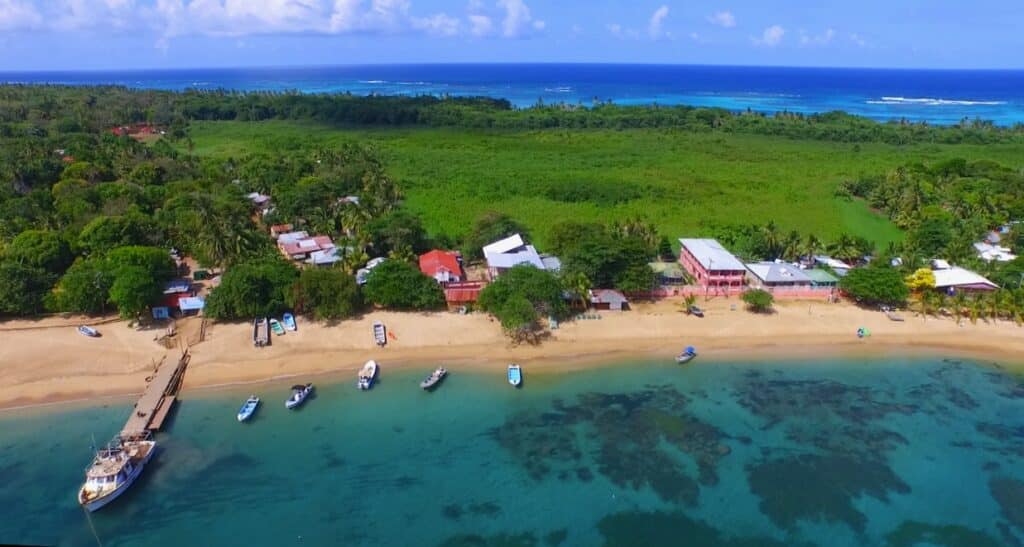
Off the Caribbean coast of Nicaragua, Little Corn Island is an island in a class of its own. Big Corn Island’s little sister, it stands out for its simplicity: no roads, no cars, no big complexes. The island can be explored on foot, to the rhythm of the tides, conversations and the wind. This chosen slowness shapes a rare experience in the contemporary Caribbean.
An island with no roads, no cars, no rush
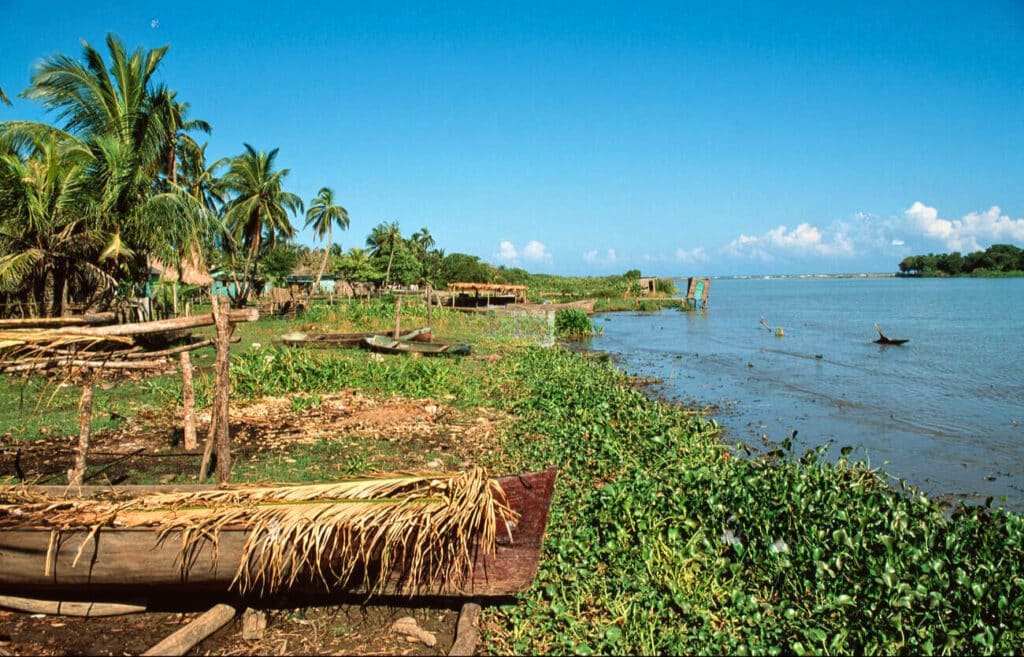
Little Corn Island measures a mere three square kilometers. It can only be reached by boat from Big Corn Island, itself linked to the Nicaraguan mainland by plane from Managua or Bluefields. Once disembarked, the scene is set: sandy paths, coconut tree-lined lanes, wooden houses and natural beaches just a few minutes’ walk away.
The absence of motorized traffic is not a marketing argument, but a daily reality. People get around on foot, sometimes using wheelbarrows to transport goods. This simple organization immediately transforms the relationship with the place: time slows down, space tightens up, attention is focused on the essential.
An English-speaking and Afro-Caribbean Caribbean
Contrary to the predominantly Spanish-speaking image of Nicaragua, Little Corn Island belongs fully to the English-speaking Caribbean.
The most widely used language is Creole English, a direct legacy of the region’s Afro-Caribbean history.
The local culture is closer to that of the British Isles of the Caribbean than to that of the Nicaraguan Pacific.
Music, cuisine and everyday practices reflect this identity.
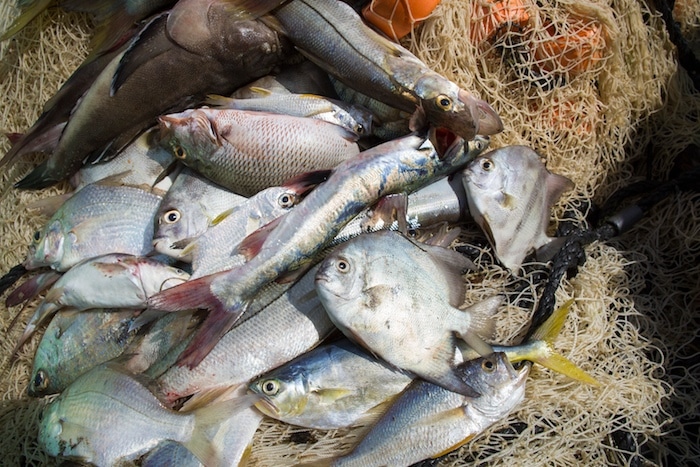
Grilled fish, coconut rice, seafood and simple dishes are the order of the day.
Exchanges with local people are direct, often punctuated by tales of fishing, the seasons and changes in the sea.
Natural beaches and accessible reefs
The coastline of Little Corn Island alternates between light sandy beaches, volcanic rocks and areas of reef close to the shore. Some beaches, particularly on the north and east coasts, remain uncrowded and untouched. The water is generally calm, with good visibility for underwater observation from the beach.
The coral reefs surrounding the island are part of the Western Caribbean Sea ecosystem. They are home to tropical fish, sea turtles and coral formations that can be seen without a boat. This proximity to the marine environment is one of the great assets of Little Corn Island provided you adopt respectful practices.
Small-scale tourism
Little Corn Island offers neither large hotels nor massive infrastructures. Accommodation is based on small inns, ecological lodges and guest houses. This deliberately limited offer preserves the balance of the island and encourages a direct local economy.
Visitors come here to relax, walk, swim, read and socialize. Activities are organized around the sea, nature and free time. The island attracts travellers who appreciate unspoilt environments and a discreet form of tourism, far removed from the logic of over-consumption.
A visible and active island community
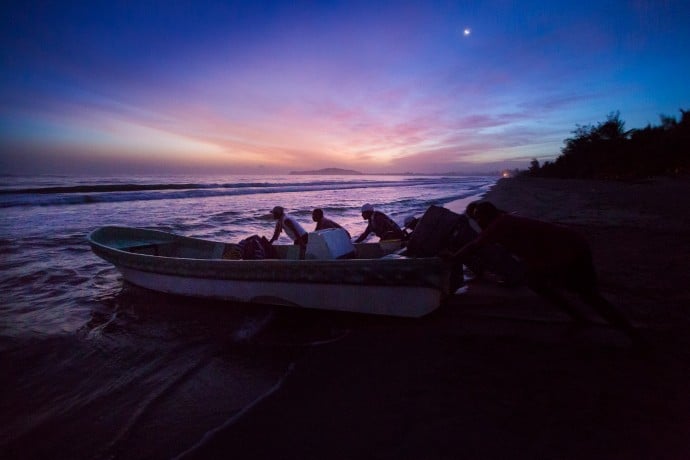
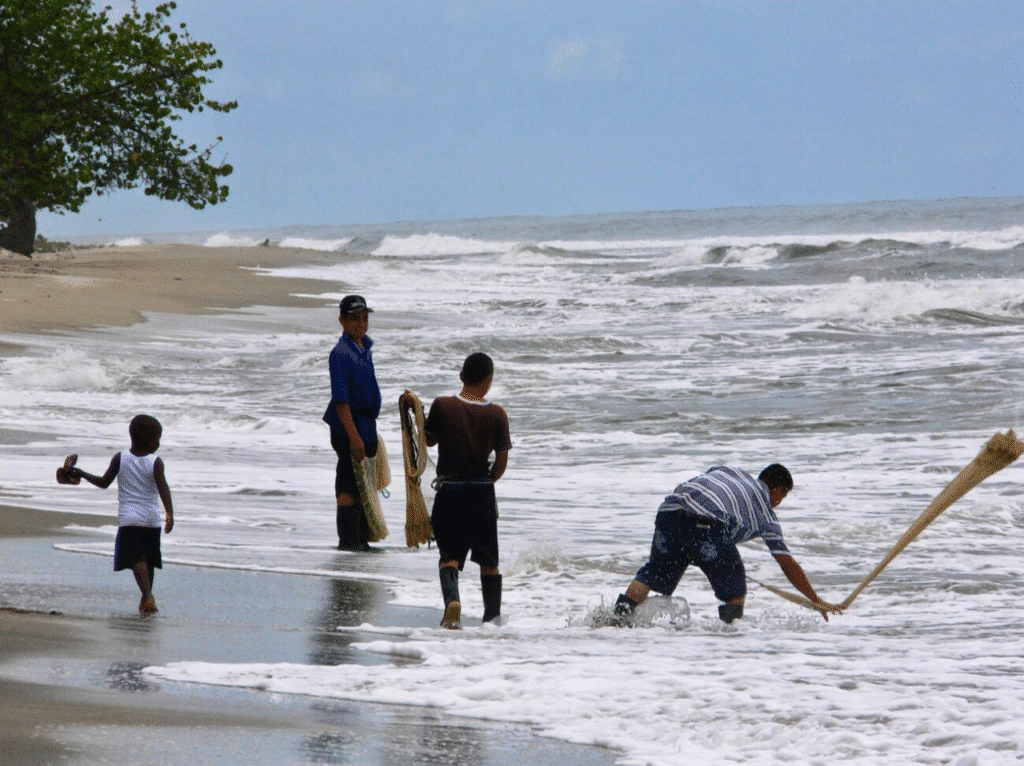
With a small population, Little Corn Island functions like an extended village. Inhabitants know each other, children play on the paths, fishermen return at sunrise or sunset. Local life is not hidden behind tourist infrastructures: it’s at the heart of the experience.
This proximity creates a special atmosphere. Visitors are not spectators, but are invited to respect a collective rhythm, to observe and adapt. The island imposes a form of restraint that quickly becomes a sought-after quality.
An essential Caribbean
Highlight Little Corn Island is a reminder that the Caribbean isn’t just about big seaside resorts. It’s also a mosaic of modest islands, Afro-descendant cultures and territories that have chosen sobriety over expansion.
The island does not promise abundance, but balance. It offers a direct relationship with the sea, the people and time. For travelers in search of a sincere, human and comprehensible Caribbean, Little Corn Island is a destination in a class of its own, where people come first and foremost to slow down.
No. Little Corn Island favors small-scale tourism, without roads or big resorts, focusing on nature, walking and local life.
The Garifunas of Honduras embody a living memory of the Black Caribbean, at the crossroads of history, maritime tradition and contemporary struggles for cultural survival. For this Afro-Indigenous community, artisanal fishing is much more than an economic activity; it is the foundation of their identity. Heirs to a unique blend of escaped Africans and indigenous Caribbean populations, the Garifunas have developed and preserved a maritime know-how that intimately links everyday gestures to a vision of the world shaped by the ocean.
A story born of exile and resistance
The Garifunas of Honduras were not born on the shores of Central America. Their story takes root in the 17th century, on the Caribbean island of Saint-Vincent, where shipwrecked – and sometimes escaped – African slaves found refuge among the indigenous Kalinagos and Arawaks. This mix, unique in Caribbean colonial history, gave rise to a new community: the Garifunas.
But this relative autonomy came to an end with the arrival of the British. In 1797, accused of supporting the French, the Garifunas were captured and deported en masse to the island of Roatan, off the coast of Honduras. From there, they gradually settled on the Caribbean coasts of Honduras, Belize, Guatemala and Nicaragua. It was on these shores that their special relationship with the sea emerged, through artisanal fishing.
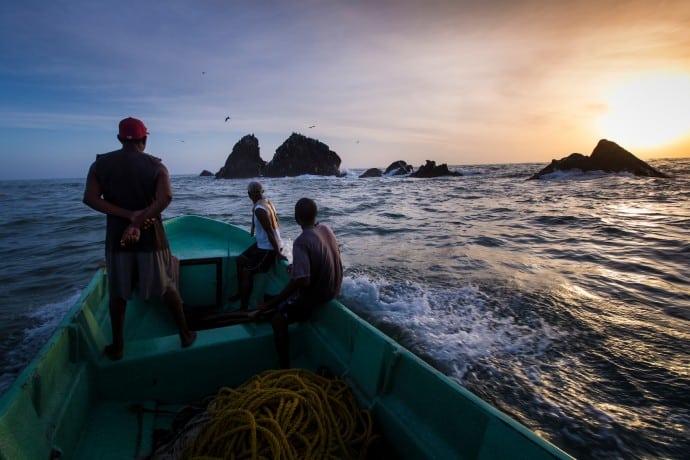
Even today, the Garifunas of Honduras perpetuate techniques that have been passed down orally for generations. Far removed from industrial logics, their practice relies on light boats, often made of wood, powered by oars or small motors, as well as on the use of nets, lines and creels. Respect for the reproductive cycle of species, detailed knowledge of currents and the seabed, and the ability to read the signs of the sky are all part and parcel of their expertise.
Fishing is not just a matter of subsistence. It’s a deeply cultural act, closely linked to cuisine, music and spirituality. Traditional dishes such as Machuca (mashed plantain with fish in a coconut milk broth) tell the story of the sea as much as they nourish the body. The transmission of these recipes, the sharing of meals and the songs sung on fishing trips are all part of a genuine community ritual.
A central role for women in the maritime economy
If the figure of the fisherman is often masculine, the Garifunas of Honduras are actually an ecosystem in which women play a central role. They prepare, process and sometimes even sell the fish. They keep culinary practices alive and organize the solidarity networks that keep villages alive. In some communities, they are also involved in coastal fishing, particularly for shellfish.
The Garifuna social model is based on complementarity between the sexes, structured around the extended family and the community. This strong social fabric provides a bulwark against external pressures, but is now under threat.
Land pressure and ecological upheaval
Since the 1990s, the Garifunas of Honduras are seeing their way of life threatened by the expansion of agro-industrial, tourism and sometimes extractive projects on their coastal lands. The development of palm oil plantations, resorts and marinas is encroaching on traditional fishing grounds, sometimes without prior consultation with local communities.
Expropriations, often contested by local residents, raise legitimate concerns about respect for Garifuna land rights. This phenomenon is leading to a scarcity of accessible marine resources, increased pressure on ecosystems and the gradual economic marginalization of fishermen.
Added to this are the effects of climate change. Coastal erosion, rising sea temperatures and disrupted breeding seasons have a direct impact on the abundance and diversity of fish species. The Garifunas of Honduras must now navigate in an increasingly uncertain environment.
Community and legal mobilization
In the face of these challenges, communities are not remaining passive. The Black Honduran Fraternal Organization (OFRANEH), a pillar of the Garifuna movement, has been working for over 40 years to defend the cultural and territorial rights of the Garifunas. It supports the Garifunas of Honduras through awareness-raising campaigns, legal action at national and international level, and support for food sovereignty projects.
Emblematic cases include that of the community of Triunfo de la Cruz, which won its case before the Inter-American Court of Human Rights. OFRANEH also campaigns for sustainable fishing practices that respect biodiversity and are adapted to the local ecological context.
Community and legal mobilization
In the face of these challenges, communities are not remaining passive. The Black Honduran Fraternal Organization (OFRANEH), a pillar of the Garifuna movement, has been working for over 40 years to defend the cultural and territorial rights of the Garifunas. It supports the Garifunas of Honduras through awareness-raising campaigns, legal action at national and international level, and support for food sovereignty projects.
Emblematic cases include that of the community of Triunfo de la Cruz, which won its case before the Inter-American Court of Human Rights. OFRANEH also campaigns for sustainable fishing practices that respect biodiversity and are adapted to the local ecological context.
A threatened but resilient living heritage
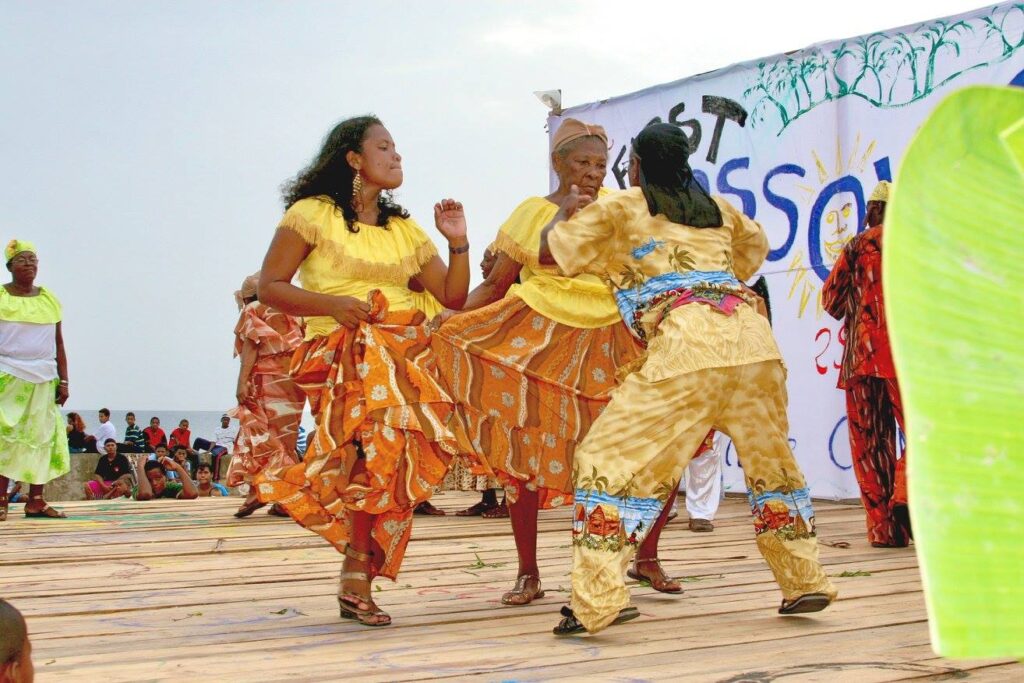
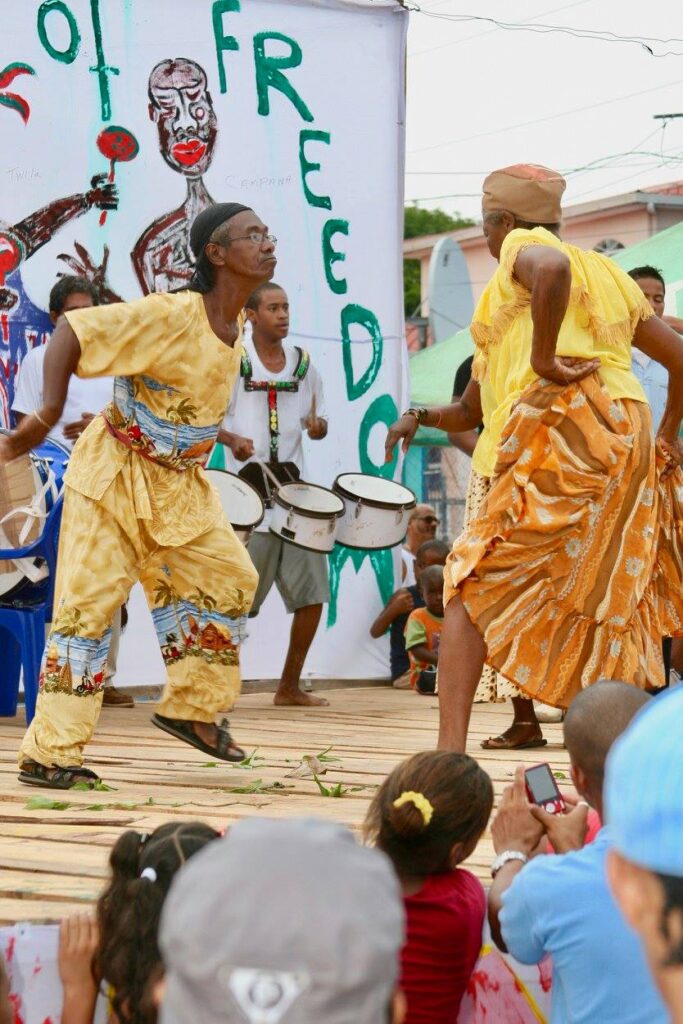
Beyond the material aspects, the Garifunas of Honduras are the guardians of an exceptionally rich intangible heritage. Their language, their music to the rhythm of drums and the puntatheir dances and beliefs linked to the sea make up a powerful symbolic universe. Fishing is both an everyday act and a metaphor for our relationship with the world.
Every trip out to sea, every net cast into the water, is also an act of cultural resistance. Sea tales, work songs and prayers to ancestors before fishing bear witness to a sacred relationship with the environment.
Garifuna of Honduras are not just economic players in coastal areas. They embody a balance between tradition and resilience, between ancestral know-how and contemporary issues. Their presence on the shores of Honduras is a reminder that the sea is not just a space of resources, but also a place of memory, transmission and struggle. Defending their way of life also means preserving another way of living in the world, one that is more respectful of natural and human balances.
The Roots of Caribbean Intangible Heritage (2008-2013)
From 2008 to 2011, several Caribbean cultural elements were recognized as intangible cultural heritage by UNESCO. This recognition emphasized the region’s rich traditions, many of which are a testament to its diverse history, from indigenous customs to the impact of African, European, and other influences.
2008
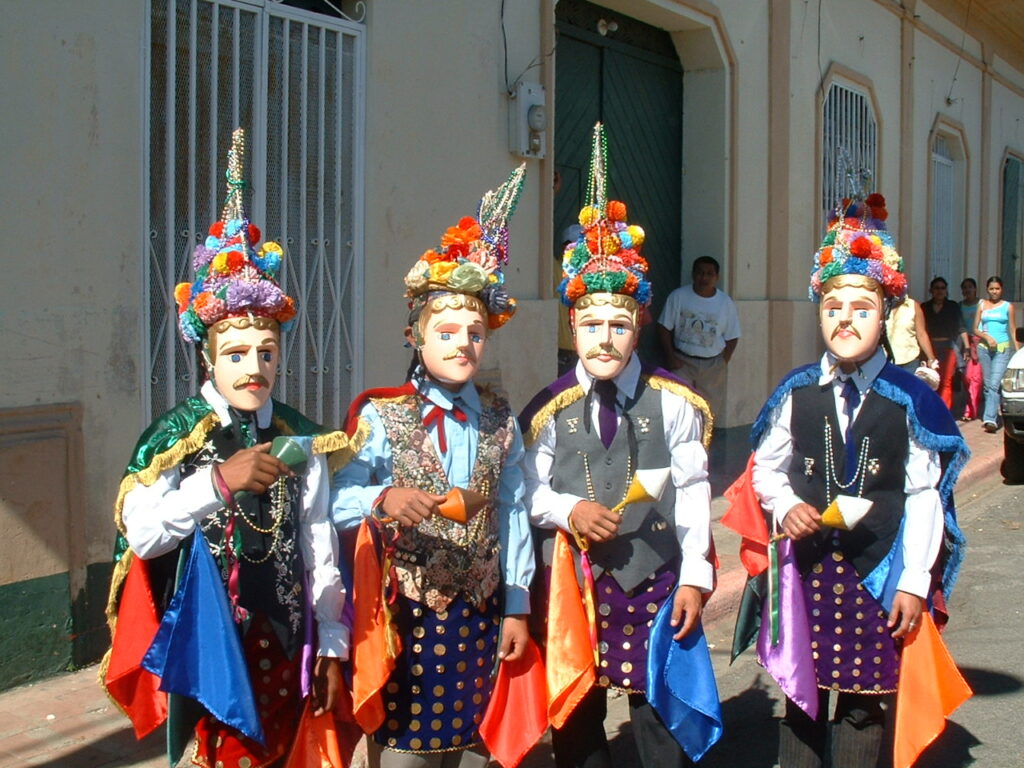
Nicaragua: El Güegüense One of the oldest theatrical performances in the Americas, El Güegüense is a satirical drama that blends indigenous and colonial Spanish elements. It reflects Nicaraguan resistance to colonial rule and is celebrated for its witty dialogue, vibrant costumes, and musical accompaniment.
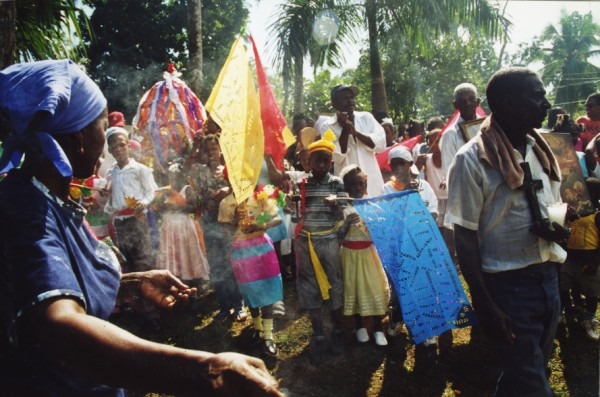
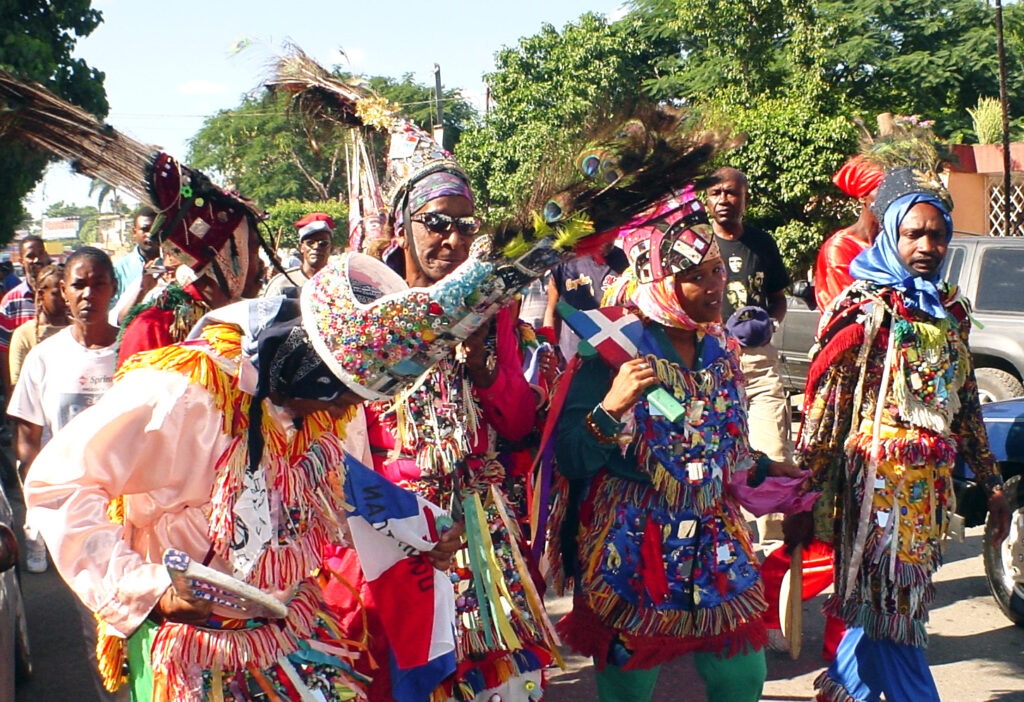
Dominican Republic: The Fraternity of the Holy Spirit of Villa Mella This religious brotherhood maintains African cultural practices in the Dominican Republic through its vibrant processions and rituals. The Fraternity’s performances of sacred music and the use of traditional instruments, such as the congos, are vital to the preservation of African cultural identity in the Caribbean.
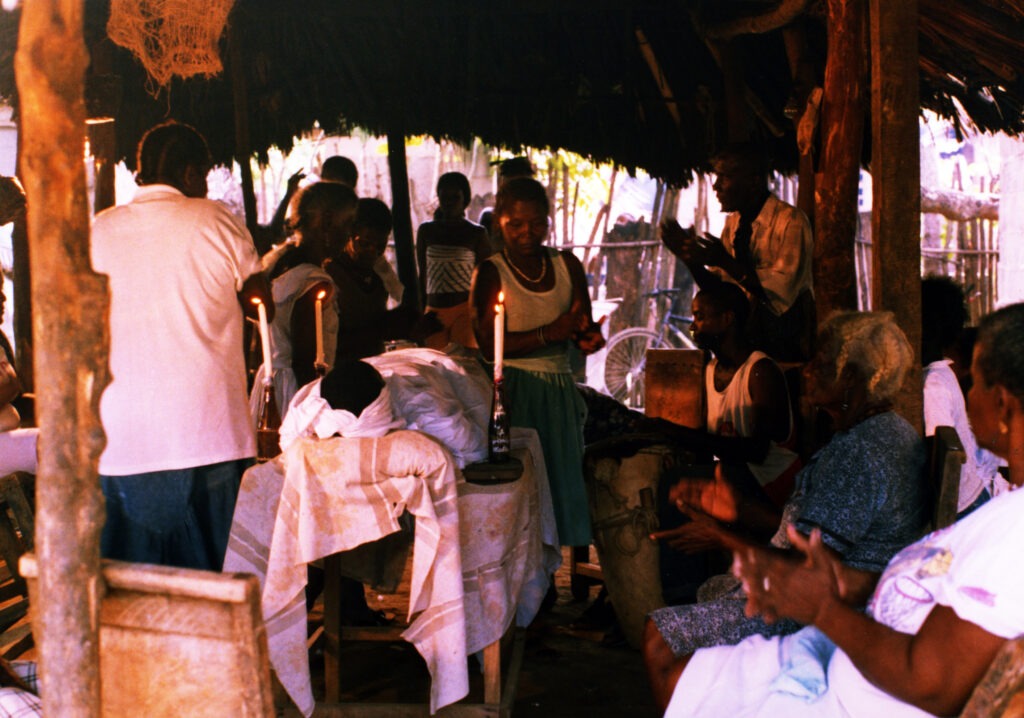
Colombia: Palenque de San Basilio Recognized as the first free town of enslaved Africans in the Americas, San Basilio preserves its unique language, customs, and traditions. Its residents have managed to keep their African roots alive, making it a significant cultural and historical site in Colombia.
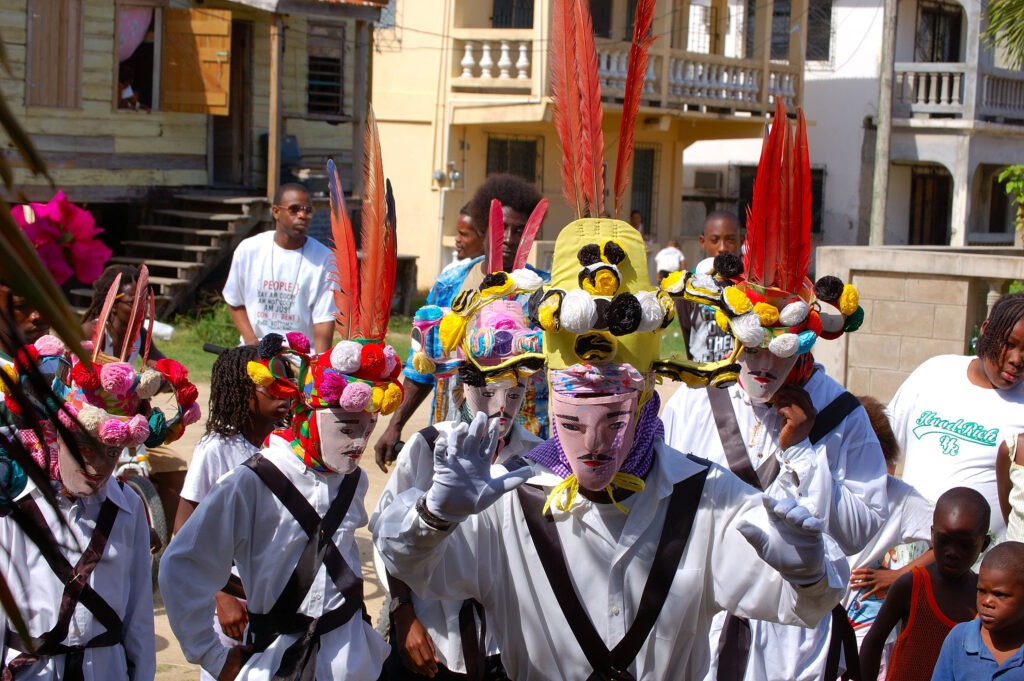
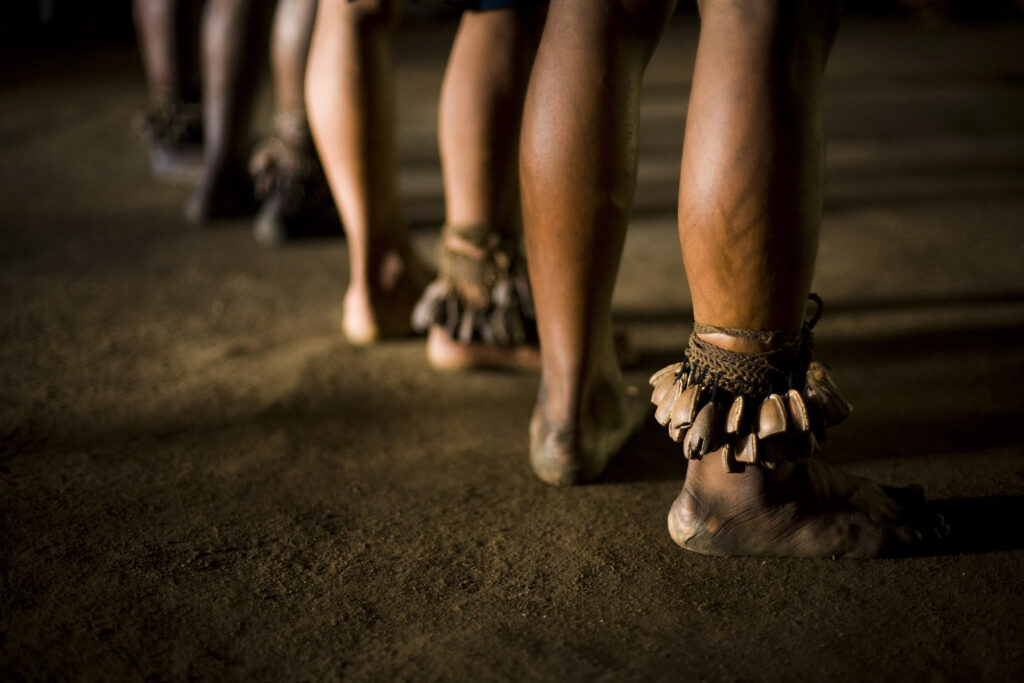
Belize, Guatemala, Honduras, Nicaragua: Garifuna Language, Dance, and Music The Garifuna people, descendants of indigenous Carib and Arawak populations mixed with Africans, have a rich cultural tradition. Their language, music, and dance embody their struggles and resilience, especially their punta music, a vibrant expression of their identity.
Nicaragua: El Güegüense
Dominican Republic: The Fraternity of the Holy Spirit of Villa Mella
Colombia: Palenque de San Basilio
Belize, Guatemala, Honduras, Nicaragua: Garifuna Language, Dance, and Music
Dominican Republic: Cocolo Dance Theatre The Cocolo dance theatre tradition originated among the descendants of British Caribbean slaves in the mid-19th century. This vibrant cultural expression blends African and European elements and is celebrated through annual performances during Christmas and Carnival.
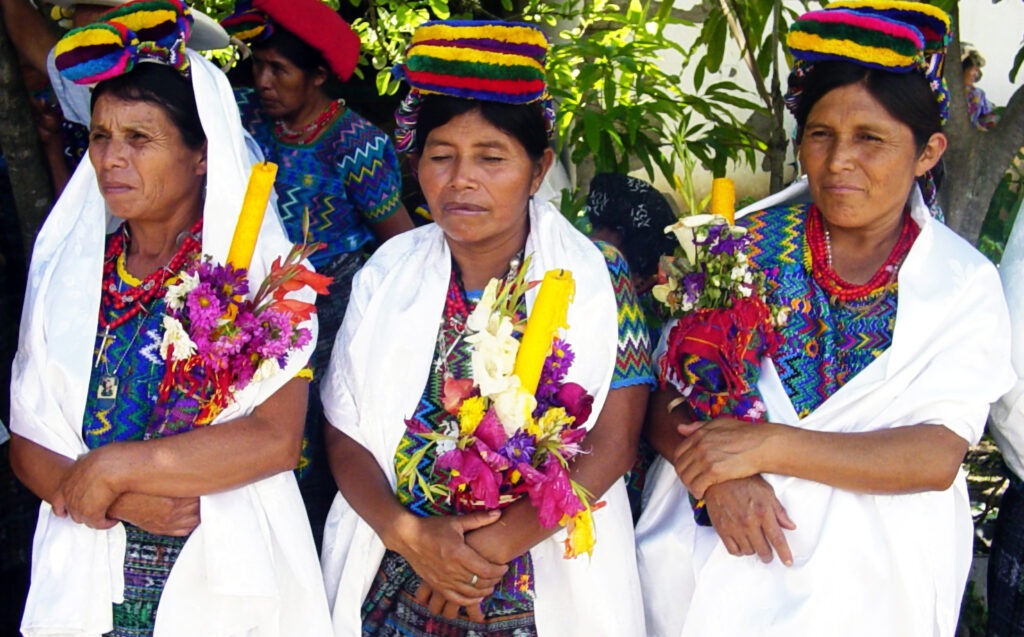
Guatemala: The Rabinal Achí Dance Theatre Tradition The Rabinal Achí is a 15th-century Maya dynastic drama that reflects pre-Hispanic traditions and is presented through masked dances and theatrical performances. Danced annually on January 25th for Saint Paul, it connects the living with their ancestors, emphasizing cultural heritage and continuity.
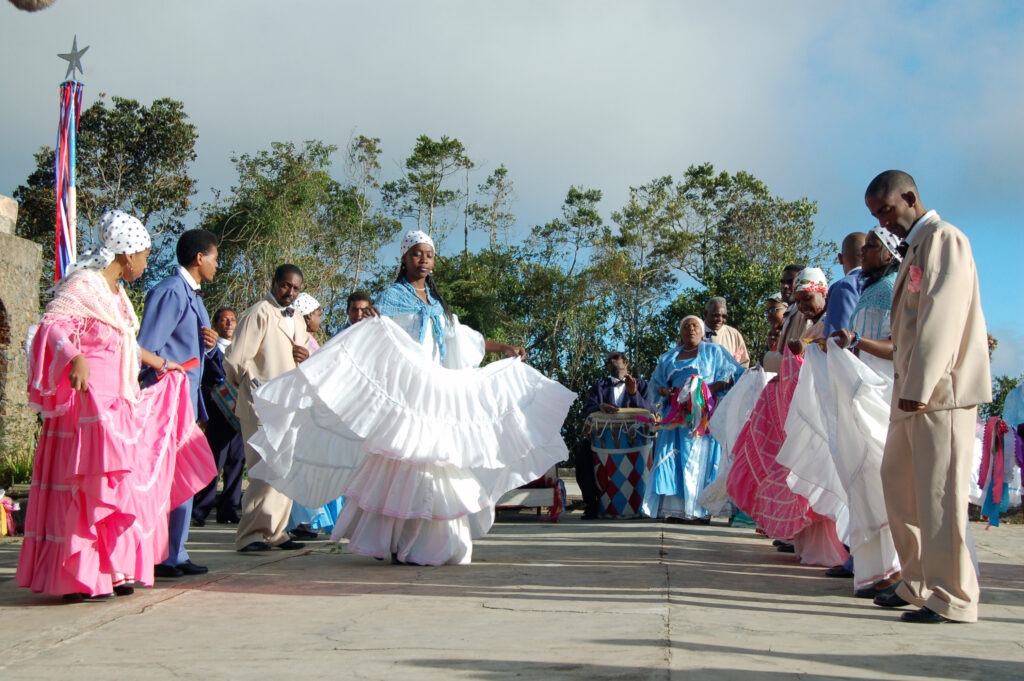
Cuba: The Tumba Francesa Dance Tradition The Tumba Francesa, meaning “French drum,” is a dance, song, and drumming style imported to Cuba by Haitian slaves in the 1790s and reflects the Afro-Haitian heritage of the Oriente province. It is characterized by a fusion of Dahomey music from West Africa and traditional French dances, featuring vibrant performances led by a singer and accompanied by distinct hand-played drums and dancers in colonial-style dresses.
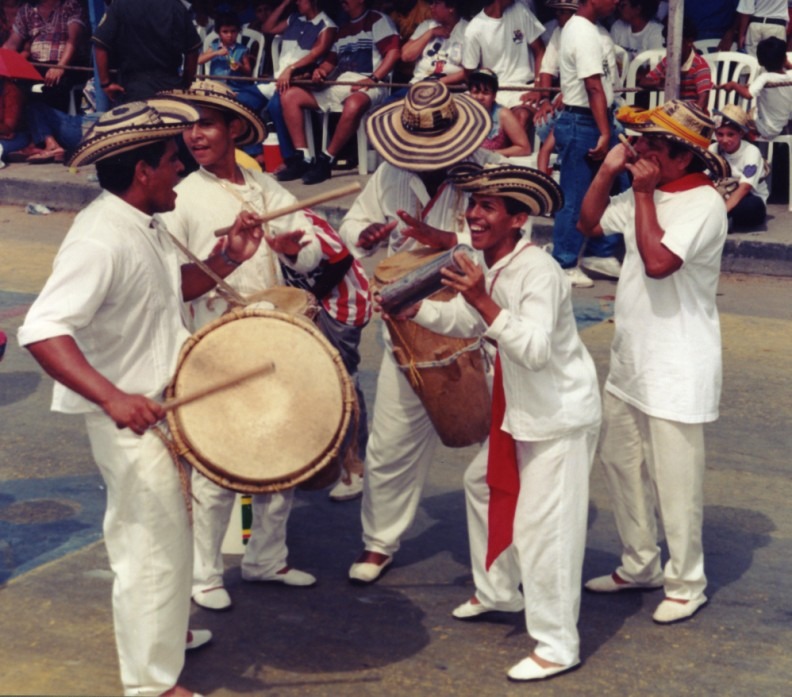
Colombia: The Barranquilla Carnival The Barranquilla Carnival, celebrated annually for four days before Lent, features a vibrant mix of dances and music from various Colombian cultures, reflecting the city’s rich heritage. This fusion of indigenous, European, and African traditions is showcased through lively performances, colorful costumes, and satirical songs that engage the community and celebrate contemporary life..
Dominican Republic: Cocolo Dance Theatre
Guatemala: The Rabinal Achí Dance Theatre Tradition
Cuba: The Tumba Francesa Dance Tradition
Colombia: The Barranquilla Carnival
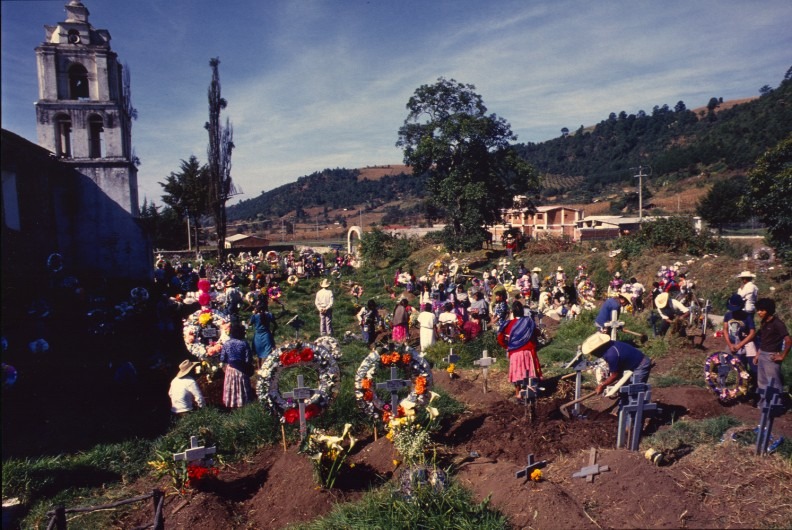
Mexico: Indigenous Festivals Dedicated to the Dead El Día de los Muertos (Day of the Dead) is celebrated by indigenous communities in Mexico as a way to honor the temporary return of deceased loved ones, with festivities occurring from late October to early November. Families prepare altars with offerings and favorite foods of the departed, reflecting a blend of pre-Hispanic and Catholic traditions that strengthens community ties and cultural identity.
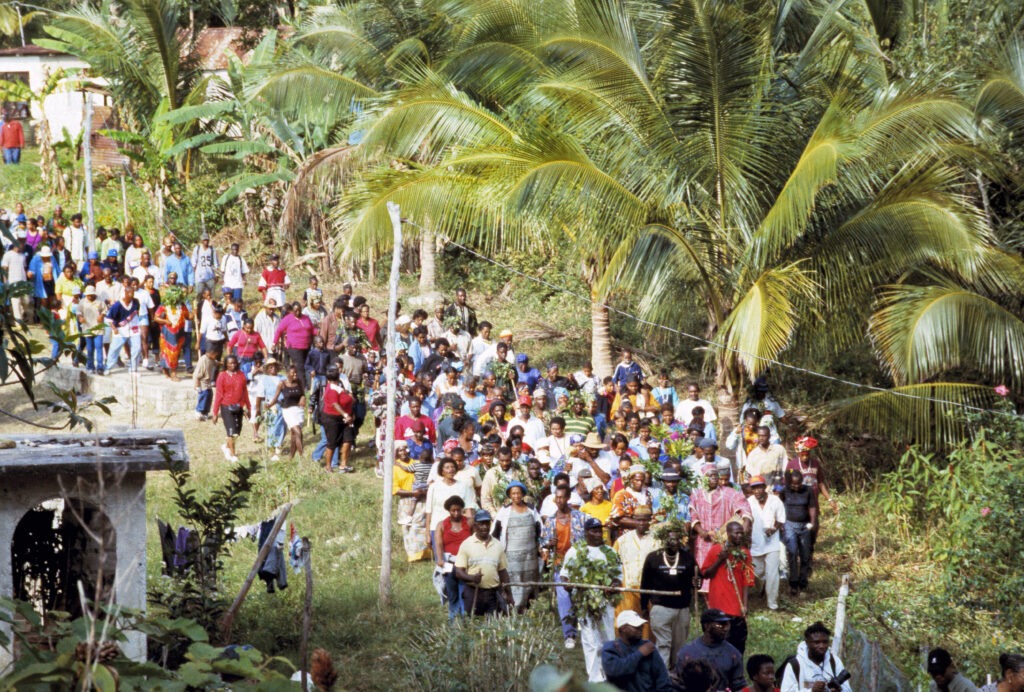
Jamaica: The Traditions of the Maroons of Moore Town The Maroons of Moore Town, descendants of escaped enslaved Africans, have preserved a unique cultural heritage that includes the Kromanti Play, a blend of African traditions expressed through dance, music, and rituals honoring their ancestors. Despite facing opposition from missionaries and economic challenges, these traditions remain central to the identity and resilience of the Maroon community.
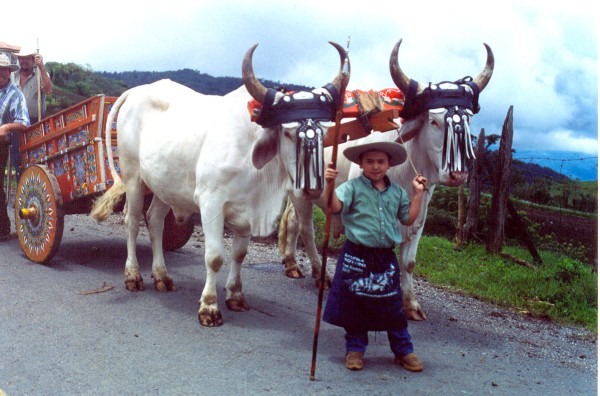
Costa Rica: Pastoral Traditions and Ox-Carts The traditional ox-cart, known as the carreta, is a celebrated symbol of Costa Rican culture, originally used to transport coffee and adorned with vibrant regional designs. Despite their decline in practical use, these intricately decorated carts remain a cherished representation of the country’s rural heritage and are featured prominently in festivals and parades.
Mexico: Indigenous Festivals Dedicated to the Dead
Jamaica: The Traditions of the Maroons of Moore Town
Costa Rica: Pastoral Traditions and Ox-Carts
2009
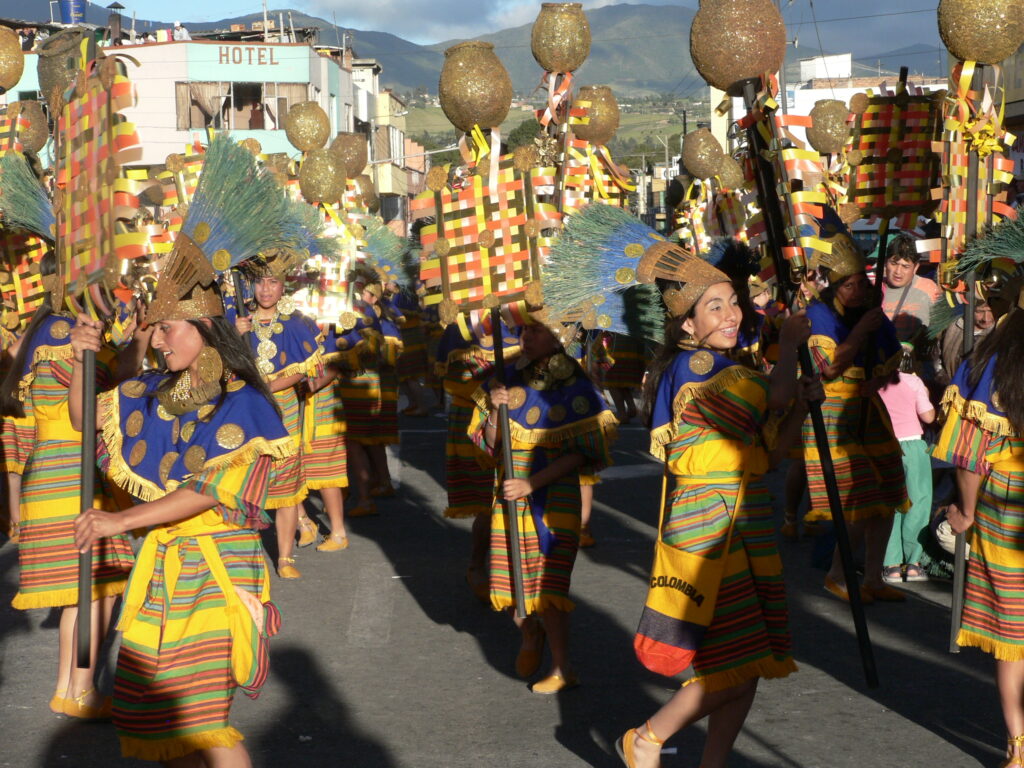
Colombia: Carnaval de Negros y Blancos Celebrated in the city of Pasto, this carnival brings together people of different ethnicities to celebrate cultural diversity. It symbolizes the unity of all races and features colorful parades, elaborate costumes, and traditional dances.
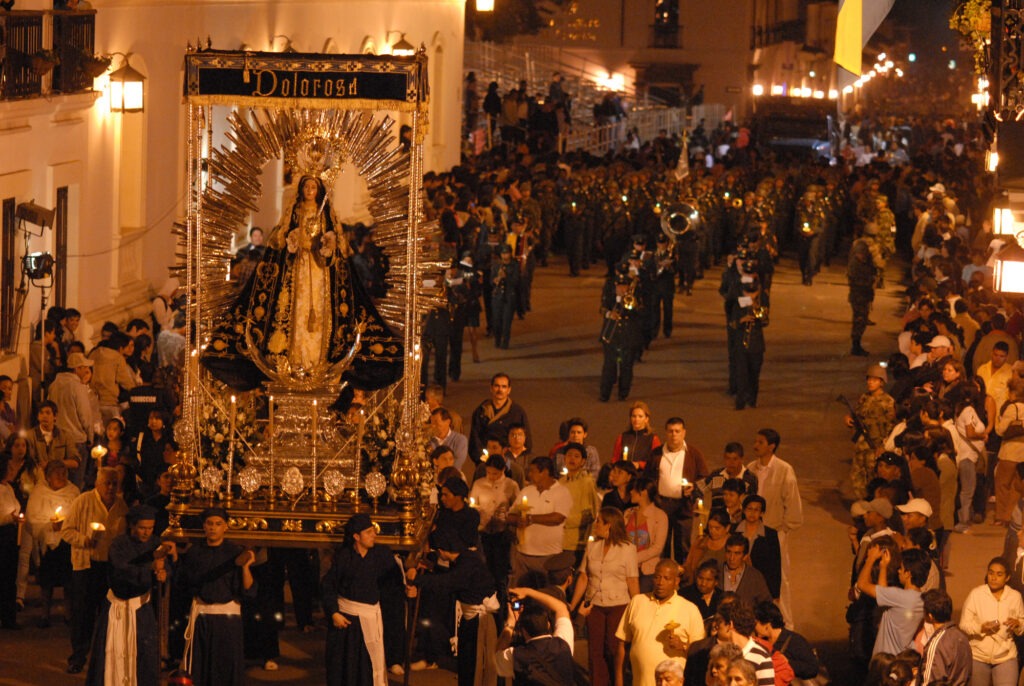
Colombia: Processions of the Holy Week in Popayán One of the oldest religious traditions in Latin America, these processions are marked by reverence and devotion. Participants carry religious icons through the streets, maintaining a solemn atmosphere as the community honors their faith.
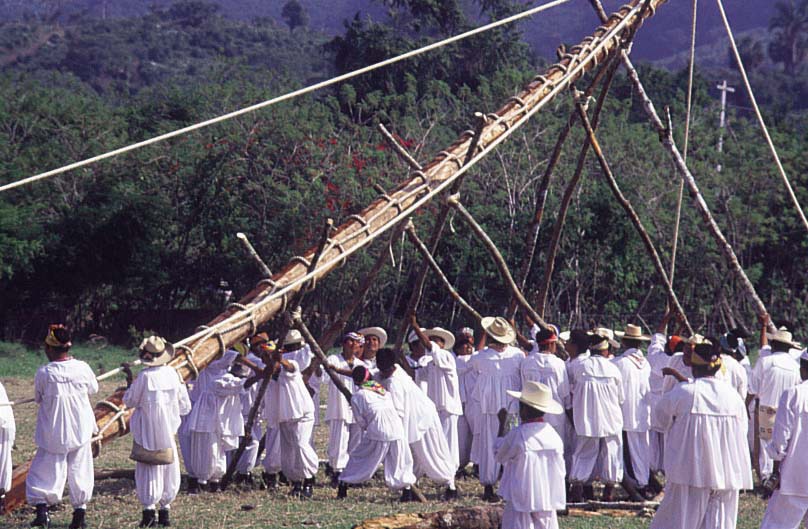
Mexico: Ceremony of the Voladores This ancient Mesoamerican ritual involves performers climbing a tall pole and spinning towards the ground, mimicking the descent of birds. It is a spiritual act meant to honor the gods and seek blessings for fertility and a good harvest.
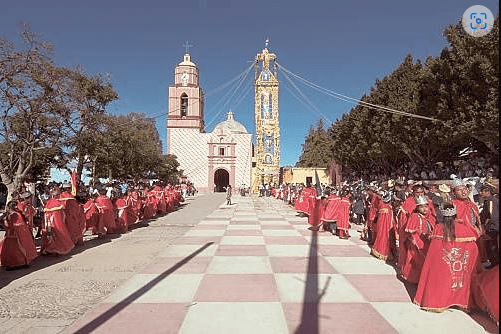
Mexico: Otomí-Chichimeca Heritage The Otomí-Chichimeca people of Querétaro honor their connection to the land through annual pilgrimages to sacred sites like Peña de Bernal, praying for water and ancestral blessings. Their vibrant traditions and rituals are essential to their cultural identity.
Colombia: Carnaval de Negros y Blancos
Colombia: Processions of the Holy Week in Popayán
Mexico: Ceremony of the Voladores
Mexico: Otomí-Chichimeca Heritage
2010
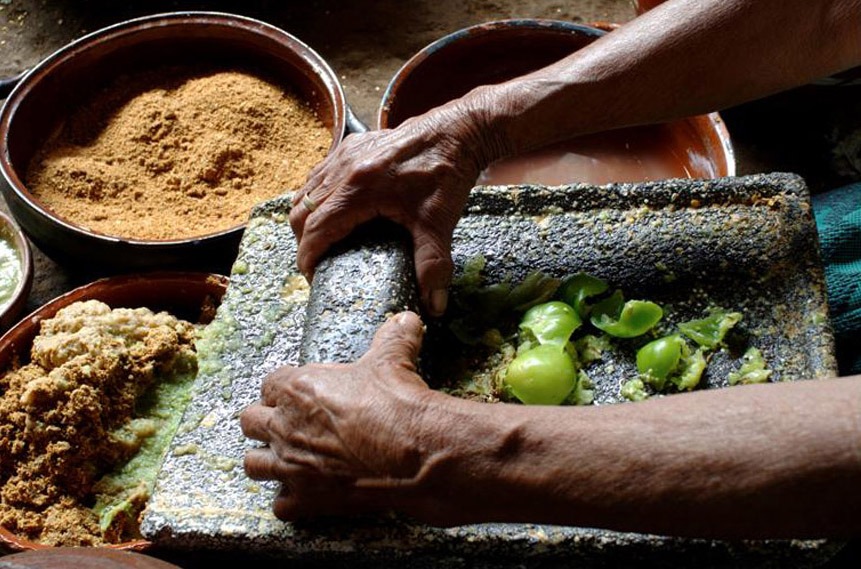
Mexico: Traditional Mexican Cuisine Recognized for its intricate methods of preparation and the role it plays in community-building, Traditional Mexican Cuisine reflects a harmonious relationship between people and nature. Corn, beans, and chili form the holy trinity of ingredients central to Mexican cuisine.
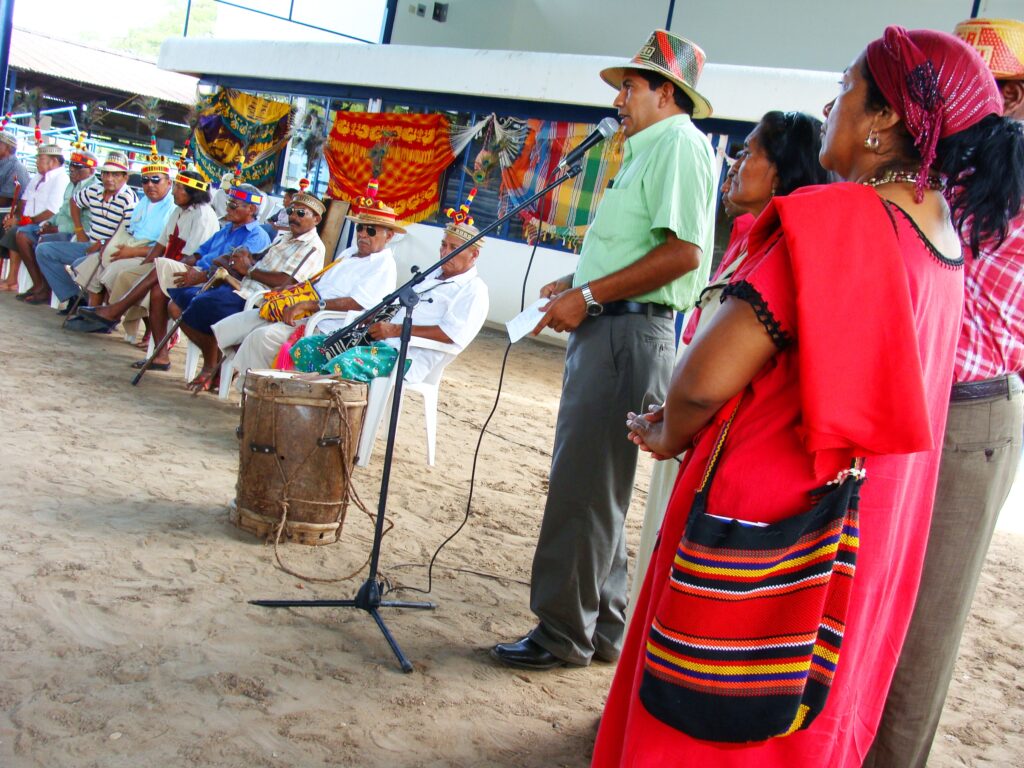
Colombia: Wayuu Normative System The Wayuu people, an indigenous group in the northern part of Colombia, have maintained their own legal system for centuries. This system promotes conflict resolution through dialogue, with spiritual leaders playing an important role in maintaining harmony within the community.
Mexico: Pirekua A traditional music genre of the Purépecha people in Michoacán, Pirekua is known for its poetic lyrics that express emotions ranging from love to mourning. Its slow tempo and melodic structure have been passed down through generations as a way of preserving their cultural heritage.
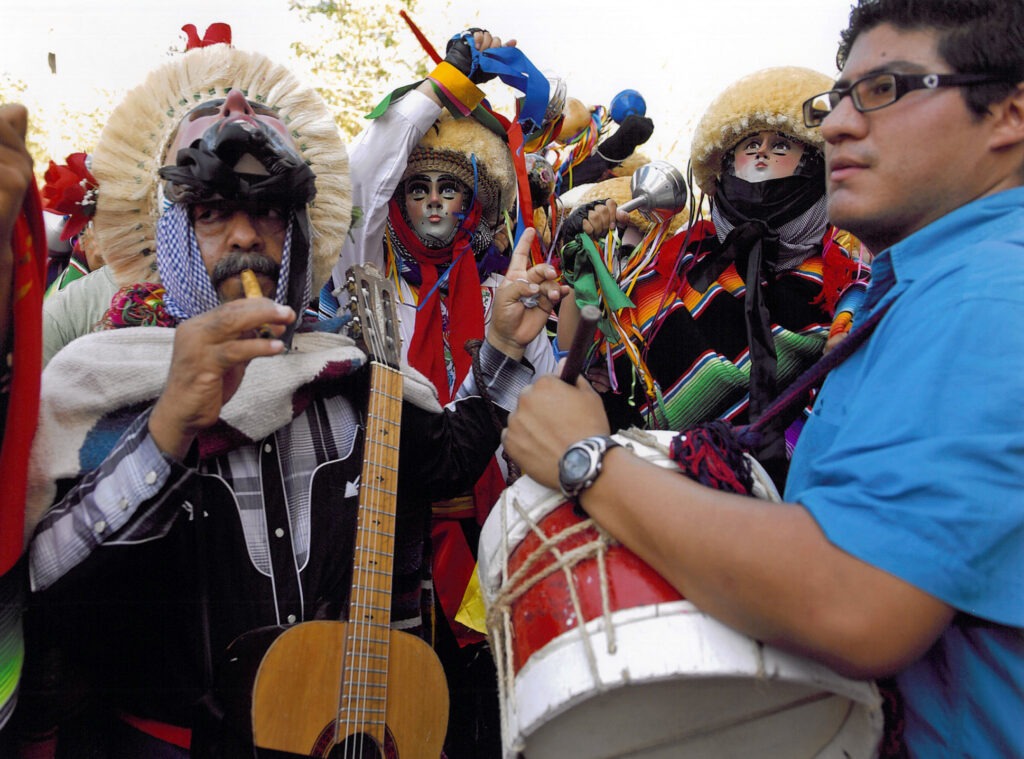
Mexico: Parachicos in the Traditional Festival of Chiapa de Corzo The traditional festival in Chiapa de Corzo, held annually from January 4 to 23, celebrates three Catholic saints with music, dance, and rituals, particularly honoring Saint Sebastian. The Parachicos dance, performed by masked dancers in colorful attire, serves as a collective offering and fosters mutual respect among the community.
Mexico: Traditional Mexican Cuisine
Colombia: Wayuu Normative System
Mexico: Pirekua
Mexico: Parachicos in the Traditional Festival of Chiapa de Corzo
2011
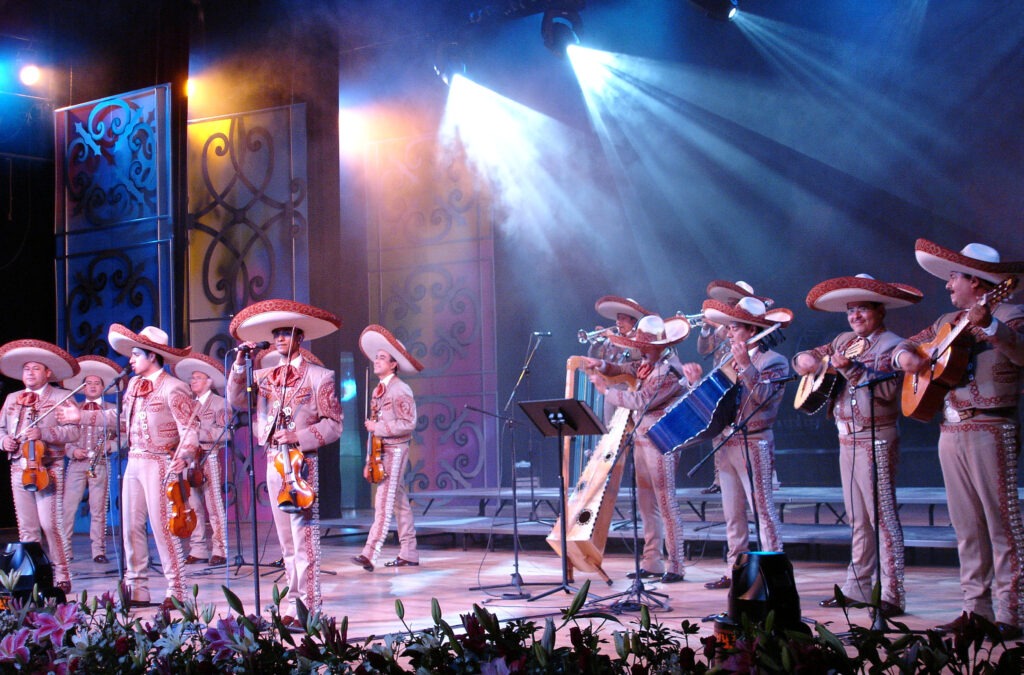
Mexico: Mariachi One of Mexico’s most recognizable cultural exports, Mariachi music is a blend of Spanish, indigenous, and African elements. It is traditionally performed at celebrations such as weddings, birthdays, and national holidays, with its vibrant rhythms and passionate lyrics captivating audiences worldwide.
Colombia: Jaguar Shamans of Yuruparí The shamans of the Yuruparí communities play a vital role in maintaining the balance between nature and humanity. Their rituals involve music, storytelling, and offerings to the jaguar, a sacred animal representing strength and wisdom.
Mexico: Mariachi
Colombia: Jaguar Shamans of Yuruparí
From the rich oral traditions of indigenous groups to the lively rhythms of musical performances, these UNESCO-recognized elements highlight the resilience and creativity of Caribbean cultures. In the next article, we will continue our journey, exploring more fascinating traditions recognized between 2012 and 2015.