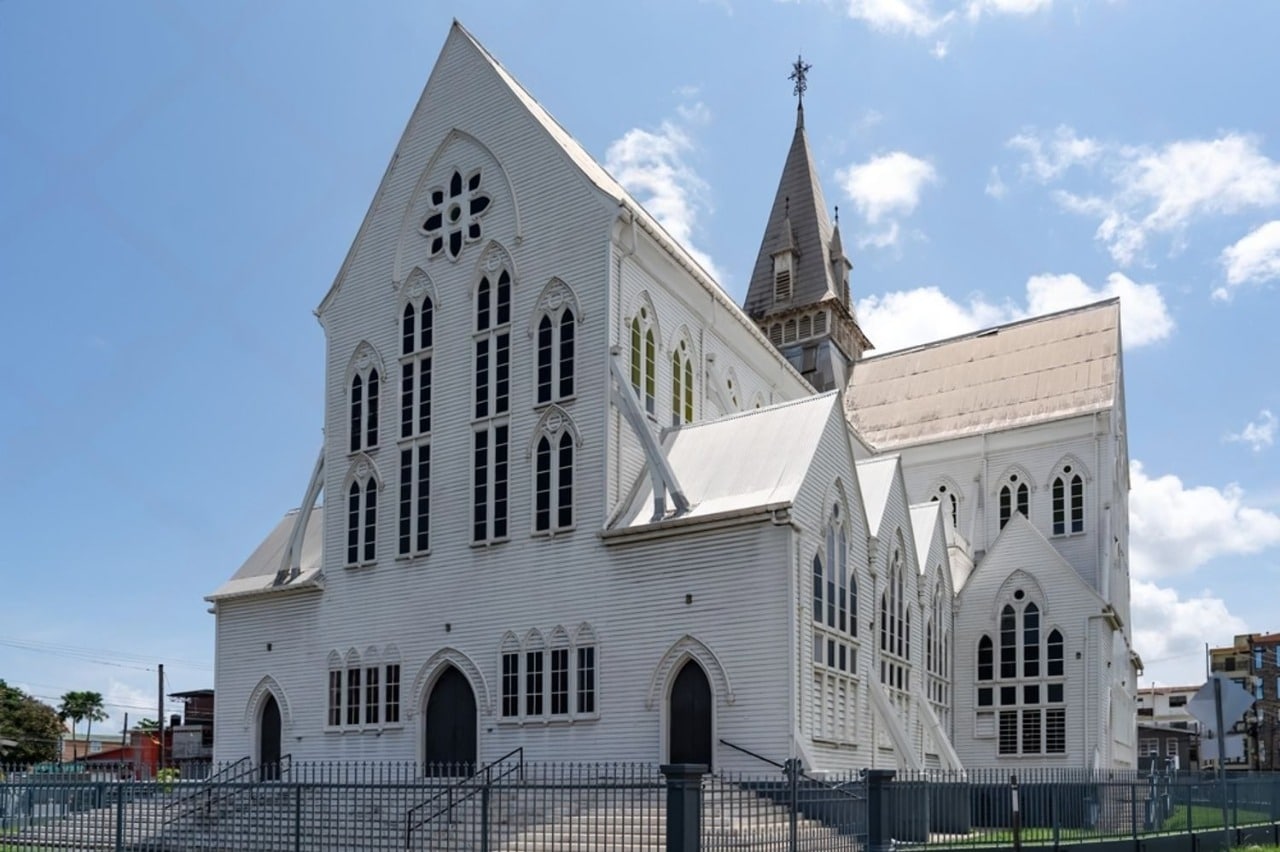
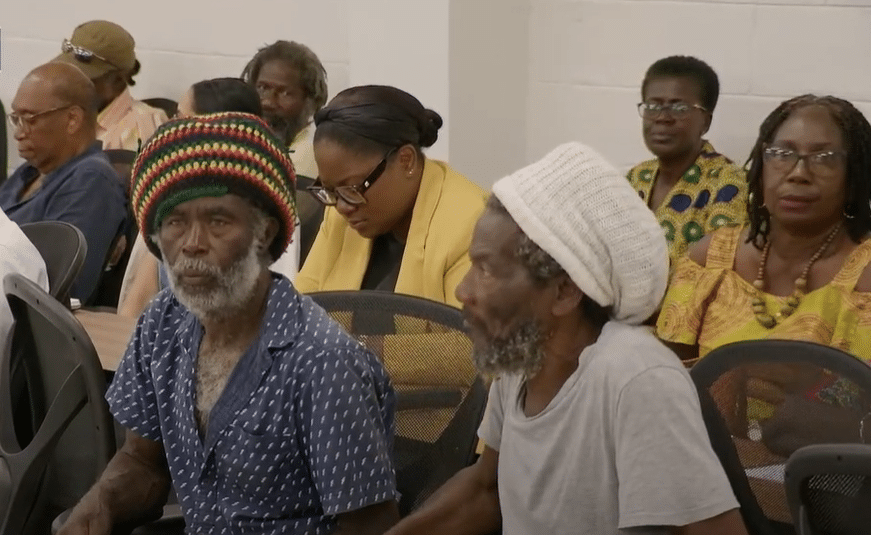
Passing on the Garifuna heritage was at the heart of the 12th International Garifuna Conference, held at the University of the West Indies Global Campus in Saint Vincent and the Grenadines. Convened by the Garifuna Heritage Foundation in partnership with the university, this 2025 edition brought together cultural leaders, researchers, artists and activists around a unifying theme: “Embracing our heritage – Strategies for building the Garifuna pillar of an indigenous peoples’ development plan to 2030”. The conference was both a time for remembrance and transmission, and a clear call to action to ensure the sustainability of the Garifuna identity across borders and generations.
Living memory: language, songs and rituals as acts of resistance
The conference opened on a highly symbolic note: the recitation of the Lord’s Prayer in Garifuna by a delegation that had come specially for the occasion. A moment that was both spiritual and linguistic, it set the tone for an event focused on cultural roots and reclaiming identity.
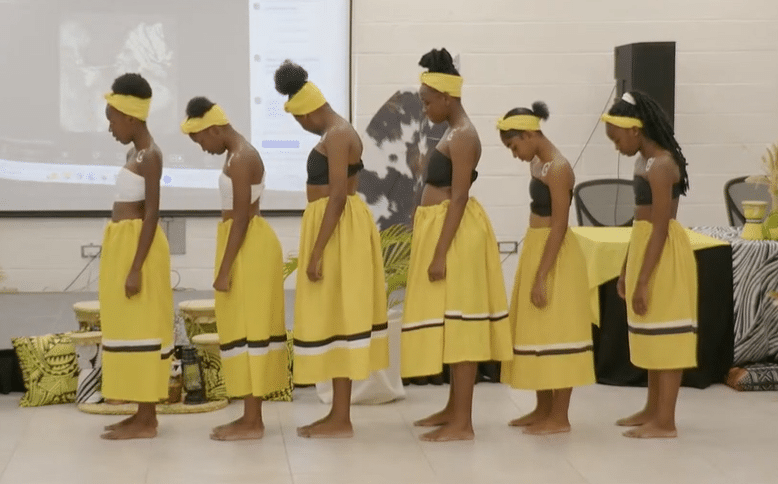
One of the speakers then presented a traditional song evoking exile – that of the Garifuna people uprooted from Saint-Vincent, but also exile in its universal dimension. “Exile is exile”, she asserted, drawing parallels with the Jewish diaspora and other displaced peoples. Sung in a minor mode, generally associated with melancholy, this piece was described as a powerful tool for oral transmission, conveying emotion and memory.
Here, music is more than art: it is testimony. It embodies a living memory, a cultural resistance, a link between generations. Through its rhythms, words and harmonies, it transmits a story of survival and dignity.

Building a development strategy rooted in indigenous knowledge
At the heart of the three-day meeting was the construction of a development framework for 2030, centered on Garifuna realities. Discussions focused on concrete strategies: education, heritage preservation, political participation and community development.
A strong consensus has emerged around the importance of indigenous knowledge in national development policies. First and foremost, language has been placed at the heart of these concerns: beyond being a communication tool, it is perceived as a vector of identity, a vision of the world, an ancestral heritage. Any truly sustainable development policy must therefore recognize and strengthen Garifuna cultural institutions.
Another key point was intergenerational transmission. The elders are the guardians of memory, but the young are called upon to become its relays, appropriating this knowledge with contemporary tools. It’s not just a question of preserving a heritage, but of building a living future, nourished by the wisdom of the past.
A clear course to 2030
At the end of the 12th International Garifuna Conference, the message was clear: passing on the Garifuna heritage is not a matter of the past, but a strategic choice for the future. Through language, music, storytelling and collective action, the participants sketched out an ambitious roadmap, in which the Garifuna identity not only survives, but asserts itself as a living force in the Caribbean and beyond.
Looking towards 2030, the Garifuna Heritage Foundation and its partners intend to translate these reflections into concrete projects. The call is out, and the march continues – rooted in memory, but resolutely turned towards the future.