
UNESCO : Special report part 3 (2016-2019): The Caribbean’s Cultural Treasures: Recognized Intangible Heritage

UNESCO

Celebrating the Caribbeanโ€™s Cultural Diversity

Between 2016 and 2019, UNESCO continued to recognize the Caribbeanโ€™s rich intangible cultural heritage, celebrating traditions that showcase the regionโ€™s diversity and vibrant history. These recognitions by UNESCO reveal the deep cultural practices and customs that have survived generations, connecting the past with the present. This article focuses on the elements honored during this period, highlighting their significance to the Caribbean identity.

2016

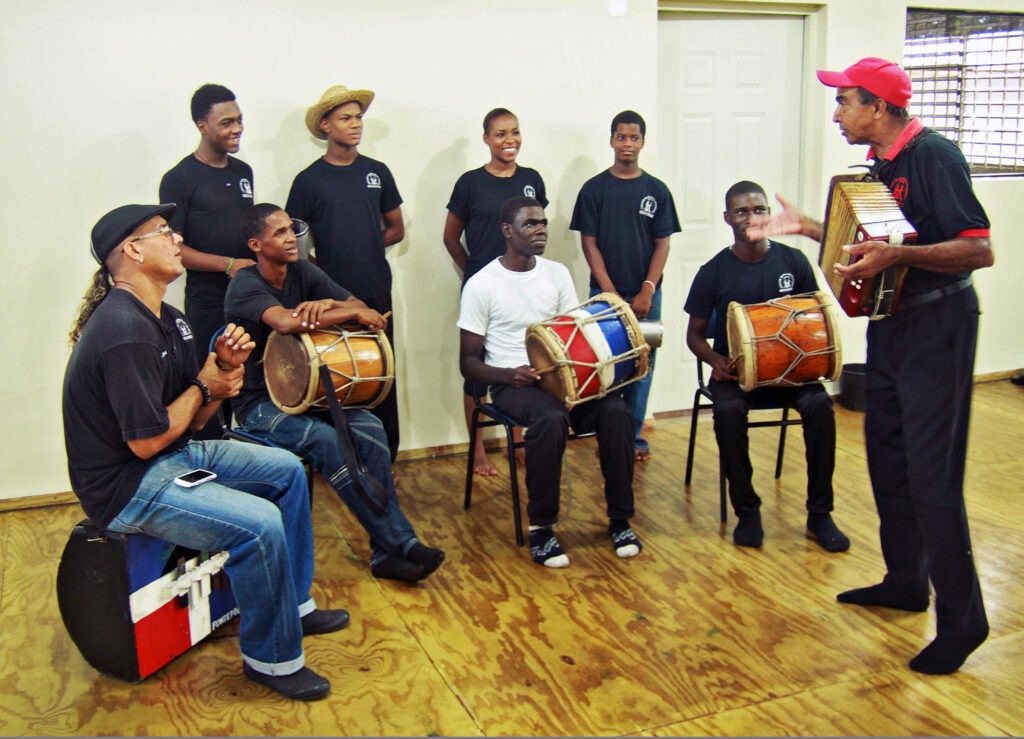
  • Dominican Republic: Music and Dance of Merengue
    For UNESCO Merengue is not just a genre of music in the Dominican Republic but a national symbol. Its fast rhythms and lively dance steps are part of every major celebration. The music blends European and African influences, representing a fusion that is emblematic of the islandโ€™s history and cultural makeup.

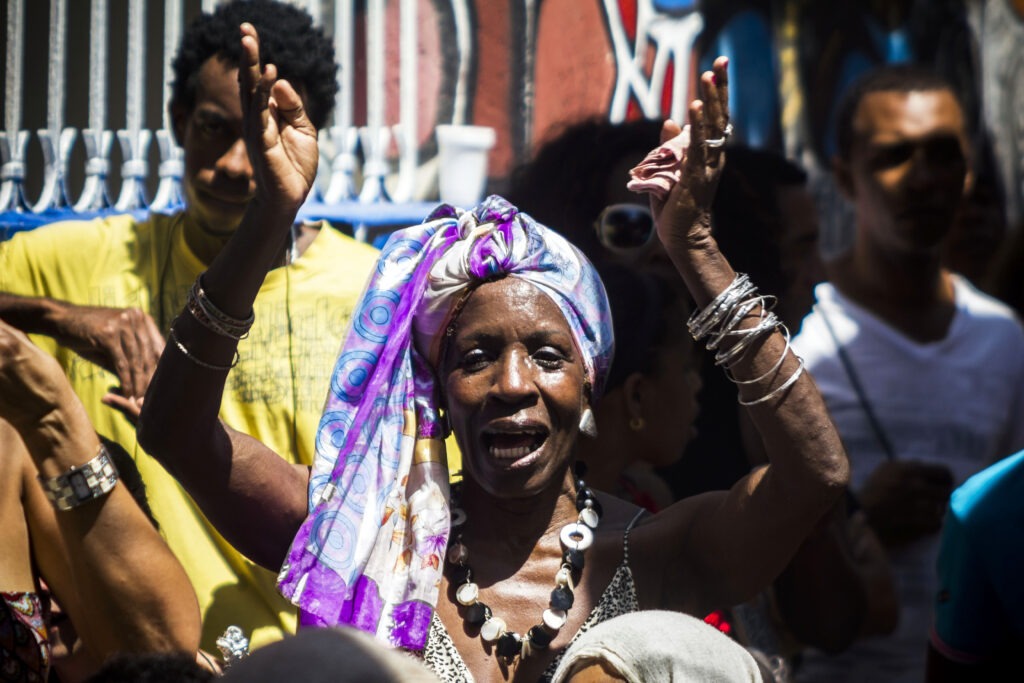
  • Cuba: Rumba
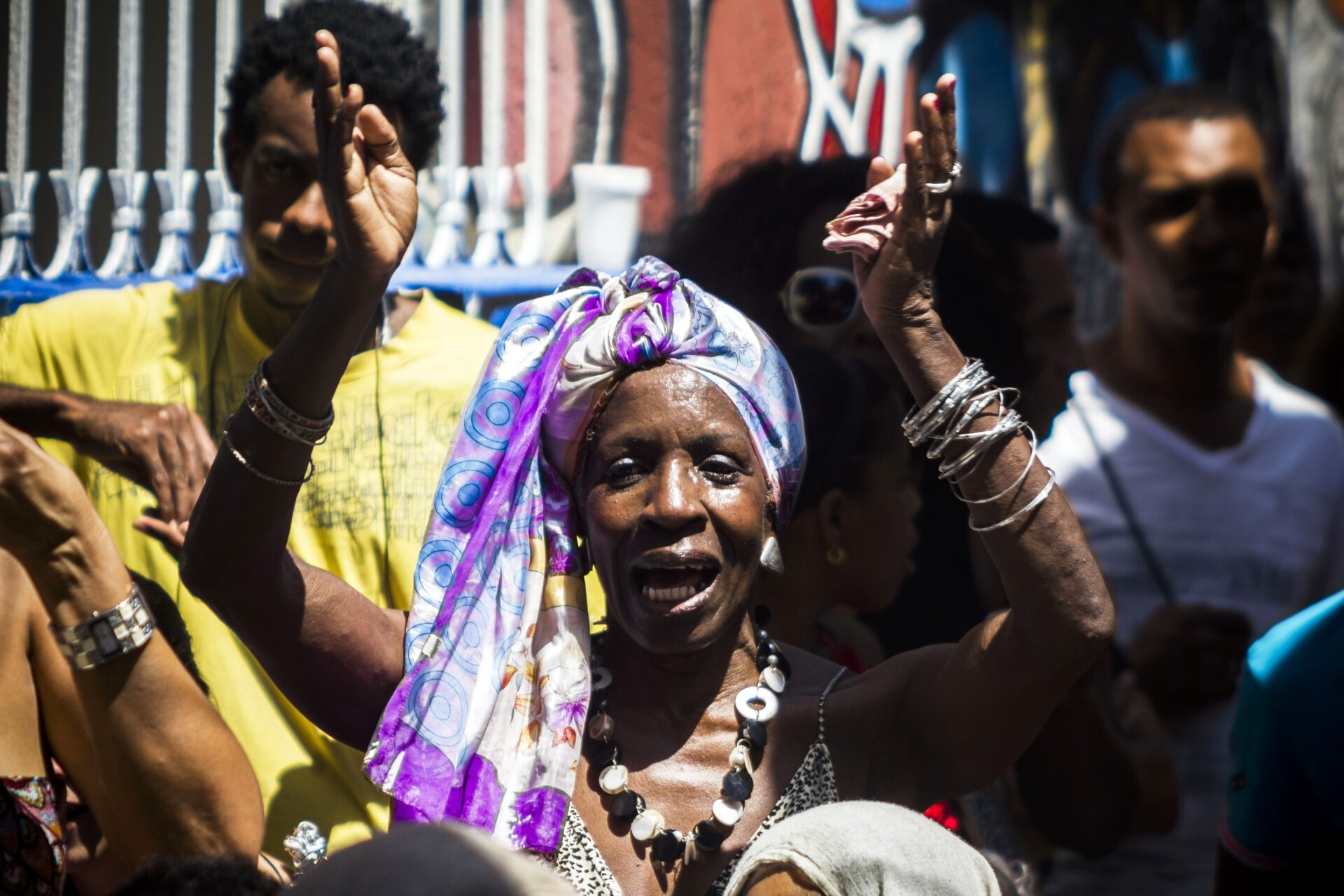
    Rumba is a joyous celebration of Cuban identity through a fusion of African rhythms and Spanish melodies. It is more than a musical genreโ€”rumba incorporates dance, percussion, and vocals, creating an art form that fosters community, expression, and connection with heritage.

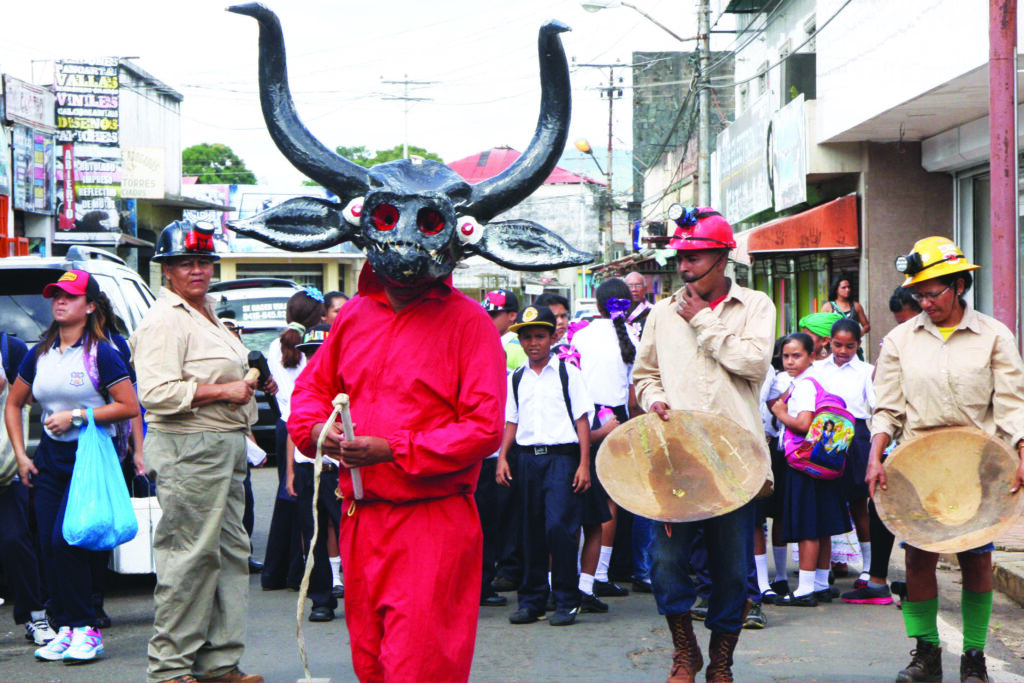
  • Venezuela (Bolivarian Republic of): Carnival of El Callao
    El Callao Carnival is a colorful and vibrant cultural event that dates back to the 19th century. It celebrates African, indigenous, and Caribbean roots through parades, masquerades, and traditional music. The carnival symbolizes unity and cultural resilience in the face of hardship, making it a significant event for Venezuelans.

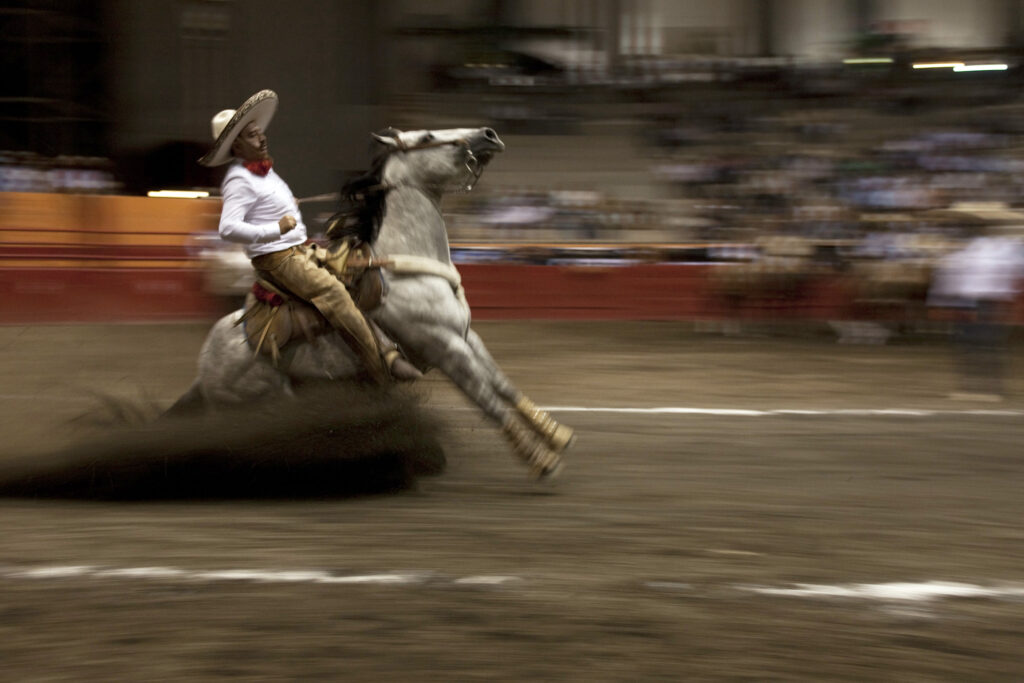
  • Mexico: La Charrerรญa, Equestrian Tradition
    La Charrerรญa is a traditional equestrian practice among cattle-raising communities in Mexico that combines cultural heritage and competitive sport, showcasing skillful performances while promoting important social values to younger generations.

UNESCO
Dominican Republic: Music and Dance of Merengue
UNESCO
Cuba: Rumba
UNESCO
Venezuela (Bolivarian Republic of): Carnival of El Callao
UNESCO
Mexico: La Charrerรญa, Equestrian Tradition

2017

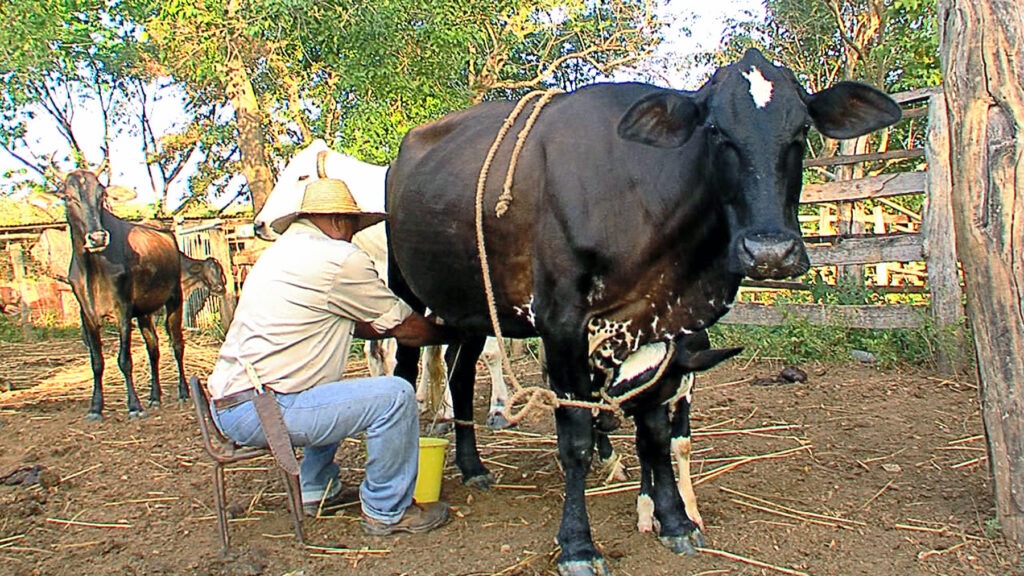
  • Colombia and Venezuela (Bolivarian Republic of): Work Songs of the Plains (Chants de travail des llanos)
    For UNESCO, these songs, sung by the cattle ranchers of the Orinoco Plains, are an essential part of the daily life of llaneros (plainsmen) in Colombia and Venezuela. The songs are used to communicate with the animals and among workers, celebrating the deep connection between humans, animals, and the vast plains.

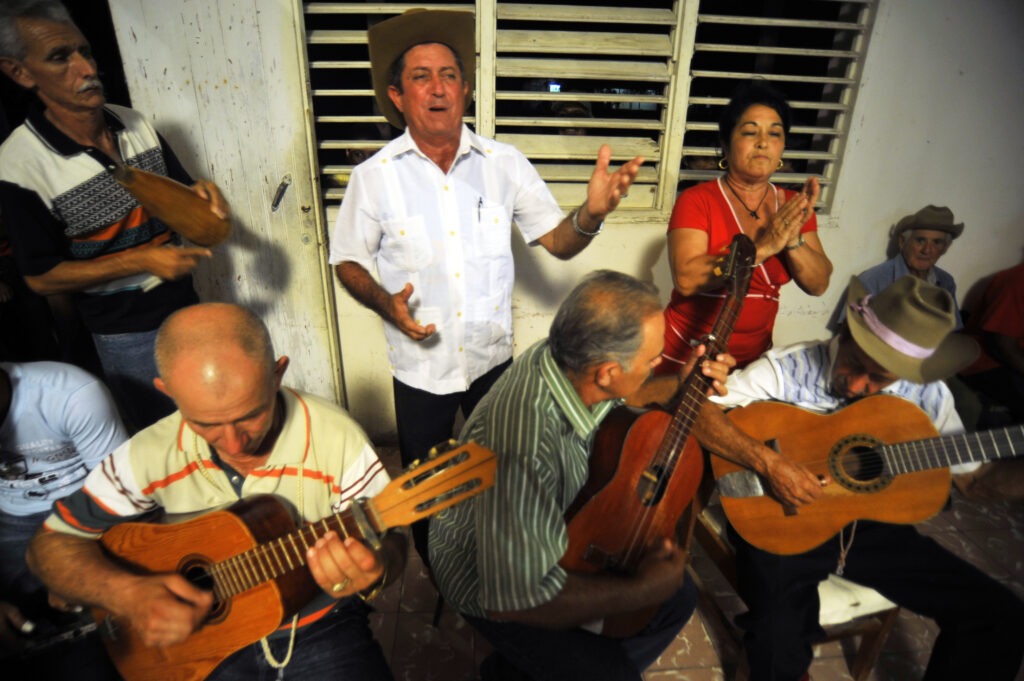
  • Cuba: Punto
    Punto is a traditional Cuban music genre combining poetic lyrics with melodies played on stringed instruments. Originating from Spanish peasant music, it is often performed in community gatherings and has become a key part of Cuban cultural identity, symbolizing a deep connection to the land and rural life.

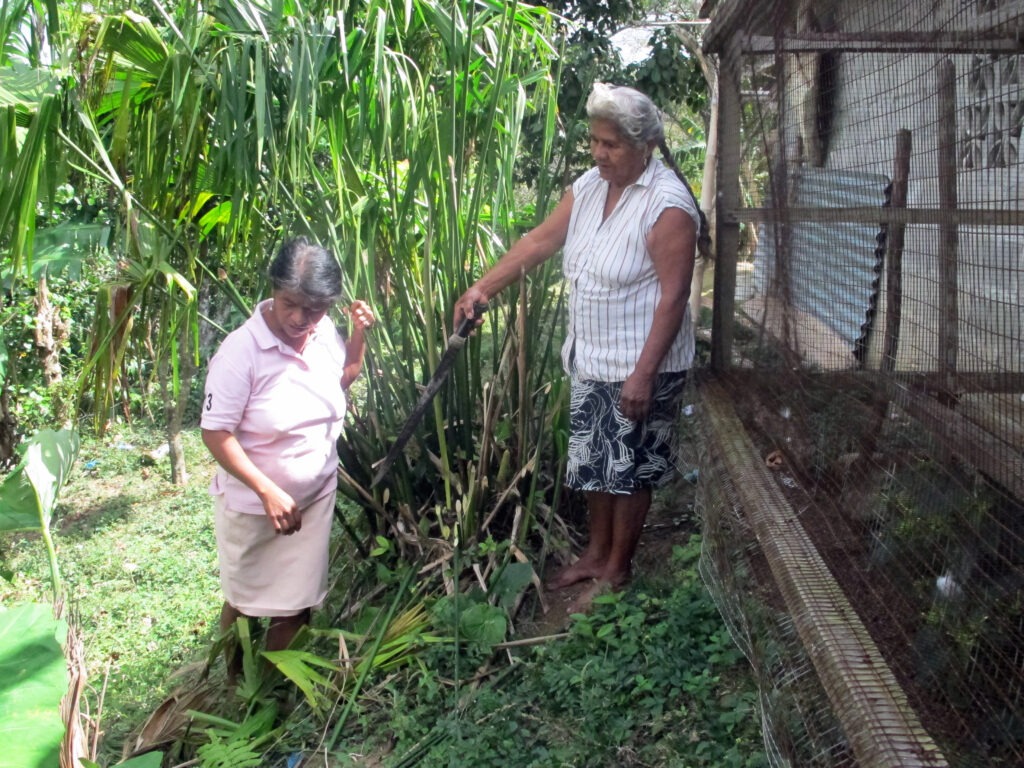
  • Panama: Techniques for Weaving Talco Hats and Pintas
    This tradition involves intricate craftsmanship in the weaving of talco hats, crinejas, and pintas, often made from plant fibers. The practice is passed down from generation to generation, ensuring the preservation of the craft and its cultural significance in Panama.

UNESCO
Colombia and Venezuela (Bolivarian Republic of): Work Songs of the Plains
UNESCO
Cuba: Punto
UNESCO
Panama: Techniques for Weaving Talco Hats and Pintas

2018

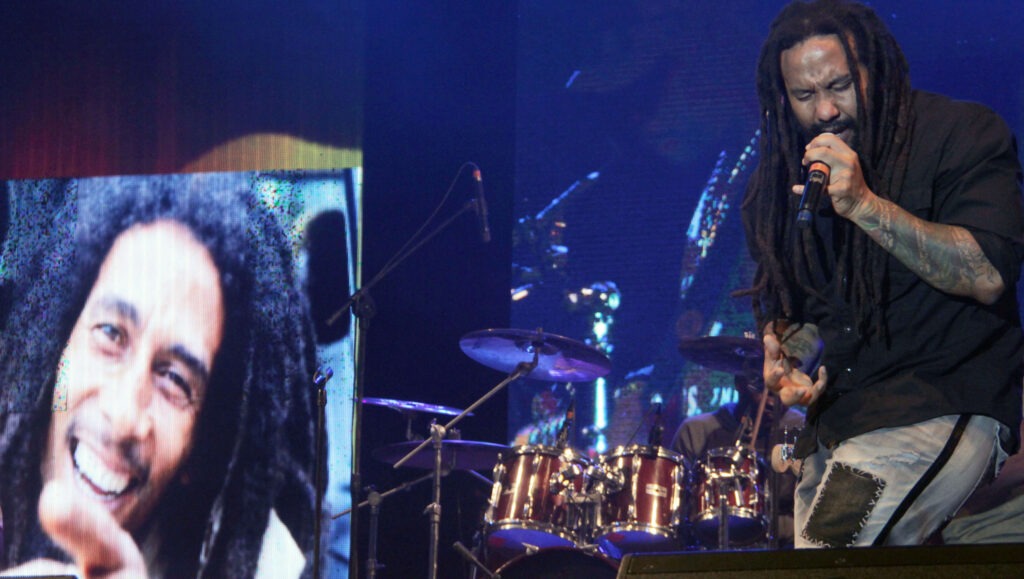
  • Jamaica: Reggae Music
    For UNESCO, Reggae, synonymous with Jamaica, is more than just music; it is a cultural force that promotes messages of peace, love, and resistance. Popularized by icons like Bob Marley, reggaeโ€™s rhythms and messages have influenced people worldwide, while remaining deeply rooted in the islandโ€™s African traditions.

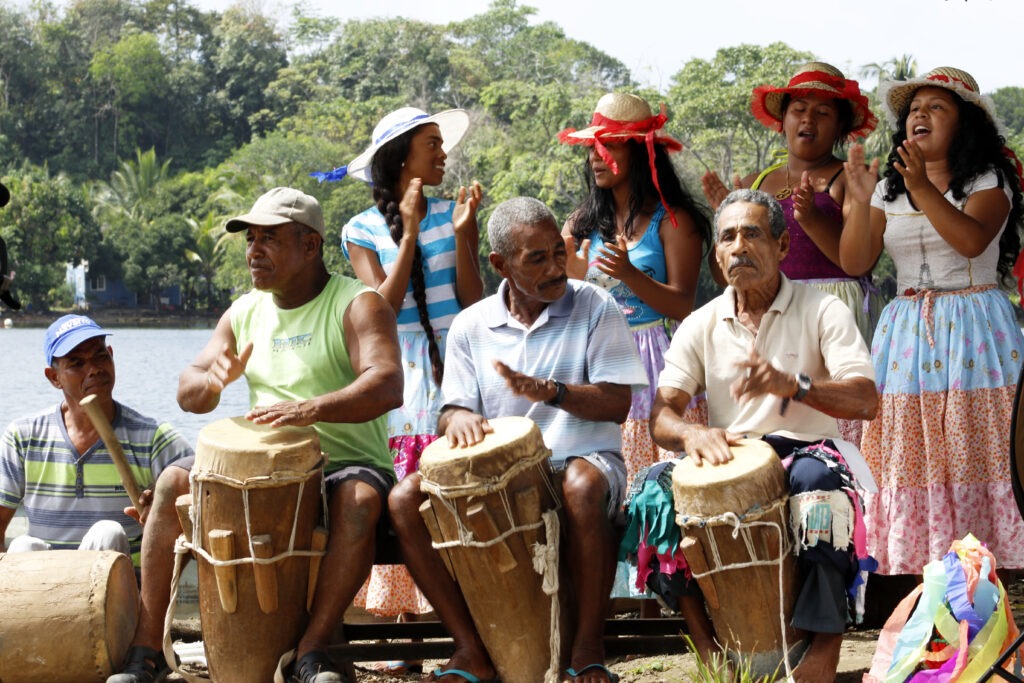
  • Panama: Expressions and Rituals of Congo Culture
    In Panama, the Afro-descendant Congo culture is celebrated through songs, dances, and rituals. These practices are not only a form of entertainment but also acts of resistance, passed down from enslaved Africans to their descendants. Congo rituals are performed in festivals that remember the struggles of the African diaspora and the fight for freedom.

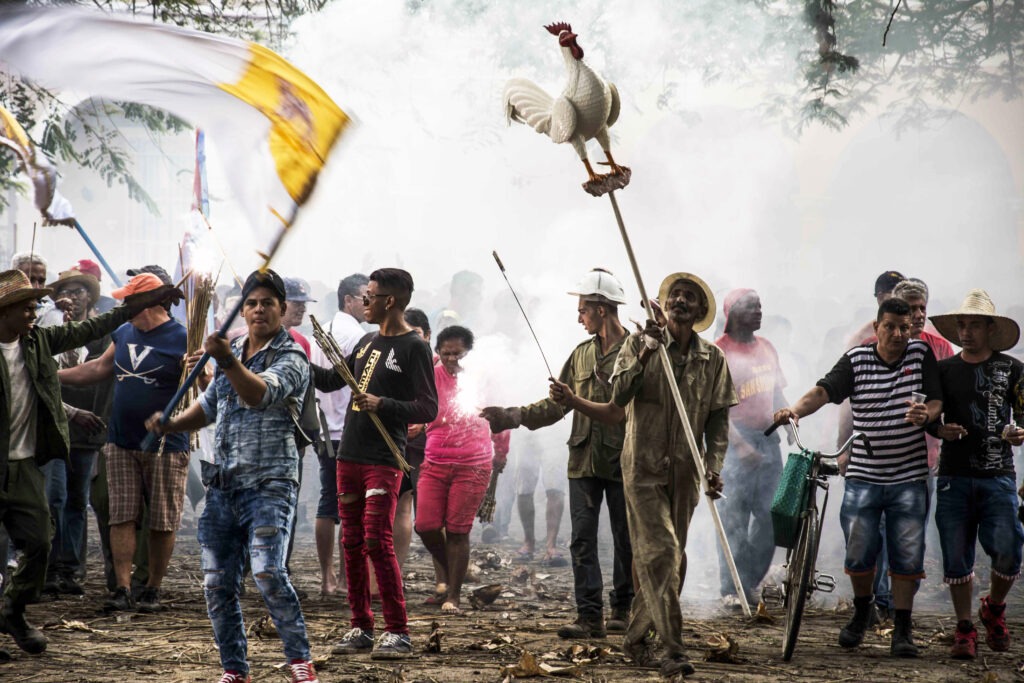
  • Cuba: Parrandas (Traditional Cuban Festivals)
    Originating in central Cuba, parrandas are lively celebrations that mix music, dance, and fireworks. These festivals bring communities together to celebrate their shared identity and provide a stage for collective creativity.

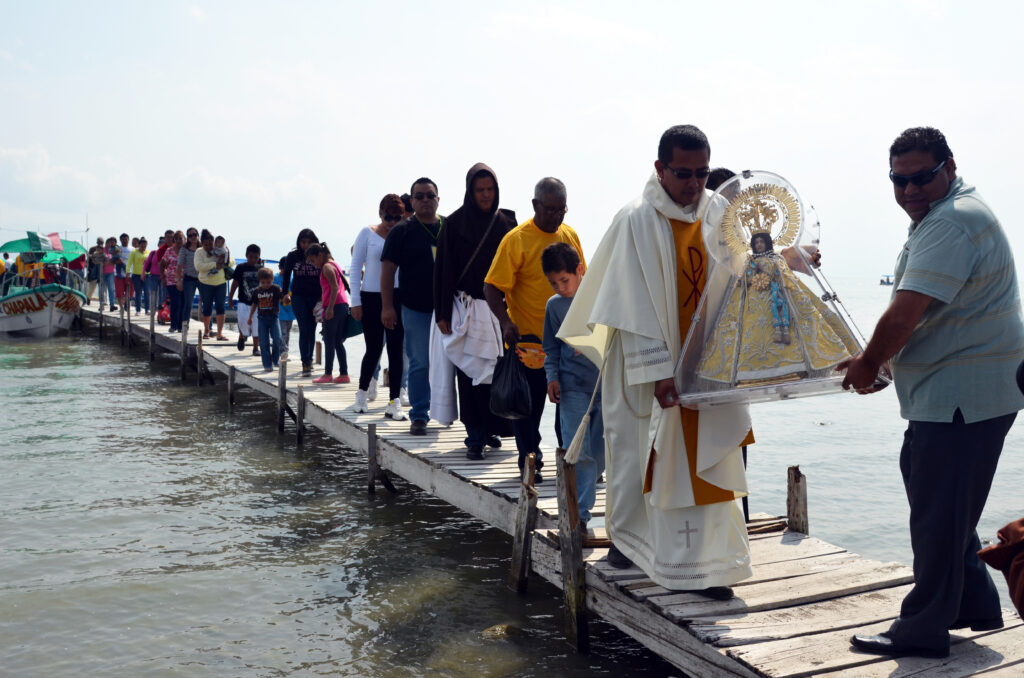
  • Mexico: La Romerรญa, Ritual Pilgrimage Cycle
    La Romerรญa is a deeply rooted annual tradition celebrated on October 12 in honor of the Virgin of Zapopan, culminating a ritual cycle with over two million participants, vibrant indigenous dances, and community activities that strengthen social ties.
UNESCO
Jamaica: Reggae Music
UNESCO
Panama: Expressions and Rituals of Congo Culture
UNESCO
Cuba: Parrandas (Traditional Cuban Festivals)
UNESCO
Mexico: La Romerรญa, Ritual Pilgrimage Cycle

2019

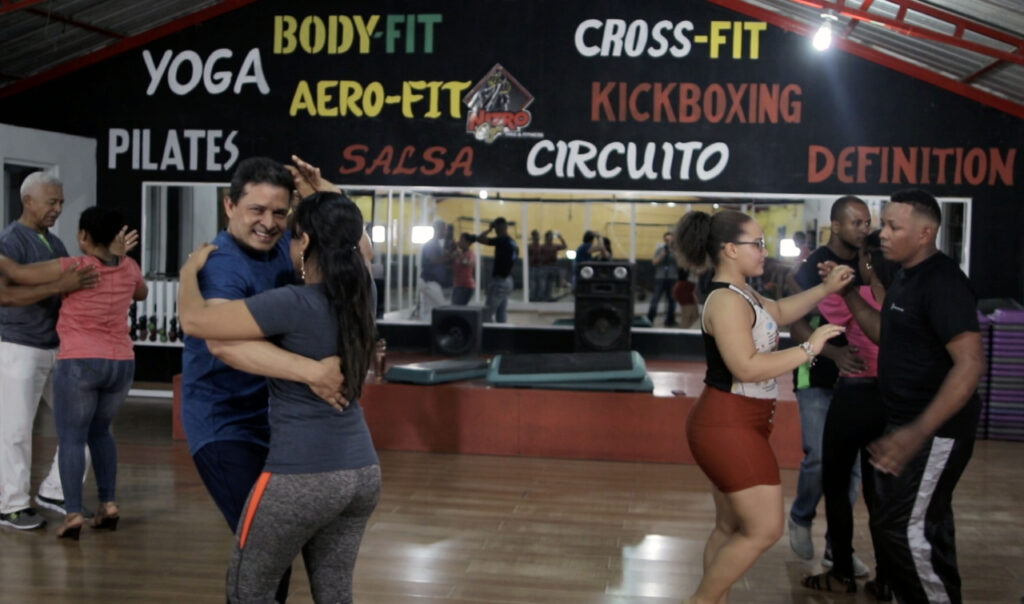
  • Dominican Republic: Music and Dance of Bachata
    For UNESCO, Bachata, known for its romantic lyrics and soulful melodies, is an iconic genre in the Dominican Republic. Rooted in rural life, it has evolved from humble beginnings into a symbol of Dominican identity, blending African, European, and indigenous influences to create a unique sound.

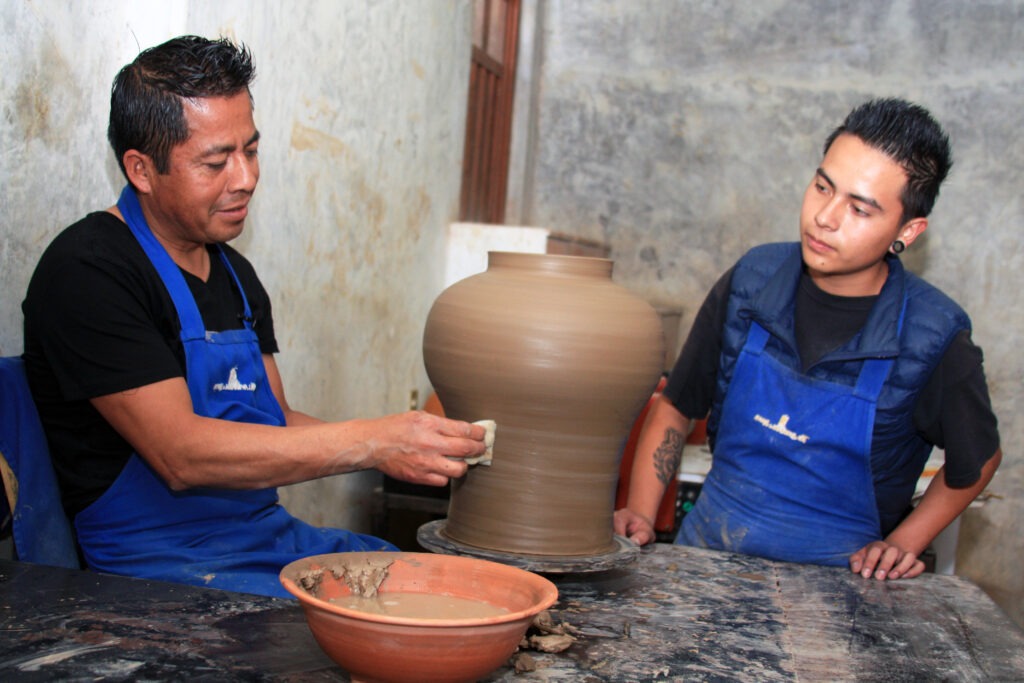
  • Mexico: Artisanal Talavera Pottery
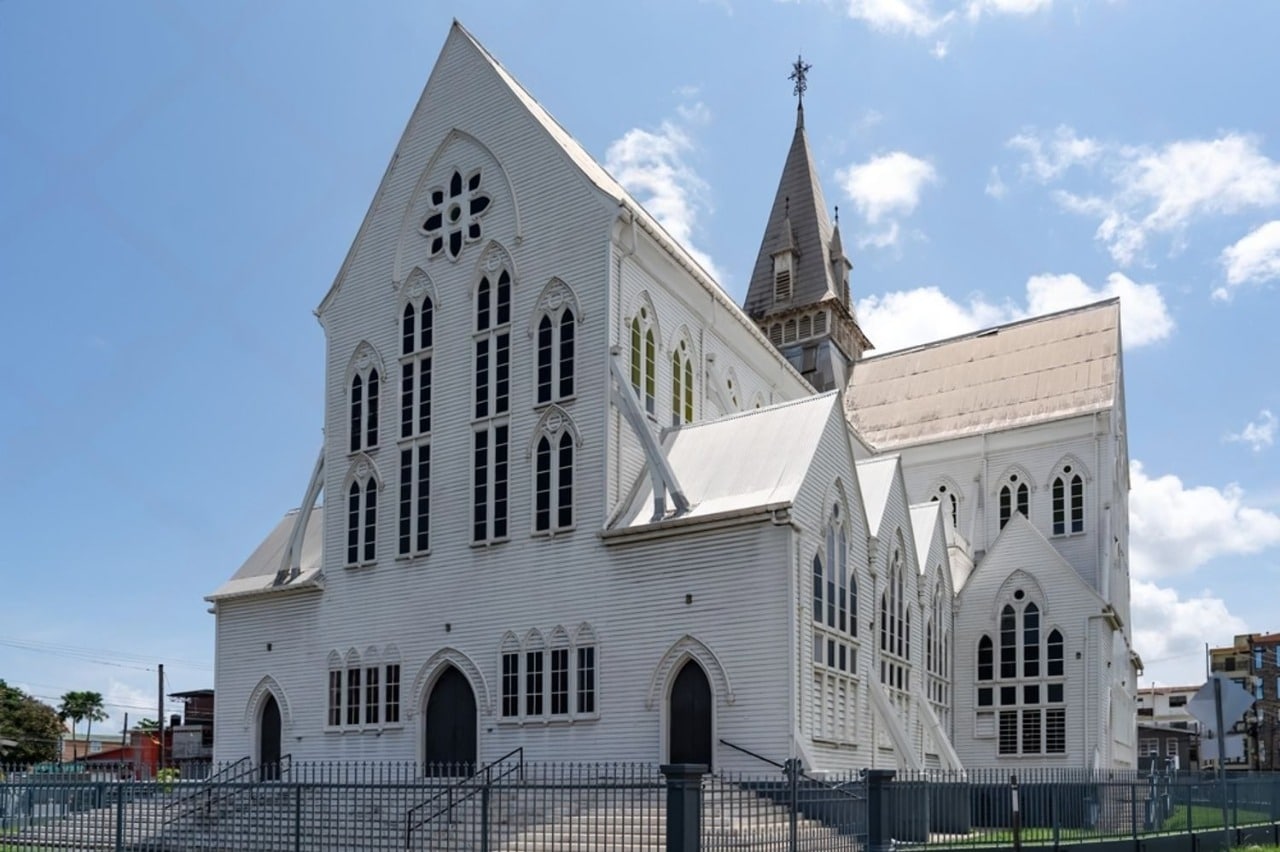
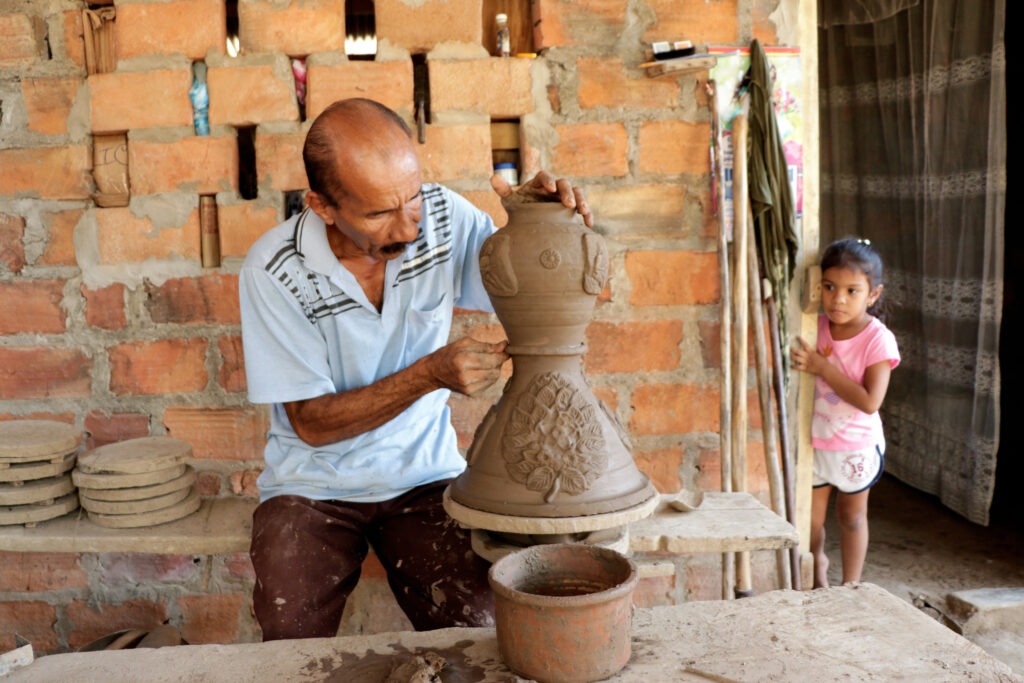
    The process of making Talavera pottery in Puebla (Mexico) and Spain is a centuries-old tradition that requires skill and patience. The vibrant designs and intricate patterns reflect the cultural exchange between the two regions, making it a symbol of shared heritage.

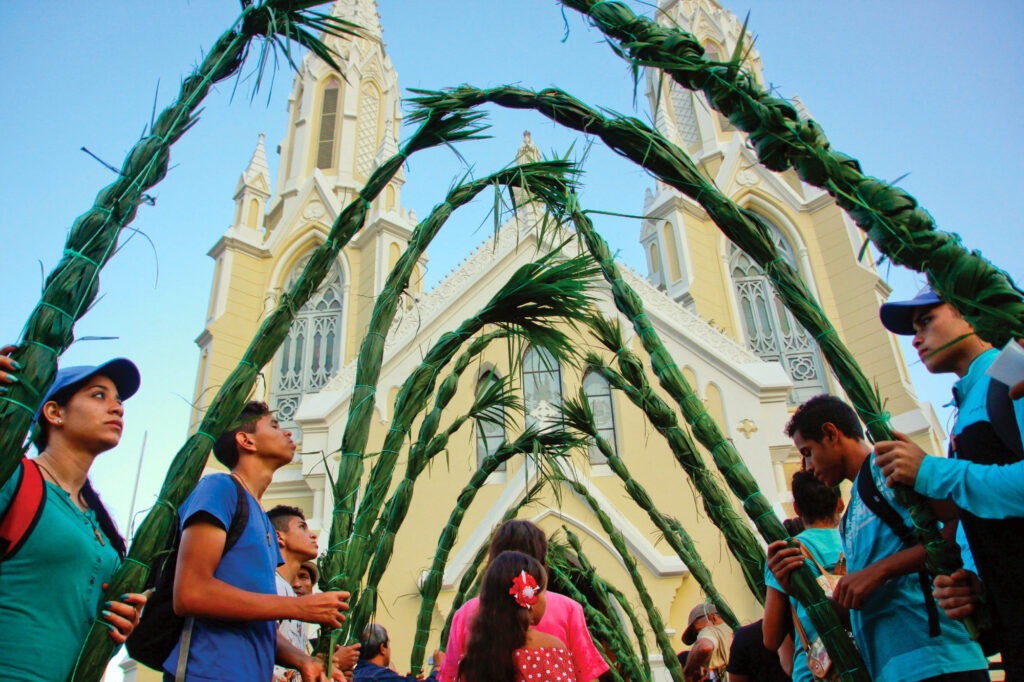
  • Venezuela (Bolivarian Republic of): Biocultural Program for the Safeguarding of the Palm Tradition
    This program aims to preserve the knowledge and practices associated with the harvesting and processing of the blessed palm (palma bendita) in Venezuela. The program helps maintain local traditions while promoting environmental sustainability.

  • Colombia: Strategy for Safeguarding Traditional Crafts for Peacebuilding
    This strategy aims to preserve traditional crafts through intergenerational knowledge transmission and practical learning, empowering vulnerable youth and fostering cultural entrepreneurship to contribute to peacebuilding and social inclusion.
UNESCO
Dominican Republic: Music and Dance of Bachata
UNESCO
Mexico: Artisanal Talavera Pottery
UNESCO
Venezuela (Bolivarian Republic of): Biocultural Program for the Safeguarding of the Palm Tradition
UNESCO
Colombia: Strategy for Safeguarding Traditional Crafts for Peacebuilding

The cultural practices recognized by UNESCO from 2016 to 2019 showcase the diversity and complexity of Caribbean heritage. From music and dance to traditional craftsmanship, these elements highlight the importance of preserving cultural practices that define national identities. In our final article, we will explore the UNESCO recognitions from 2020 to 2023, further unveiling the rich heritage of the Caribbean region.

2 Responses

Leave a Reply

Your email address will not be published. Required fields are marked *

More articles from RK

NEWS
Tolotra

Philippe Faure-Brac at Habitation Clรฉment: Martinique rum as seen by a great sommelier.

Philippe Faure-Brac had never visited Habitation Clรฉment before. World’s Best Sommelier 1992, member of the Meilleurs Ouvriers de France with honorary status since 2015, he came to Martinique to look at rhum agricole from its very place of production: the cane, the cellars, the bottling and the tasting. A first visit to Habitation Clรฉment AtHabitation Clรฉment, in Le Franรงois, this visit had a special significance. Philippe Faure-Brac was already familiar with Clรฉment rums, their quality positioning and their universe. He had also contributed to the book Rhum Clรฉment, une histoire de famille, bringing his insight into the house’s aromatic precision, balance and tradition of excellence. But he lacked the experience of the place. That of the light, the temperature, the atmosphere of the winery and the exchanges with the teams. “The first time in Martinique? I was going to say finally,” he confided, recalling that he had been hoping for

Read More ยป
Boiling Lake
TOURISM
Tolotra

Boiling Lake: 92 ยฐC, 63 m wide, the 2nd largest bubbling lake in the world

Just 8 kilometers east of Roseau, the capital of Dominica, it’s a three-hour walk from Laudat to Boiling Lake. Three hours of humid forest, desolate valley, soil-heated rocks and sulfurous fumes. At the end of the path, a 63-metre-wide pool. Inside, the water bubbles almost continuously, with temperatures measured up to 91.6ยฐC at the edges. It’s the second largest bubbling lake in the world. A rare phenomenon in a UNESCO park The world’s first is Frying Pan Lake in New Zealand’s Waimangu Valley. But the Dominican Boiling Lake is in a class of its own. Firstly, because it can only be reached on foot, after a demanding hike. Secondly, because it is part of a national park that has been a UNESCO World Heritage Site since 1997: Morne Trois Pitons National Park. This makes it one of the most singular geothermal phenomena protected in a world-renowned natural site. A flooded,

Read More ยป
Tourisme 3.0
TOURISM
Tolotra

Tourism 3.0: Jamaica wants to keep its tourist wealth

At the Montego Bay Convention Centre, the image speaks for itself. Local entrepreneurs showcase their products, hotel representatives circulate, meetings follow one another. Behind these rapid exchanges, one question weighs heavily: when tourism makes money, how much really stays in Jamaica? This is at the heart of Tourism 3.0, the new direction championed by Jamaica’s Minister of Tourism, Edmund Bartlett. At the Tourism Enhancement Fund’s 11th Speed Networking Event, he set out a clear ambition: to make tourism a more direct driver for Jamaican producers, artisans, manufacturers and suppliers. Tourism that no longer just wants to attract Jamaica knows how to welcome visitors. But the challenge is no longer just to fill hotels or increase arrivals. The real challenge is to retain more value in the territory. Edmund Bartlett has recognized a structural weakness: a large proportion of the goods and services consumed by the tourism industry are still imported.

Read More ยป

conTACT RK

we'd love to have your feedback on your experience so far

Join The List

Join our Richรจs Karayib community! ย Sign up for our newsletter.

Want To Maximize Your Business Presence On Riches Karayib?

Complete the form to start the application