Special report part 2 (2012-2015): The Caribbean’s Cultural Treasures: UNESCO Recognized Intangible Heritage

Preserving the Soul of the Caribbean

From 2012 to 2015, the Caribbean’s rich cultural heritage continued to gain recognition by UNESCO. These years celebrated the region’s vibrant music, sacred rituals, and storytelling traditions, each of which is an essential piece of the Caribbean’s identity. In this article, we will dive into the elements recognized during this period, emphasizing how these practices have been safeguarded for future generations.

2012

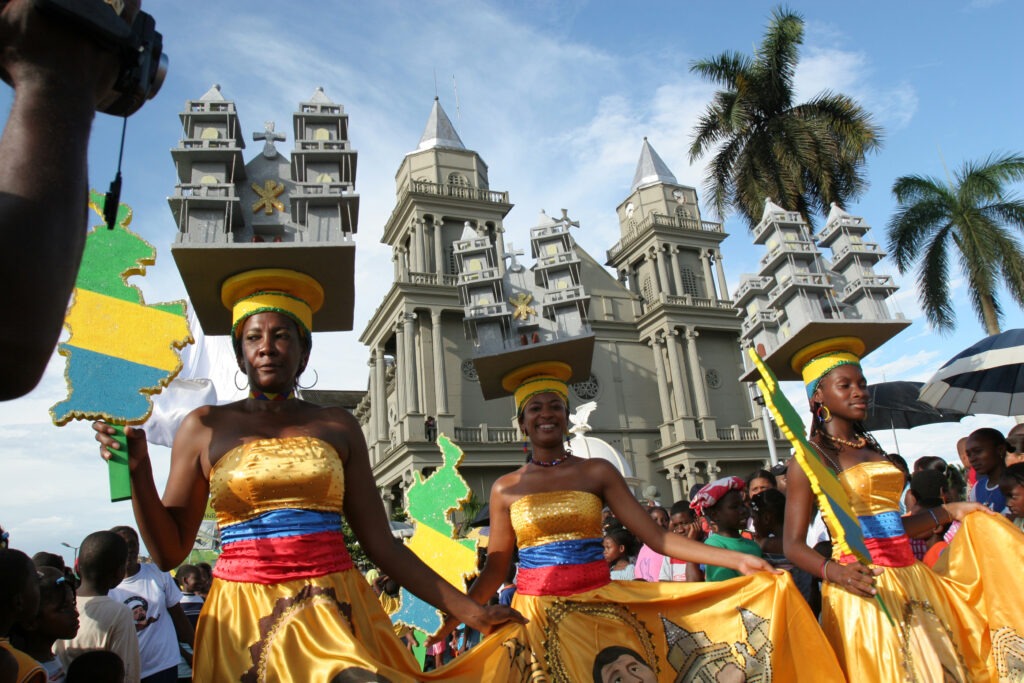
  • Colombia: Festival of Saint Francis of Assisi, Quibdó
    This religious festival in Quibdó, Chocó is a blend of Catholicism and African spirituality, rooted in the local Afro-Colombian community. Participants honor Saint Francis of Assisi with traditional music, dance, and elaborate costumes, merging religious devotion with cultural identity.

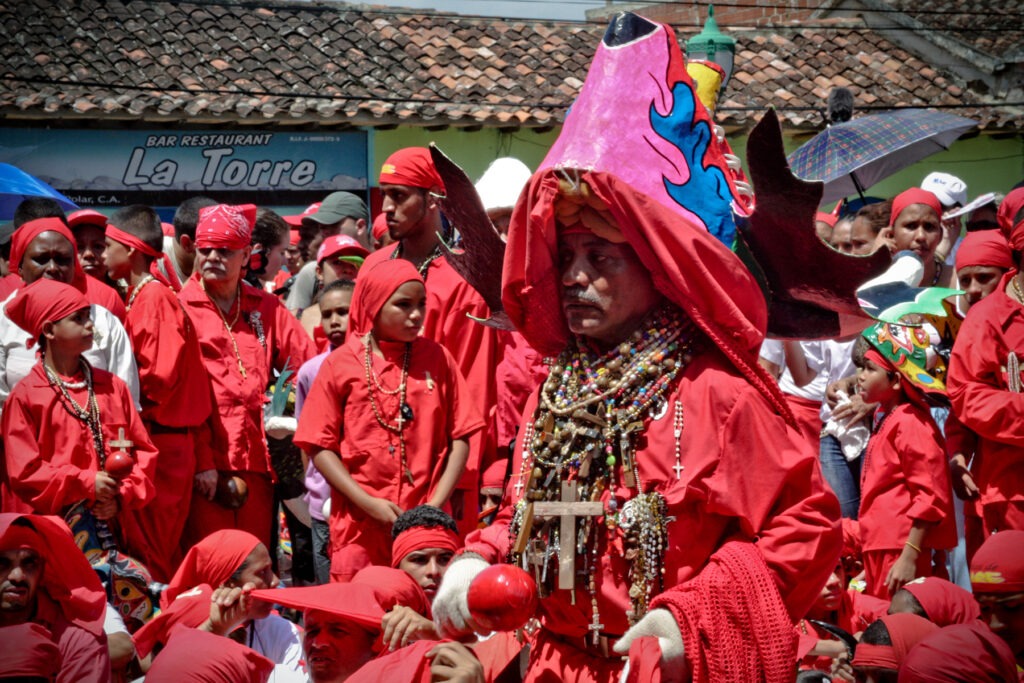
  • Venezuela (Bolivarian Republic of): Corpus Christi Devils
    In this annual celebration, masked dancers symbolically represent the battle between good and evil, with the devils ultimately being vanquished by the forces of good. This tradition is celebrated by different communities, each adding its own unique elements to the performance.

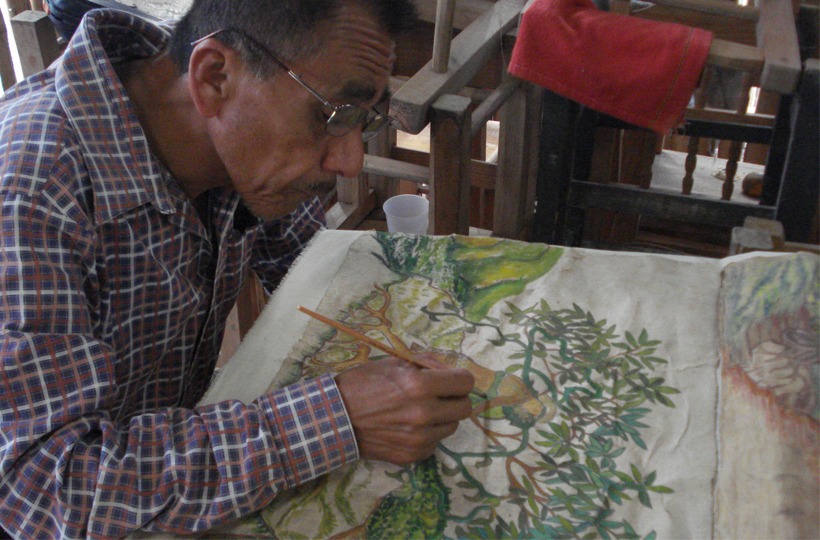
  • Mexico: Xtaxkgakget Makgkaxtlawana, Centre for Indigenous Arts
    This center, created by the Totonac people, is dedicated to preserving their culture and art through specialized educational ‘houses’ that teach various traditional practices, while fostering holistic learning and cultural revitalization.
Colombia: Festival of Saint Francis of Assisi, Quibdó
Venezuela (Bolivarian Republic of): Corpus Christi Devils
Mexico: Xtaxkgakget Makgkaxtlawana, Centre for Indigenous Arts

2013

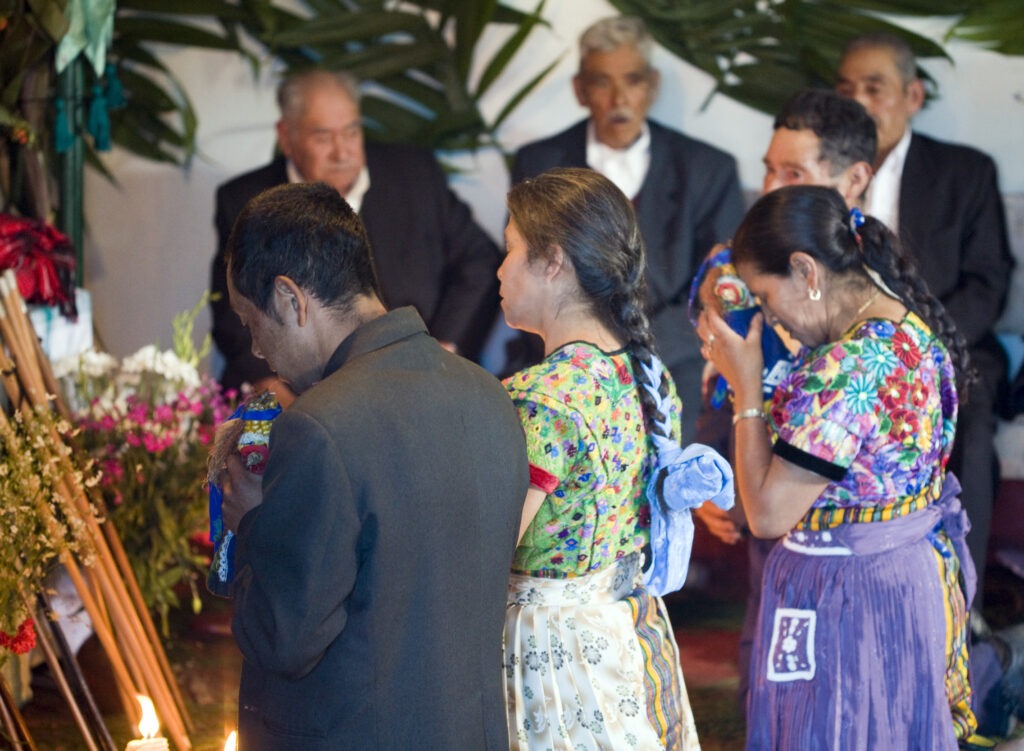
  • Guatemala: Nan Pa’ch Ceremony
    The Nan Pa’ch is a sacred Maya ritual performed to give thanks for the maize harvest. The ceremony features dances, prayers, and offerings, highlighting the deep spiritual connection between the Maya people and the land that sustains them.

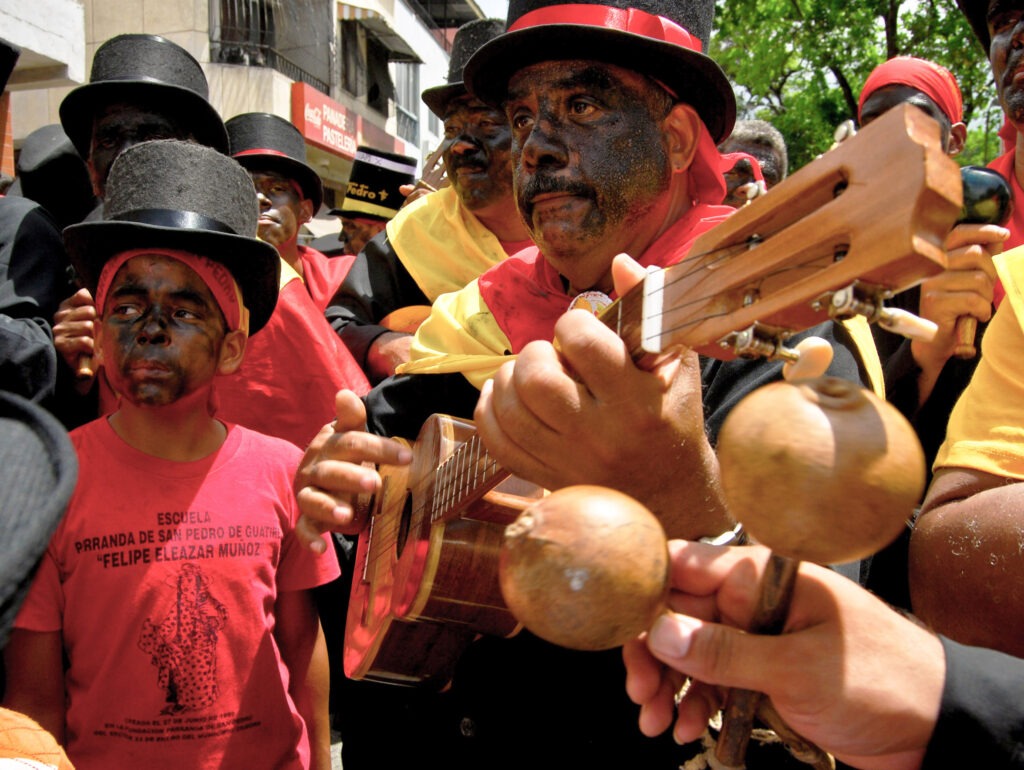
  • Venezuela (Bolivarian Republic of): San Pedro Parranda
    This joyous celebration in the town of Guarenas and Guatire honors Saint Peter with a lively parade. Participants dress in bright costumes and carry wooden dolls of the saint, accompanied by traditional music and dances.

Guatemala: Nan Pa'ch Ceremony
Venezuela (Bolivarian Republic of): San Pedro Parranda

2014

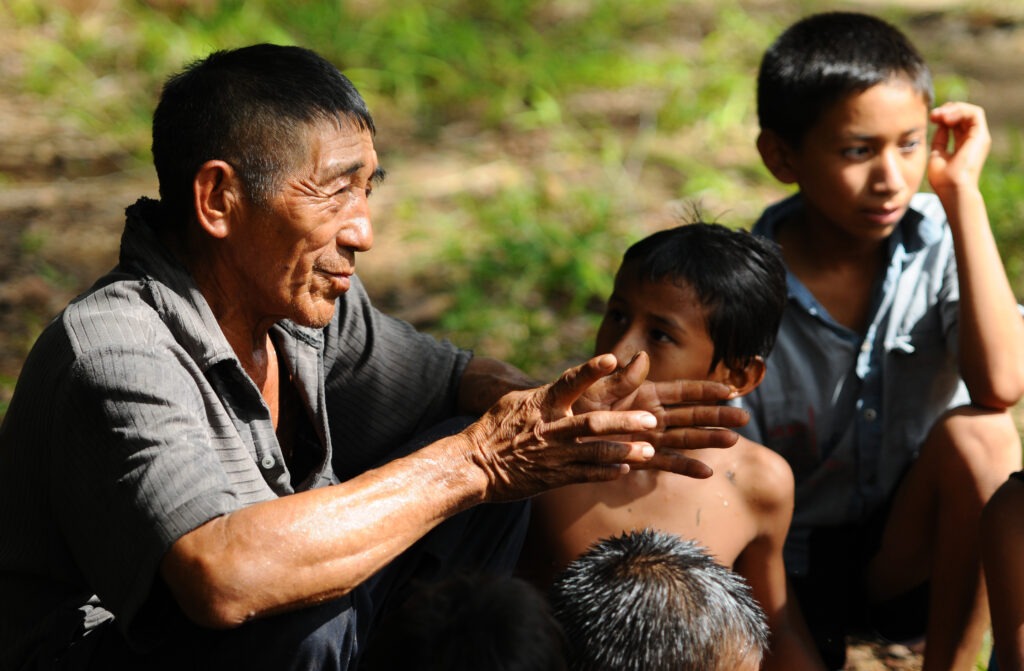
    • Venezuela (Bolivarian Republic of): Mapoyo Oral Tradition
      The Mapoyo people, an indigenous group in Venezuela, have passed down their history, values, and cultural identity through oral storytelling. This tradition preserves their connection to the land and reinforces the importance of the spoken word in maintaining cultural continuity.

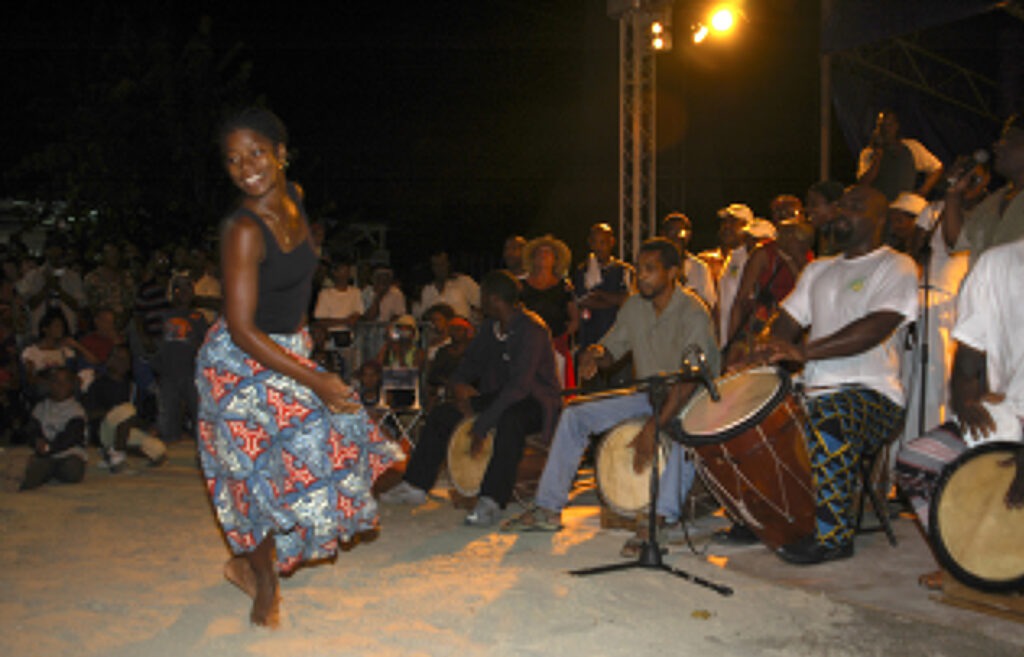
    • Guadeloupe: Gwoka
      Gwoka is a music and dance tradition deeply rooted in Guadeloupe’s history of resistance and survival. With African rhythms at its core, Gwoka is a form of expression and resilience, evolving from plantation slavery to become a celebration of cultural identity.

Venezuela (Bolivarian Republic of): Mapoyo Oral Tradition
Guadeloupe: Gwoka

2015

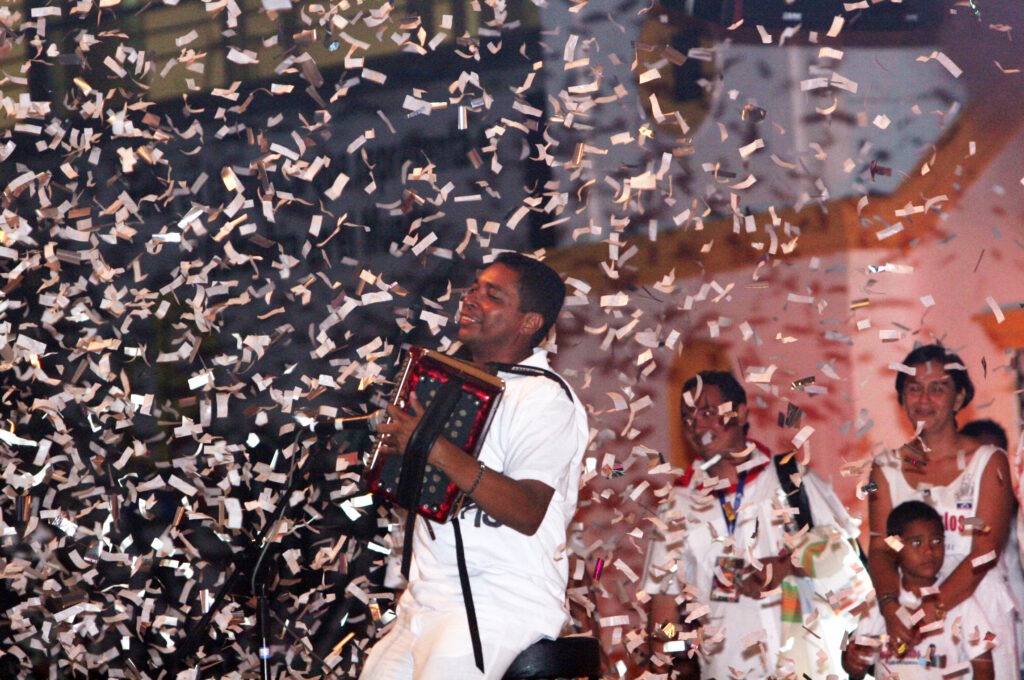
  • Colombia: Vallenato Music
    Vallenato, a genre born in the rural regions of Colombia, tells stories of love, betrayal, and everyday life. Featuring instruments like the accordion and caja, vallenato is known for its poetic lyrics and deep emotional resonance within Colombian culture.

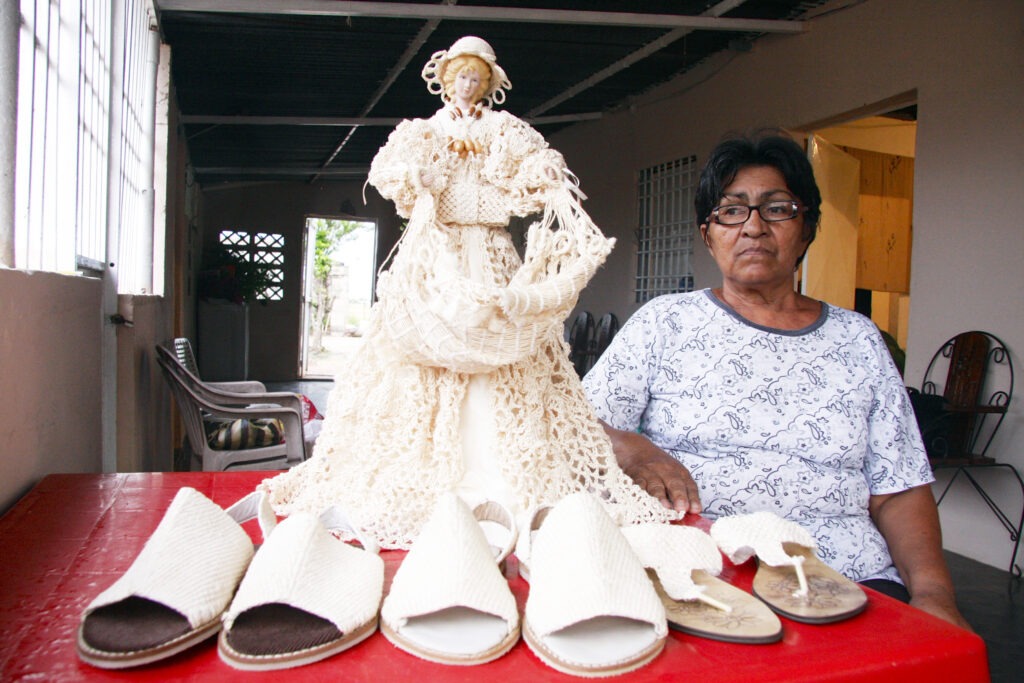
  • Venezuela (Bolivarian Republic of): Curagua Fiber Weaving
    The craft of transforming curagua fibers into intricate textiles has been passed down for generations in Venezuela. This artisanal tradition not only preserves cultural identity but also sustains rural communities through the production of textiles used for clothing and other goods.

Colombia: Vallenato Music
Venezuela (Bolivarian Republic of): Curagua Fiber Weaving

From musical traditions that capture the soul of a people to sacred ceremonies that honor the land and the divine, the years from 2012 to 2015 saw the recognition of some of the Caribbean’s most vibrant and deeply rooted cultural elements. These practices keep the region’s spirit alive, passed down through generations. Join us in the next article, where we will explore the period from 2016 to 2019, a time of even more cultural acknowledgments from UNESCO.

One Response

Leave a Reply

Your email address will not be published. Required fields are marked *

More articles from RK

Eric Williams
MUSIC
Tolotra

Shenseea and Daddy Yankee bring the Caribbean to FIFA World Cup 2026

Shenseea and Daddy Yankee at FIFA 2026: the announcement goes beyond a simple musical release. With “Echo”, Jamaica and Puerto Rico enter the sound universe of the next World Cup together. Behind this track, a part of the urban Caribbean finds a new place in one of the planet’s most popular events. One FIFA title, two Caribbean voices On April 28, 2026, FIFA announced the release of “Echo”, the third single from the official FIFA World Cup 2026 album. The track brings together Shenseea, a Jamaican artist associated with contemporary dancehall, and Daddy Yankee, a major Puerto Rican reggaeton figure. FIFA points out that the track is one of a series of musical releases designed to accompany the build-up to the tournament. This announcement goes beyond the framework of a collaboration between two well-known artists. It brings two Caribbean territories, Jamaica and Puerto Rico, face to face, united in a

Read More »
Eric Williams
HISTORY & HERITAGE
Tolotra

Trinidad & Tobago – Eric Williams, the historian who led Trinidad and Tobago to independence

In Port of Spain, history was never just a matter of archives. It was also told in public squares, in schools, in family conversations, where a colonial society was looking for the words to think differently about itself. Eric Williams understood the power of storytelling very early on. Before becoming head of government, he made history an instrument of collective lucidity. A historian before the head of government Born in Port of Spain on September 25, 1911, Eric Williams grew up in a Trinidad still part of the British colonial order. His schooling took him to Queen’s Royal College, then to Oxford University, where he obtained his doctorate in 1938. This passage through one of the great institutions of the imperial world gives his work a special significance: he knows the codes of British academia, but uses them to interrogate the history of empire from the perspective of the Caribbean.

Read More »
Sa sa pé foutew
HISTORY & HERITAGE
Tolotra

Martinique – “Sa sa pé foutew”: the Creole formula powered by Netflix carried by Bandi

With Bandi, a 2026 Netflix series set in Martinique, eight episodes have taken a Martinican Creole expression far beyond its native territory. “Sa sa pé foutew” means much more than “What’s it to you? It’s a way of setting a limit, sometimes with humor, sometimes with firmness, but always with an element of identity. Three words, one border Three Creole words, one question, and one attitude. When the Bandi series arrived on Netflix in 2026, it brought with it a phrase that many Martiniquais recognize: “sa sa pé foutew”. For some, it’s pride. For others, it’s a silent victory. For all those who know what these words mean in a conversation, it’s a moment that counts. Literally, the phrase can be translated as “what’s it to you?” or “what’s it got to do with you?”. But the translation always gives us away. In reality, “sa sa pé foutew” functions like

Read More »

conTACT RK

we'd love to have your feedback on your experience so far

Join The List

Join our Richès Karayib community!  Sign up for our newsletter.

Want To Maximize Your Business Presence On Riches Karayib?

Complete the form to start the application