Special report part 1 (2008-2011): The Greater Caribbean’s Cultural Treasures: UNESCO Recognized Intangible Heritage

The Roots of Caribbean Intangible Heritage (2008-2013)

From 2008 to 2011, several Caribbean cultural elements were recognized as intangible cultural heritage by UNESCO. This recognition emphasized the region’s rich traditions, many of which are a testament to its diverse history, from indigenous customs to the impact of African, European, and other influences.

2008

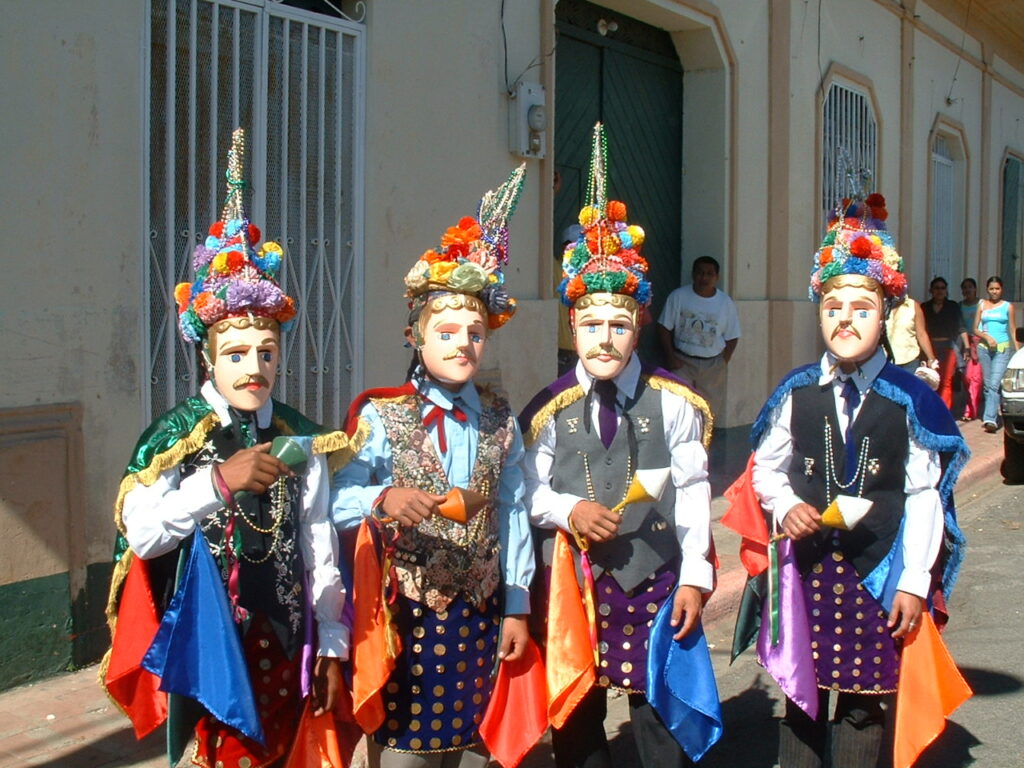
  • Nicaragua: El Güegüense
    One of the oldest theatrical performances in the Americas, El Güegüense is a satirical drama that blends indigenous and colonial Spanish elements. It reflects Nicaraguan resistance to colonial rule and is celebrated for its witty dialogue, vibrant costumes, and musical accompaniment.

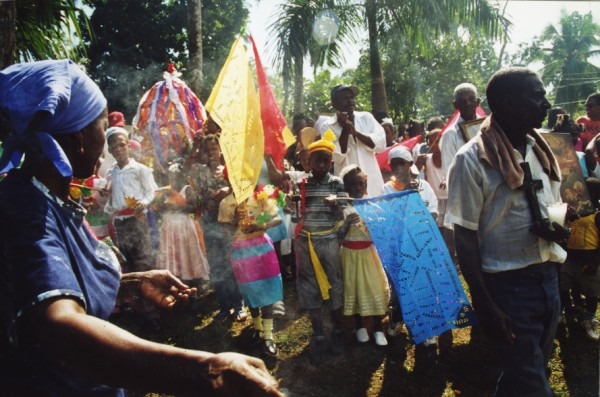
  • Dominican Republic: The Fraternity of the Holy Spirit of Villa Mella
    This religious brotherhood maintains African cultural practices in the Dominican Republic through its vibrant processions and rituals. The Fraternity’s performances of sacred music and the use of traditional instruments, such as the congos, are vital to the preservation of African cultural identity in the Caribbean.

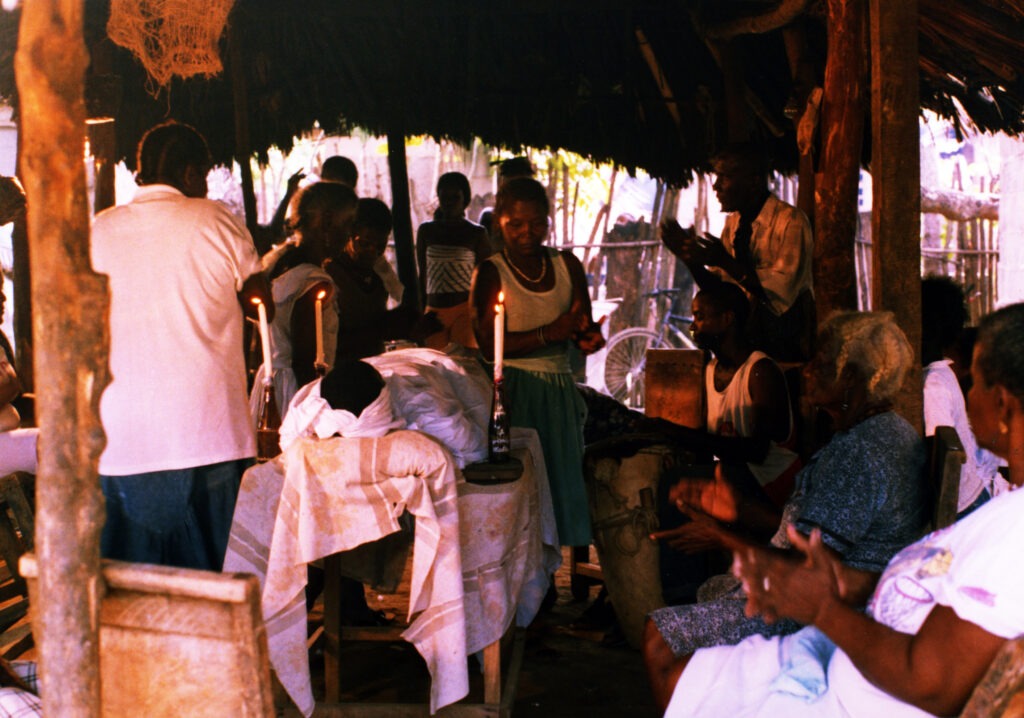
  • Colombia: Palenque de San Basilio
    Recognized as the first free town of enslaved Africans in the Americas, San Basilio preserves its unique language, customs, and traditions. Its residents have managed to keep their African roots alive, making it a significant cultural and historical site in Colombia.

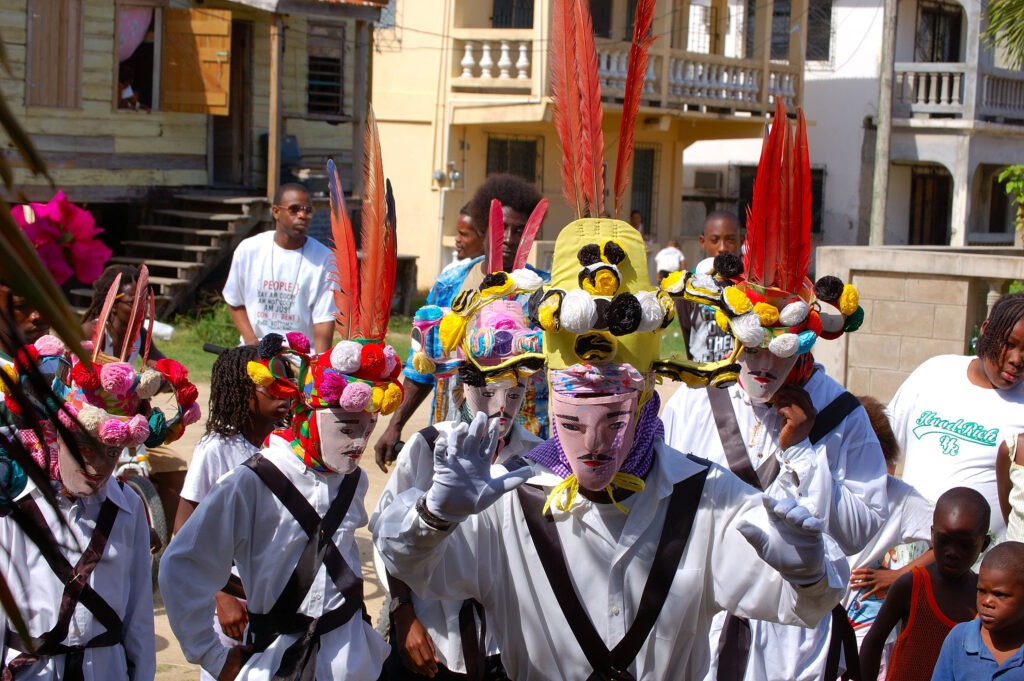
  • Belize, Guatemala, Honduras, Nicaragua: Garifuna Language, Dance, and Music
    The Garifuna people, descendants of indigenous Carib and Arawak populations mixed with Africans, have a rich cultural tradition. Their language, music, and dance embody their struggles and resilience, especially their punta music, a vibrant expression of their identity.

Nicaragua: El Güegüense
Dominican Republic: The Fraternity of the Holy Spirit of Villa Mella
Colombia: Palenque de San Basilio
Belize, Guatemala, Honduras, Nicaragua: Garifuna Language, Dance, and Music
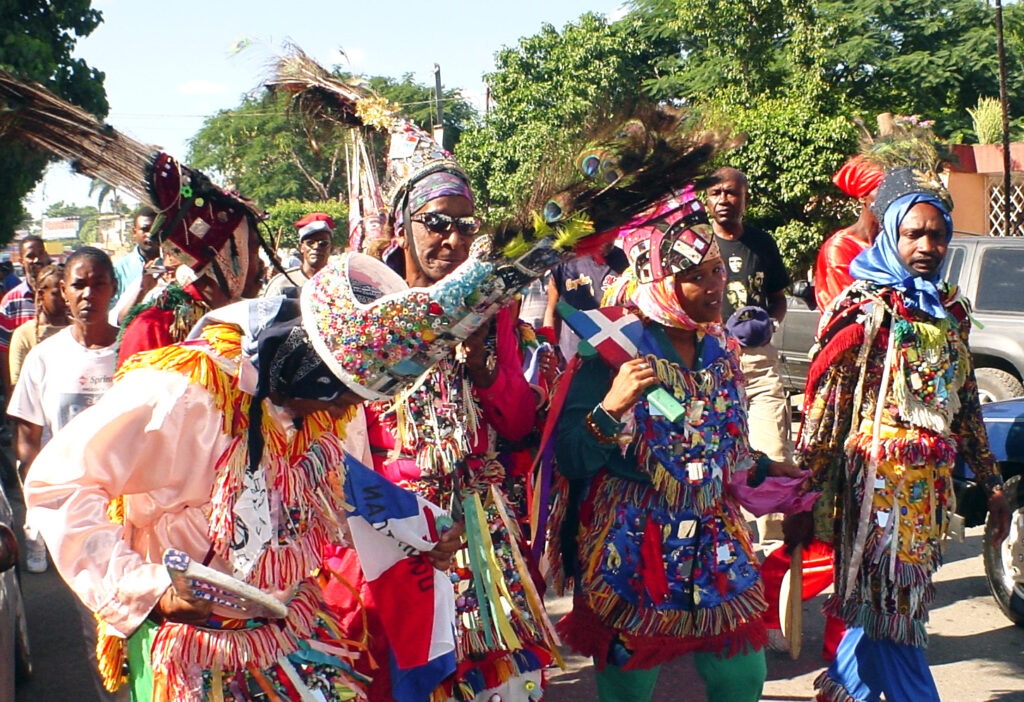
  • Dominican Republic: Cocolo Dance Theatre
    The Cocolo dance theatre tradition originated among the descendants of British Caribbean slaves in the mid-19th century. This vibrant cultural expression blends African and European elements and is celebrated through annual performances during Christmas and Carnival.

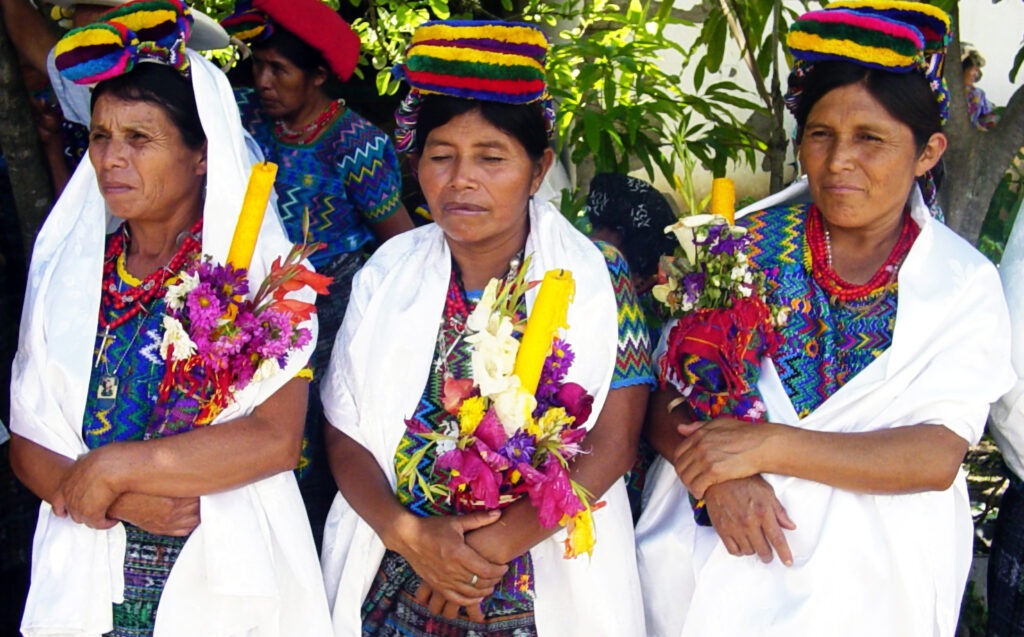
  • Guatemala: The Rabinal Achí Dance Theatre Tradition
    The Rabinal Achí is a 15th-century Maya dynastic drama that reflects pre-Hispanic traditions and is presented through masked dances and theatrical performances. Danced annually on January 25th for Saint Paul, it connects the living with their ancestors, emphasizing cultural heritage and continuity.

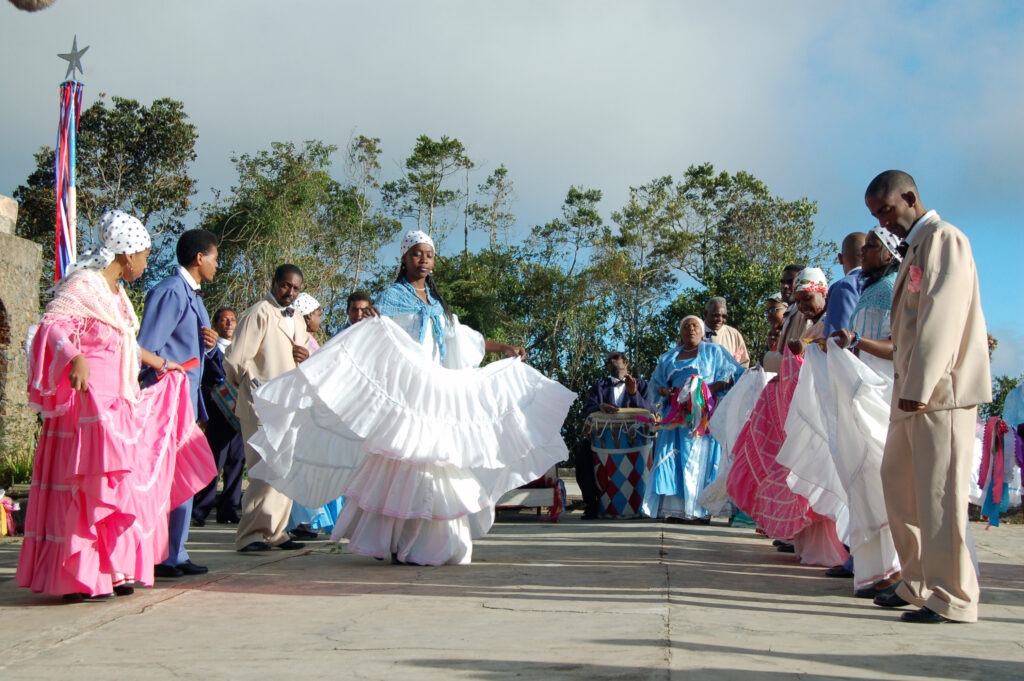
  • Cuba: The Tumba Francesa Dance Tradition
    The Tumba Francesa, meaning “French drum,” is a dance, song, and drumming style imported to Cuba by Haitian slaves in the 1790s and reflects the Afro-Haitian heritage of the Oriente province. It is characterized by a fusion of Dahomey music from West Africa and traditional French dances, featuring vibrant performances led by a singer and accompanied by distinct hand-played drums and dancers in colonial-style dresses.

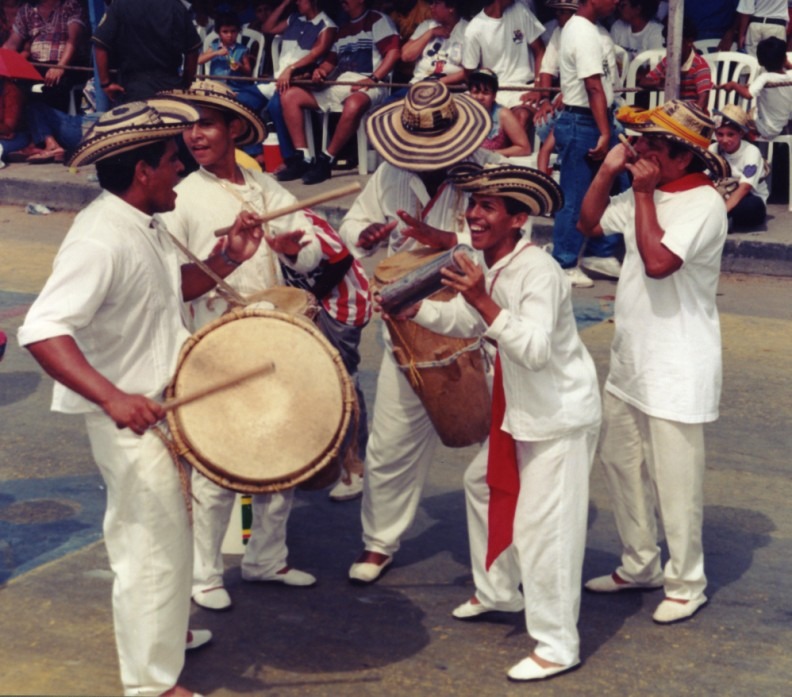
  • Colombia: The Barranquilla Carnival
    The Barranquilla Carnival, celebrated annually for four days before Lent, features a vibrant mix of dances and music from various Colombian cultures, reflecting the city’s rich heritage. This fusion of indigenous, European, and African traditions is showcased through lively performances, colorful costumes, and satirical songs that engage the community and celebrate contemporary life..

Dominican Republic: Cocolo Dance Theatre
Guatemala: The Rabinal Achí Dance Theatre Tradition
Cuba: The Tumba Francesa Dance Tradition
Colombia: The Barranquilla Carnival
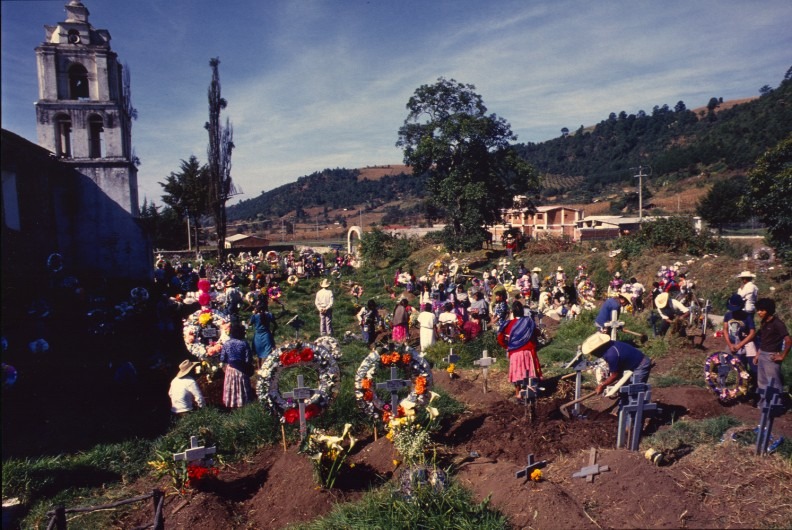
  • Mexico: Indigenous Festivals Dedicated to the Dead
    El Día de los Muertos (Day of the Dead) is celebrated by indigenous communities in Mexico as a way to honor the temporary return of deceased loved ones, with festivities occurring from late October to early November. Families prepare altars with offerings and favorite foods of the departed, reflecting a blend of pre-Hispanic and Catholic traditions that strengthens community ties and cultural identity.

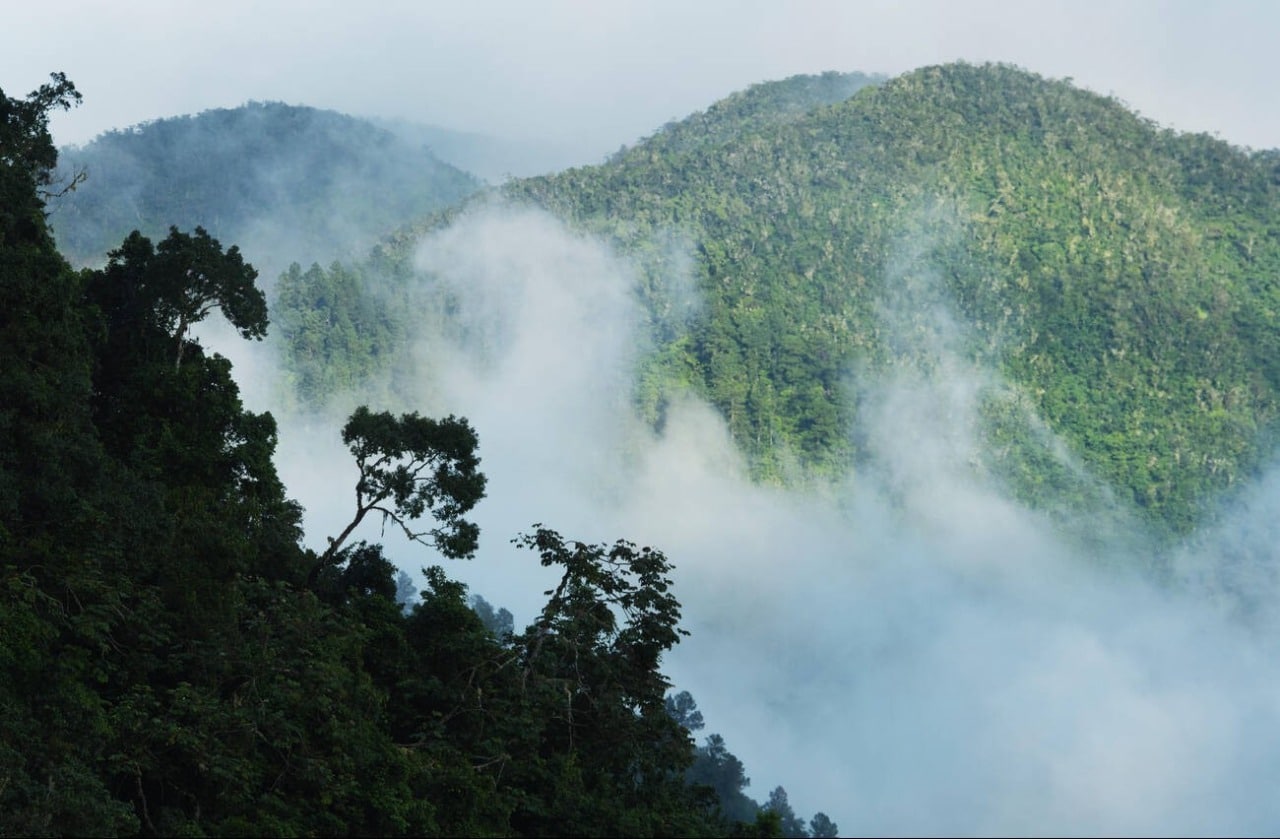
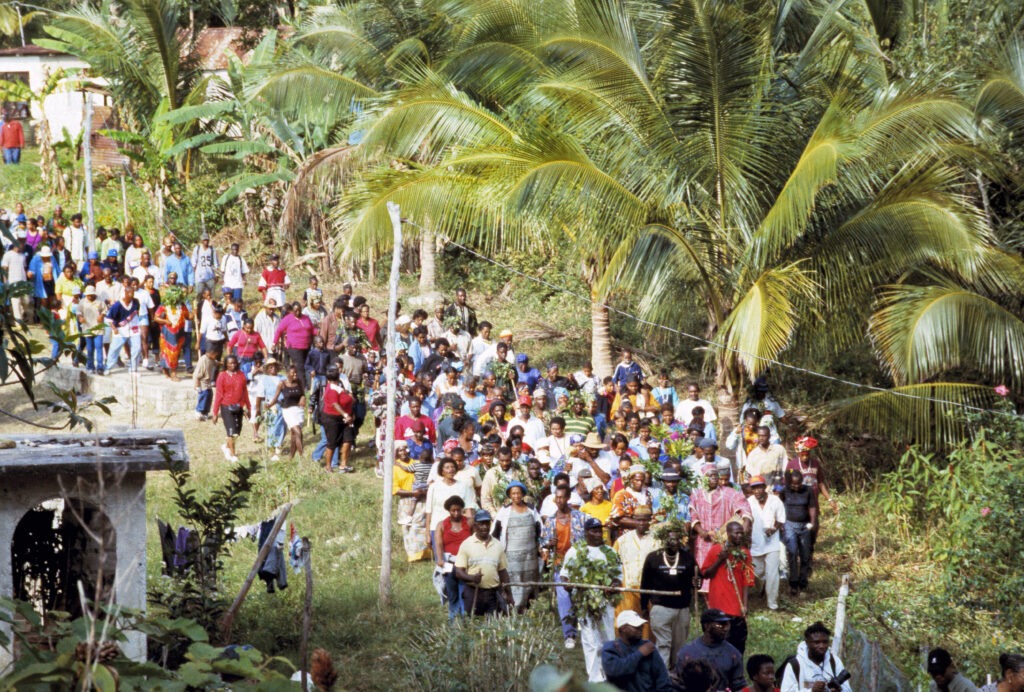
  • Jamaica: The Traditions of the Maroons of Moore Town
    The Maroons of Moore Town, descendants of escaped enslaved Africans, have preserved a unique cultural heritage that includes the Kromanti Play, a blend of African traditions expressed through dance, music, and rituals honoring their ancestors. Despite facing opposition from missionaries and economic challenges, these traditions remain central to the identity and resilience of the Maroon community.

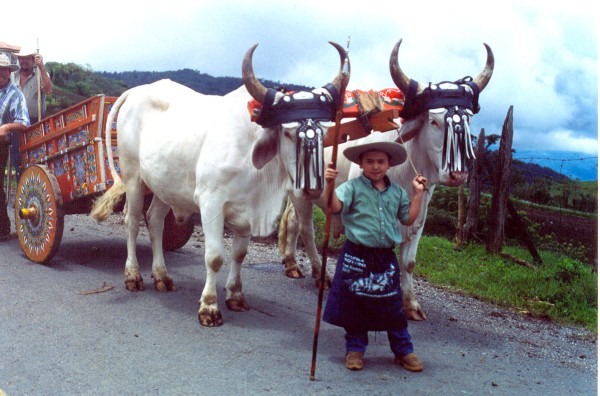
  • Costa Rica: Pastoral Traditions and Ox-Carts
    The traditional ox-cart, known as the carreta, is a celebrated symbol of Costa Rican culture, originally used to transport coffee and adorned with vibrant regional designs. Despite their decline in practical use, these intricately decorated carts remain a cherished representation of the country’s rural heritage and are featured prominently in festivals and parades.

Mexico: Indigenous Festivals Dedicated to the Dead
Jamaica: The Traditions of the Maroons of Moore Town
Costa Rica: Pastoral Traditions and Ox-Carts

2009

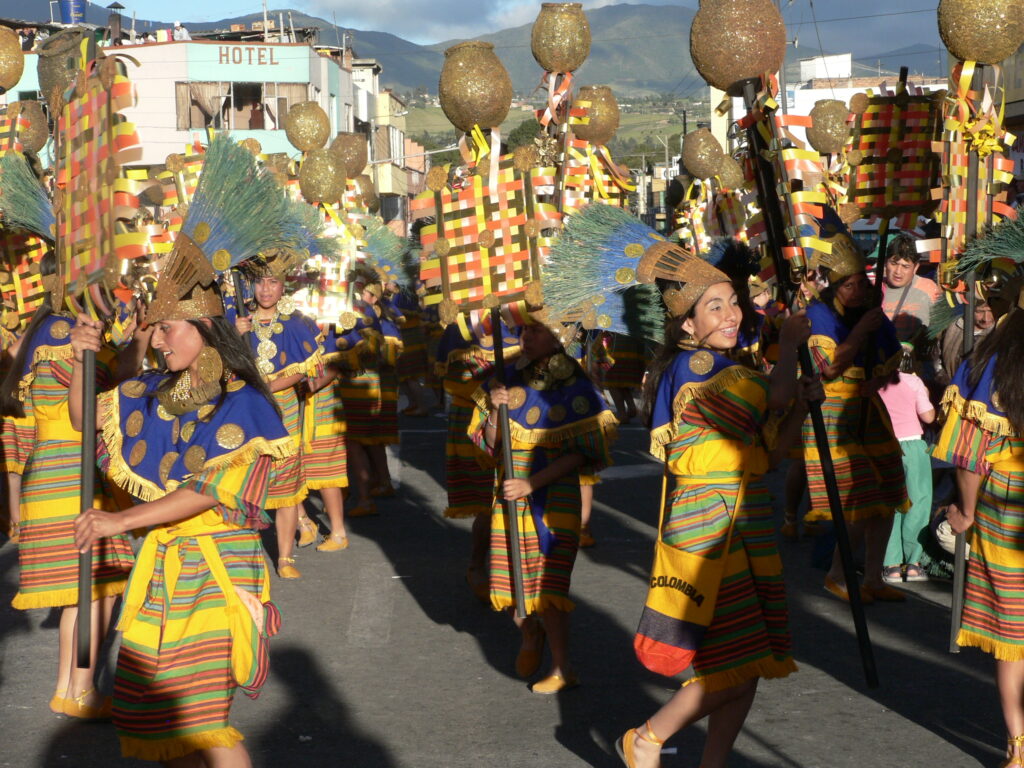
  • Colombia: Carnaval de Negros y Blancos
    Celebrated in the city of Pasto, this carnival brings together people of different ethnicities to celebrate cultural diversity. It symbolizes the unity of all races and features colorful parades, elaborate costumes, and traditional dances.

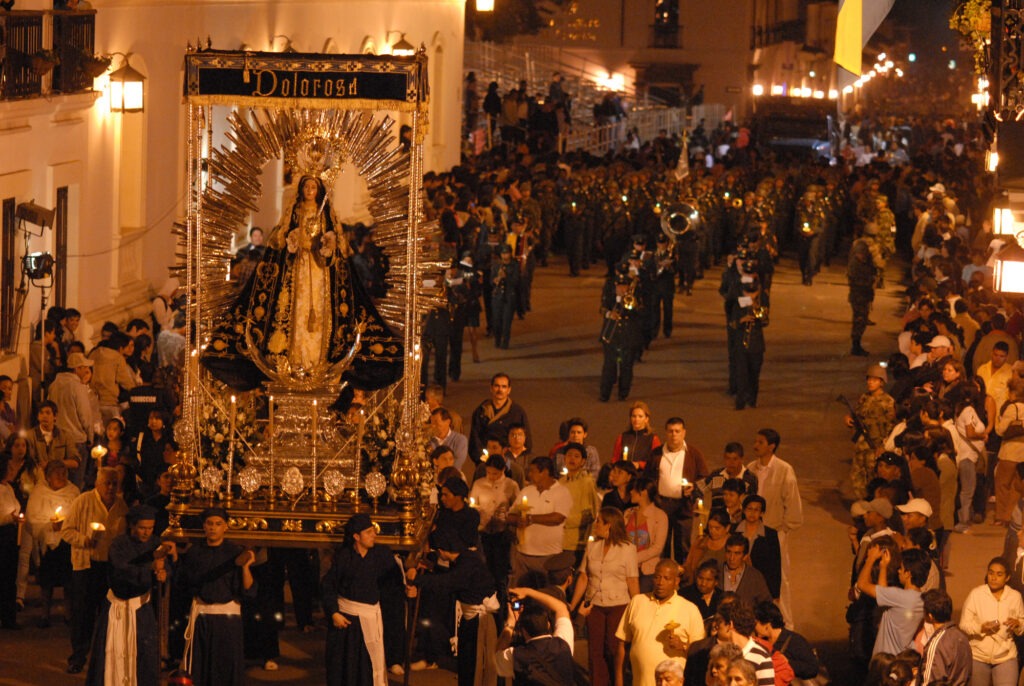
  • Colombia: Processions of the Holy Week in Popayán
    One of the oldest religious traditions in Latin America, these processions are marked by reverence and devotion. Participants carry religious icons through the streets, maintaining a solemn atmosphere as the community honors their faith.

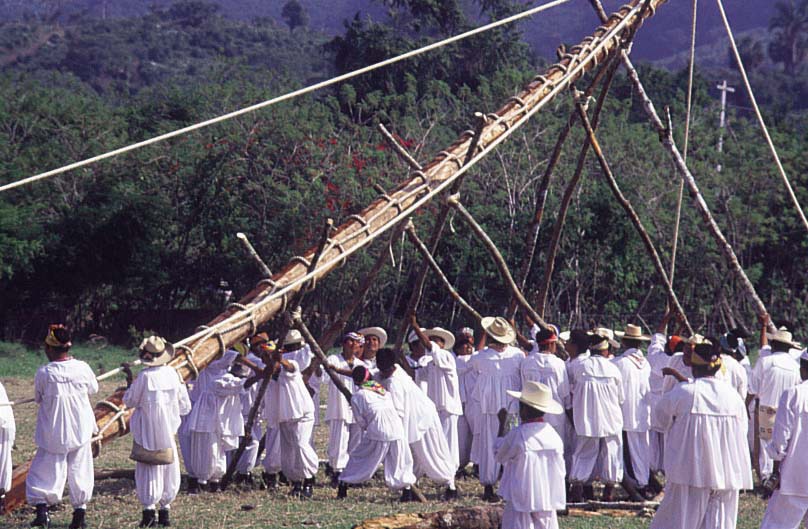
  • Mexico: Ceremony of the Voladores
    This ancient Mesoamerican ritual involves performers climbing a tall pole and spinning towards the ground, mimicking the descent of birds. It is a spiritual act meant to honor the gods and seek blessings for fertility and a good harvest.

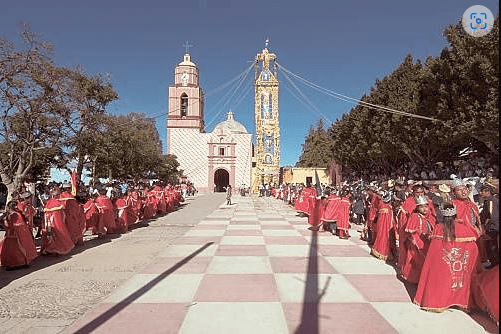
  • Mexico: Otomí-Chichimeca Heritage
    The Otomí-Chichimeca people of Querétaro honor their connection to the land through annual pilgrimages to sacred sites like Peña de Bernal, praying for water and ancestral blessings. Their vibrant traditions and rituals are essential to their cultural identity.
Colombia: Carnaval de Negros y Blancos
Colombia: Processions of the Holy Week in Popayán
Mexico: Ceremony of the Voladores
Mexico: Otomí-Chichimeca Heritage

2010

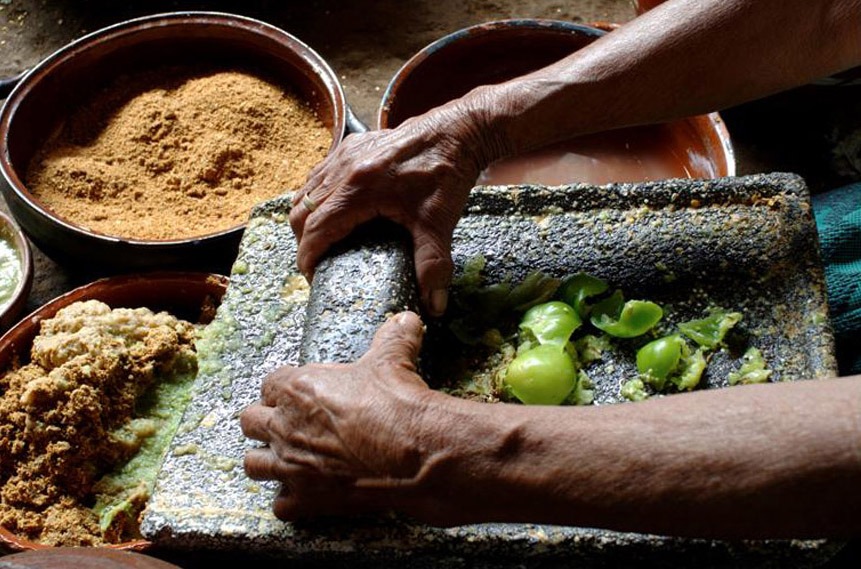
  • Mexico: Traditional Mexican Cuisine
    Recognized for its intricate methods of preparation and the role it plays in community-building, Traditional Mexican Cuisine reflects a harmonious relationship between people and nature. Corn, beans, and chili form the holy trinity of ingredients central to Mexican cuisine.

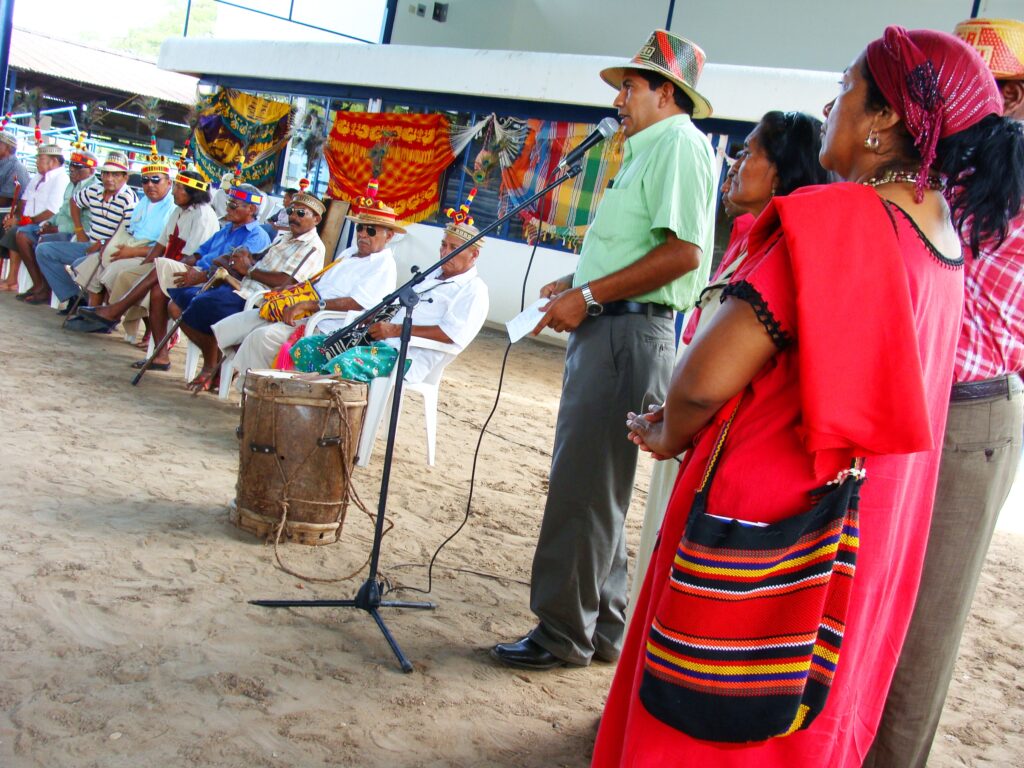
  • Colombia: Wayuu Normative System
    The Wayuu people, an indigenous group in the northern part of Colombia, have maintained their own legal system for centuries. This system promotes conflict resolution through dialogue, with spiritual leaders playing an important role in maintaining harmony within the community.

  • Mexico: Pirekua
    A traditional music genre of the Purépecha people in Michoacán, Pirekua is known for its poetic lyrics that express emotions ranging from love to mourning. Its slow tempo and melodic structure have been passed down through generations as a way of preserving their cultural heritage.

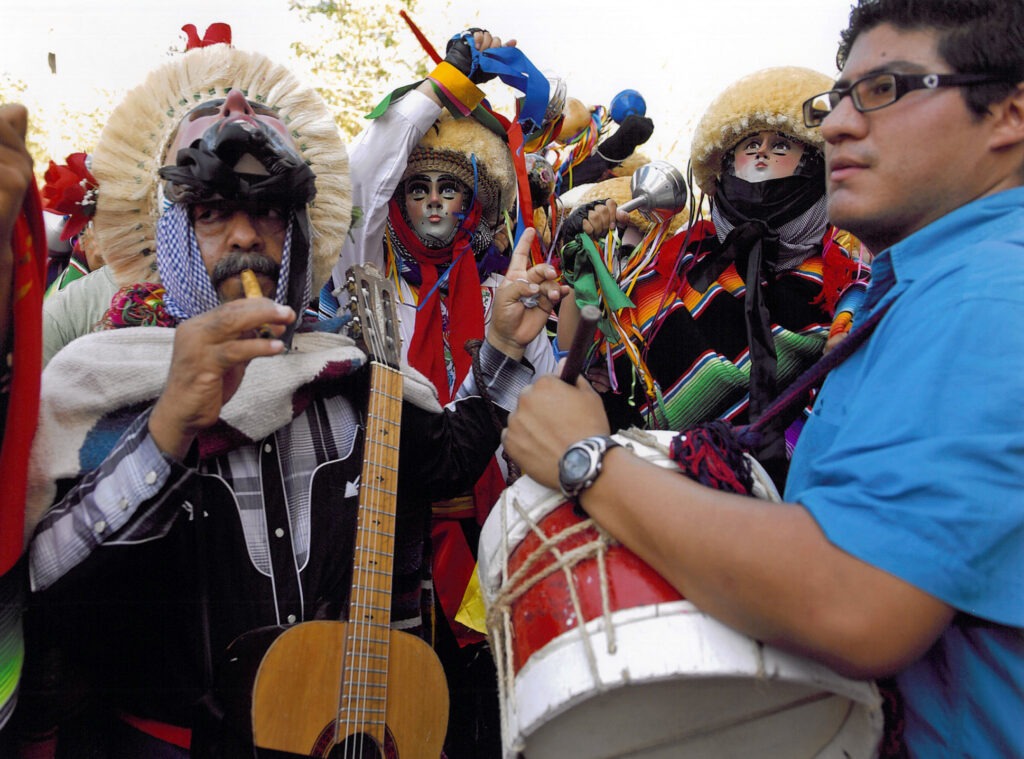
  • Mexico: Parachicos in the Traditional Festival of Chiapa de Corzo
    The traditional festival in Chiapa de Corzo, held annually from January 4 to 23, celebrates three Catholic saints with music, dance, and rituals, particularly honoring Saint Sebastian. The Parachicos dance, performed by masked dancers in colorful attire, serves as a collective offering and fosters mutual respect among the community.
Mexico: Traditional Mexican Cuisine
Colombia: Wayuu Normative System
Mexico: Pirekua
Mexico: Parachicos in the Traditional Festival of Chiapa de Corzo

2011

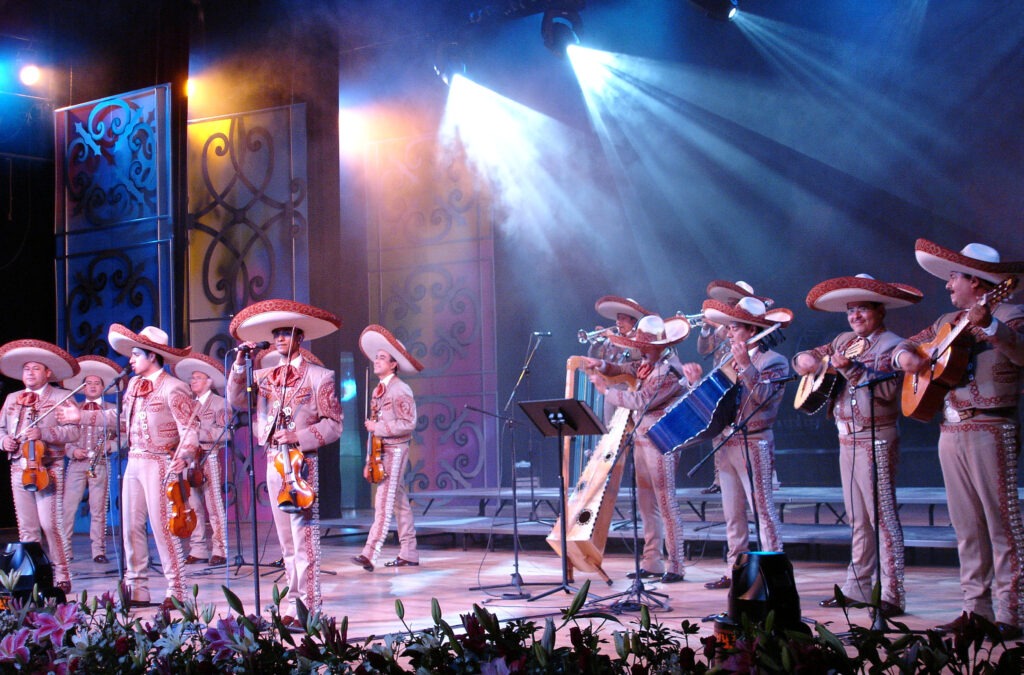
  • Mexico: Mariachi
    One of Mexico’s most recognizable cultural exports, Mariachi music is a blend of Spanish, indigenous, and African elements. It is traditionally performed at celebrations such as weddings, birthdays, and national holidays, with its vibrant rhythms and passionate lyrics captivating audiences worldwide.

  • Colombia: Jaguar Shamans of Yuruparí
    The shamans of the Yuruparí communities play a vital role in maintaining the balance between nature and humanity. Their rituals involve music, storytelling, and offerings to the jaguar, a sacred animal representing strength and wisdom.

Mexico: Mariachi
Colombia: Jaguar Shamans of Yuruparí

From the rich oral traditions of indigenous groups to the lively rhythms of musical performances, these UNESCO-recognized elements highlight the resilience and creativity of Caribbean cultures. In the next article, we will continue our journey, exploring more fascinating traditions recognized between 2012 and 2015.

10 Responses

Leave a Reply

Your email address will not be published. Required fields are marked *

More articles from RK

Eric Williams
HISTORY & HERITAGE
Tolotra

Trinidad & Tobago – Eric Williams, the historian who led Trinidad and Tobago to independence

In Port of Spain, history was never just a matter of archives. It was also told in public squares, in schools, in family conversations, where a colonial society was looking for the words to think differently about itself. Eric Williams understood the power of storytelling very early on. Before becoming head of government, he made history an instrument of collective lucidity. A historian before the head of government Born in Port of Spain on September 25, 1911, Eric Williams grew up in a Trinidad still part of the British colonial order. His schooling took him to Queen’s Royal College, then to Oxford University, where he obtained his doctorate in 1938. This passage through one of the great institutions of the imperial world gives his work a special significance: he knows the codes of British academia, but uses them to interrogate the history of empire from the perspective of the Caribbean.

Read More »
Sa sa pé foutew
HISTORY & HERITAGE
Tolotra

Martinique – “Sa sa pé foutew”: the Creole formula powered by Netflix carried by Bandi

With Bandi, a 2026 Netflix series set in Martinique, eight episodes have taken a Martinican Creole expression far beyond its native territory. “Sa sa pé foutew” means much more than “What’s it to you? It’s a way of setting a limit, sometimes with humor, sometimes with firmness, but always with an element of identity. Three words, one border Three Creole words, one question, and one attitude. When the Bandi series arrived on Netflix in 2026, it brought with it a phrase that many Martiniquais recognize: “sa sa pé foutew”. For some, it’s pride. For others, it’s a silent victory. For all those who know what these words mean in a conversation, it’s a moment that counts. Literally, the phrase can be translated as “what’s it to you?” or “what’s it got to do with you?”. But the translation always gives us away. In reality, “sa sa pé foutew” functions like

Read More »
Michael Jackson
FILM & VIDEO
Tolotra

Michael Jackson biopic: Kingston 1975, the legend’s other scene

Michael Jackson biopic arrives with the weight of great Hollywood narratives: a global figure, a famous family, a body of work that continues to fill cinemas and push songs up the charts. Directed by Antoine Fuqua, the film stars Michael Jackson’s nephew Jaafar Jackson in the lead role, with a release date announced on April 24, 2026 on the film’s official website. But behind this much-talked-about news item, there’s another image worth rereading from the Caribbean: Bob Marley on stage at Kingston’s National Stadium on March 8, 1975, during a Jackson Five concert. A box-office success The film not only awakened curiosity about Michael Jackson. It also created a major commercial event. According to the Associated Press, Michael took in $97 million on its opening weekend in the U.S. and Canada, setting a new box-office record for a musical biopic. Internationally, the film added another $120.4 million, for an estimated

Read More »

conTACT RK

we'd love to have your feedback on your experience so far

Join The List

Join our Richès Karayib community!  Sign up for our newsletter.

Want To Maximize Your Business Presence On Riches Karayib?

Complete the form to start the application