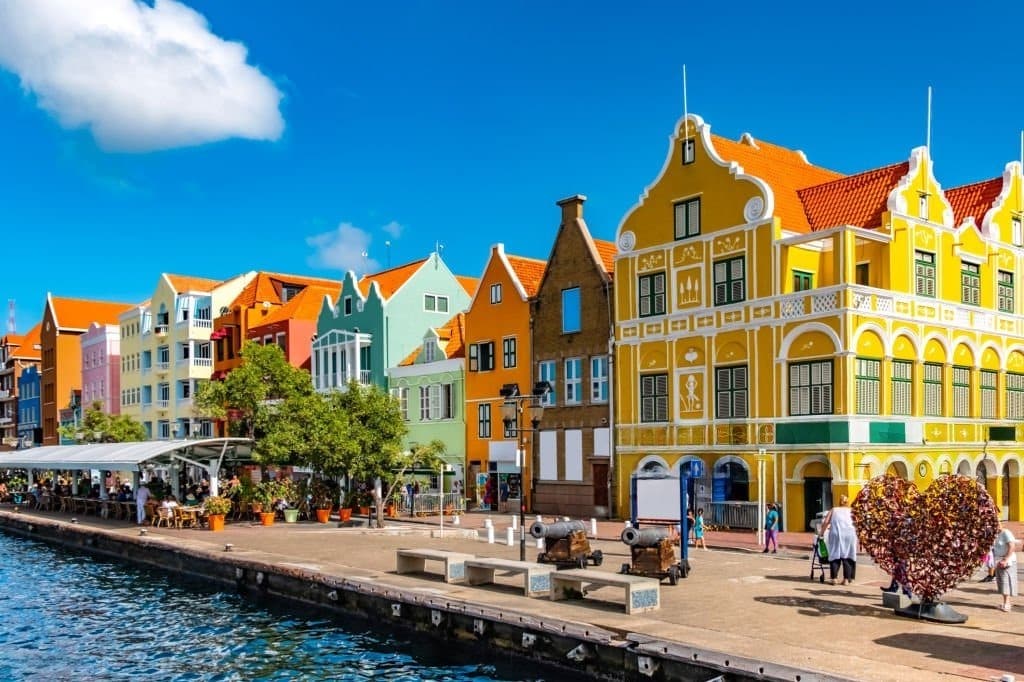
This December 3, 2024, Malavoi the emblematic group from Martinique, conquered the audience at the Café de la Danse in Paris, offering an unforgettable musical experience. This concert is more than just an event; it’s a celebration of Caribbean musical heritage and the lasting impact of Malavoi on the world music scene. Beyond melody and rhythm, Malavoi embodies a rich history, cultural resilience and inspiration for many artists.
A Story of Resilience
Founded in the late 1960s, Malavoi has stood the test of time while preserving its authenticity. The band’s name, which refers to a variety of sugar cane, perfectly symbolizes their philosophy: bend but never break. Despite the departures of founding members and the loss of iconic artists such as Paulo Rosine, considered the group’s soul, Malavoi has always reinvented itself. This makes them not just a band, but also a true state of mind that has endured through the generations.
Malavoi's Musical Evolution
Malavoi has integrated various influences into its music, from African sounds to Brazilian rhythms and American jazz. This musical diversity has enriched their repertoire, making them pioneers in the Caribbean musical innovation. Their ability to combine genres and embrace new sounds has ensured their relevance and popularity over the years.
The group was also influenced by the cultural and musical changes of their time. Although they briefly followed the dance trends of the day, they quickly returned to their roots, asserting their unique musical identity. This ability to navigate between tradition and modernity is a key element of their success.
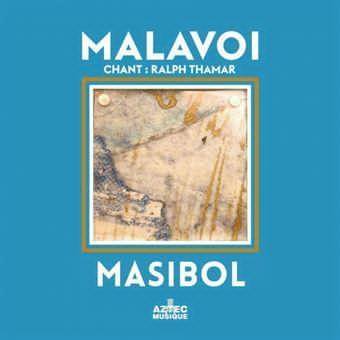
A priceless cultural impact
Malavoi don’t just create music; they also contribute to Martinique’s culture and identity. Their lyrics often evoke themes of daily life, love, struggle, and the beauty of the West Indian landscape. In this sense, they play a crucial role in preserving and promoting Creole culture.
Their influence extends far beyond the borders of Martinique. Around the world, artists, musicians and music lovers are inspired by their work. Tribute concerts, such as the one recently organized by Joko Gromat in Fort-de-France, bear witness to this admiration and to the lasting legacy of Malavoi.
An International Tour
The Paris concert at the Café de la Danse is just one stage in a tour that will also take them to La Réunion, Guyana, and Canada. These performances are not only a way for the band to share their music, but also to forge links with the West Indian diaspora and music lovers the world over. The tour is an opportunity to present highlights from their repertoire as well as new compositions, promising a rich and varied musical experience.
Tour details
- Paris December 3, 2024 at Café de la Danse
- Reunion Island December 6 and 7, 2024 at Téat Plein Air
- French Guiana February 2025
- Canada March 2025
These concerts are an opportunity for fans to reconnect with Malavoi and discover the band’s new sound while celebrating their musical heritage.
Malavoi: A breeding ground for talent
In addition to their own creations, Malavoi has also served as a springboard for many emerging artists. Their scene is often regarded as a musical laboratory where new talent can flourish. They have trained and inspired young musicians and composers, ensuring the continuity of Caribbean musical richness.
Their impact is so profound that they are frequently cited as a reference for young artists seeking to establish their own musical identity while honoring their roots. Their commitment to supporting and encouraging the next generation of creators is a testament to their dedication to the evolution of West Indian music.
Malavoi is much more than just a band. They represent a culture, a history and a state of mind. Their concert at Café de la Danse is a celebration of their journey, their resilience and their ability to touch the hearts of people around the world. By continuing to renew themselves while remaining true to their roots, Malavoi proves that music is a universal language that transcends borders and unites people.
In the meantime, fans of Malavoi can keep their hopes up for future creations and collaborations, as the band continues to write its story, one note at a time.