Soul Beach Music Festival: why is CuraƧao taking over from Aruba after 22 years?

Soul Beach Music Festival

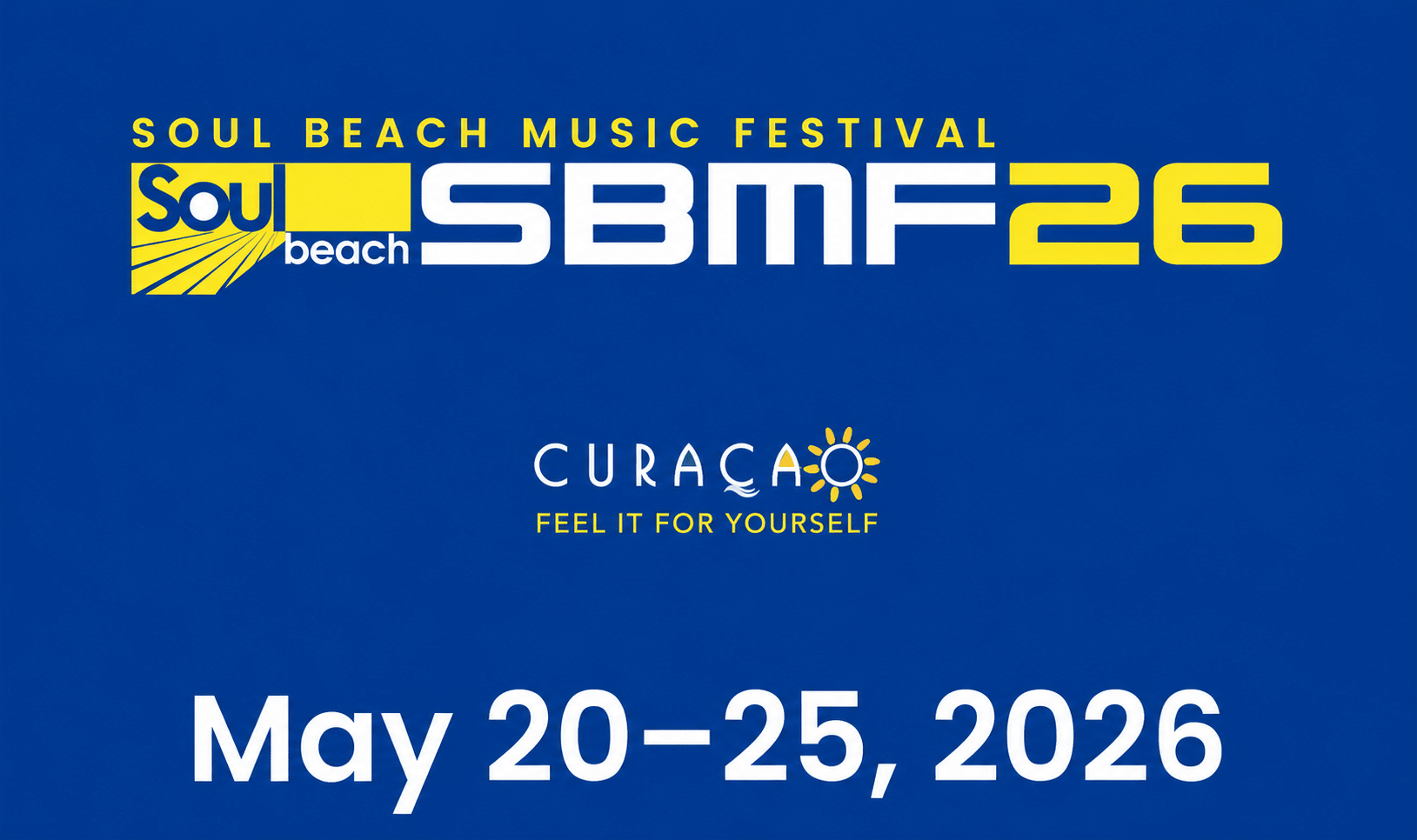
For 22 years, the Soul Beach Music Festival has been synonymous with Aruba. High-end R&B, bright beaches, American comedy, Memorial Day Weekend, all set against a backdrop of palm trees. In 2026, the event is moving. From May 20 to 25, this year’s festival will be held in CuraƧao, 80 kilometers from its historic home port. The changeover is not insignificant.

CuraƧao in the spotlight

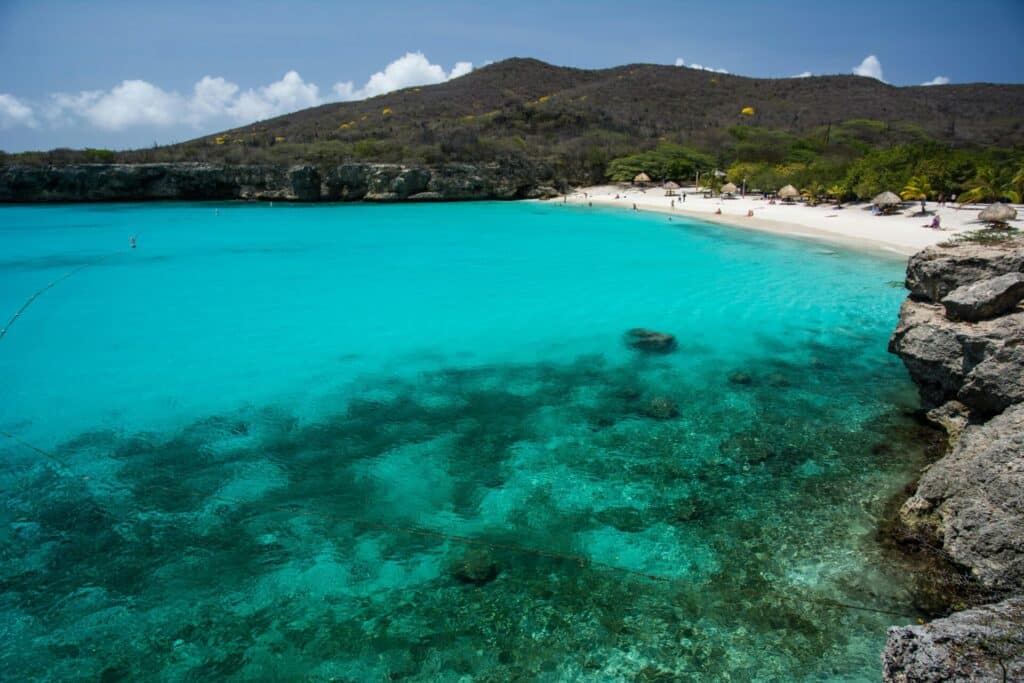
The new address has a precise name: Capital C Dome, in Willemstad, the capital of CuraƧao. The choice of the island is no accident. In January 2026, USA Today ranked CuraƧao as the top Caribbean destination in its annual rankings, a title that Soul Beach Music Festival organizers now explicitly use in their promotional communications. “You voted CuraƧao number 1 in the Caribbean, find out why”, reads the headline on the festival’s official website.

Soul Beach Music Festival

The Soul Beach Music Festival 2026 promises what has made it such a success since the early 2000s: a mix of R&B concerts with American headliners, high-end stand-up comedy shows, DJ nights, and seaside pool parties. Six days, several venues, a dense program designed for the long American Memorial Day Weekend, which traditionally marks the start of the high season for Caribbean tourism from North America.

Soul Beach Music Festival

A new chapter for Soul Beach Music Fest

The uniqueness of the Soul Beach Music Festival deserves to be precisely named. In the crowded landscape of Caribbean festivals: Saint Lucia Jazz, Barbados Reggae Weekend, CuraƧao North Sea Jazz, Antigua Carnival, Soul Beach Music Festival occupies a clear niche: the affluent, young-adult to middle-aged African-American diaspora, who want a precise cocktail of music, sunshine and cultural identity. Soul Beach Music Festival is neither purely Caribbean nor purely American. It’s exactly at the intersection, and that’s what makes it so powerful.

Soul Beach Music Festival

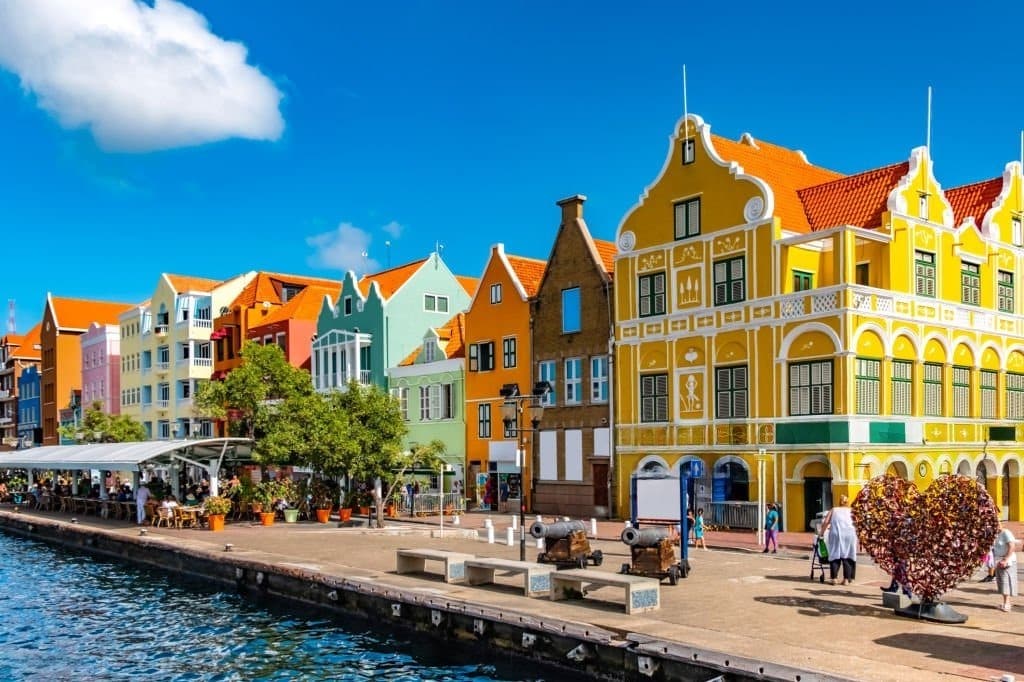
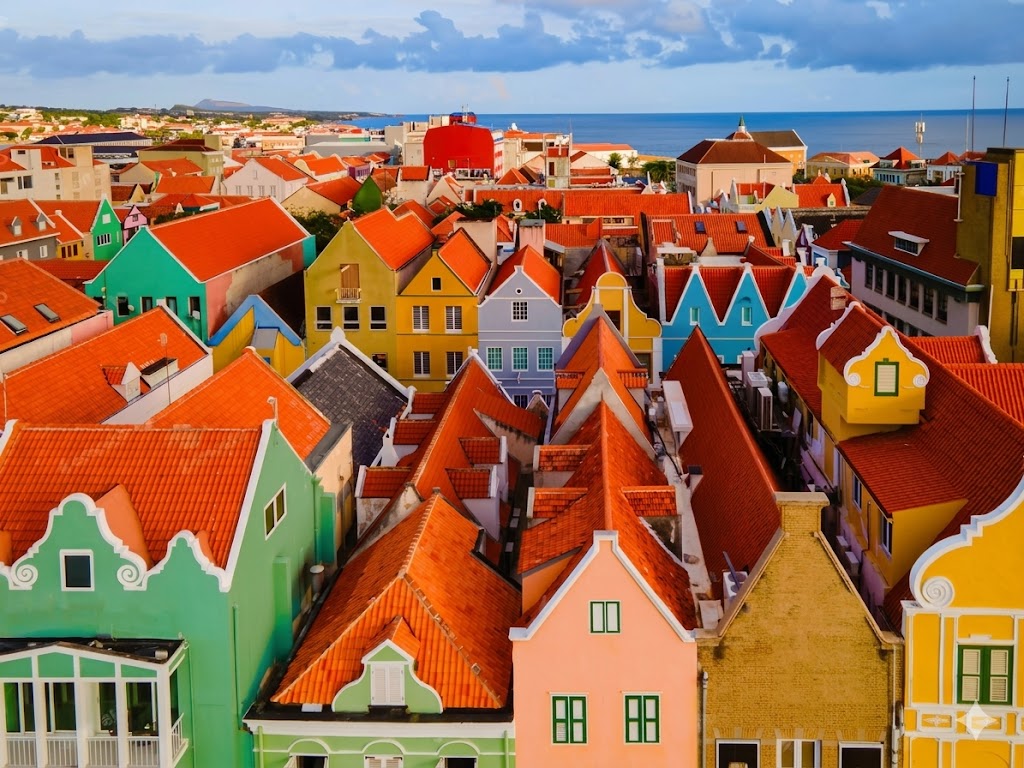
The move to Curacao doesn’t erase Aruba. The island of low-lying coasts and long beaches remains the historic birthplace of the festival, and many local voices view the move with a certain nostalgia. But CuraƧao brings something else to the table. The island, some 444 km² with a population of 152,000, boasts one of the best-preserved city centers in the Netherlands Antilles. Willemstad was designated a UNESCO World Heritage Site in 1997. The colorful facades of Punda and Otrobanda, the Queen Emma Bridge, the floating market – CuraƧao has an urban scene that Aruba does not.

Soul Beach Music Festival

This change of scenery also poses challenges. Curacao’s hotel industry is more dispersed than Aruba’s, which concentrates its capacity on the west coast. Air traffic between the United States and Curacao is less dense than to Aruba. Historically, Aruba has one of the highest air frequency rates with the USA for a Caribbean island of its size. The organizers have anticipated this by adding partnerships with specific airlines for the duration of the festival.

Soul Beach Music Festival
@ticketpointcuracao.com

A dynamic in full effervescence

Alongside the official Soul Beach, a parallel event organized by a different team: Aruba Soul Fest continues to be held in Aruba from May 20 to 25, 2026, with its own program. This friendly competition is not without interest for the region: two R&B festivals on two neighboring islands on the same Memorial Day Weekend, that’s a density of offerings unheard of in the Dutch Caribbean.

For CuraƧao, the stakes go beyond the 2026 edition. If the festival takes up permanent residence in Willemstad, which the organizers have not yet officially confirmed, the island could claim a new status on the Caribbean cultural map. The UNESCO Center, the CuraƧao Carnival (one of the longest in the world at 9 weeks), the North Sea Jazz Festival, and now Soul Beach. Four cultural pillars is exactly the format that structures a perennial cultural destination.

Next week, from May 22 to 27, Grenada takes over the media spotlight with its Chocolate Festival. The Caribbean follows on. Six islands, six identities, six successive events. If you follow RK, you already know what you need to know.

The Soul Beach Music Festival is a musical and cultural event combining R&B concerts, stand-up comedy shows, DJ nights and pool parties. For over 20 years, it has attracted a predominantly African-American audience for a premium Caribbean experience.

After 22 years in Aruba, the organizers chose CuraƧao to provide a new setting for the festival and take advantage of the island’s growing international profile.

No, Soul Beach combines music, humor, nightlife, tourism and lifestyle experiences in a festive, premium atmosphere.

Leave a Reply

Your email address will not be published. Required fields are marked *

More articles from RK

Affiche officielle du documentaire Women of Dominica
FILM & VIDEO
Tolotra

Dominique – Women of Dominica: The documentary that brings together ten women ahead of its premiere in Miami

“Women of Dominica” brings together ten women from different generations around a shared narrative: the Creole heritage of Dominica. The documentary, directed by environmental scientist-turned-filmmaker Farrah La Ronde-Hutchison, will have its U.S. premiere on September 5 in Miami, ahead of a wider release scheduled for 2027. Among the voices featured is that of Ophelia Marie, a historic figure in Dominican music. A story of passing down traditions, between a mother and her daughter The Women of Dominica project has its roots in a family story. In 2019, Farrah La Ronde-Hutchison’s mother received the Golden Drum, a Dominican award dedicated to the preservation of traditional Creole attire. She had carried this responsibility for more than thirty-five years, passing down to her daughter the techniques and fabrics of a garment that few in younger generations still know how to tie today. It was this tradition passed down from mother to daughter that

Read More Ā»
Femme jamaïcaine sur une véranda au crépuscule face à un duppy dans la cour
HISTORY & HERITAGE
Tolotra

ā€œDuppy know who fi frightenā€ā€”why does this proverb protect the weak?

“Duppy know who fi frighten”: this Jamaican saying resonates from childhood onward, long before we fully understand its meaning. In Jamaica, at dusk, a scene plays out across generations. Children are called back inside before night swallows the garden. There’s no need to argue the point—outside, the duppies lurk, those spirits that didn’t follow the dead to the end of their journey. A man from Old Harbour, now in his eighties, told researchers in 2021 how these stories shaped his childhood evenings—not so much to terrify as to keep the children close to home. From this inherited fear arose a saying that is still heard today throughout the island: ā€œDuppy know who fi frightenā€ā€”the duppy knows who to frighten. What does ā€œDuppy know who fi frightenā€ mean? The Jamaican Patwah online dictionary illustrates the expression with a typical phrase, ā€œHim cyaa try mi, duppy know who fi frighten,ā€ which could

Read More Ā»
gwoka
HISTORY & HERITAGE
Tolotra

Gwoka, the Guadeloupean drum that UNESCO has enshrined in history

In Pointe-Ć -Pitre, a bronze statue depicts a seated man with a ka drum between his legs. It pays tribute to VĆ©lo, one of the greatest masters of gwoka, the Guadeloupean music that emerged from the resistance to slavery. Since 2014, UNESCO has designated it as a World Heritage Site. A TambouyĆ© Turned into a Statue Marcel Lollia, known as VĆ©lo, was born on December 7, 1931, and died on June 5, 1984. He trained several generations of ka players—a drum carved from a tree trunk and covered with a stretched skin. He also inspired Akiyo, a cultural movement advocating for identity founded in 1979, which brought gwoka out of the small circles where it was still surviving. On June 5, 2004, twenty years after his death, a statue by sculptor Jacky Poullier was unveiled in Pointe-Ć -Pitre, modeled after an earlier Guadeloupean portrait dedicated to another of the island’s great figures.

Read More Ā»

conTACT RK

we'd love to have your feedback on your experience so far

Join The List

Join our RichĆØs Karayib community! Ā Sign up for our newsletter.

Want To Maximize Your Business Presence On Riches Karayib?

Complete the form to start the application