The Voodoo culture in Haiti is often misunderstood and shrouded in mystery, yet it is a deeply rooted spiritual tradition within Haitian society. This article explores the origins, practices, and significance of Voodoo culture in the context of Haiti, shedding light on its rich history and rituals. Voodoo serves as a vital expression of identity and resilience for the Haitian people, intertwining their past struggles with their present beliefs.
Uncover the History of Voodoo Culture in Haiti
Voodoo culture in Haiti finds its roots in the beliefs of African peoples, including the Fon, Yoruba, and Ewe ethnic groups, who were brought to Haiti as slaves during the colonial period. The forced migration of these Africans led to a fusion of their traditional beliefs with elements of Catholicism, introduced by French colonizers, and indigenous Taíno practices. This blending resulted in a unique spirituality that reflects the struggle for freedom and identity among Haitians.
During the Haitian Revolution (1791-1804), Voodoo played a crucial role in mobilizing enslaved individuals against their oppressors. Leaders such as Boukman, a Voodoo priest, harnessed the power of Voodoo rituals to galvanize the enslaved population, using spiritual symbols and ceremonies to inspire unity and resistance. The infamous Bois Caïman ceremony, where an oath was taken to fight for liberation, highlighted the significance of Voodoo in the revolutionary movement, effectively cementing its role as a symbol of resistance and unity.
Practices and Beliefs in Voodoo Culture
At the heart of Voodoo culture in Haiti is the belief in a supreme God, known as Bondyé, alongside a multitude of Loas (or Lwa). These spirits represent various aspects of life, nature, and ancestry, each possessing distinct attributes, stories, and areas of influence. Loas can embody elements such as love, war, agriculture, and healing, making them integral to the daily lives of practitioners.
Rituals and Ceremonies in Voodoo Culture
Voodoo rituals are led by practitioners known as houngans (priests) and mambos (priestesses). These ceremonies often take place in specific locations called “peristyles,” which serve as sacred spaces for worship and community gatherings. The rituals themselves include songs, dances, offerings, and sometimes animal sacrifices, all aimed at establishing a connection with the Loas.
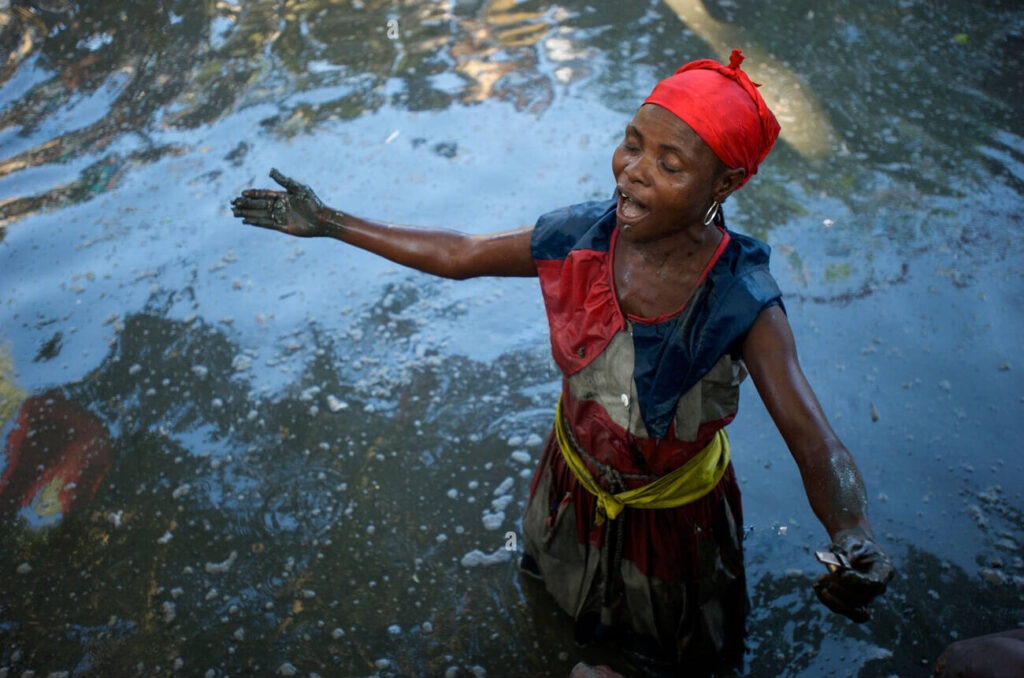
The rituals are characterized by a vibrant atmosphere filled with music, dance, and communal participation. Drumming plays a central role, creating a rhythm that invites the spirits to join the gathering. Participants may enter into a trance state, allowing the Loas to possess their bodies, providing guidance, blessings, and healing. This possession is often seen as a profound spiritual experience, reinforcing the bond between the community and the spiritual realm.
Intriguing symbolism and Arts of Voodoo Culture
Voodoo culture in Haiti is rich in symbolism and artistic expression. The drums, which are vital to the ceremonies, not only create rhythm but also serve as communication tools with the spirits. Each drum beat has a meaning, often invoking a particular Loa or enhancing the spiritual ambiance of the ceremony.
Voodoo flags, known as drapo, are another prominent aspect of the culture. These colorful banners are intricately embroidered with symbols that represent various Loas, serving both as artistic expressions and as spiritual objects. The vibrant designs and colors reflect the creativity and devotion of the practitioners, showcasing a blend of cultural heritage and spiritual significance.
The Role of Ancestors in Voodoo Culture
An essential aspect of Voodoo culture in Haiti is the reverence for ancestors. Ancestors are believed to be powerful spiritual guides and protectors, and their presence is felt in everyday life. Practitioners often set up altars with pictures, offerings, and personal items belonging to deceased family members, honoring their memory and seeking their guidance.
The concept of ancestral veneration is deeply ingrained in the practices of Voodoo, emphasizing the importance of family lineage and the continuity of cultural identity. Ceremonies may include invocations of ancestors, seeking their blessings and wisdom, and reinforcing the connection between the living and the deceased. This practice serves to strengthen familial bonds and cultural heritage, ensuring that traditions are passed down through generations.
The vital Cultural Importance of Voodoo Culture in Haiti
Voodoo culture in Haiti is far more than a mere religion; it is a fundamental aspect of Haitian cultural identity. It embodies the struggles and triumphs of the Haitian people, their resilience, and creativity. Voodoo also acts as a conduit for the transmission of knowledge and traditions, linking past generations to the future.
Despite the stereotypes often propagated by media and popular culture, Voodoo is a respected spiritual practice that deserves to be understood and appreciated in all its complexity. Many practitioners view Voodoo as a source of empowerment, providing a sense of belonging and community in a society that has faced numerous challenges.
Voodoo and Modern Society
In contemporary Haiti, Voodoo continues to thrive amidst challenges, including socio-economic issues and political instability. It remains a vital part of the cultural landscape, influencing art, music, and social practices. Many Haitians integrate Voodoo beliefs with other aspects of their lives, including traditional medicine and healing practices.
Voodoo festivals and celebrations attract both locals and tourists, providing an opportunity for cultural exchange and education. Such events promote awareness of the rich heritage of Voodoo and its significance in the broader context of Haitian society.
In summary, the Voodoo culture in Haiti is a crucial element of the nation’s heritage and identity. It speaks to Haiti’s rich and complex history, its fight for freedom, and its spiritual creativity. By learning about Voodoo culture in Haiti and respecting these traditions, we can gain a deeper understanding of the diversity and richness of Haitian culture and the broader Caribbean region.