
Special report part 4 (2020-2023): The Caribbean’s Cultural Treasures: UNESCO Recognized Intangible Heritage

UNESCO

Celebrating the Caribbean’s Cultural Diversity

Between 2020 and 2023, UNESCO continued to recognize the Caribbean’s rich intangible cultural heritage, celebrating traditions that showcase the region’s diversity and vibrant history. These recognitions by UNESCO reveal the deep cultural practices and customs that have survived generations, connecting the past with the present. This article focuses on the elements honored during this period, highlighting their significance to the Caribbean identity.

2020

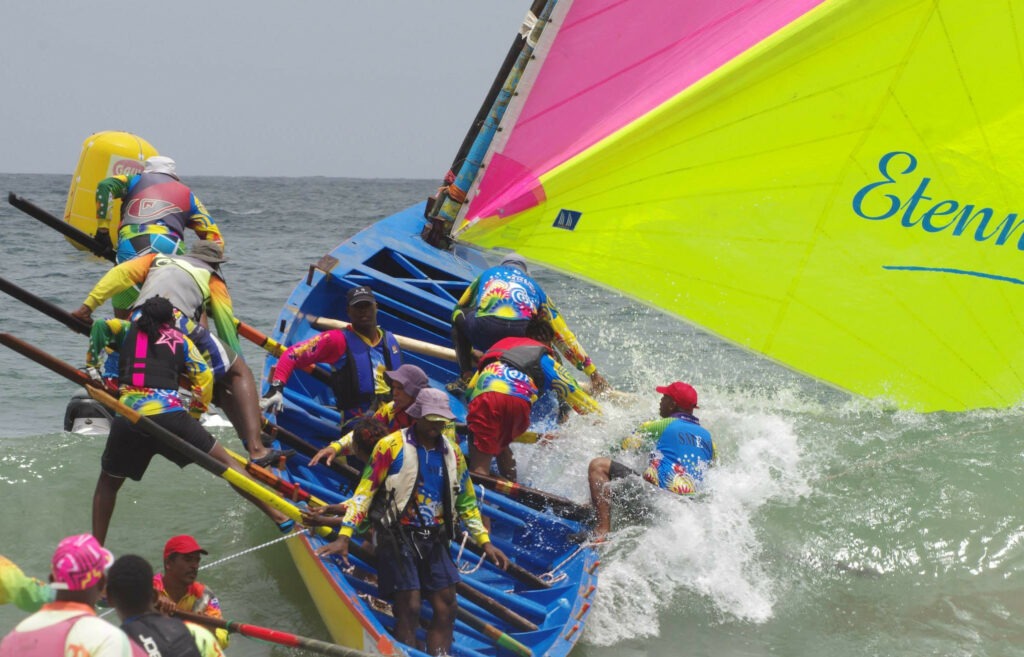
  • Martinique: The Yole as a Heritage Preservation Model

    For UNESCO, the yole of Martinique, a traditional lightweight boat, symbolizes the region’s maritime history and has become a focal point for heritage preservation initiatives aimed at maintaining local craftsmanship and community ties in the face of modernization.

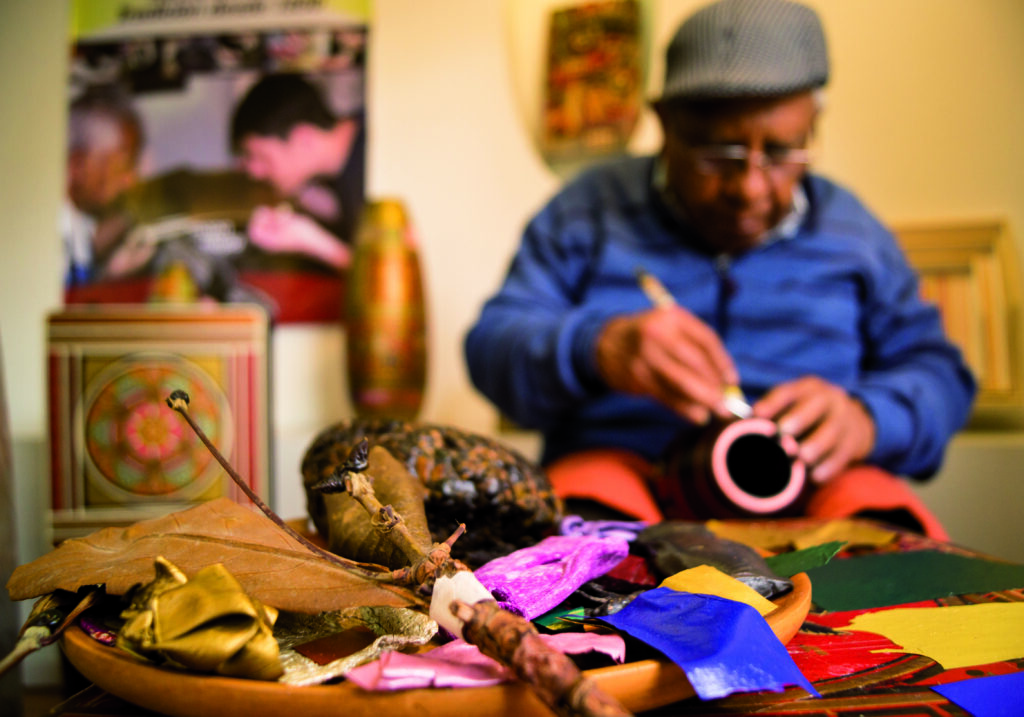
  • Colombia: Traditional Knowledge and Techniques of Mopa-Mopa Varnish

    The traditional knowledge and techniques of mopa-mopa varnish from Putumayo and Nariño involve the intricate processes of harvesting mopa-mopa buds, woodworking, and decorative varnishing, representing a vital cultural identity for communities, yet facing urgent threats from globalization, deforestation, and declining practitioners.

UNESCO
Martinique: The Yole as a Heritage Preservation Model
UNESCO
Colombia: Traditional Knowledge and Techniques of Mopa-Mopa Varnish

2021

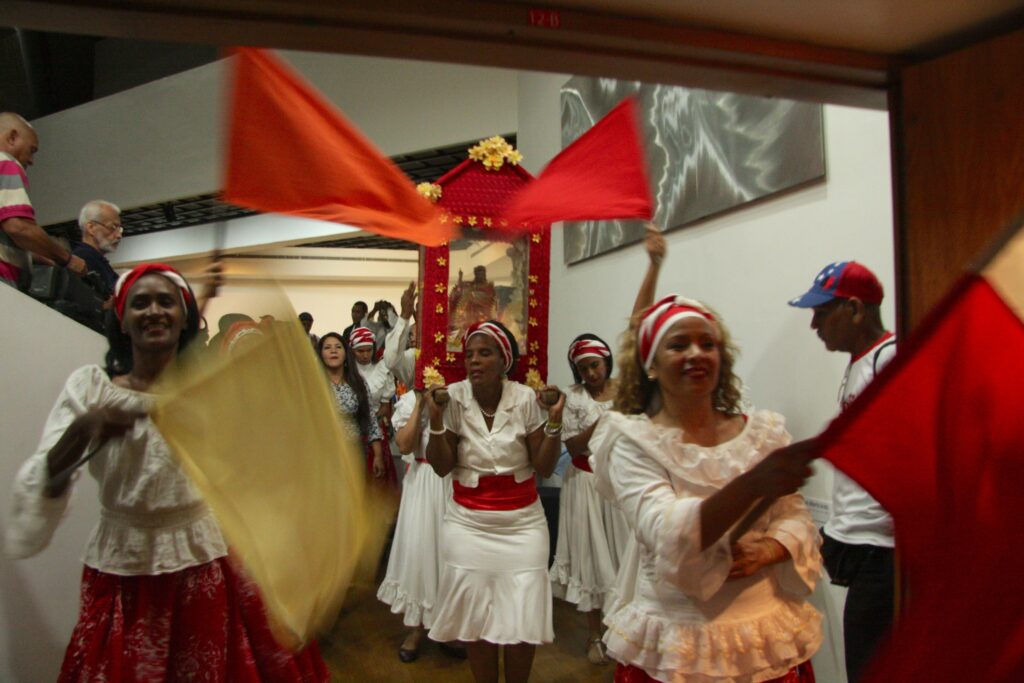
  • Venezuela: The Festivities of Saint John the Baptist

    For UNESCO, the Venezuelan celebrations of Saint John the Baptist, rooted in 18th-century Afro-Venezuelan communities, blend Catholic influences with rich African verbal, musical, and physical expressions, serving as a powerful symbol of cultural resistance and remembrance of enslaved ancestors.

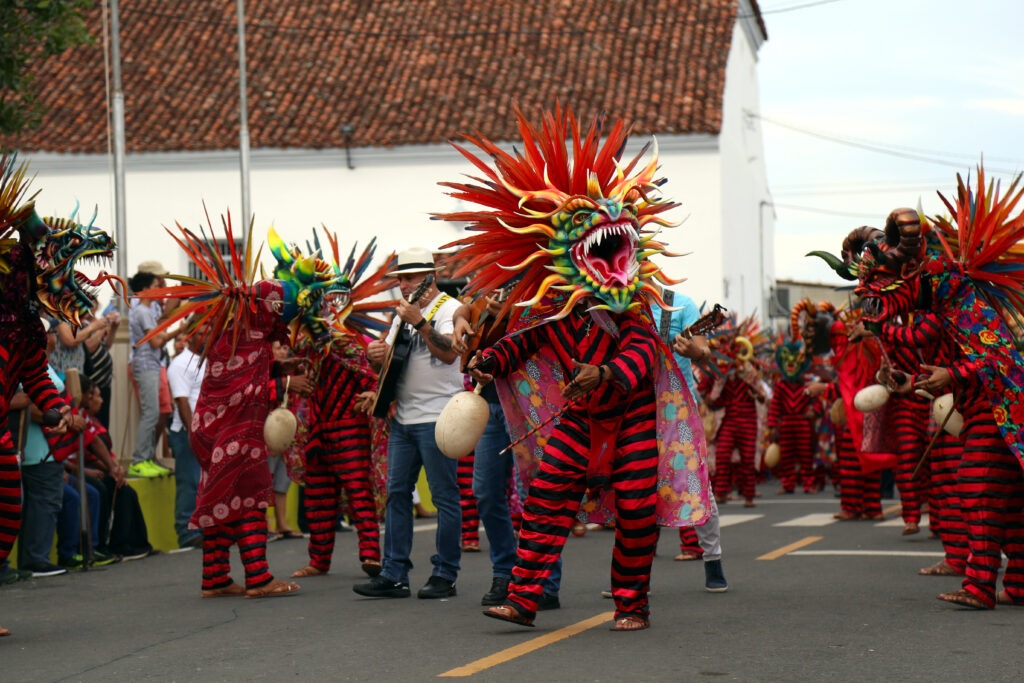
  • Panama: The Dance and Expressions of Corpus Christi

    The Corpus Christi festival in Panama is a vibrant religious celebration that merges Catholic tradition with popular festivities, featuring theatrical performances, lively music, and colorful dances, symbolizing the struggle between good and evil while fostering community involvement and cultural transmission.

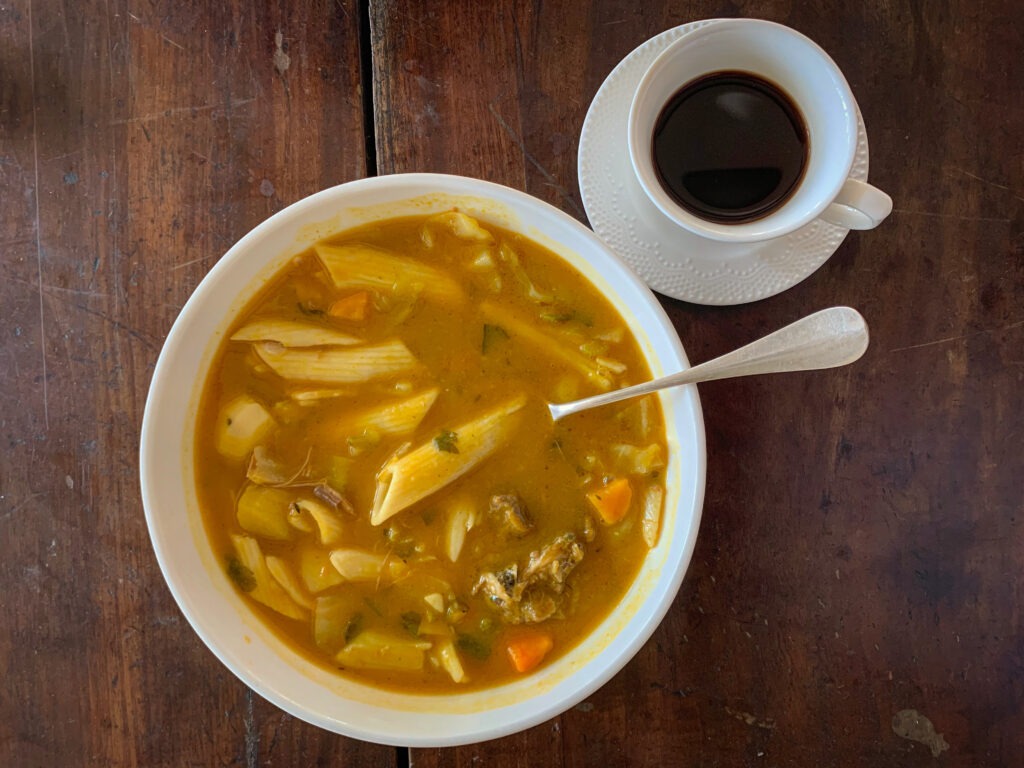
  • Haiti: Soup Joumou

    For UNESCO, Soup Joumou, a traditional Haitian pumpkin soup, is not only a festive dish deeply embedded in Haitian identity but also a symbol of freedom and resilience, historically reserved for slave owners and now celebrated as a community unifier, especially on January 1st, Haiti’s Independence Day.

UNESCO
Venezuela: The Festivities of Saint John the Baptist
UNESCO
Panama: The Dance and Expressions of Corpus Christi
UNESCO
Haiti: Soup Joumou

2022

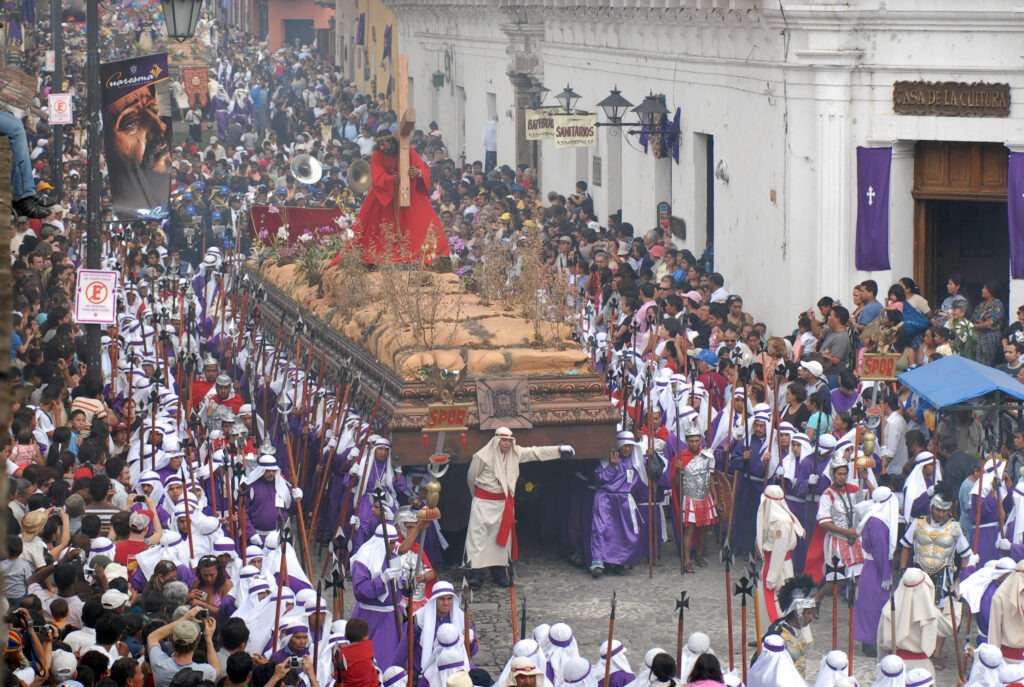
  • Guatemala: Holy Week Celebrations

    For UNESCO, the Holy Week in Guatemala is a significant cultural and religious event featuring processions, culinary specialties, and vibrant flower and fruit carpets, representing a rich tradition that fosters social inclusion and mutual respect while commemorating the Passion, death, and resurrection of Christ.

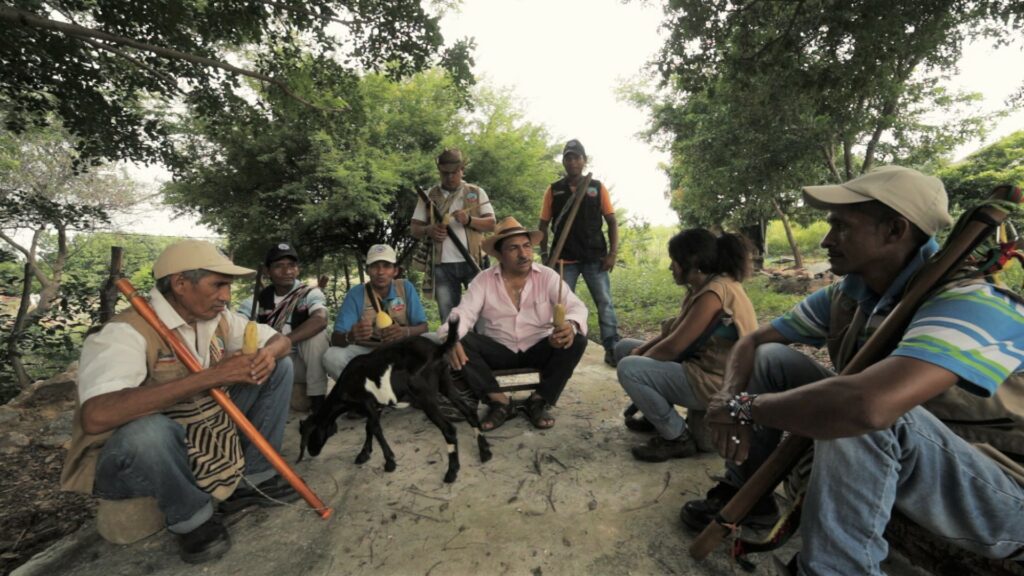
  • Colombia: Ancestral Knowledge System of the Arhuaco, Kankuamo, Kogi, and Wiwa Peoples

    The ancestral knowledge system of the Arhuaco, Kankuamo, Kogi, and Wiwa peoples of the Sierra Nevada de Santa Marta is a profound framework that guides their sacred missions for harmony with the physical and spiritual universe, emphasizing the preservation of sacred sites, traditional rituals, and the protection of their cultural identity and ecosystem.

UNESCO
Guatemala: Holy Week Celebrations
UNESCO
Colombia: Ancestral Knowledge System of the Arhuaco, Kankuamo, Kogi, and Wiwa Peoples

2023

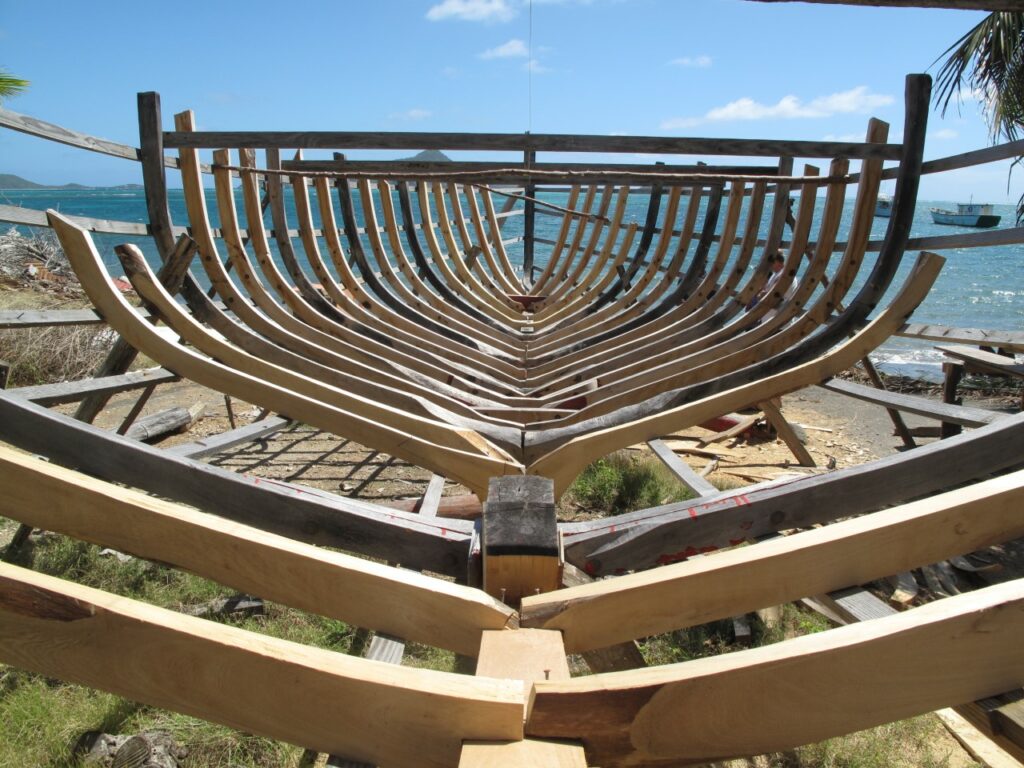
  • Grenada: Traditional Wooden Boat Building in Carriacou and Petite Martinique

    For UNESCO, The traditional practice of wooden boat building in Carriacou and Petite Martinique is a centuries-old craft involving the entire community in various roles, where skilled shipwrights select trees, perform rituals, and celebrate the launch with traditional blessings and festivities, fostering social bonds and cultural heritage.

  • Colombia : Midwifery: Knowledge, Skills, and Practices

    Midwifery is a vital practice in various countries, including Colombia, Cyprus, Germany, Kyrgyzstan, Luxembourg, Nigeria, Slovenia, and Togo, where midwives provide essential care and education to pregnant women and their families, blending traditional knowledge with evidence-based practices while preserving cultural rituals and fostering community support across generations.

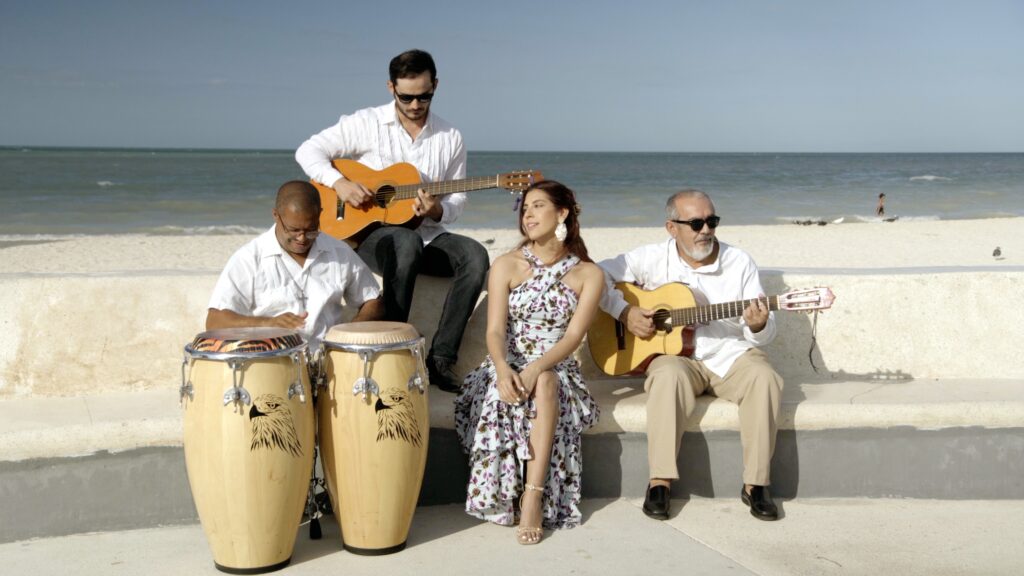
  • Cuba and Mexico: The Bolero, Identity, Emotion, and Poetry in Song

    The bolero is a vital element of Latin American sentimental music, deeply rooted in Cuba and Mexico, blending European poetic language, African rhythms, and indigenous emotions, and serving as a powerful cultural symbol that evokes feelings and connects communities through its lyrical expression and oral transmission across generations.

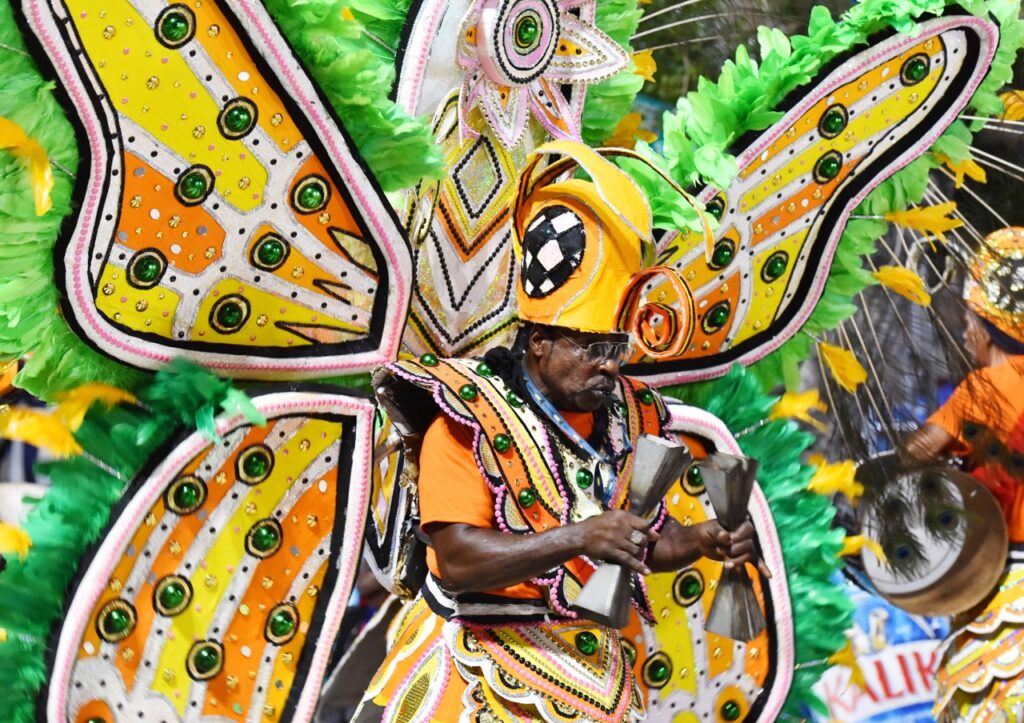
  • Bahamas : the Junkanoo: Cultural Festival of the Bahamas

    For UNESCO, Junkanoo is the national cultural festival of the Bahamas, originating in the early 19th century from enslaved Africans who created vibrant parades filled with music, performance, and storytelling, serving as a powerful expression of creativity and community unity that involves all ages in crafting elaborate costumes and celebrating cultural identity.

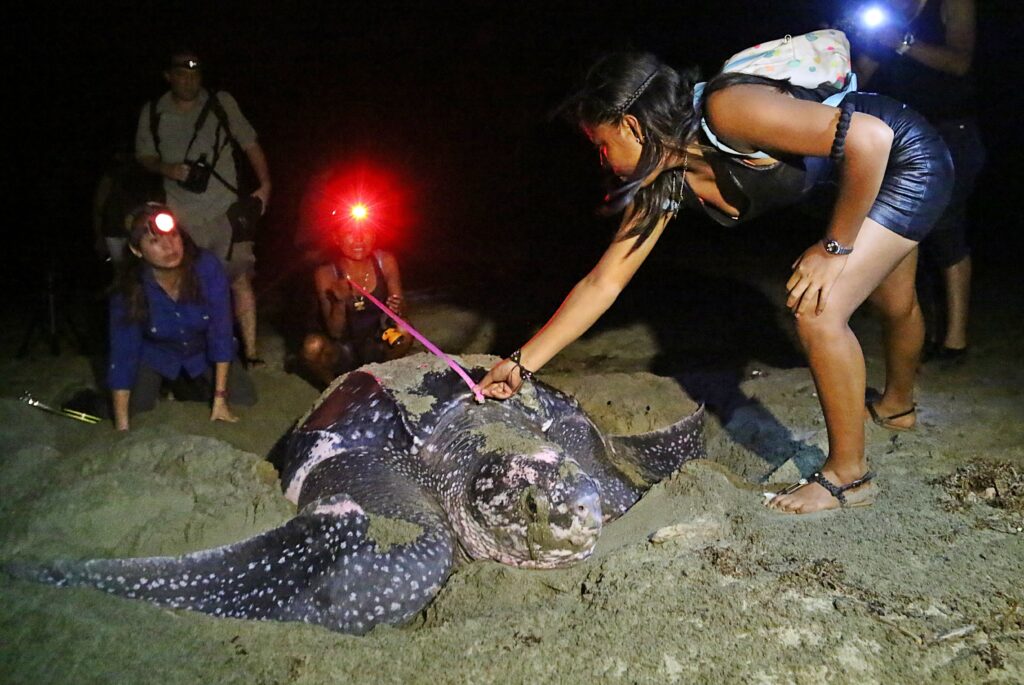
  • Panama : Armila’s Marine Turtle Cultural and Ecological Festival: Safeguarding Practices Program

    The Marine Turtle Cultural and Ecological Festival in Armila, Panama, is a vital program initiated by the kuna people to preserve their oral traditions and environmental practices, featuring a four-day educational festival that coincides with the arrival of loggerhead turtles, promoting community engagement and the creation of an eco-label for culturally and environmentally responsible festivals.

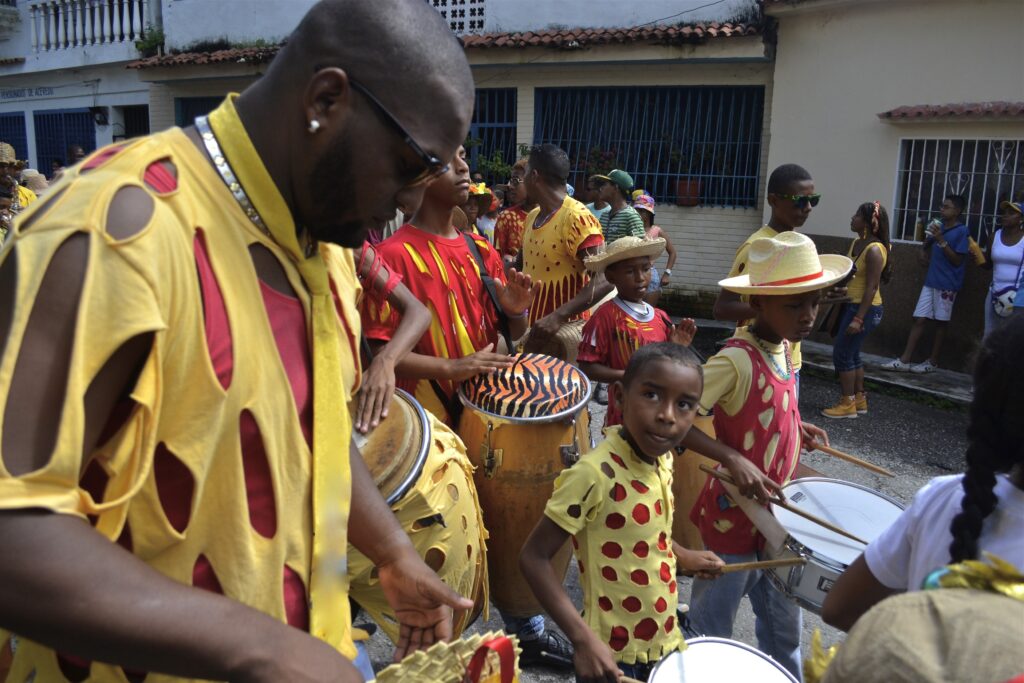
  • Venezuela : Caucagua’s Bandos and Parrandas of the Holy Innocents: Knowledge Transmission and Community Councils

    For UNESCO, The Bandos and Parrandas of the Holy Innocents in Caucagua, Venezuela, are vibrant street festivals celebrated on December 27th and 28th, characterized by music and satirical attire, and supported by a safeguarding program that enhances oral tradition through community-led knowledge centers and councils aimed at revitalizing this Afro-descendant celebration and preserving cultural heritage.

UNESCO
Grenada: Traditional Wooden Boat Building in Carriacou and Petite Martinique
UNESCO
Midwifery: Knowledge, Skills, and Practices
UNESCO
Cuba and Mexico: The Bolero, Identity, Emotion, and Poetry in Song
UNESCO
Bahamas : the Junkanoo: Cultural Festival of the Bahamas
UNESCO
Panama : Armila's Marine Turtle Cultural and Ecological Festival: Safeguarding Practices Program
UNESCO
Venezuela : Caucagua's Bandos and Parrandas of the Holy Innocents: Knowledge Transmission and Community Councils

The cultural practices recognized by UNESCO from 2020 to 2023 exemplify the  diversity and intricate heritage of the Caribbean. From the lively rhythms of merengue and the festive celebrations of Junkanoo to the community-driven safeguarding programs of the Bandos and Parrandas, these traditions underscore the essential role of cultural expressions in preserving national identities and fostering community cohesion.

16 Responses

Leave a Reply

Your email address will not be published. Required fields are marked *

More articles from RK

Philippe Faure-Brac
NEWS
Tolotra

Philippe Faure-Brac at Habitation Clément: Martinique rum as seen by a great sommelier.

Philippe Faure-Brac had never visited Habitation Clément before. World’s Best Sommelier 1992, member of the Meilleurs Ouvriers de France with honorary status since 2015, he came to Martinique to look at rhum agricole from its very place of production: the cane, the cellars, the bottling and the tasting. A first visit to Habitation Clément At Habitation Clément, in Le François, this visit had a special significance. Philippe Faure-Brac was already familiar with Clément rums, their quality positioning and their universe. He had also contributed to the book Rhum Clément, une histoire de famille, bringing his insight into the house’s aromatic precision, balance and tradition of excellence. But he lacked the experience of the place. That of the light, the temperature, the atmosphere of the winery and the exchanges with the teams. “The first time in Martinique? I was going to say finally,” he confided, recalling that he had been hoping

Read More »
Boiling Lake
TOURISM
Tolotra

Boiling Lake: 92 °C, 63 m wide, the 2nd largest bubbling lake in the world

Just 8 kilometers east of Roseau, the capital of Dominica, it’s a three-hour walk from Laudat to Boiling Lake. Three hours of humid forest, desolate valley, soil-heated rocks and sulfurous fumes. At the end of the path, a 63-metre-wide pool. Inside, the water bubbles almost continuously, with temperatures measured up to 91.6°C at the edges. It’s the second largest bubbling lake in the world. A rare phenomenon in a UNESCO park The world’s first is Frying Pan Lake in New Zealand’s Waimangu Valley. But the Dominican Boiling Lake is in a class of its own. Firstly, because it can only be reached on foot, after a demanding hike. Secondly, because it is part of a national park that has been a UNESCO World Heritage Site since 1997: Morne Trois Pitons National Park. This makes it one of the most singular geothermal phenomena protected in a world-renowned natural site. A flooded,

Read More »
Tourisme 3.0
TOURISM
Tolotra

Tourism 3.0: Jamaica wants to keep its tourist wealth

At the Montego Bay Convention Centre, the image speaks for itself. Local entrepreneurs showcase their products, hotel representatives circulate, meetings follow one another. Behind these rapid exchanges, one question weighs heavily: when tourism makes money, how much really stays in Jamaica? This is at the heart of Tourism 3.0, the new direction championed by Jamaica’s Minister of Tourism, Edmund Bartlett. At the Tourism Enhancement Fund’s 11th Speed Networking Event, he set out a clear ambition: to make tourism a more direct driver for Jamaican producers, artisans, manufacturers and suppliers. Tourism that no longer just wants to attract Jamaica knows how to welcome visitors. But the challenge is no longer just to fill hotels or increase arrivals. The real challenge is to retain more value in the territory. Edmund Bartlett has recognized a structural weakness: a large proportion of the goods and services consumed by the tourism industry are still imported.

Read More »

conTACT RK

we'd love to have your feedback on your experience so far

Join The List

Join our Richès Karayib community!  Sign up for our newsletter.

Want To Maximize Your Business Presence On Riches Karayib?

Complete the form to start the application