
St. Lucia

Saint Lucia

A Caribbean jewel of natural beauty and culture

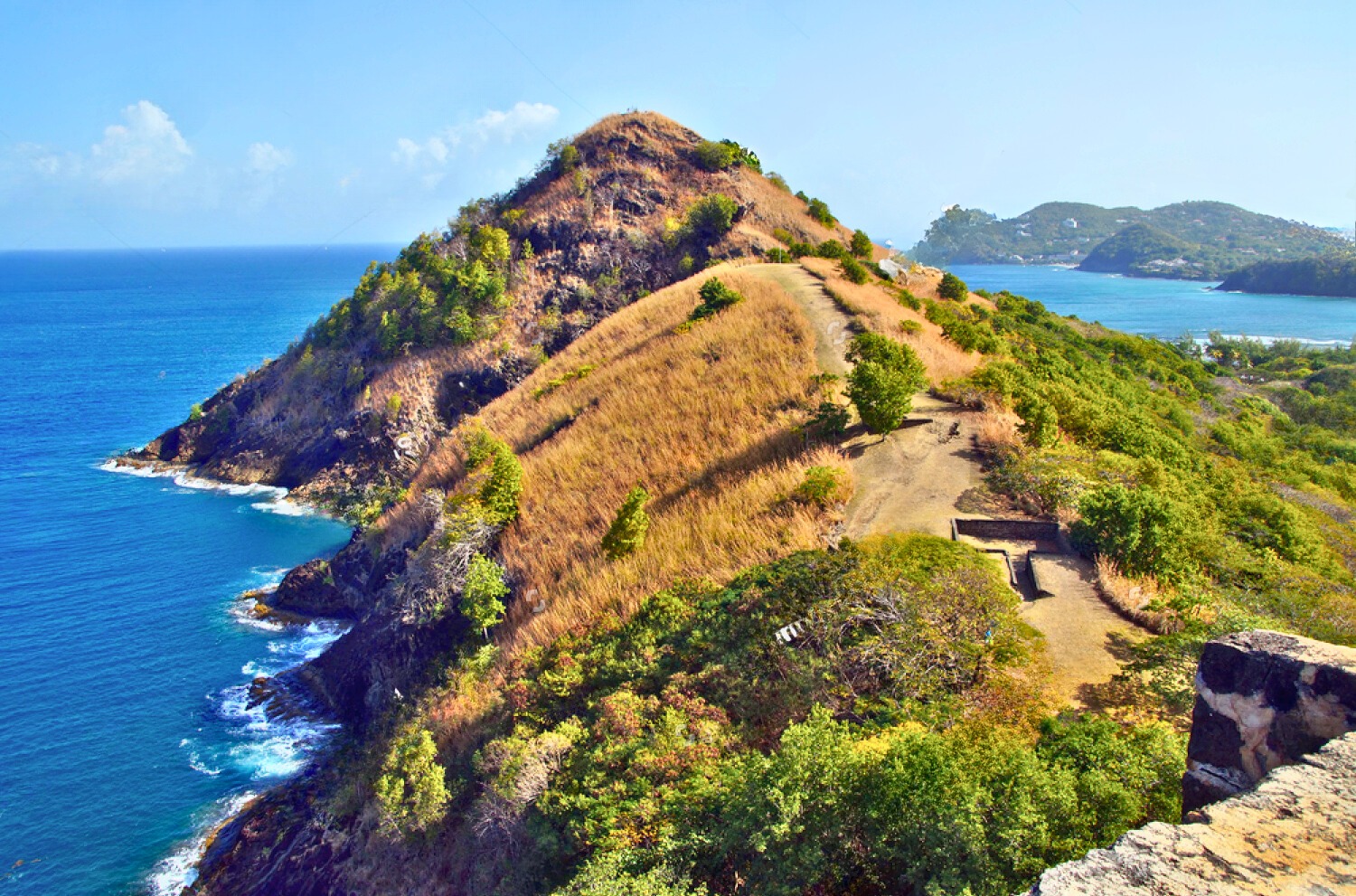
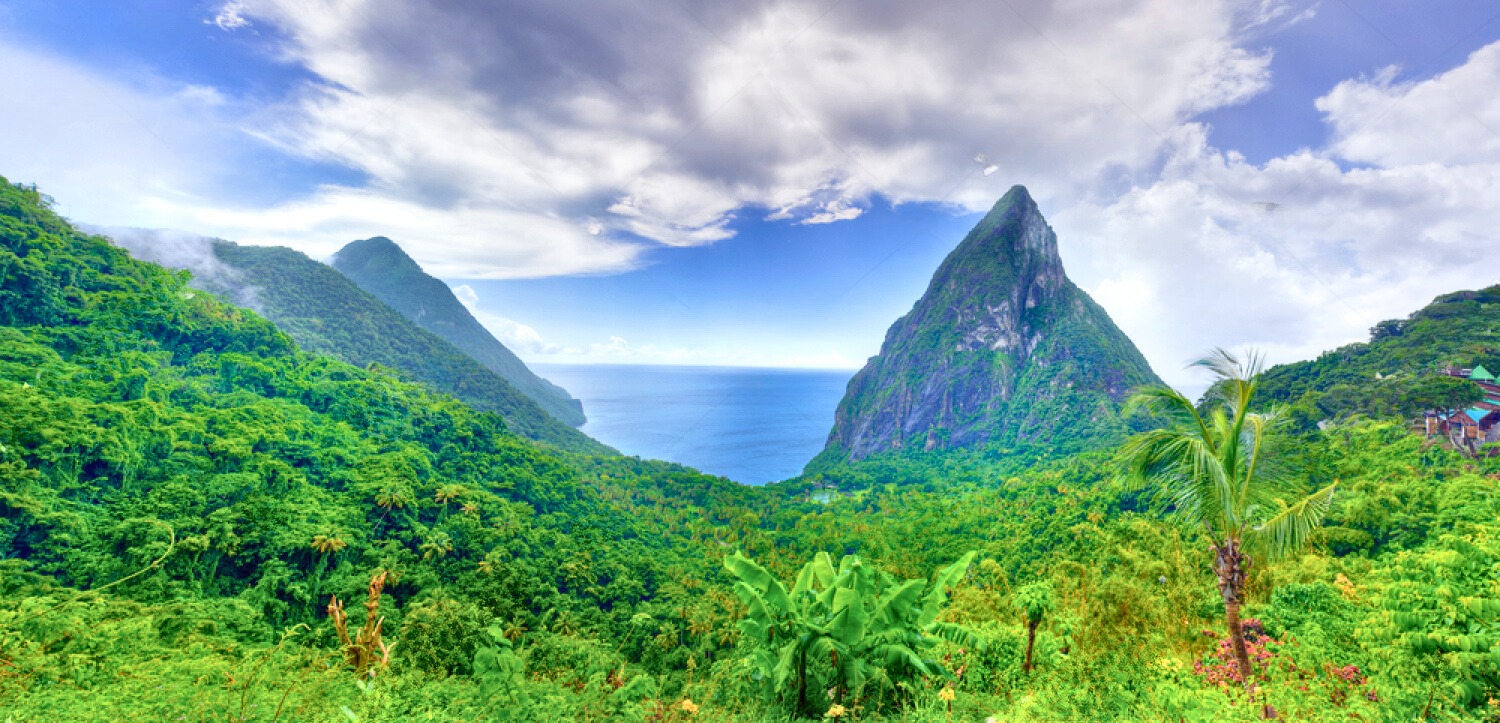
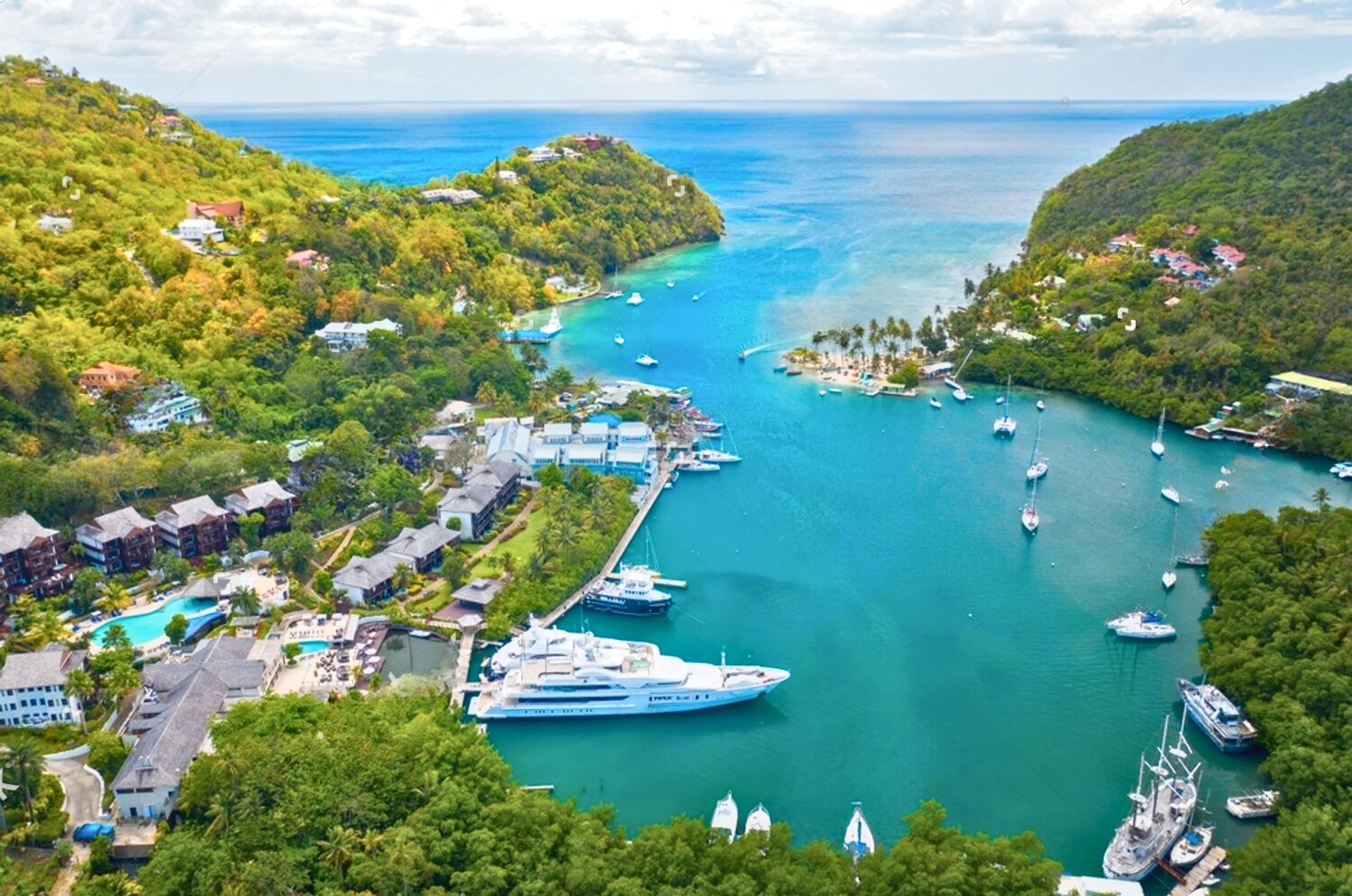
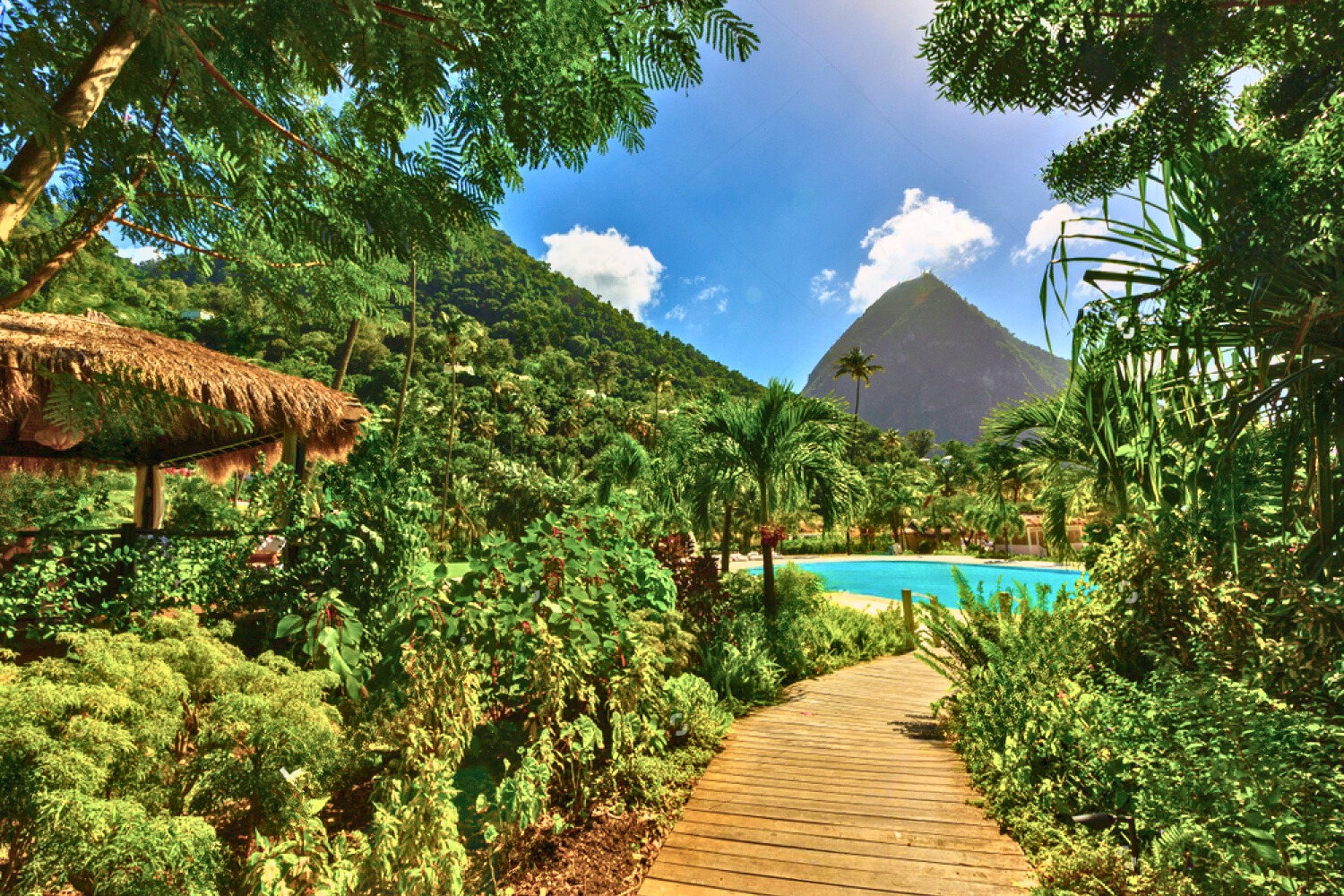
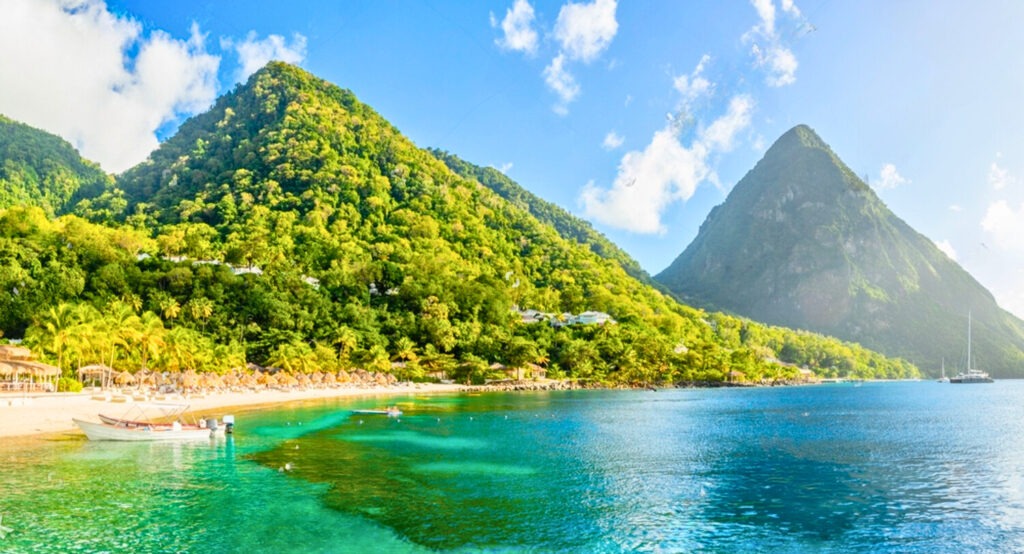
Located northwest of Barbados and south of Martinique, Saint Lucia is a lush volcanic island with mountainous terrain. The island’s capital, Castries, is a bustling port city that serves as the economic and cultural hub of the nation, while the iconic Pitons—Gros Piton and Petit Piton—are UNESCO World Heritage Sites, attracting hikers and tourists from around the world.

Geographic and Geological Overview

A Geographic Snapshot

St Lucia
  • Size: Approximately 617 square kilometers (238 square miles).
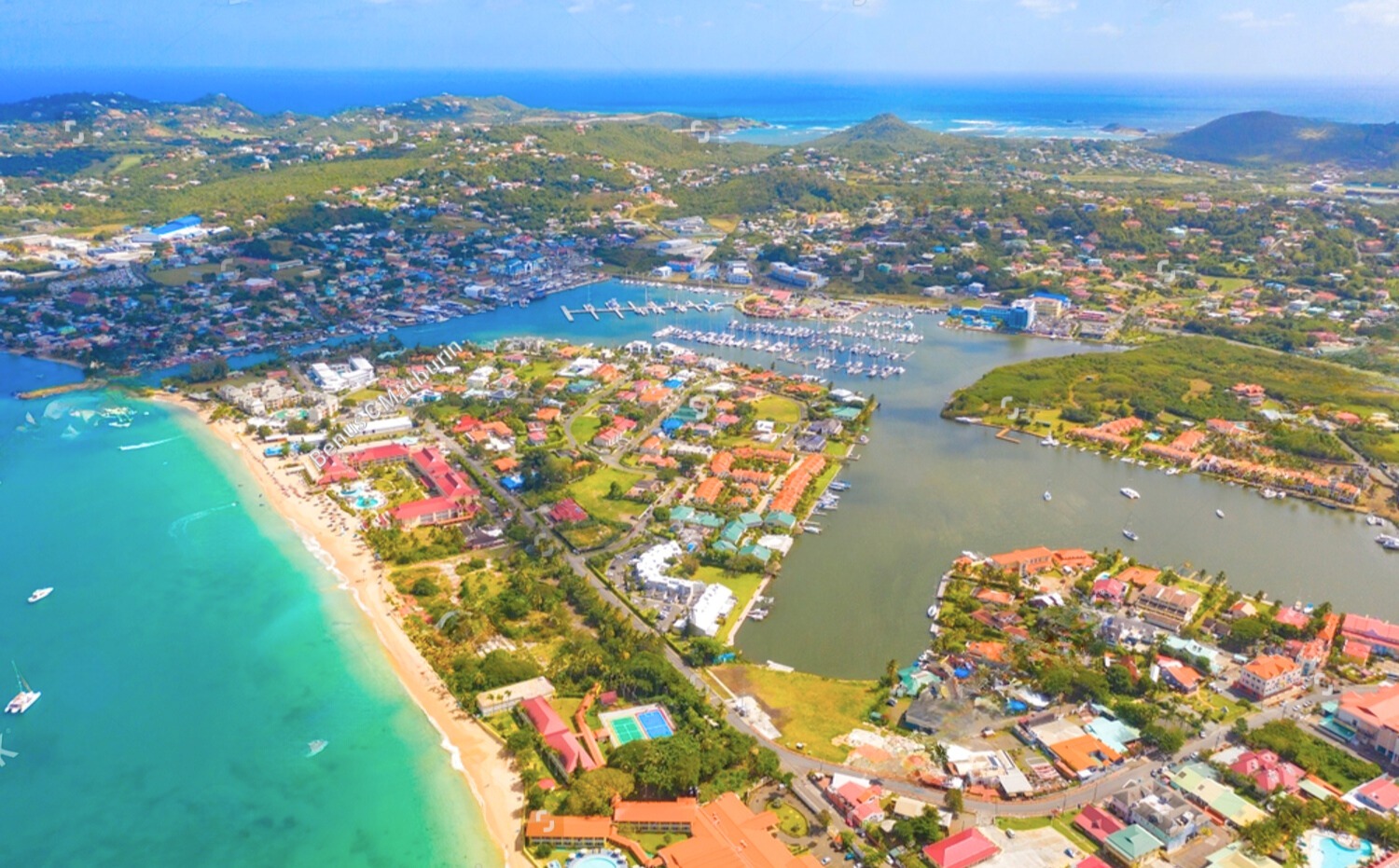
  • Capital: Castries, located on the northwest coast of the island.
  •  
  • High Point: Mount Gimie, reaching 950 meters (3,120 feet).
  • Population: About 183,000 (2022).
  • Vegetation: Tropical rainforest, mangroves, and stunning beaches, nourished by a warm climate and fertile volcanic soil.
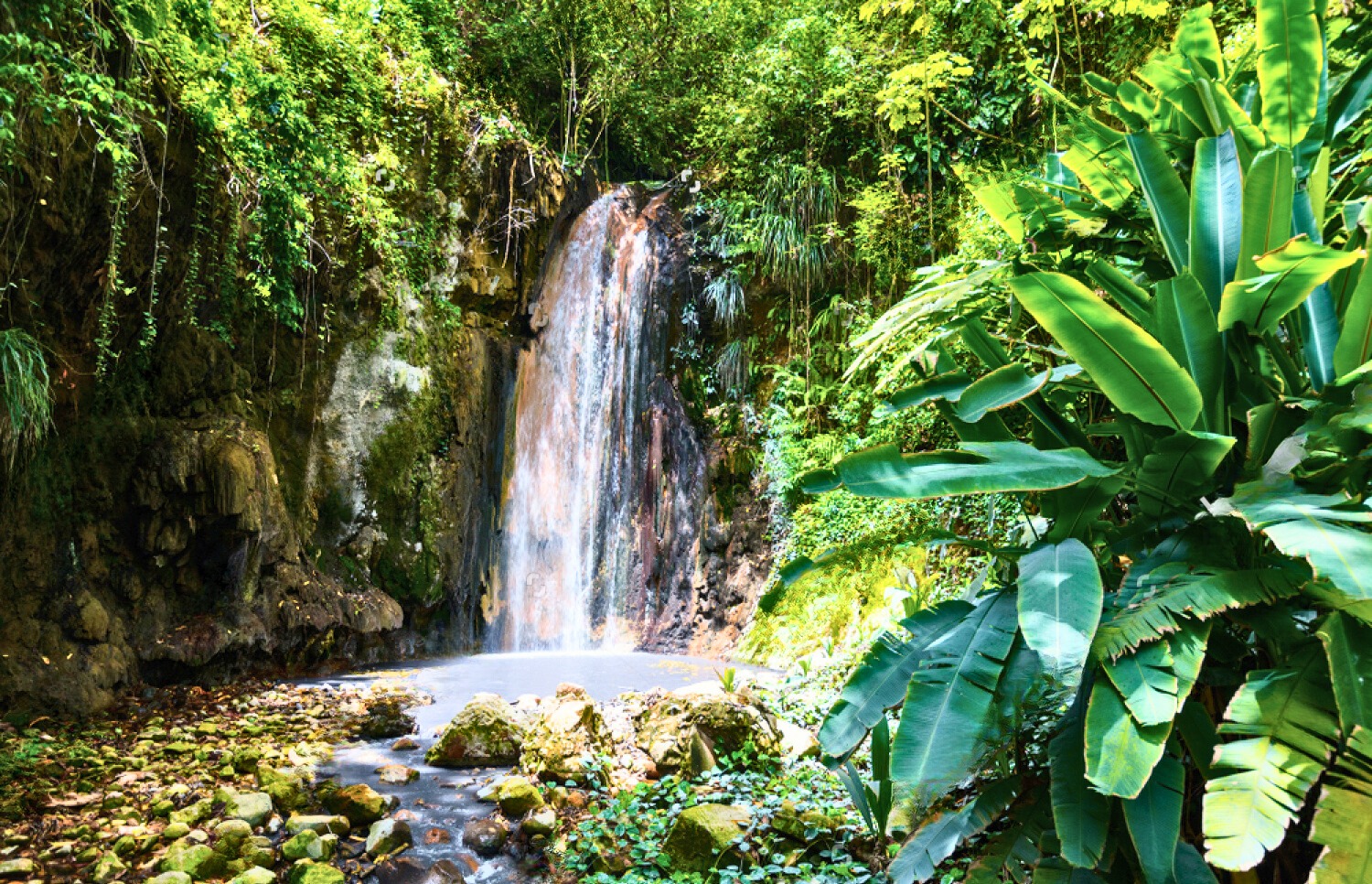
  • Water Bodies: Numerous rivers and waterfalls, including the notable Diamond Falls and the Sulphur Springs.
  •  
Saint Lucia

Geological Features

  • Geology: the island is volcanic in origin, featuring the famous Pitons, remnants of an ancient volcanic landscape.
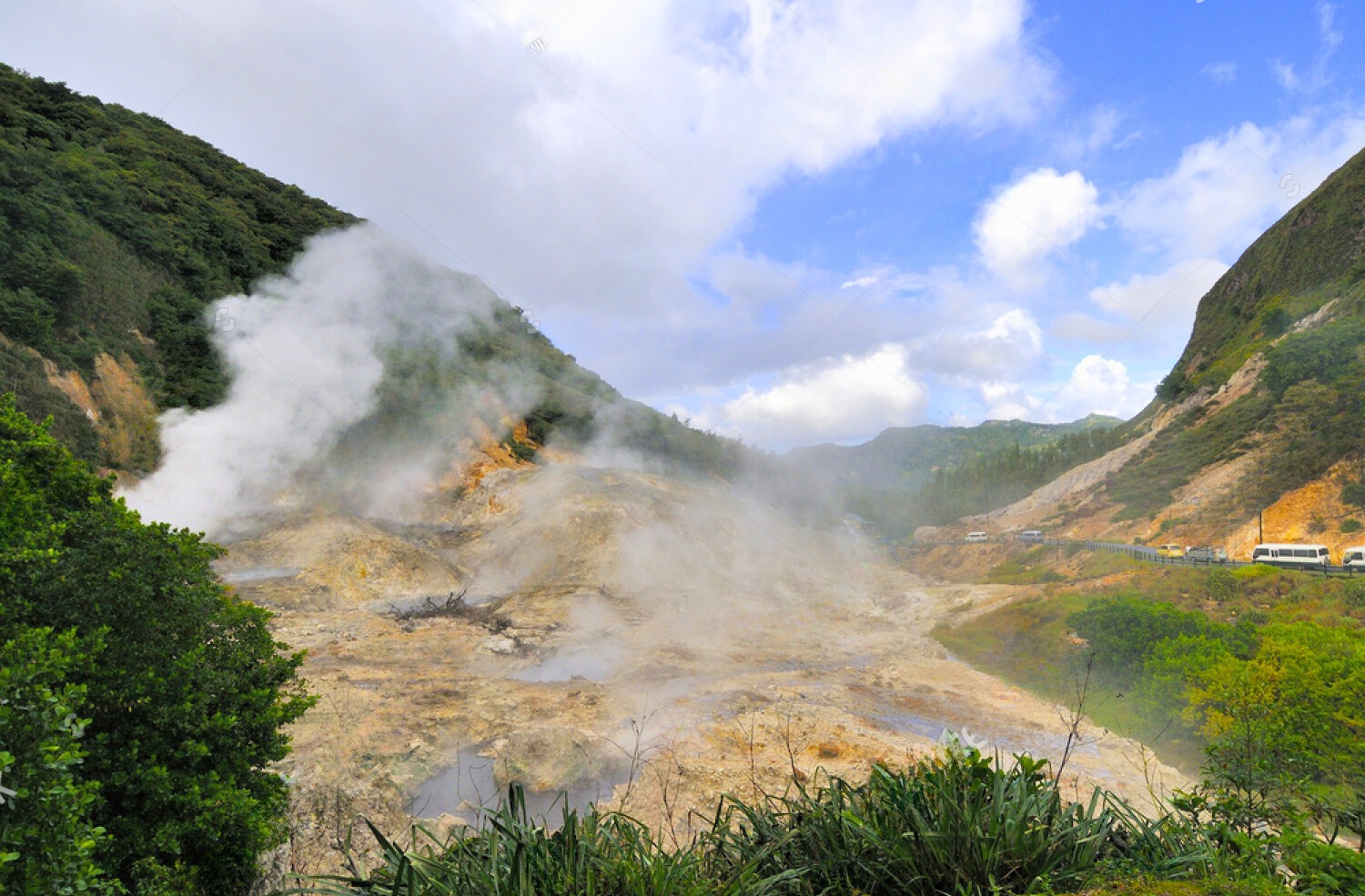
  • Natural Wonders: The island is home to the world’s only drive-in volcano at Sulphur Springs, where visitors can experience geothermal activity and therapeutic mud baths.

Cultural Landscape

Cultural Landscape

The island is a tapestry of cultures influenced by its indigenous Arawak and Carib peoples, African heritage, and French and British colonial histories. The island’s culture is celebrated through its vibrant festivals, music, and art.

The annual Saint Lucia Jazz & Arts Festival is a highlight, showcasing local and international artists and drawing crowds from all over. The island’s music scene is rich, with genres such as calypso, soca, and reggae being integral to its cultural identity.

The local language is English, with a distinctive Creole (Kweyol) widely spoken, reflecting the island’s heritage. The motto of Saint Lucia, “The Land of the Saintly,” underscores its rich cultural and spiritual legacy.

Saint Lucia
Saint Lucia

Local Cuisine

Saint Lucia’s Cuisine Highlight

Indulge in the flavors of the island, where the cuisine reflects a blend of Creole, French, and Caribbean influences, featuring fresh, local ingredients.

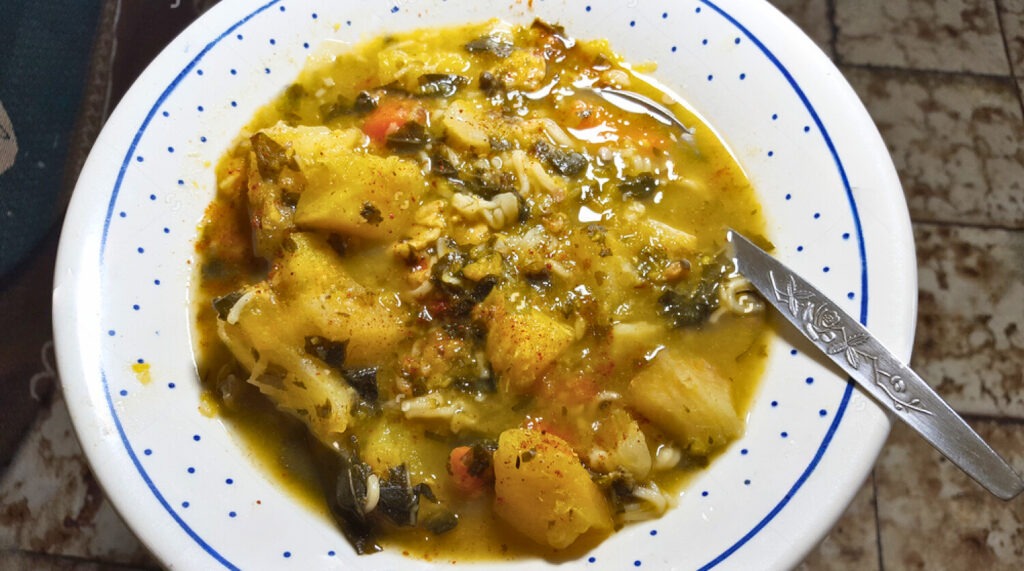
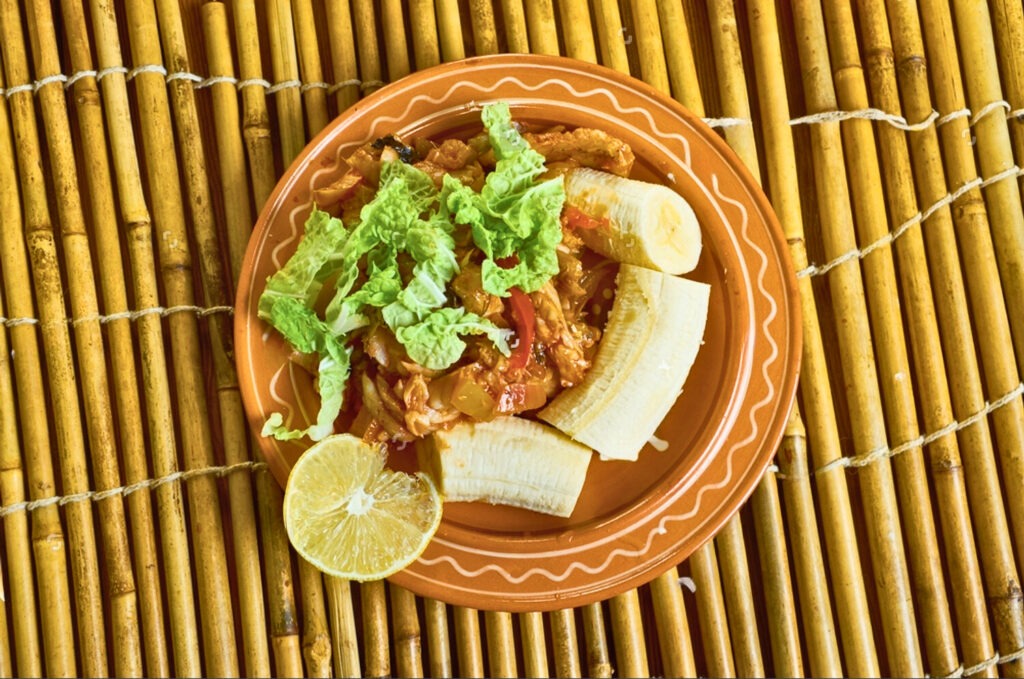
At the heart of Sainte-Lucian cooking is Green Fig and Saltfish, the national dish, made with boiled green bananas and salted cod, served with a spicy sauce. Another popular dish is Callaloo Soup, a hearty blend of leafy greens, okra, and spices.

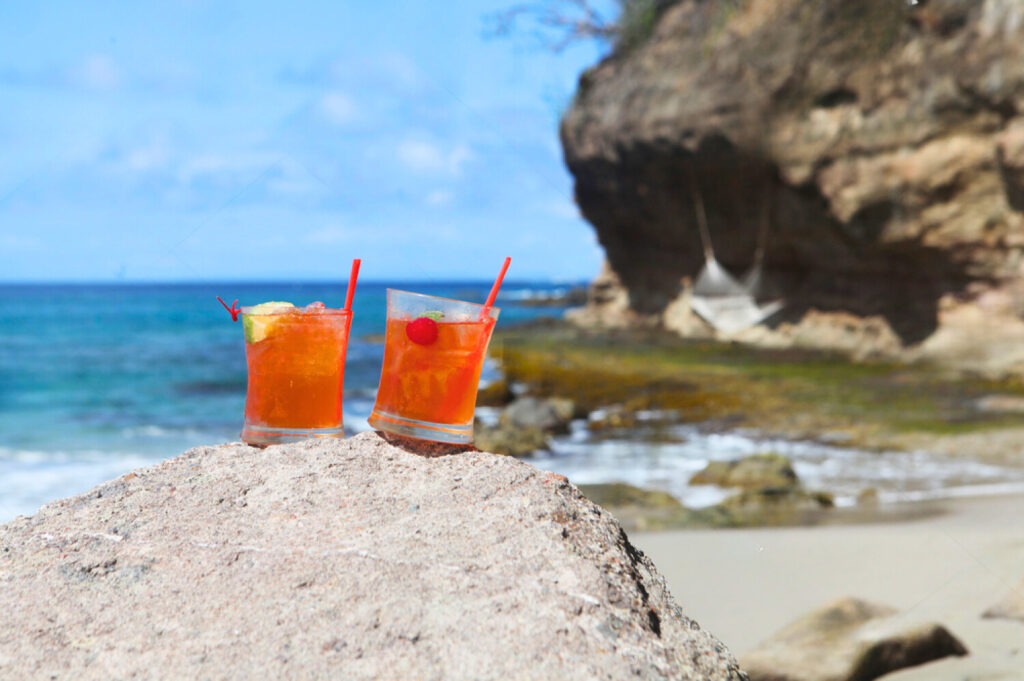
The island is also famous for its Bakes (fried dough) and Rum, produced from local sugarcane—a key attraction for visitors looking to experience the island’s culinary offerings.

Saint Lucia
Callaloo Soup
Saint Lucia
Green Fig and Saltfish
Saint Lucia
spice

Economy and Infrastructure

Saint Lucia‘s economy is diverse, with tourism being a significant driver, alongside agriculture and manufacturing.

Economic Overview

Tourism contributes approximately 65% to the GDP, attracting visitors with its stunning landscapes, rich culture, and warm hospitality. The island’s natural beauty and cultural heritage make it a sought-after destination for travelers seeking relaxation and adventure.

Agricultural Sector

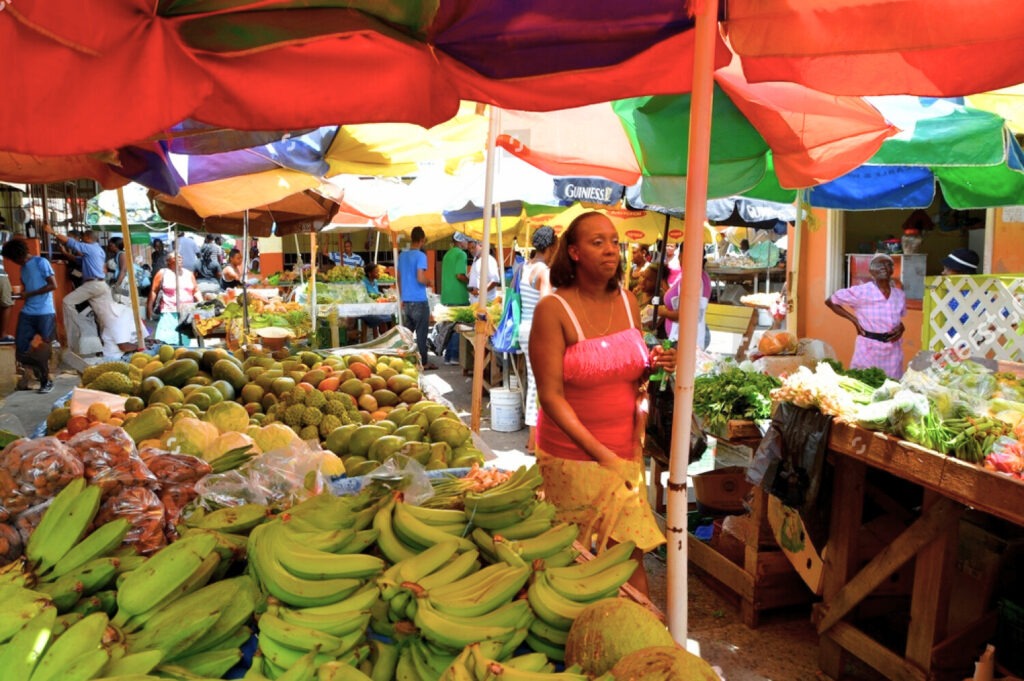
Agriculture remains an important sector, with bananas and other tropical fruits being key exports. However, the agricultural industry faces challenges from global market fluctuations and climate change.

Tourism and Infrastructure

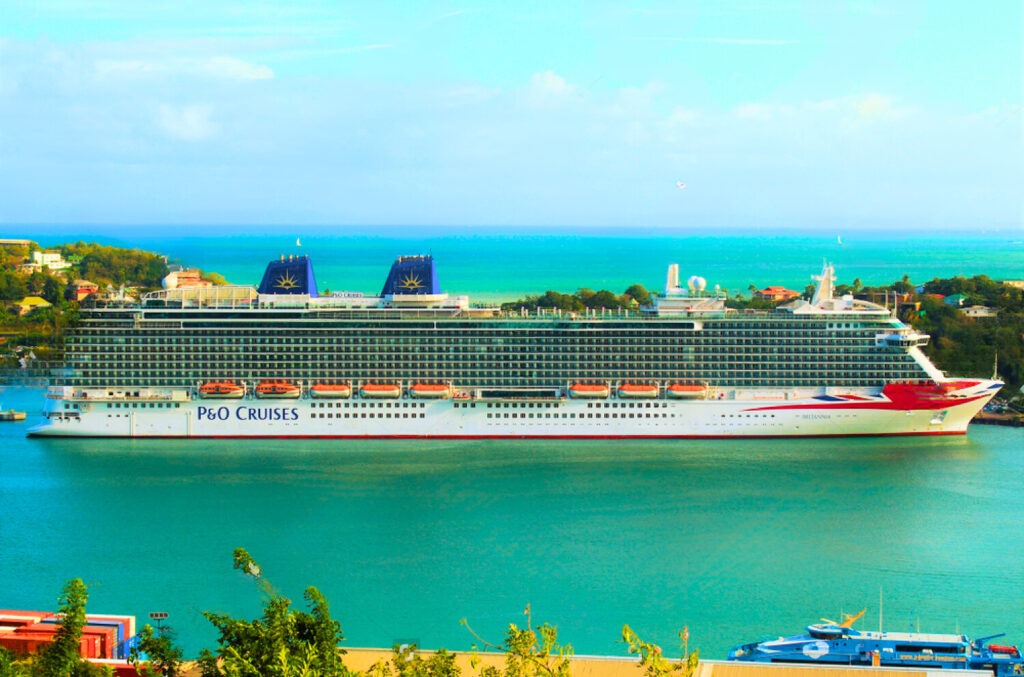
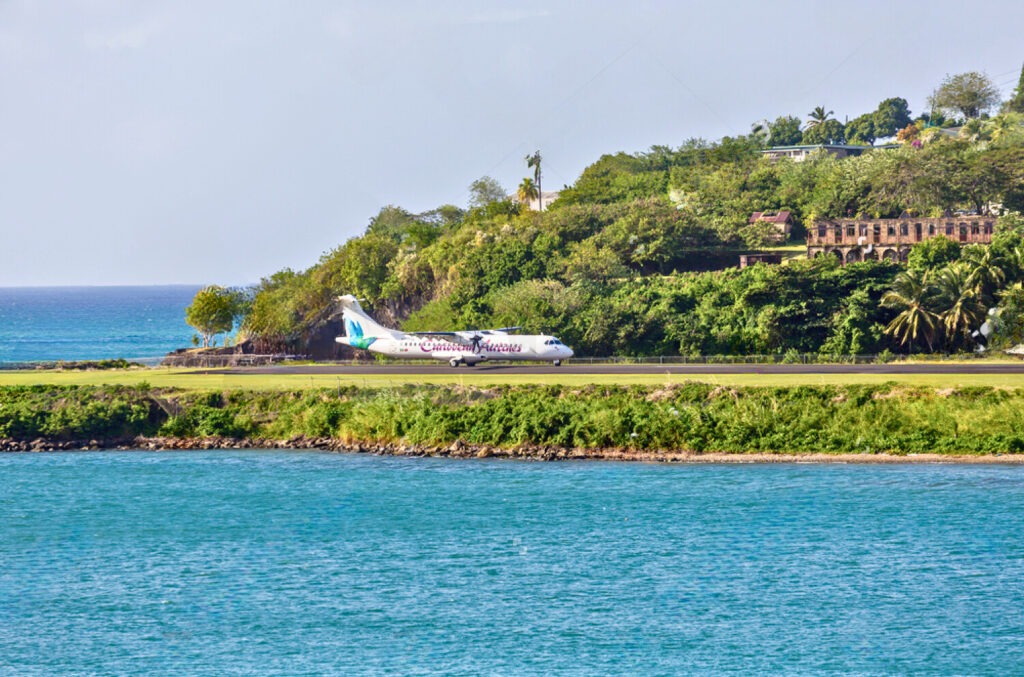
The tourism industry is supported by well-developed infrastructure, including Hewanorra International Airport and a network of roads and accommodations that facilitate access to various attractions. The government continues to invest in enhancing facilities and services to improve the tourist experience.

Services and Public Sector

The services sector, including retail, banking, and healthcare, is vital to the island’s economy, contributing to the residents’ quality of life and the island’s attractiveness for visitors.

Environmental Sustainability

Saint Lucia is increasingly focusing on environmental sustainability and conservation. Initiatives include protecting marine ecosystems, promoting eco-friendly tourism, and preserving the island’s natural resources. The government is committed to developing renewable energy sources and sustainable agricultural practices.

Saint Lucia
Saint Lucia
Saint Lucia

Historical Insights

From Settlement to Sovereignty

The island’s rich history has been shaped by various influences over the centuries:

  1. Early Settlements: The island was initially inhabited by the Arawak and Carib peoples before European colonization.
  2. Colonial Era: In the 17th century, the isand was contested by the French and British, resulting in numerous conflicts and changes in colonial authority.
  3. Emancipation and Cultural Shifts: The abolition of slavery in 1834 marked a significant turning point, leading to the emergence of a diverse cultural identity.
  4. Path to Independence: the island gained independence from Britain in 1979, becoming a sovereign nation while maintaining strong ties to the Commonwealth.
  5. Modern Developments: Today, Saint Lucia is known for its vibrant culture, stable political environment, and commitment to sustainable development.
Saint Lucia

What Makes Saint Lucia So Unique

  • Breathtaking Natural Landscapes: Home to the iconic Pitons and lush rainforests, Saint Lucia offers unparalleled natural beauty.
  • Rich Biodiversity: The island hosts a variety of endemic species and is a haven for nature enthusiasts and birdwatchers.
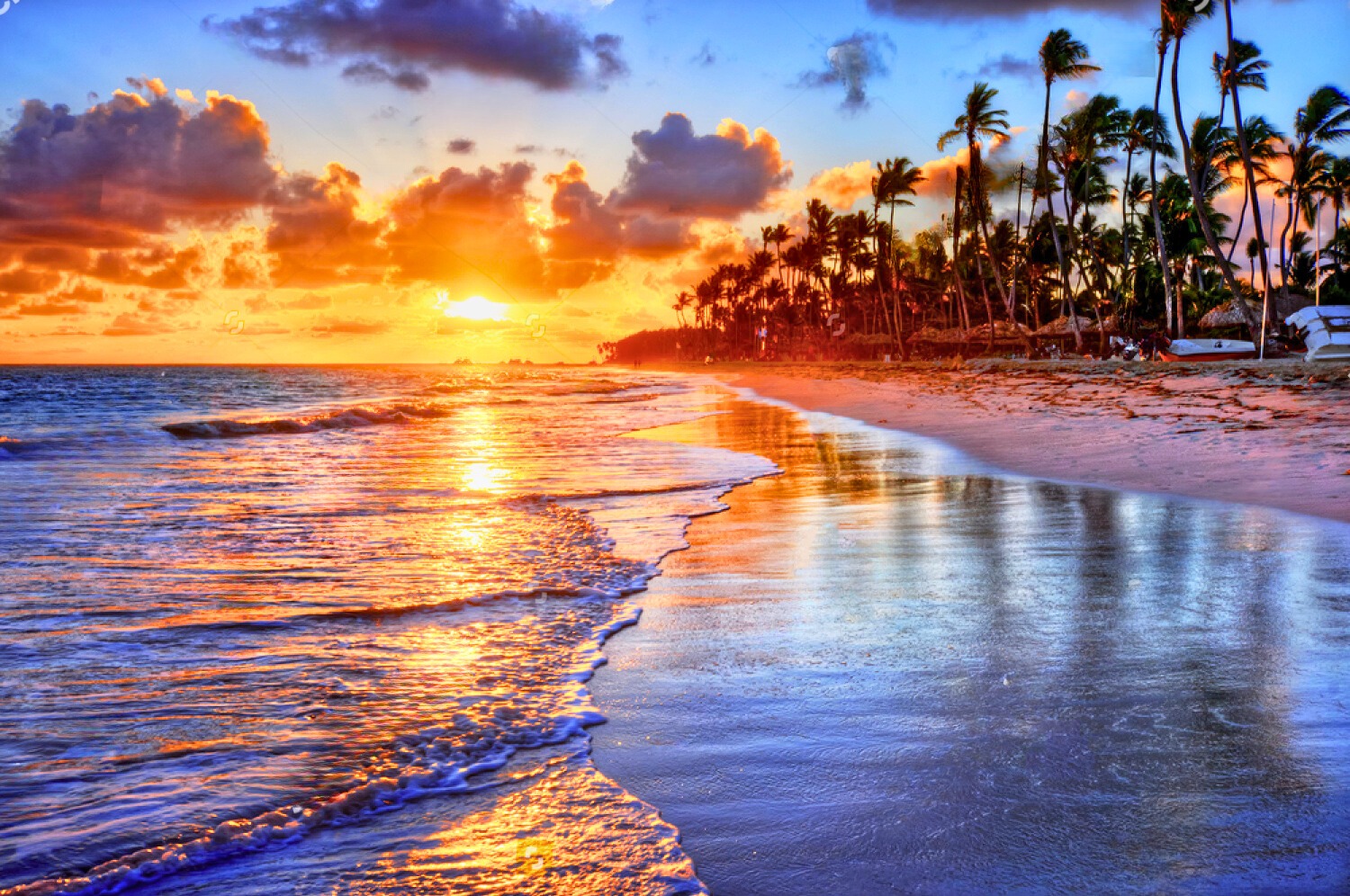
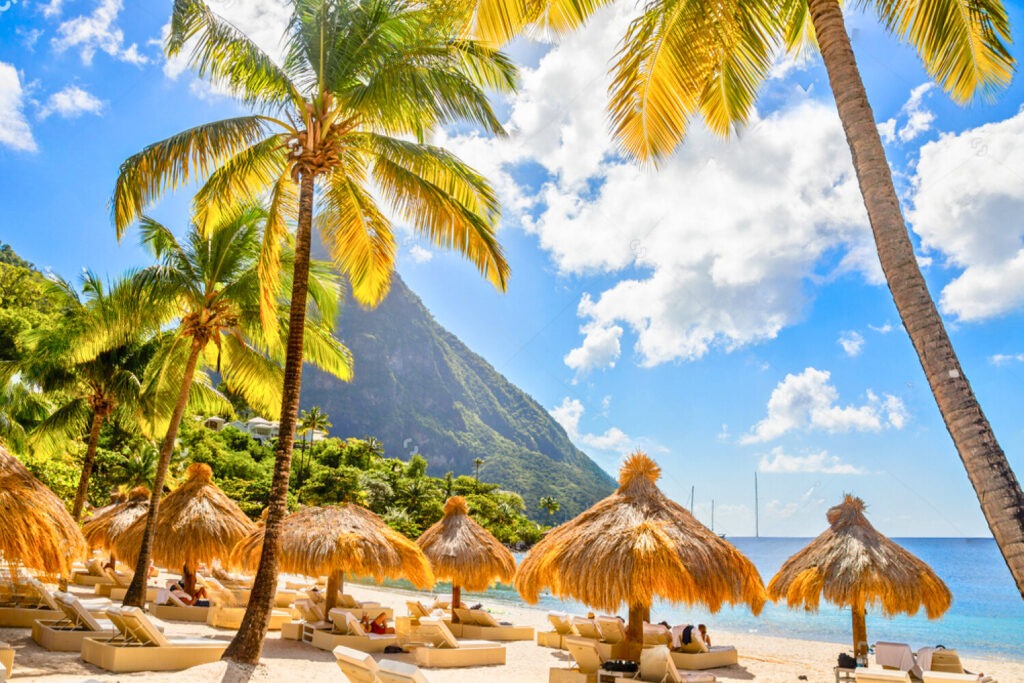
  • Stunning Beaches: With pristine beaches like Anse Chastanet and Reduit Beach, Saint Lucia is a paradise for sun-seekers and water sports lovers.
  • Cultural Heritage: A unique blend of indigenous, African, and European influences creates a rich cultural tapestry, evident in music, dance, and festivals.
  • Gastronomy: The island’s cuisine showcases fresh, local ingredients and traditional recipes, making it a culinary delight for visitors.
  •  

Places to visit in Saint Lucia

Events

Rhythms of Saint Lucia

Saint Lucia’s culture comes alive through its festivals and events, which highlight music, art, and culinary traditions:

  1. Independence Day (February 22): Celebrated with cultural events, parades, and public festivities.
  2. Saint Lucia Jazz & Arts Festival (May): A major cultural event featuring local and international artists.
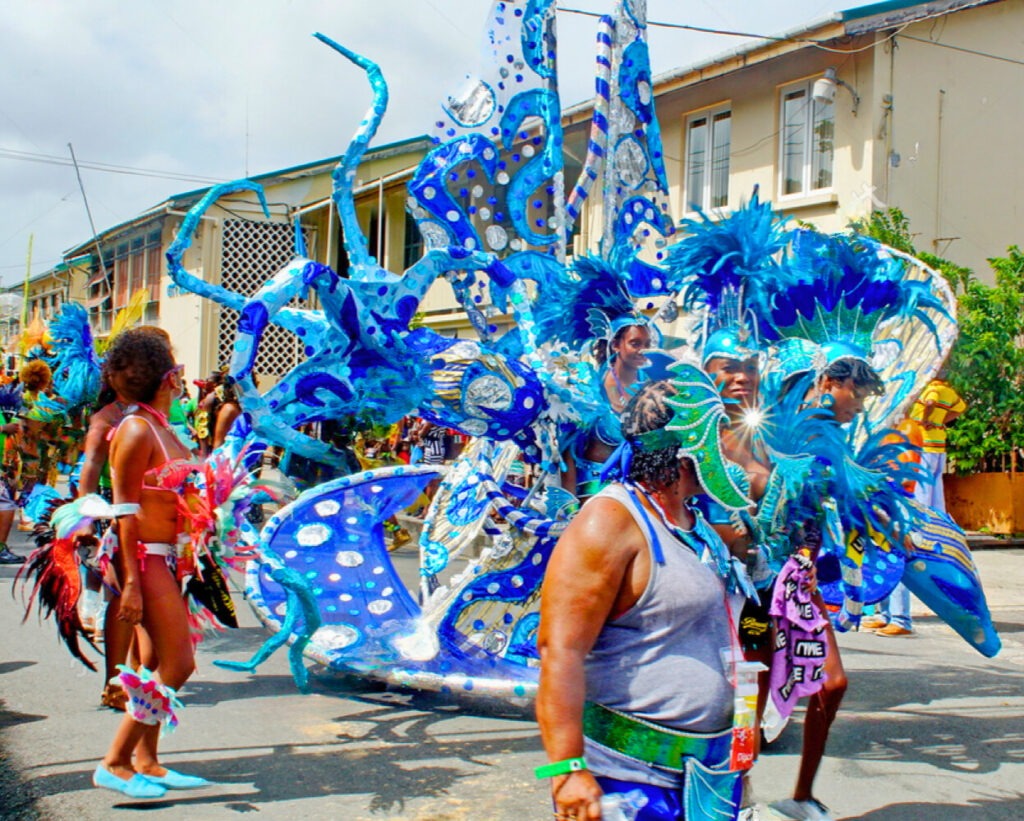
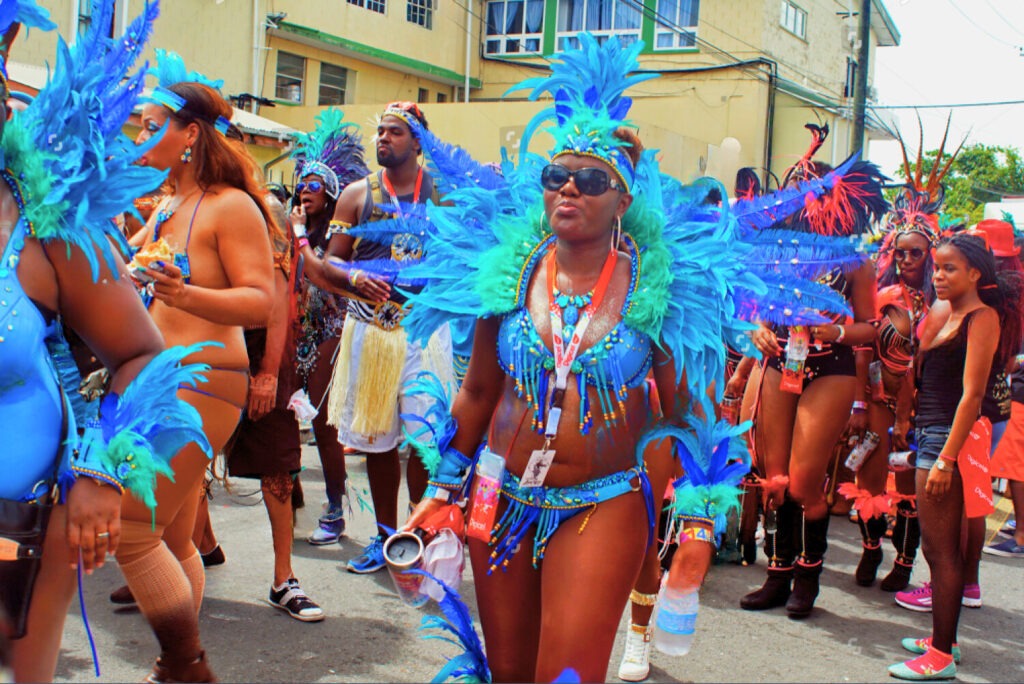
  3. Carnival (July): A vibrant celebration filled with parades, costumes, and music.
  4. Saint Lucia Food and Rum Festival (October): A gastronomic experience showcasing local cuisine and rum.
  5. Festival of Lights (December): A celebration of Christmas with parades and festive activities.

Directory

Saint Lucia Art Galleries Studios and Centers

Saint Lucia boasts a vibrant arts scene and numerous cultural venues:

  • The National Cultural Centre: A hub for performing arts hosting concerts, theater productions, and exhibitions.
  • The Saint Lucia Art Society: Promoting local artists and organizing exhibitions and workshops.
  • The Folk Research Centre: Preserving and promoting the island’s cultural heritage through research and events.

Museums and Heritage

Saint Lucia offers a range of museums that delve into its history and culture:

  • The Museum of Saint Lucia: Located in Castries, this museum highlights the island’s history, culture, and heritage.
  • The Morne Coubaril Estate: A historical plantation showcasing the island’s colonial past and sugar production.
  • The Derek Walcott Museum: Commemorating the Nobel laureate poet’s life and works, located in his childhood home.

Saint Lucia’s unique blend of natural beauty, rich culture, and welcoming spirit makes it a standout destination in the Caribbean, inviting visitors to explore its landscapes, savor its flavors, and engage with its vibrant heritage.

Leave a Reply

Your email address will not be published. Required fields are marked *

More articles from RK

Anse Chastanet
TOURISM
Tolotra

Anse Chastanet, an emblematic Saint Lucia bay between coral reefs and tropical forest

On the southwest coast of Saint Lucia, near the town of Soufrière, Anse Chastanet is one of the most remarkable sites on the Caribbean coast. This bay, bordered by tropical hills and facing the Caribbean Sea, combines a preserved natural environment, a discreet historical heritage and one of the island’s most accessible reefs. Today, Anse Chastanet is an ideal vantage point for travellers with a keen eye for the landscape and marine life of the Caribbean islands. A natural bay in the heart of Saint Lucia’s volcanic coastline Anse Chastanet lies a few kilometers north of Soufrière, on a stretch of coast dominated by volcanic relief and tropical forests. The landscape is characteristic of this part of Saint Lucia: steep hills covered in vegetation, a deep sea close to shore and, offshore, the silhouette of the Pitons, two volcanic mountains listed as a UNESCO World Heritage Site. The bay itself

Read More »
Minerva Mirabal
HISTORY & HERITAGE
Tolotra

Dominican Republic – Minerva Mirabal: 100 years after her birth, the story of a woman who dared to defy the Trujillo dictatorship

On March 12, 1926, Minerva Mirabal was born in the Dominican Republic. Minerva MirabalA woman whose name remains inextricably linked to the country’s political history, and to the global memory of the struggle against violence and authoritarianism. A century later, her story continues to cross generations, far beyond the Dominican borders. Lawyer, activist and opponent of Rafael Trujillo’s dictatorship, Minerva Mirabal was one of the central figures in an underground movement that opposed one of the most repressive regimes in the Caribbean in the 20th century. Her assassination on November 25, 1960, along with her sisters Patria and María Teresa, marked a turning point in Dominican history. Today, this date is associated with the International Day for the Elimination of Violence against Women, recognized by the United Nations. Retracing the path of Minerva Mirabala hundred years after her birth, helps us understand how a woman from a rural Dominican background

Read More »
 CMA CGM
MARITIME
Tolotra

What if the new maritime connectivity also changed the Caribbean’s cultural influence?

Facing an illuminated 6,000 TEU vessel operating in the middle of the night, on the ninth floor of the Poséidon, with a bird’s eye view of the Fort-de-France terminal, the launch of the PCRF XL maritime service supported by CMA CGM offered a revealing scene of the transformation underway. Under the terminal’s spotlights, port straddlers and containers move to the rhythm of night-time operations, providing a glimpse of the logistical infrastructure that links Martinique to the rest of the world on a daily basis. But behind this port mechanism lies a broader question: what if these new maritime routes, beyond transporting goods, were also helping to redefine the place of Caribbean territories in the region’s economic and cultural exchanges? On a regional scale, these connections could also facilitate the organization of traveling exhibitions, as well as the transport of works, instruments or audiovisual productions between islands – a logistical reality

Read More »

conTACT RK

we'd love to have your feedback on your experience so far

Join The List

Join our Richès Karayib community!  Sign up for our newsletter.

Want To Maximize Your Business Presence On Riches Karayib?

Complete the form to start the application