Historical Sites of Cuba: A Precious Heritage to Preserve

Historical Sites of Cuba

Cuba, the largest island in the Caribbean, is a true treasure trove of culture, history, and architecture. From colonial cities to remnants of past revolutions, the island offers a multitude of historical sites of Cuba that testify to its rich heritage. In this article, we will explore these iconic sites, the importance of their preservation, and the challenges they face, as well as the efforts being made to safeguard this invaluable cultural legacy.

The Importance of Preserving Historical Heritage

Preserving historical sites of Cuba is crucial for maintaining a countryโ€™s cultural identity. In Cuba, these sites are not merely remnants of the past; they are living witnesses to the island’s complex history, its struggles, triumphs, and the diversity of its cultural influences. Additionally, the conservation of these locations contributes to local economic development, particularly through tourism. Tourists flock to Cuba to experience its culture, and historical sites of Cuba play a significant role in attracting visitors, which in turn supports local economies.

The preservation of historical sites of Cuba also fosters a sense of pride among local communities. By maintaining their cultural heritage, Cubans can connect with their roots and share their stories with future generations. This connection is vital for cultural sustainability, ensuring that traditions and values are not lost over time.

Iconic Historical Sites of Cuba

ย Old Havana (Habana Vieja)

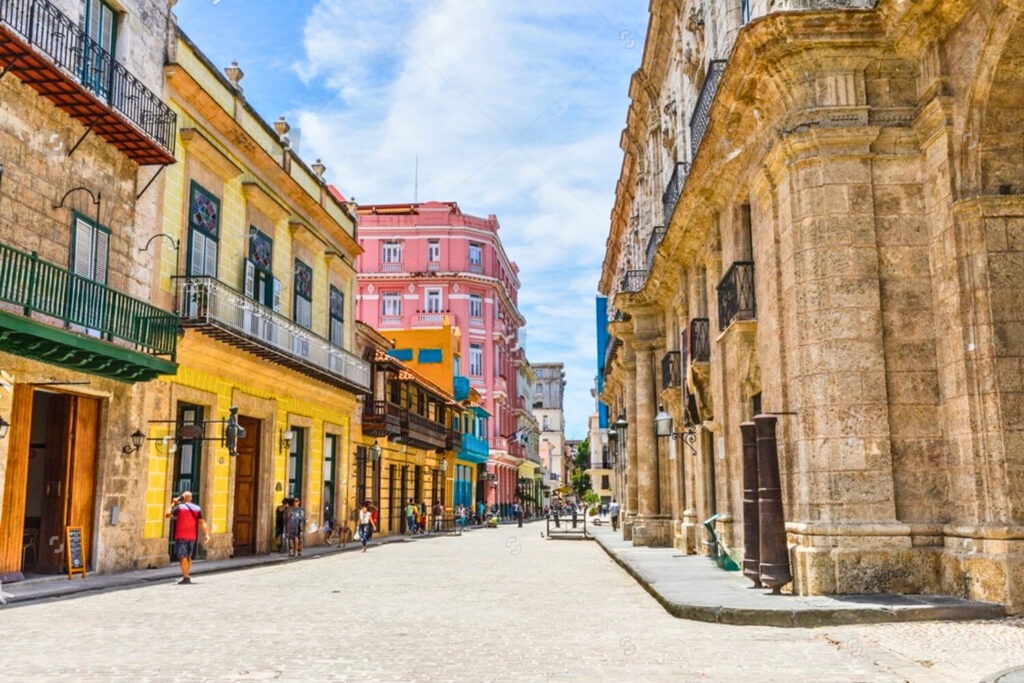
  • Old Havana, a UNESCO World Heritage site, is a striking example of Spanish colonial architecture. Its cobblestone streets, colorful buildings, and lively squares narrate the city’s history since its founding in 1519. Notable sites such as Plaza de Armas, Castillo del Morro, and the Cathedral of Havana are must-sees for anyone wishing to grasp the history of Cuba. Ongoing restoration and conservation efforts aim to preserve this living heritage.
  • ย 
  • Visitors to Old Havana can immerse themselves in the local culture by exploring artisan markets, enjoying traditional music, and tasting authentic Cuban cuisine. The atmosphere, combined with the historical significance of the area, makes it a unique destination for travelers.
Historical sites of Cuba
A view of the streets of Old Havana, showcasing the charming architecture and lively
historical sites of cuba
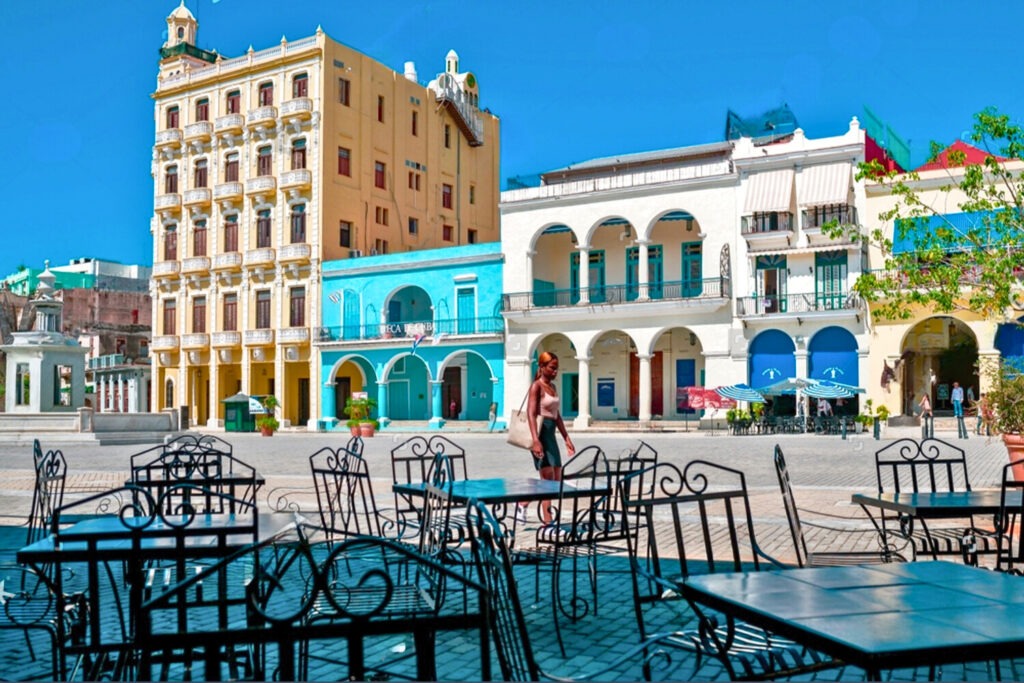
A picturesque view of a lively plaza in Havana, showcasing colorful buildings and outdoor seating.

Trinidad

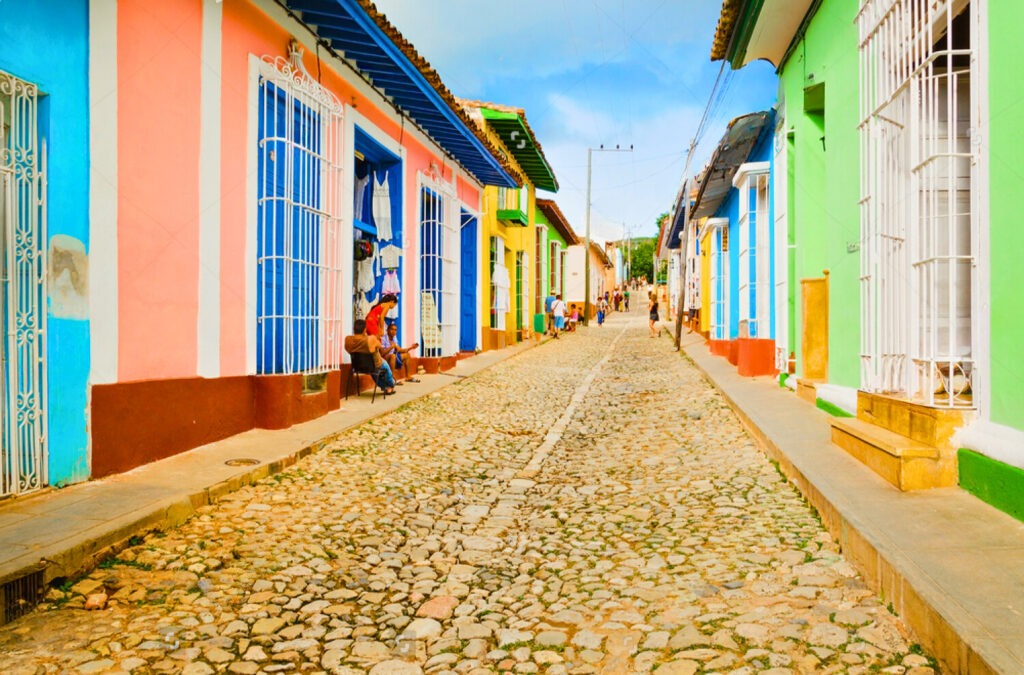
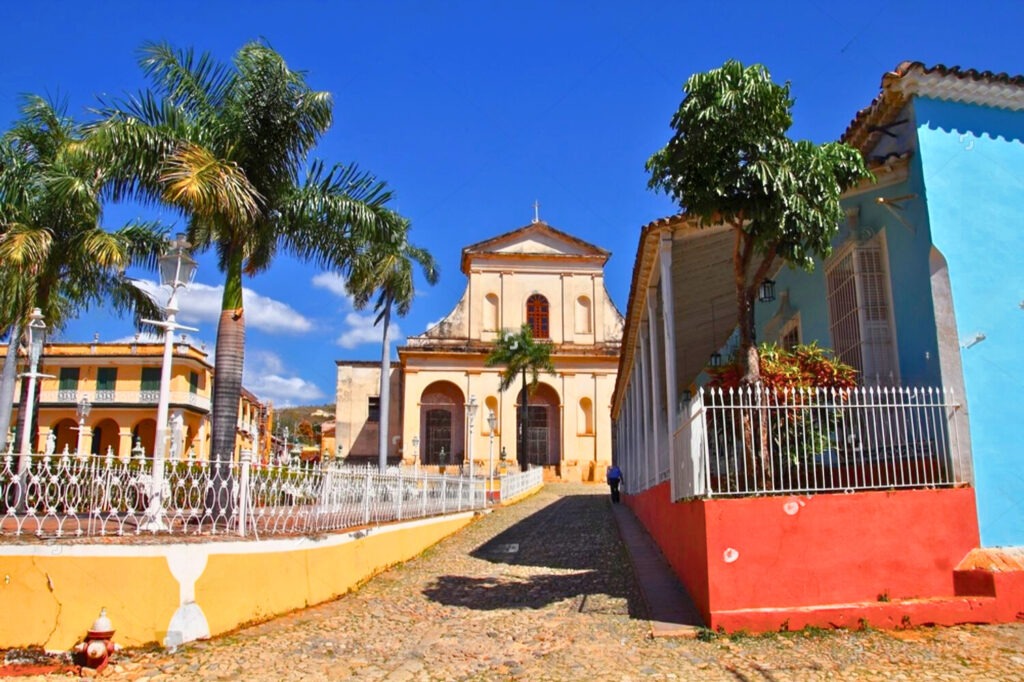
  • Trinidad, also a UNESCO World Heritage site, is a town that seems frozen in time. Its well-preserved colonial houses, winding streets, and numerous museums make it a fascinating destination for visitors. The town reflects the peak of the sugar industry in Cuba and the influence of African slaves on local culture. Preserving Trinidad is essential not only for the history of Cuba but also for the collective memory of the region.
  • ย 
  • In Trinidad, the Plaza Mayor serves as the heart of the town, where visitors can admire the neoclassical architecture of the Palacio Cantero and the Iglesia y Convento de San Francisco. The town’s cobblestone streets are lined with galleries and workshops showcasing local artisans, offering a glimpse into the rich artistic traditions of Cuba.
historical sitesof Cuba
A colorful cobblestone street in Trinidad, showcasing the architecture and local life.
historical sites of Cuba
A view of a plaza in Trinidad, featuring palm trees and colorful colonial architecture.

ย Viรฑales Valley

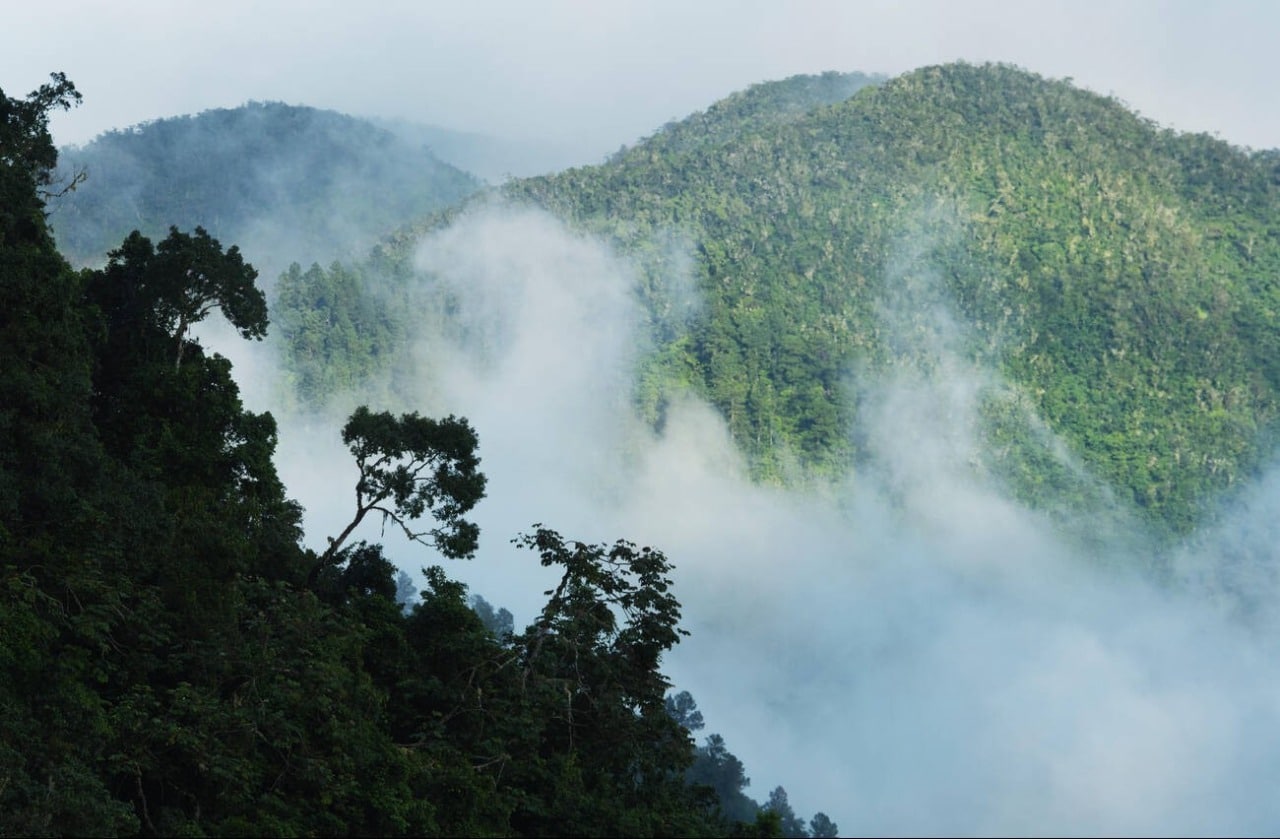
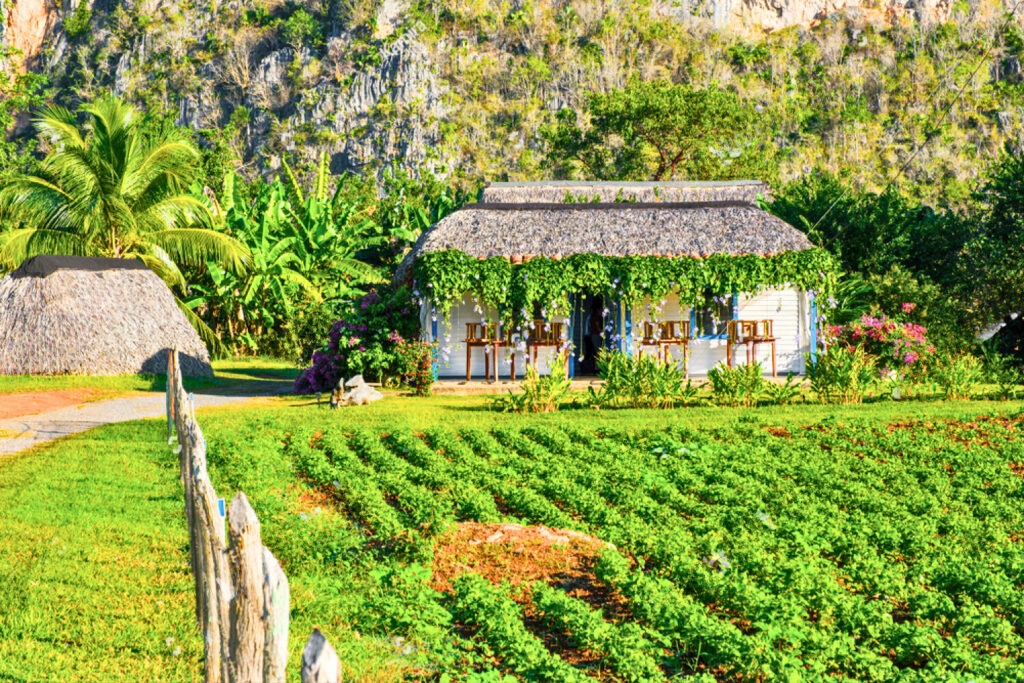
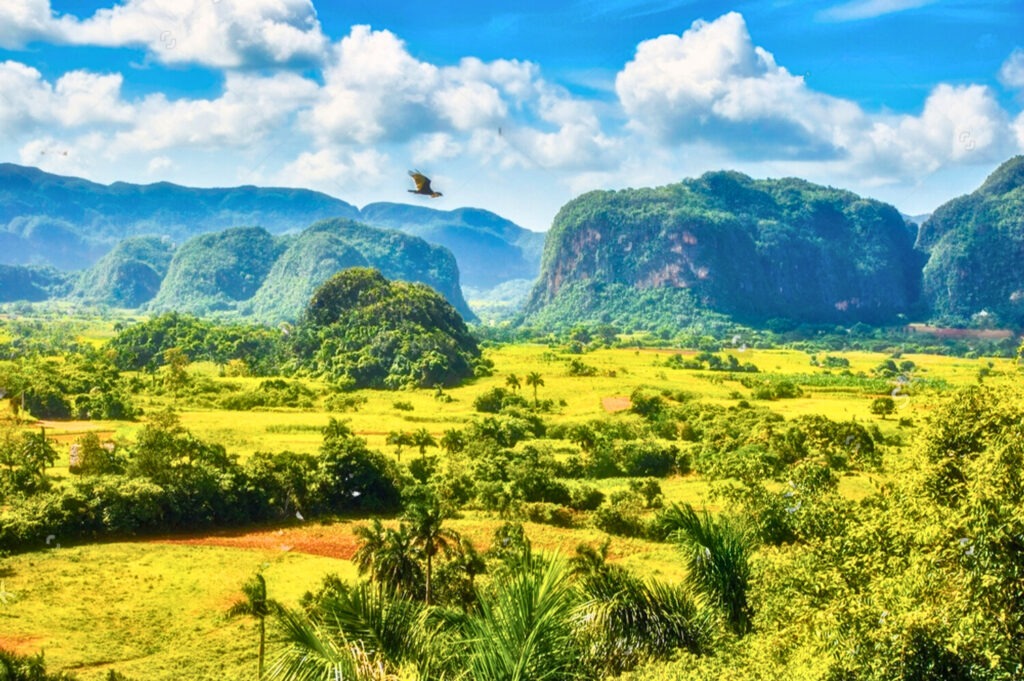
  • Viรฑales Valley, known for its breathtaking natural landscapes, also houses significant archaeological and historical sites of Cuba. The mogotesโ€”unique geological formations are surrounded by tobacco plantations and remnants of ancient cultures. Preserving this valley is paramount to protect not only biodiversity but also the agricultural traditions of the region.
  • ย 
  • The valley is recognized not only for its stunning beauty but also for its role in Cubaโ€™s tobacco production. Visitors can take guided tours of tobacco farms to learn about the traditional methods of cultivation and cigar production, gaining insight into a critical aspect of Cuban heritage.
historical sites of Cuba
A picturesque view of a rustic farmhouse surrounded by lush greenery and agricultural fields in Viรฑales.
historical sites of Cuba
A panoramic view of the lush Viรฑales Valley, showcasing its iconic limestone mountains and greenery.

Santiago de Cuba

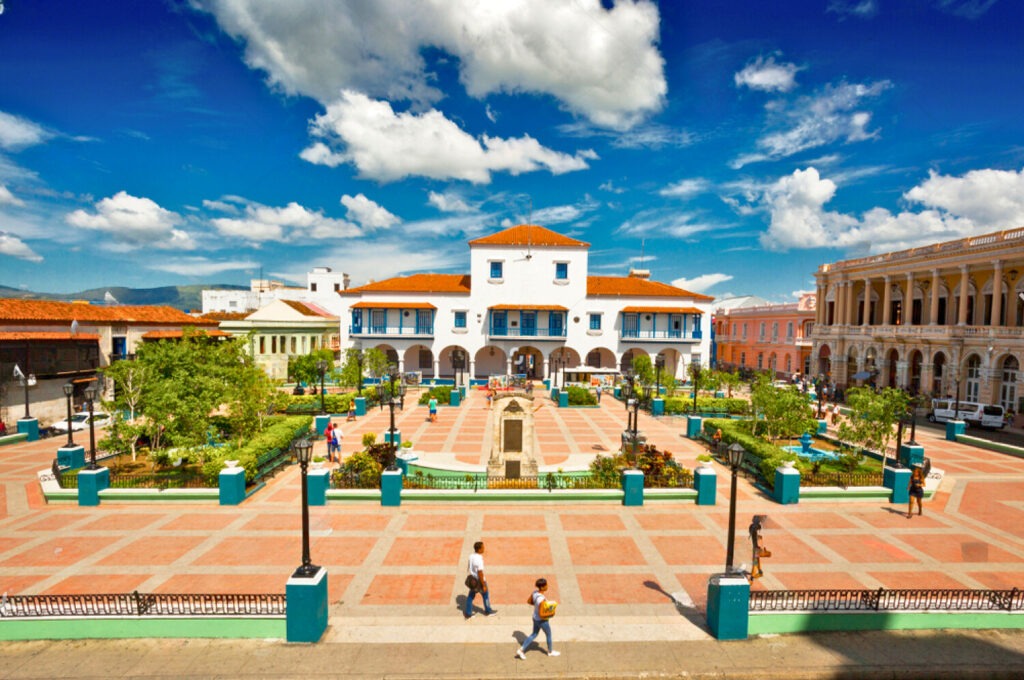
  • Santiago de Cuba, the island’s second-largest city, has been the scene of many major events in Cuban history. The Castillo del Morro, overlooking the bay entrance, symbolizes Cuba’s resistance against foreign invaders. Cultural festivals held here, such as the Santiago Carnival, manifestations of the cityโ€™s African and Spanish heritage. Safeguarding these cultural elements is vital for preserving local identity.
  • ย 
  • Santiago de Cuba is also known for its rich musical heritage, being the birthplace of genres like son and salsa. Visitors can experience live music in local venues and participate in dance festivals, deepening their understanding of the city’s cultural significance.
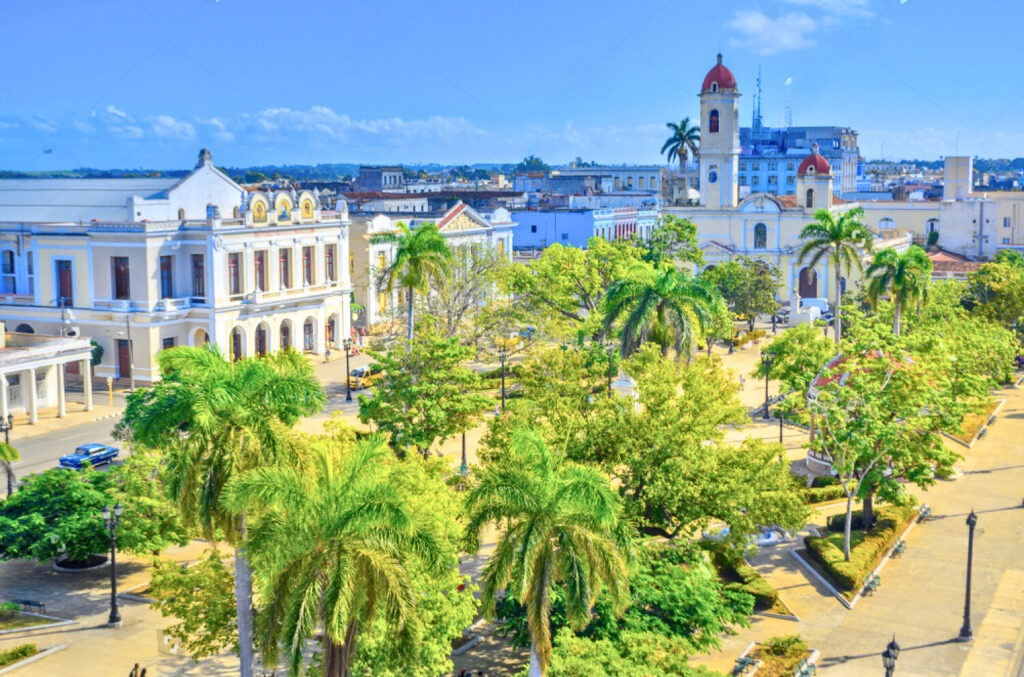
historical sites of Cuba
A lively view of the main square in Santiago de Cuba, showcasing beautiful architecture and greenery.
historical sites of Cuba
A view of the Plaza de la Revoluciรณn, featuring lush greenery and historic buildings in Santiago de Cuba.

Fort San Carlos de la Cabaรฑa

  • Located in Havana, this fortress illustrates 18th-century Spanish military architecture. It played a crucial role in defending the city against pirate attacks and was the site of Che Guevara’s famous expedition in 1959. Today, it houses museums and cultural events, but preserving its structure is essential for maintaining its living history.
  • ย 
  • The fortification also hosts nightly cannon firings, a tradition that dates back to colonial times. This event attracts both locals and tourists, offering a unique opportunity to witness a piece of history in action.
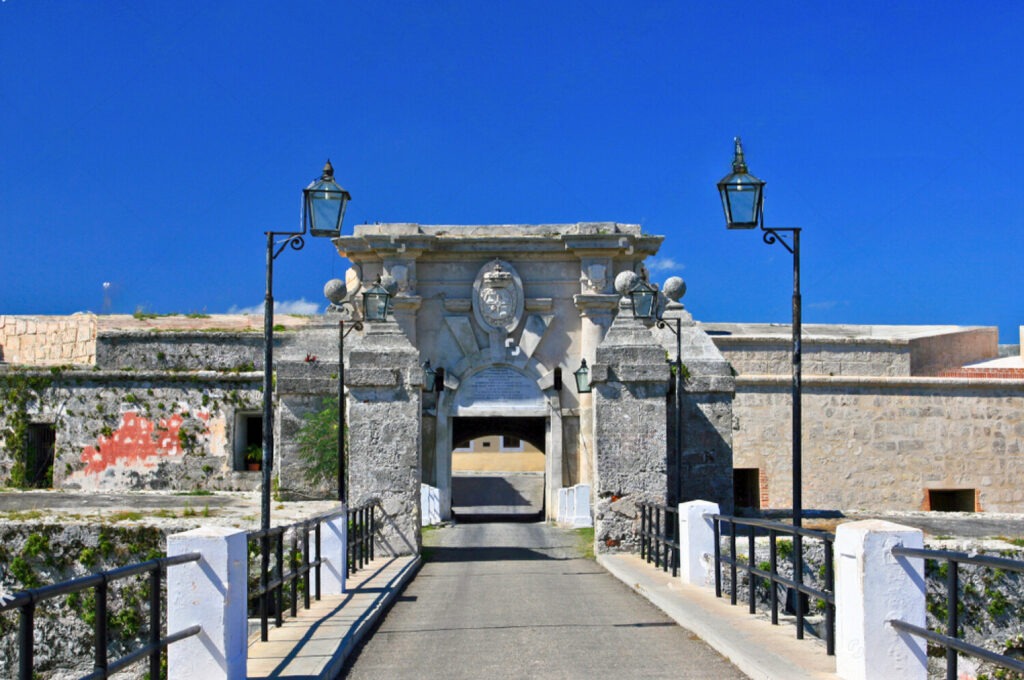
historical sites of Cuba
The historic entrance to Castillo del Morro, with its impressive stone archway and surrounding walls.
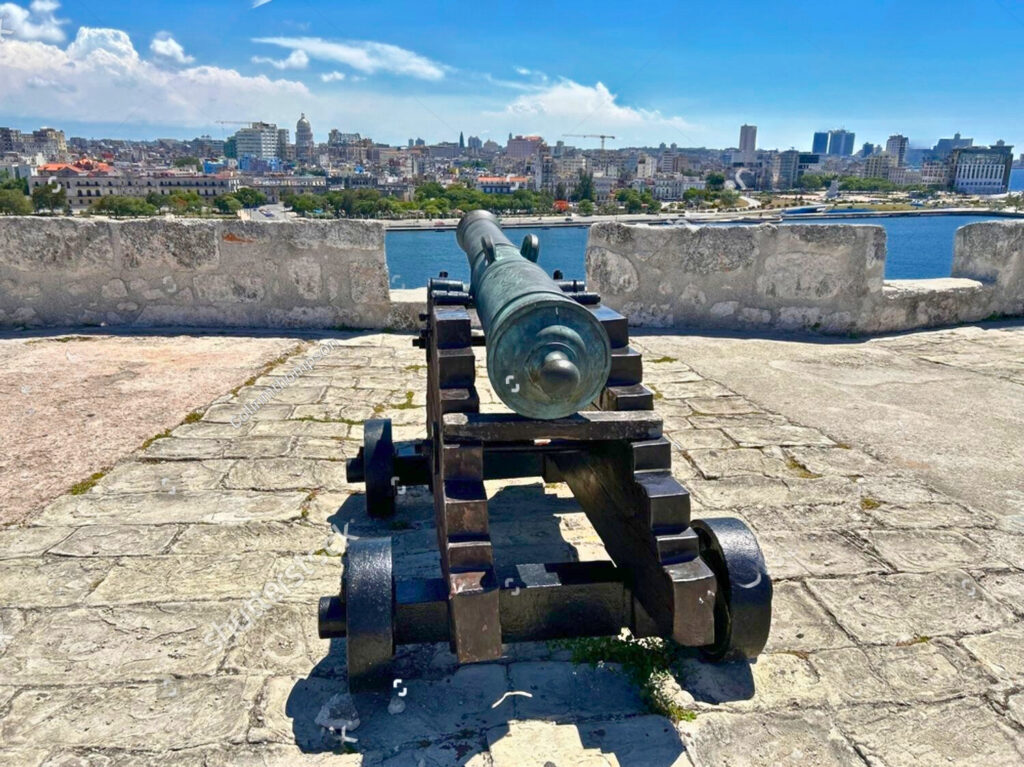
historical sites of Cuba
A historic cannon overlooking the bay from Castillo del Morro.

Preservation Initiatives

Governmental and non-governmental organizations work together to safeguard the historical sites of Cuba. Restoration projects, educational programs, and community initiatives are implemented to raise awareness among Cubans and visitors about the importance of conservation of the historical sites of Cuba. Collaboration between local authorities and international organizations can strengthen these efforts.

For example, UNESCO has been involved in various initiatives to support the preservation of Cuban heritage. Local communities are also encouraged to participate in these efforts, fostering a sense of ownership and responsibility for their cultural heritage.

The historical sites of Cuba are more than mere tourist attractions; they are witnesses to the history, culture, and struggles of the Cuban people. Preserving this heritage is essential not only for national identity but also for local pride and global recognition. The safeguarding of the historical sites of Cuba is a collective mission that represents the memory of our region and a legacy to be passed down to future generations.

It is our responsibility to ensure that these cultural treasures are protected and valued for years to come. By fostering sustainable tourism and community involvement, we can create a future where Cuba’s rich history continues to thrive and inspire.

Leave a Reply

Your email address will not be published. Required fields are marked *

More articles from RK

Andros
TOURISM
Tolotra

Andros: 178 blue holes, 162 kmยฒ of protected area, an island with a hole through it

In Andros, the water doesnโ€™t just surround the islandโ€”it opens it up. With 178 documented blue holes on land, at least 50 at sea, and 162 kmยฒ protected by the Blue Holes National Park, this Bahamian island tells its story through its depths as much as through its shores. An island cut through by water On Andros, the landscape may seem simple at first glance. Pine trees, mangroves, quiet roads, scattered villages, and the clear waters of the Bahamas. But beneath this tranquil surface, the island hides something else: a network of blue holesโ€”deep water openings that lead to caves and underground passages. So when visitors arrive near Captain Billโ€™s Blue Hole, they arenโ€™t just looking at a round pool surrounded by trees. Theyโ€™re looking at a gateway. Beneath it, the water tells a story older than the beachesโ€”a story of limestone, rain, rising seas, and caves that filled up

Read More ยป
MiBelBoat
MARITIME
Tolotra

MiBelBoat Wins Award at VivaTech 2026 for Connecting the Caribbean Boating Industry

In Paris, amid startups and major tech events, an idea that originated in Martinique has just received national recognition. MiBelBoat was honored on June 17 at VivaTech 2026 as part of France Travailโ€™s first โ€œChallenge Innovโ€™ Outre-Mer.โ€ The startup aims to use artificial intelligence to better connect travelers, water sports operators, and maritime professionals in the Caribbean. An award for a startup from Martinique VivaTech 2026 is taking place June 17โ€“20 at Paris Expo Porte de Versailles. For MiBelBoat, its participation in this trade show took on special significance right from the first day. The Martinique-based platform received the โ€œTechnology Passportโ€ award during the awards ceremony for the Challenge Innovโ€™ Outre-Mer, organized by France Travail. The project is led by Alexis Mompert and Aurรฉlien Filin. Their goal is simple to state but more complex to achieve: to provide the Caribbean boating industry with a digital tool capable of connecting offerings,

Read More ยป
Izaline Calister
MUSIC
Tolotra

Izaline Calister: The Voice of Curaรงao Who Sings in Papiamentu

For Izaline Calister, a performance often begins with a language. Even before jazz, before the arrangements, before European recognition, there is this simple yet powerful choice: to sing in Papiamentu, the language of Curaรงao. Her voice is a memory, a rhythm, a way of inhabiting the world. Born in Curaรงao in 1969, Izaline Calister has forged a unique path between the Dutch-speaking Caribbean and the Netherlands. As a singer, composer, and lyricist, she has established Papiamentu as a musical genre in its own right. Her story also raises a broader question: how can a minority language spread without losing its roots? A Childhood Between Voices and an Island Before the big stages, thereโ€™s Curaรงao. An island where languages intersect every day. Papiamentu coexists there with Dutch, English, and Spanish. But on the street, within families, and in certain aspects of cultural life, Papiamentu remains a language of intimacyโ€”a language of

Read More ยป

conTACT RK

we'd love to have your feedback on your experience so far

Join The List

Join our Richรจs Karayib community! ย Sign up for our newsletter.

Want To Maximize Your Business Presence On Riches Karayib?

Complete the form to start the application