

MARTINIQUE : YONI ALPHA, The man “PAILLE”

Paille

Richès Karayib Introduces Yoni Alpha, Better Known by His Artist Name “Paille” – The Man “Paille”

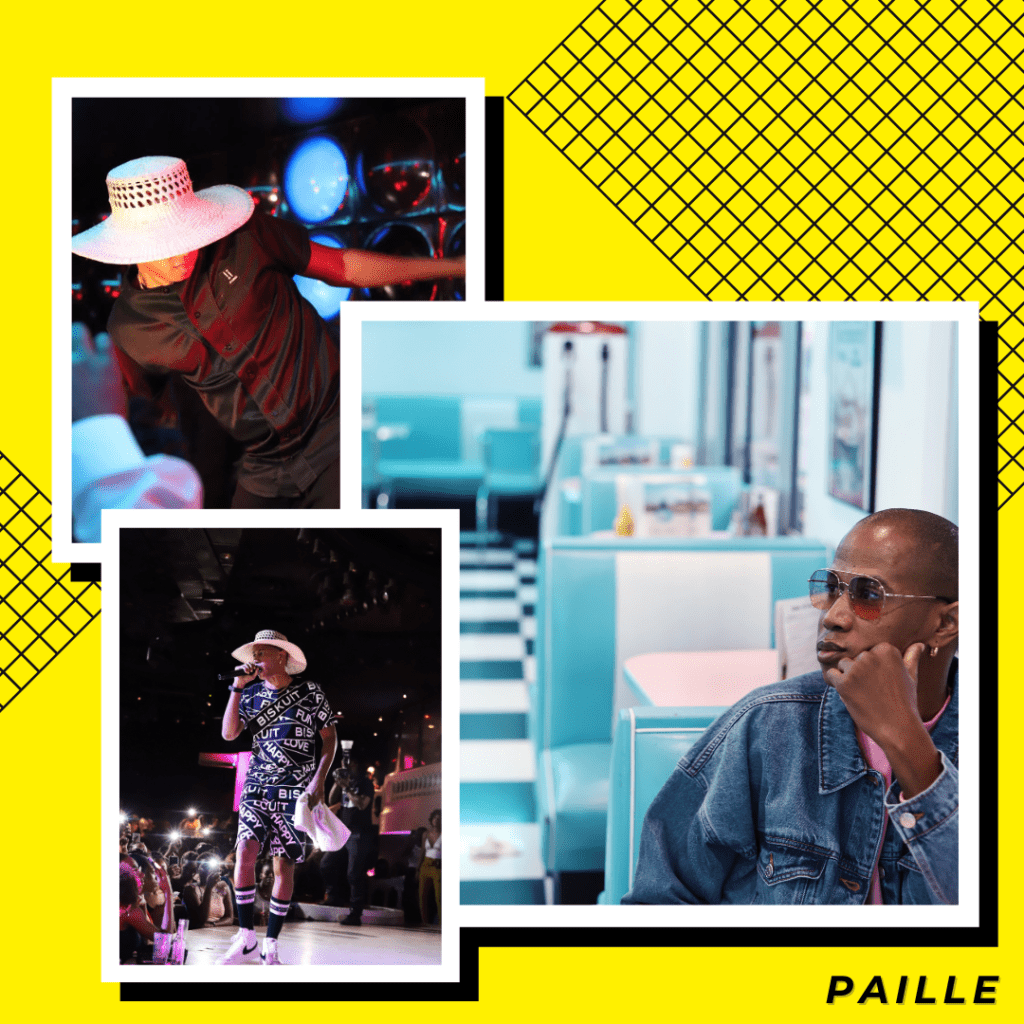
Paille, a masterful singer-songwriter of Reggae-Dancehall from Martinique, has made a significant mark over the past 20 years with his compelling musical narratives and performances. His career showcases a notable evolution in musical style and thematic depth. With each album and song, he brings thoughtful production and lyrical maturity, consistently addressing complex subjects with a unique artistic voice.

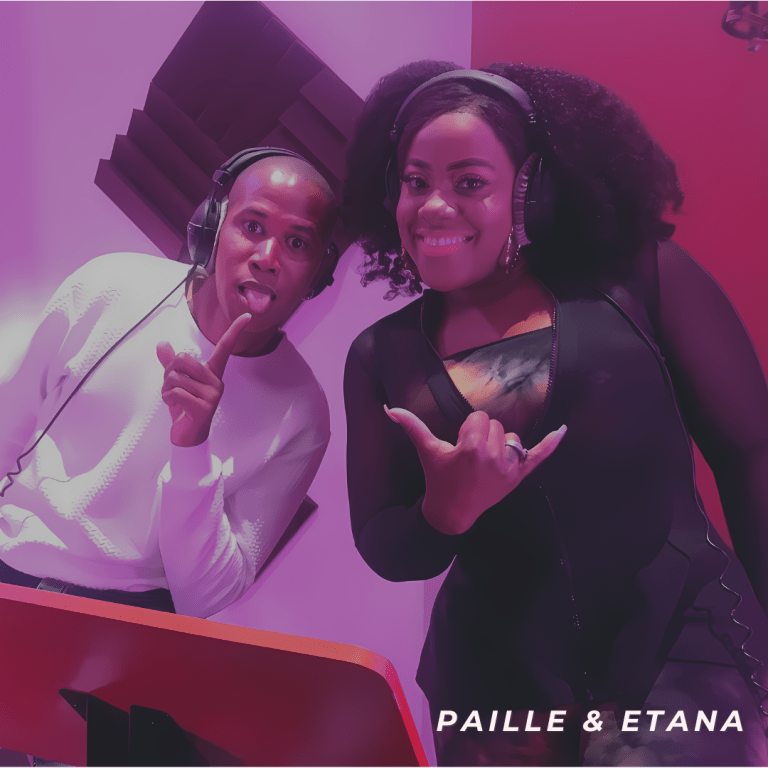
Throughout his illustrious career, Paille has collaborated with a broad spectrum of Caribbean talents, including legends like Kassav and contemporary stars such as Etana, Konshens, Anthony B, Meryl, Straïka D, and the notably talented DJ Avalanche. These collaborations have not only enhanced his musical repertoire but also expanded his influence across Caribbean cultures, solidifying his status as a Caribbean artist.

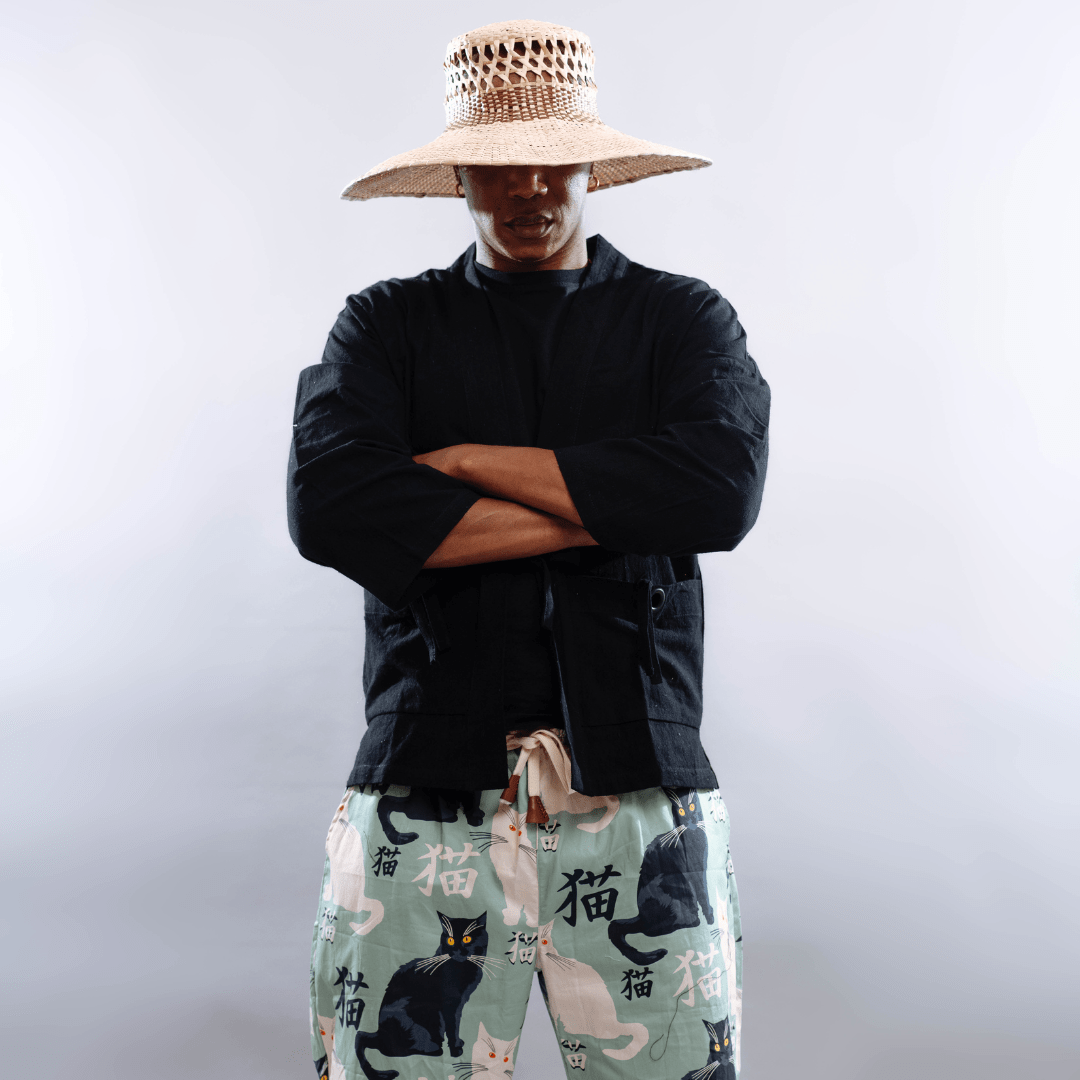
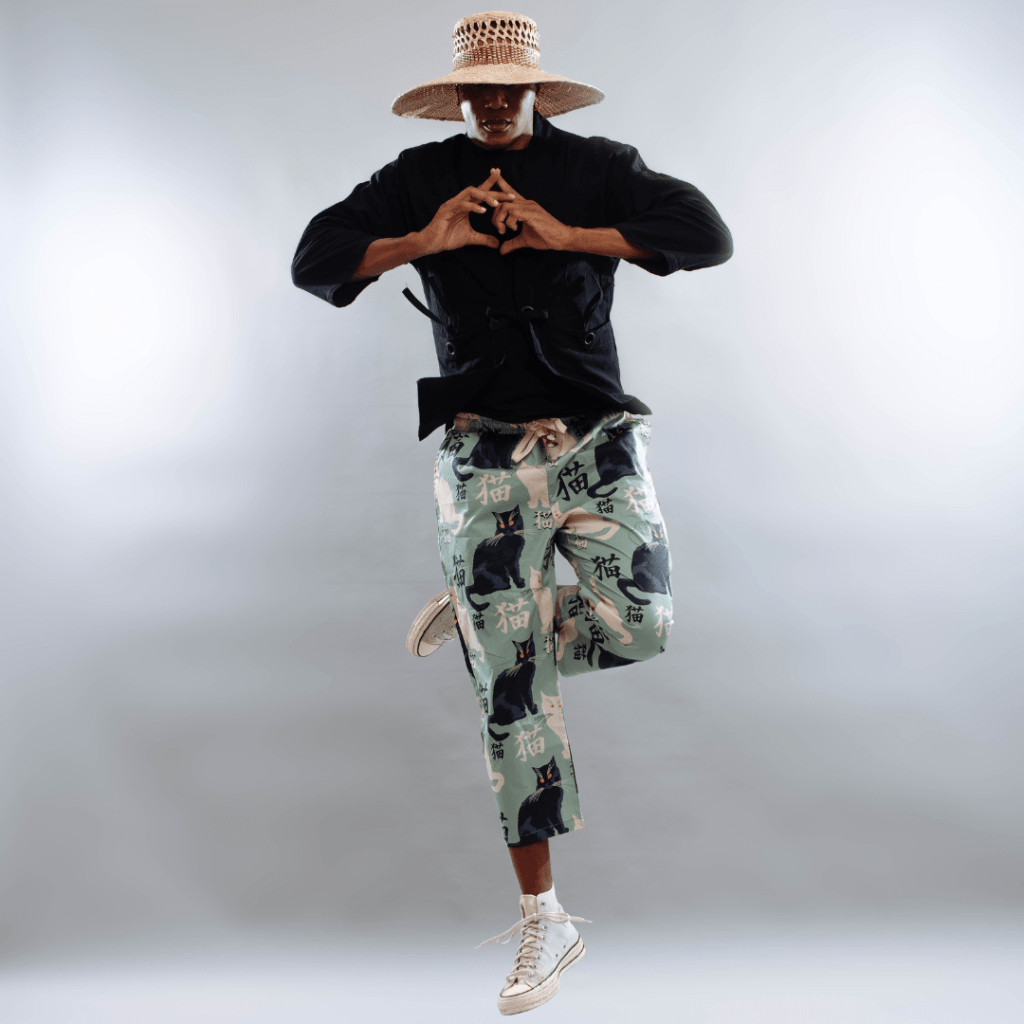
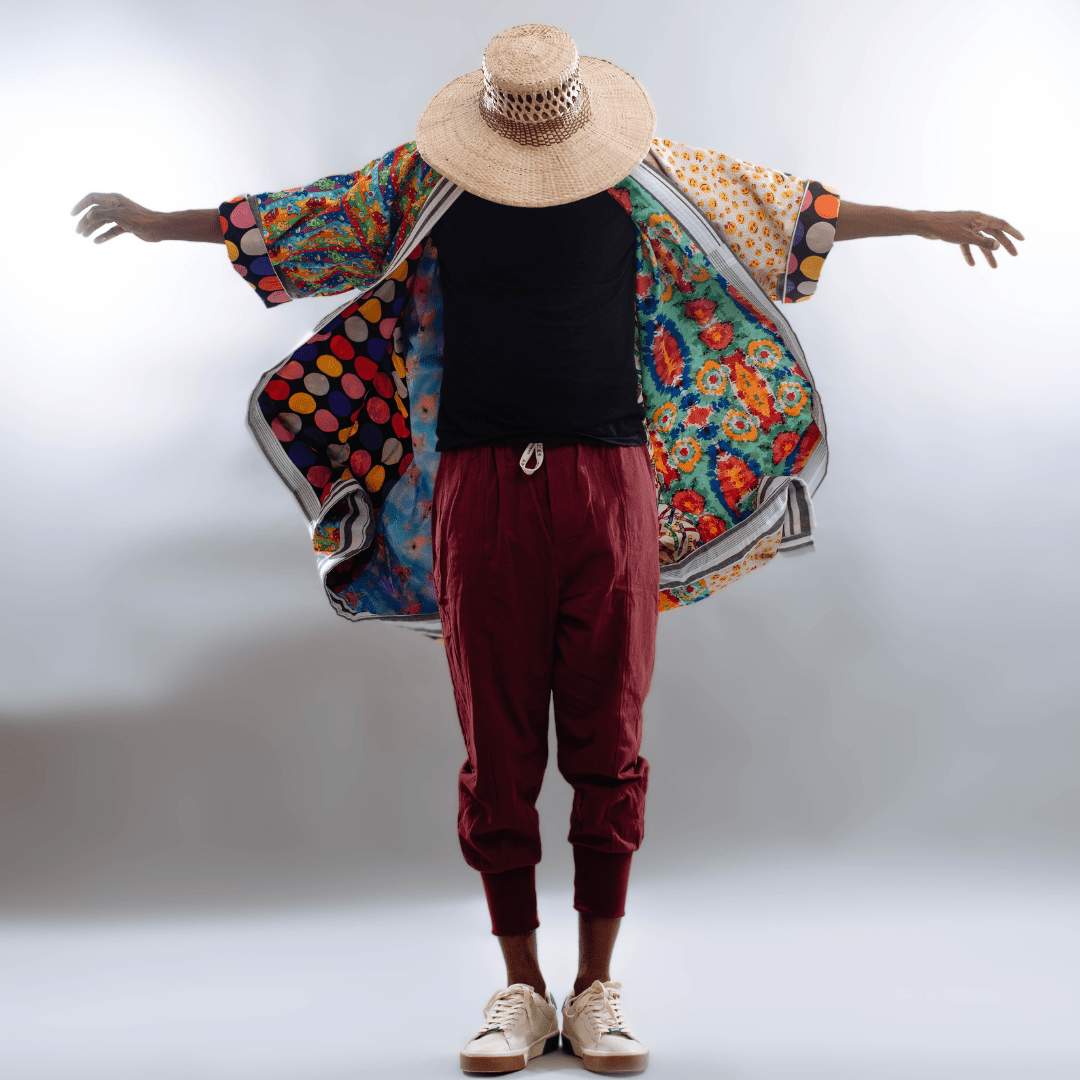
Join us as we delve deeper into the life and music of The Man “Paille,” who intriguingly hides behind his straw hat. Discover the significant impact he continues to have across the Caribbean music landscape and look forward to exploring his latest musical ventures in the sections that follow.

WHO I AM

I am called PAILLE since 1997, it’s a nickname that basically has nothing to do with music, it came from the expression “Boulé An Pay” (which means drunk in creole) and as I had some experiences with alcohol during my youth the nickname remained and became PAILLE, my artist name.

We laugh about it now but at the time it was not fun.

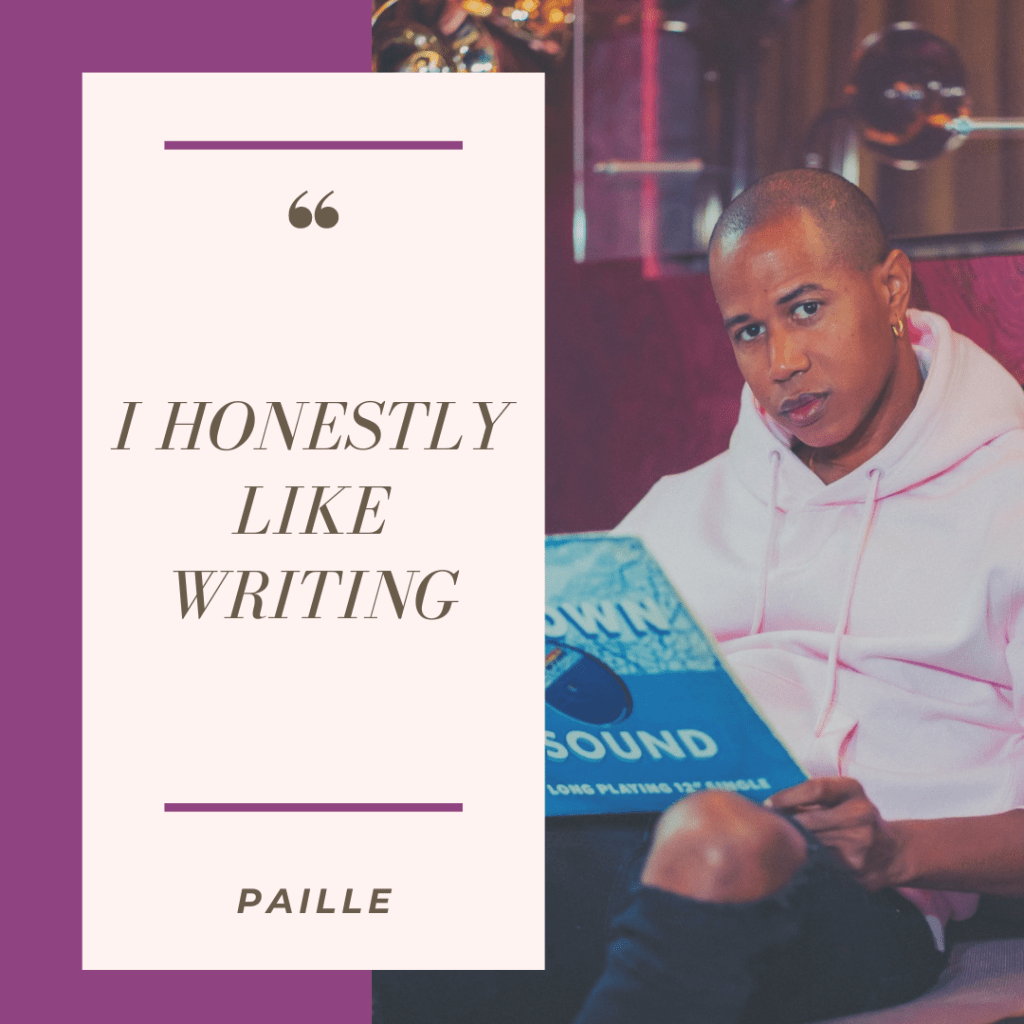
I sing more Dancehall, Raggae, Hip Hop, but honestly I like writing, no matter the kind of music, no matter what the tempo is.

I like the storytelling logic and rap, Dancehall do it well.

There are lighter music, which will be interesting for their musical qualities like zouk, but which are also necessary at times, it depends of the mood, period … and lots of things.

MY BEGINNINGS

I believe I’ve always been someone who hums and mutters lyrics I wrote myself. Even back in school, I’d find myself on stage, belting out the few lines I had penned.

Then, around 2000-2001, I ended up in Byronn’s studio quite by chance, and we tried out a ‘little something’. I wasn’t pleased with the outcome because I really struggled to express what I had in my head through the microphone.

I wanted to get better, so I started going to the studio more and more, until soon it was all I did…

And then, things took off.

First Song

“PA SA PALÉ BAY,” but not in the form it’s known today.

The Ones I Prefer

Once they’re released, the songs aren’t mine anymore. You have to be passionate about what you’re doing as you’re doing it.

That said, some songs are more enjoyable to write because the ideas flow better or the perspective on the issue seems more intriguing.

However, I’m naturally more motivated by the ones yet to come, as I’ll be listening, revising, searching for the right word, the right way to pronounce, rather than those that are already completed.

PAILLE'S LONG AWAITING ALBUM RELEASE

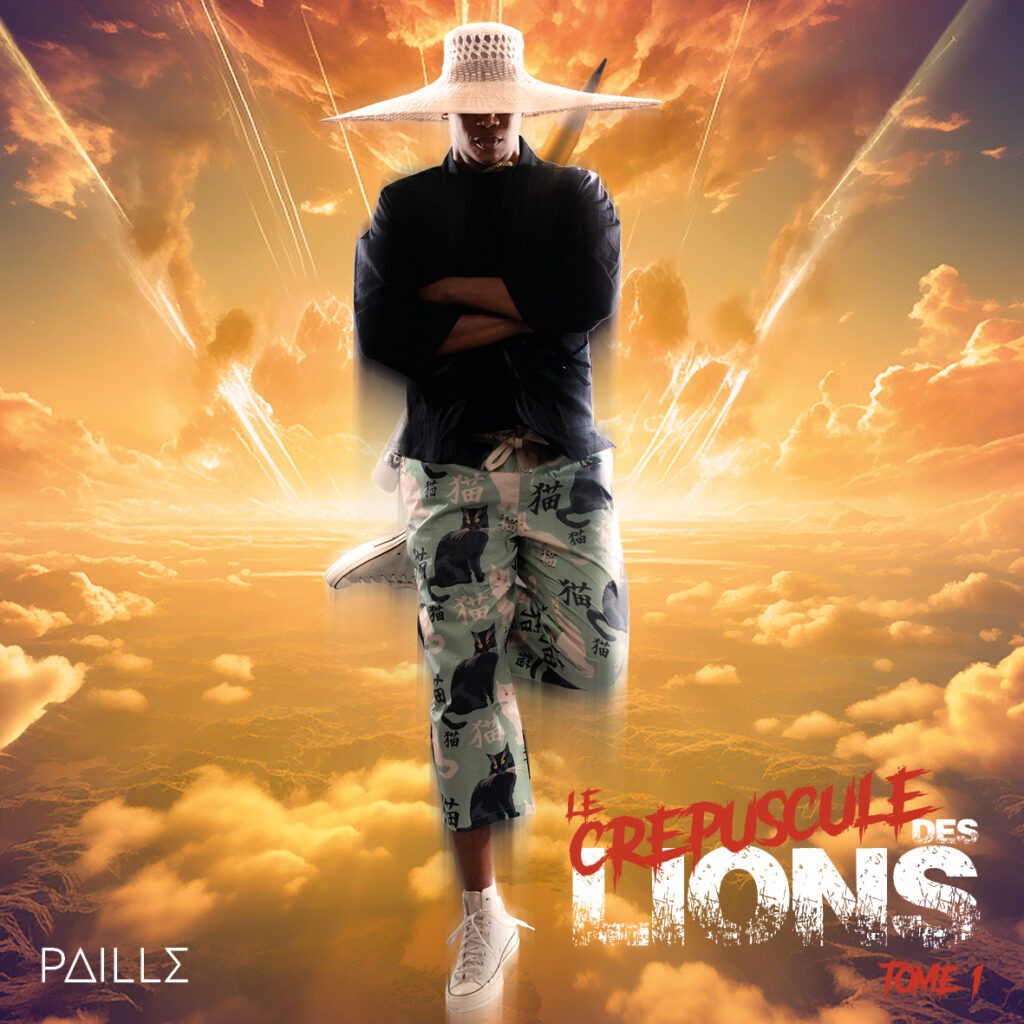
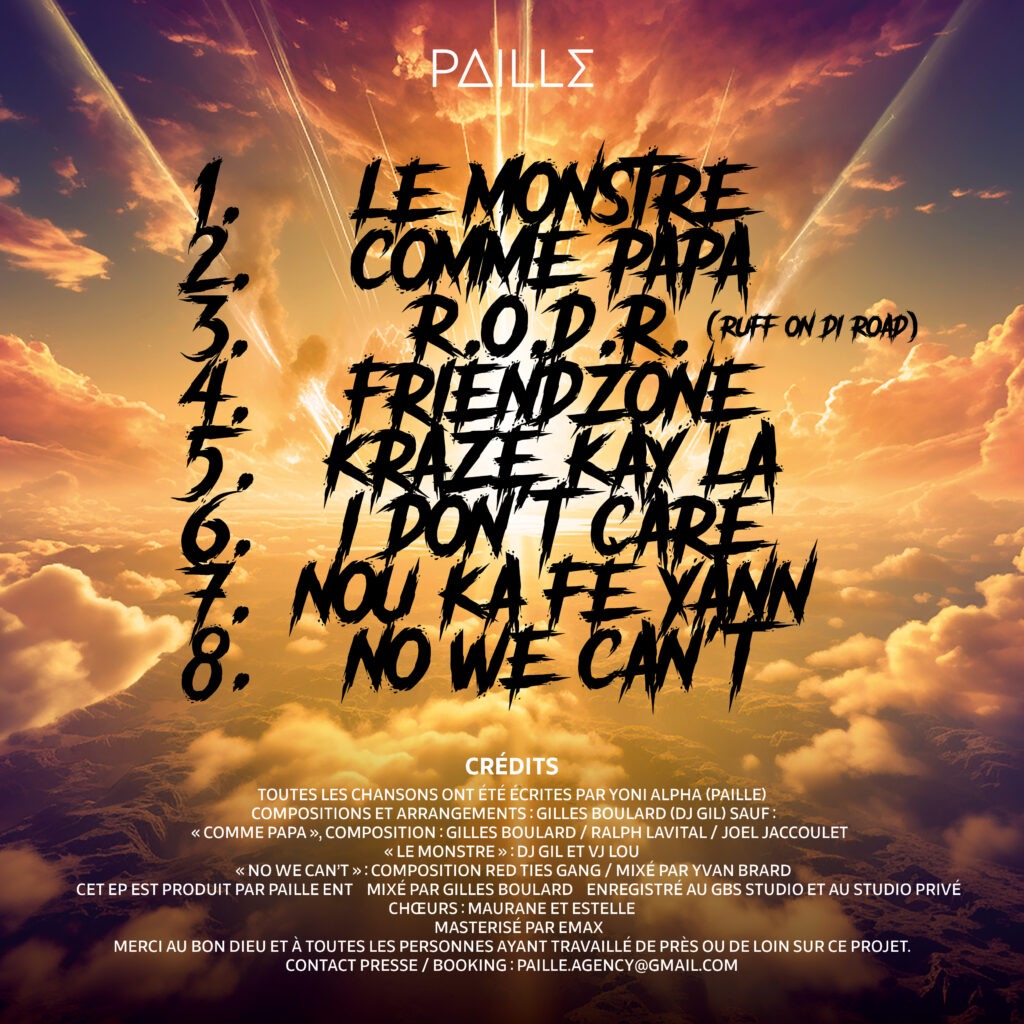
“Le Crépuscule des Lions”

A Fusion of Genres and Emotions

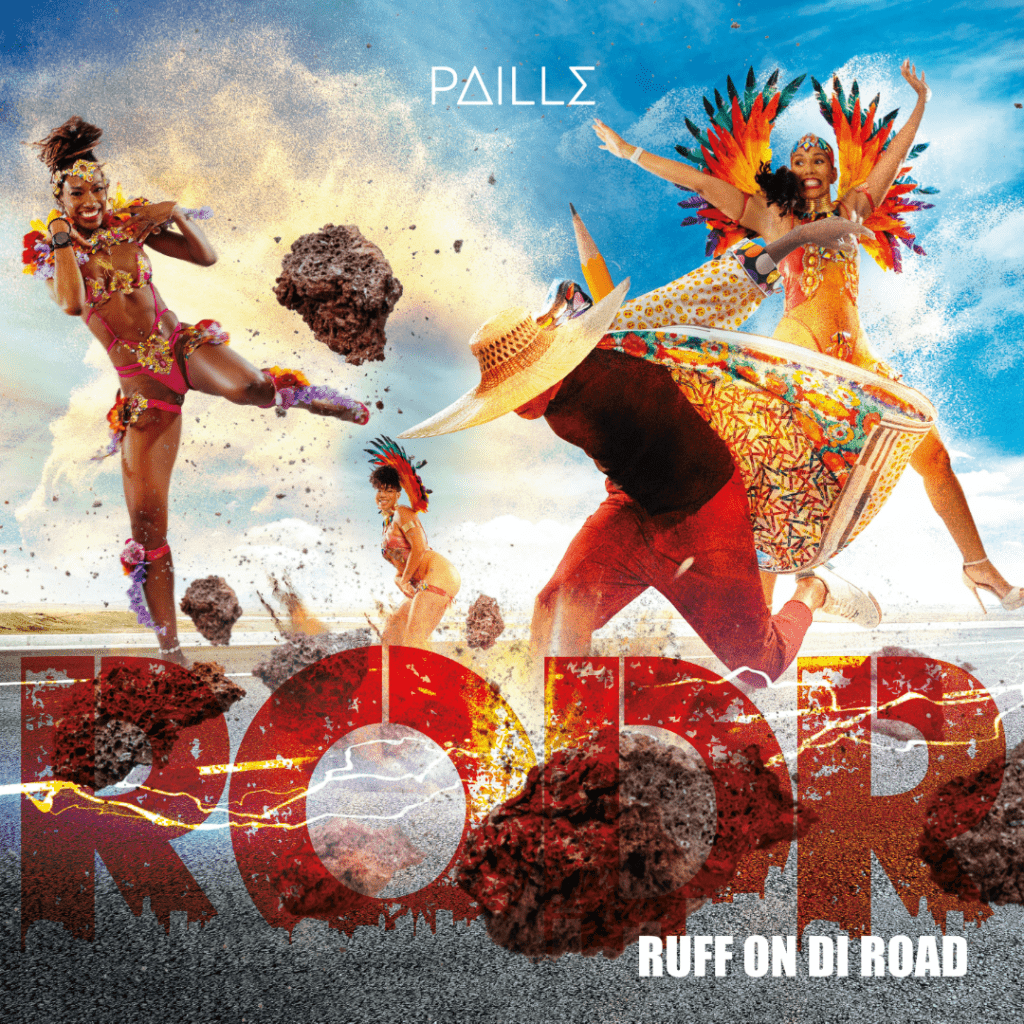
“Le Crépuscule des Lions” offers a mix of musical styles, combining dancehall, zouk, soca, and reggae. Each track serves as a narrative chapter that provides listeners with a profound emotional and thematic journey. From the introspective “Le Monstre” to the energetic “Ruff On Di Road,” and the reflective “Friendzone,” Paille uses his distinctive lyrical approach to explore complex themes.

0:00 / 0:00
RODR - RUFF ON DI ROAD

Friendzone”: Navigating Unspoken Love

“Friendzone” captures the all-too-familiar whirlwind of unspoken love. Paille masterfully weaves this tale with poetic lyrics and melodious Zouk rhythms, painting a vivid picture of the emotions that linger just beneath the surface. Each verse delicately explores the depths of love that remains unreciprocated, resonating with anyone who’s found themselves yearning for someone just out of reach. This track not only touches the heart but also evokes a tender familiarity, making it an  anthem for the love we’ve silently held close.

“Comme Papa”: Sensuality and Emotion

“Comme Papa” by Paille is a masterclass in the art of seduction, blending poetic lyrics with sensual vibes to explore the nuances of love and allure. Directed by Vianney Sotès, the accompanying music video pushes artistic boundaries. This track is an anthem to love’s power, promising an unforgettable auditory experience where Caribbean rhythms meet urban pop, captivating a diverse audience.

Collaboration with DJ Avalanche

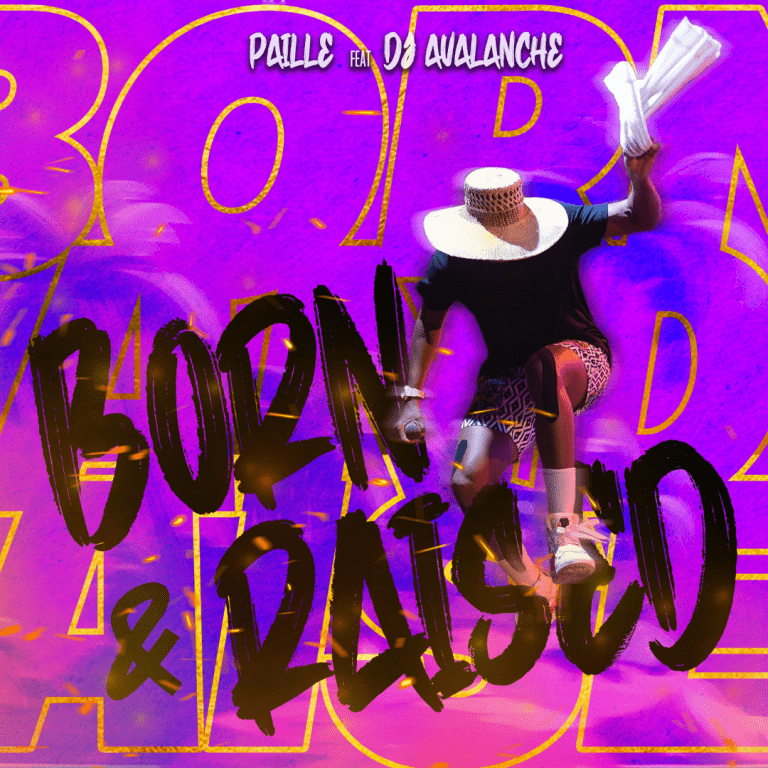
A major release is “Born n’ Raised,” crafted in collaboration with DJ Avalanche. This track has resonated strongly within the Soca community for its powerful message of unity and celebration of Caribbean identity. With its compelling lyrics and anthem-like quality, it is poised to become a staple in caribbean playlists.

0:00 / 0:00
BORN N' RAISED

A Rich Tapestry of Musical Exploration

Discover here the album

THE STAGE, MY PLAYGROUND

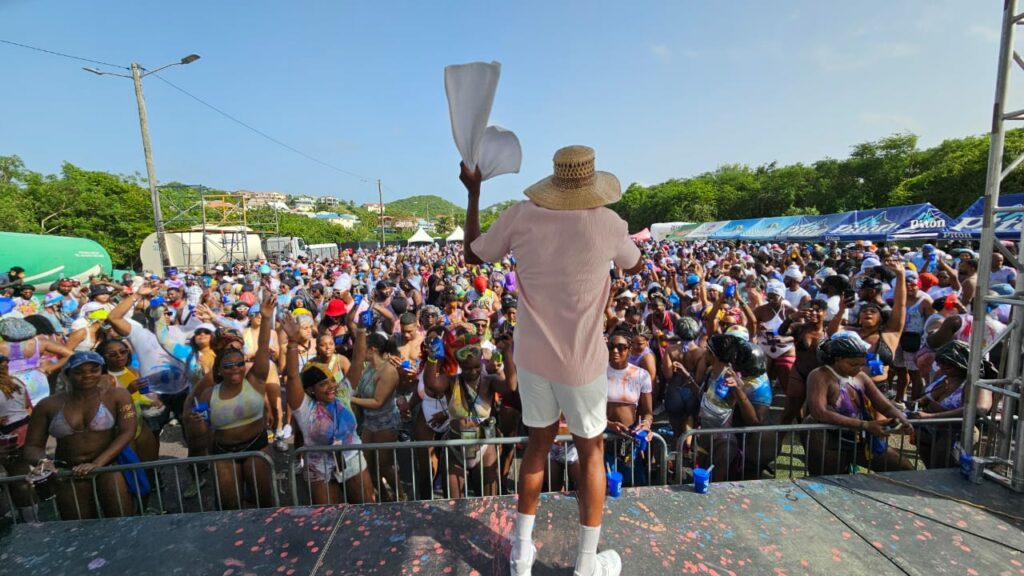
I’ve performed at the Bacchanal Block in Saint-Lucia, the UBERSOCA Cruise, twice at Bercy, the ‘Nuit de l’Outre-Mer’ and at the Olympia with E.sy Kennega. 

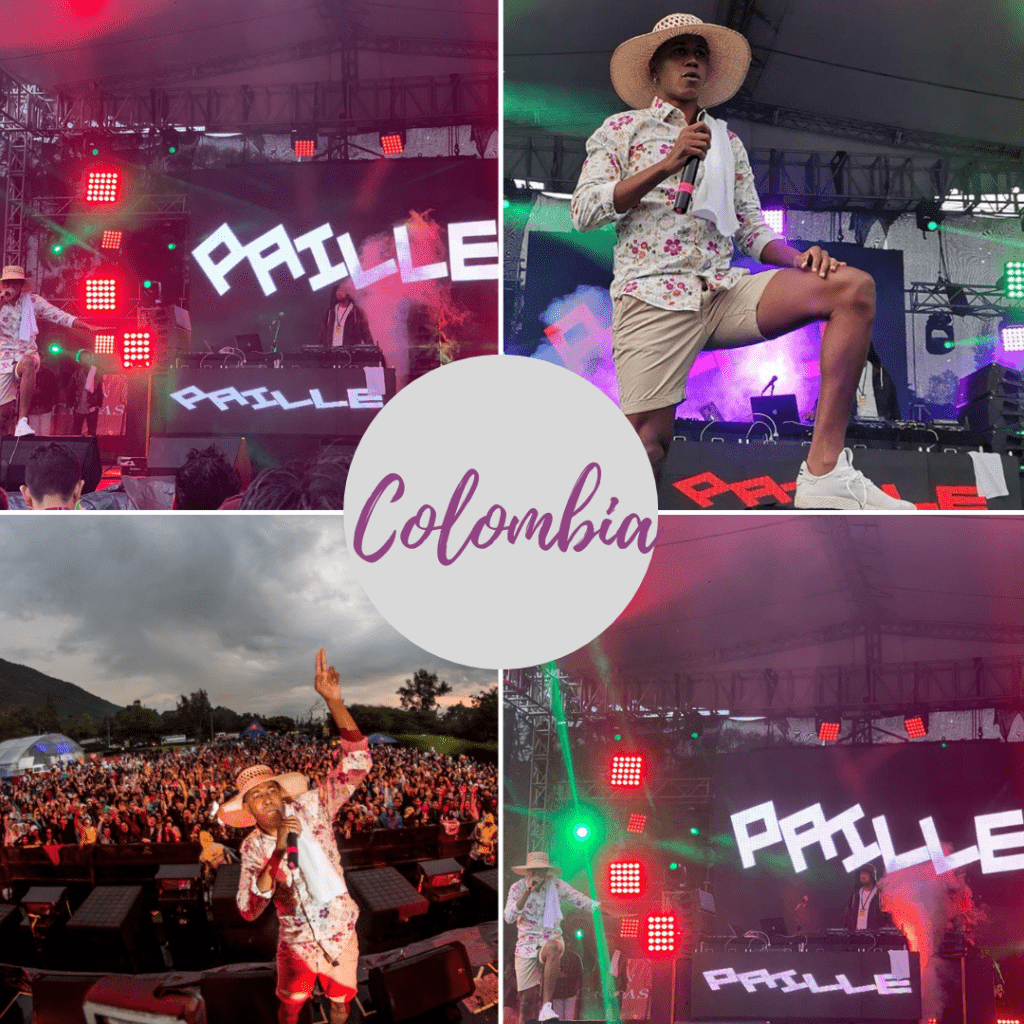
My music has taken me to festivals across the globe in Morocco, Canada, Colombia, Germany, Switzerland, and Reunion.

Interestingly, it all began quite modestly. When Byronn and I first made music together in Sainte-Luce, it was simply about expressing ourselves through song in our hometown.

Bacchanal Blocko - Ceasar Army - Saint-Lucia

PAILLE'S PLAYLIST

Playlist

9 Videos

AND THE CARIBBEAN...

Traveling to Dominica and Saint Lucia revealed how English-speaking Caribbean islands share knowledge and news among themselves, as seen in Saint Lucia’s news coverage of nearby islands like Saint Vincent and Barbados.

In contrast, French Caribbean islands display a notable lack of awareness about each other’s histories, suggesting that building a unified Caribbean identity requires better mutual understanding.

True closeness comes from understanding, which involves education, explanation, and exchange—ideally taught in schools at a young age.

Asking adults, who have already formed their beliefs and certainties, to challenge these or to construct a new Caribbean identity is nearly impossible. It’s more effective and necessary when minds are still open and eager to learn.

Yet, given today’s fast-paced world, it’s unlikely we’ll find the time to truly understand each other, though it would go a long way in breaking down prejudices.

Leave a Reply

Your email address will not be published. Required fields are marked *

More articles from RK

Ser’i Neger
HISTORY & HERITAGE
Tolotra

Ser’i Neger, 231 years after the Battle of Tula.

In Curaçao, Ser’i Neger today bears witness to the history of the former Fontein plantation. On August 25, 1795, this landscape became one of the main theaters of the revolt led by Tula against slavery. Two hundred thirty-one years later, the story of this battle has returned to the forefront, along with an urgent heritage issue. How can we preserve a site where a crucial chapter in Curaçao’s struggle for freedom was written? On August 17, 1795, it all began in Kenepa Eight days before the Battle of Ser’i Neger, the revolt began at the Kenepa plantation, now also known as Knip. On August 17, enslaved people, led by Tula, refused to return to work and demanded their freedom. The official website of Curaçao describes this event as the beginning of the most significant resistance to slavery in the island’s history. The movement was not limited to Kenepa. The insurgents

Read More »
¿Qué lo que?
HISTORY & HERITAGE
Tolotra

“¿Qué lo que?” Three words, three letters, one identity

In the Dominican Republic, an encounter can begin with three words that might baffle anyone who translates Spanish literally. A friend arrives, a message pops up, a conversation begins, and out comes this familiar phrase: “¿Qué lo que?” It doesn’t require a complicated explanation. Above all, it establishes a connection. Behind this phrase lies a social convention, a way of speaking, and, now, three very recognizable letters: KLK. What does “¿Qué lo que?” really mean? The closest equivalent would be “what’s new?”, “what’s going on?”, or, in English, “what’s up?”. SpanishDictionary classifies the expression as a regionalism used in Dominican Republic and as a greeting. In other words, a literal translation isn’t very helpful. In conversation, “¿Qué lo que?” primarily serves as a casual opening. The response, therefore, doesn’t need to be a detailed account of one’s day. Like many greetings, the expression can simply establish a sense of closeness

Read More »
37th CBU Media Awards
NEWS
Tolotra

37th CBU Media Awards: 4 awards for Richès Karayib.

In its first appearance at the 37th CBU Media Awards, Richès Karayib walked away with four honors: two Awards and two Special Mentions. The results were announced on August 19 in Georgetown, Guyana, during a ceremony that was broadcast and streamed throughout the region. This debut immediately established the media outlet as one of the standout newcomers at this 37th edition. Four awards on his first try The Caribbean Broadcasting Union has named Richès Karayib among the “first-time entrants” that made a strong impression this year. In total, the media outlet received two awards and two special mentions in the Print and Digital categories. This recognition comes during a particularly packed edition. The 37th CBU Media Awards honored 92 winners of Awards and Special Mentions across 56 categories. Professionals and media outlets from thirteen countries and territories across the English-, French-, and Spanish-speaking Caribbean had their productions honored. According to

Read More »

conTACT RK

we'd love to have your feedback on your experience so far

Join The List

Join our Richès Karayib community!  Sign up for our newsletter.

Want To Maximize Your Business Presence On Riches Karayib?

Complete the form to start the application