Mighty Sparrow: Mia Mottley Proposes Studying “The Slave”

Cover of Mighty Sparrow's album The Slave, with his black-and-white portrait in a suit and bow tie

Mia Mottley began her tribute to Mighty Sparrow by quoting “The Slave,” a song from 1963. At the calypso artist’s funeral on October 16, 2026, she called for the song to be included in the Caribbean Examinations Council’s curriculum. This idea raises a simple question: what place do Caribbean voices have in schools?

Mia Mottley began her tribute to Mighty Sparrow by quoting lines from “The Slave.” On October 16, 2026, at the National Academy for the Performing Arts in Port of Spain, the Prime Minister of Barbados then called for this 1963 song to be included in the Caribbean Examinations Council (CXC) curriculum. She wanted every child in the region to understand both the pain and the mission behind it. She turned to Kamla Persad-Bissessar, Prime Minister of Trinidad and Tobago, so they could work together to convince their counterparts. Persad-Bissessar replied that she would work with her Caribbean colleagues. The CXC, for its part, has not yet made a decision.

Why Mia Mottley Wants to Study Mighty Sparrow

For the Prime Minister, Mighty Sparrow’s songs document the lives of Caribbean societies. Beyond mere entertainment, calypso has served as a means to expose injustices, challenge those in power, and give voice to the aspirations of the people. Mia Mottley also praised the art of picong, those sharp-tongued verbal sparring matches that are part of Caribbean culture. She cited “Dan Is the Man in the Van,” a satire on colonial education. In it, Mighty Sparrow mocked the nursery rhymes and stories taught in school, which were far removed from children’s daily lives. The parallel is striking. An artist who once questioned what schools were teaching might now be entering one himself.

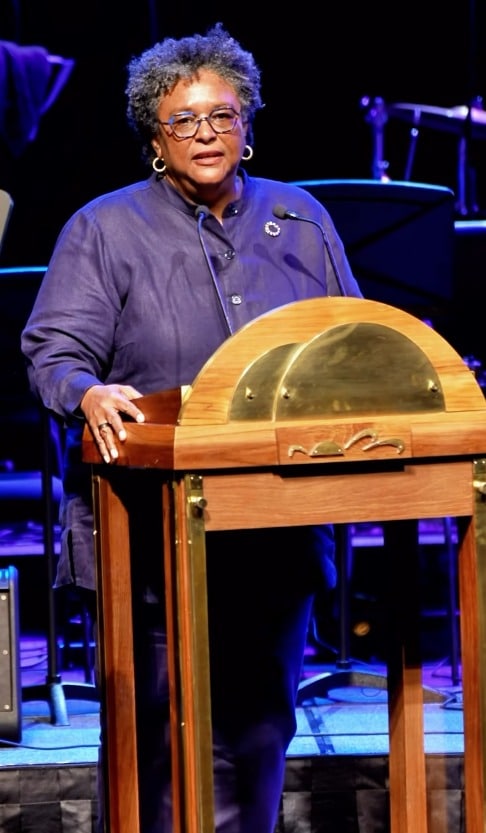
Mia Mottley standing at a wooden lectern on stage, in front of a microphone
Mia Mottley © Mia Mottley – Instagram

"The Slave" by Mighty Sparrow: A Story of Slavery Told Through Song

Recorded in 1963, “The Slave” gives voice to a man who was captured in Africa and taken to the Caribbean. There, he works without pay, fears the whip and the dogs, and dreams of escaping. The song even tells, in its own way, the story of how calypso is said to have originated—from songs sung by the captives to their master in order to make themselves heard.

Cover of Mighty Sparrow's album The Slave, with his black-and-white portrait in a suit and bow tie
Cover of Mighty Sparrow's album “The Slave” © Modern Harmonic

However, this is a work of art, not the testimony of someone who experienced slavery. In the classroom, it would be best studied alongside historical documents. Context matters, too. Trinidad and Tobago had just gained independence in 1962. During this period, when the country was defining its own identity, the song raised the question of the place of Caribbean people in their own narrative.

Is calypso already part of the school curriculum?

Established in 1972 by the participating governments of CARICOM, the CXC has sixteen participating countries, all of which are English-speaking. It also works with Curaçao, Saba, Saint Eustatius, Sint Maarten, and Suriname. Its secondary school exams, the CSEC, have been in place since 1979. Martinique and Guadeloupe are not members.

Mighty Sparrow is, in fact, no stranger to the CXC. His name appears among the calypso artists listed in the CSEC music syllabus. The challenge, therefore, is not to introduce students to the artist, but to give a specific song an explicit place in the teaching of history and memory. It remains to be determined in which subject “The Slave” could be taught, to which students, and using what teaching materials. These questions have not yet received an official answer.

Can a song convey a shared memory?

The songs circulate at parties, within families, and on the streets. They linger in people’s memories long after a class has ended. Studying them in school could connect this familiarity to a reflection on history, words, and freedom. Mighty Sparrow belonged to several islands at once. Born in Grenada in 1935, he grew up in Trinidad, where the government organized a national farewell ceremony for him and his family. On the same day, Kamla Persad-Bissessar announced that the grandstand at Queen’s Park Savannah would be named after Mighty Sparrow.

Richès Karayib has already chronicled the life of Mighty Sparrow, who passed away on September 27, 2026, at the age of 91. Mia Mottley’s proposal now opens another chapter. Now that the tributes are over, what role will Caribbean schools choose to give to the artists who have chronicled their societies?

Black-and-white portrait of Mighty Sparrow, smiling, in a white shirt
Mighty Sparrow, archive photo © @themightysparrow_sf / Instagram

Frequently Asked Questions

At Mighty Sparrow’s funeral on October 16, 2026, Mia Mottley called for “The Slave” to become a central part of the Caribbean Examinations Council’s curriculum. She wants every Caribbean student to understand its message. The CXC has not made a decision on this matter to date.

“The Slave” is a calypso song recorded in 1963 by Mighty Sparrow. It tells the story of a man captured in Africa and taken to the Caribbean, who is forced to work and dreams of freedom. It is a work of art, not a direct historical account.

The Caribbean Examinations Council (CXC) is a regional organization established in 1972 by the participating governments of CARICOM. It develops curricula and administers exams—including the CSEC since 1979—for sixteen participating countries. Martinique and Guadeloupe are not members.

Leave a Reply

Your email address will not be published. Required fields are marked *

More articles from RK

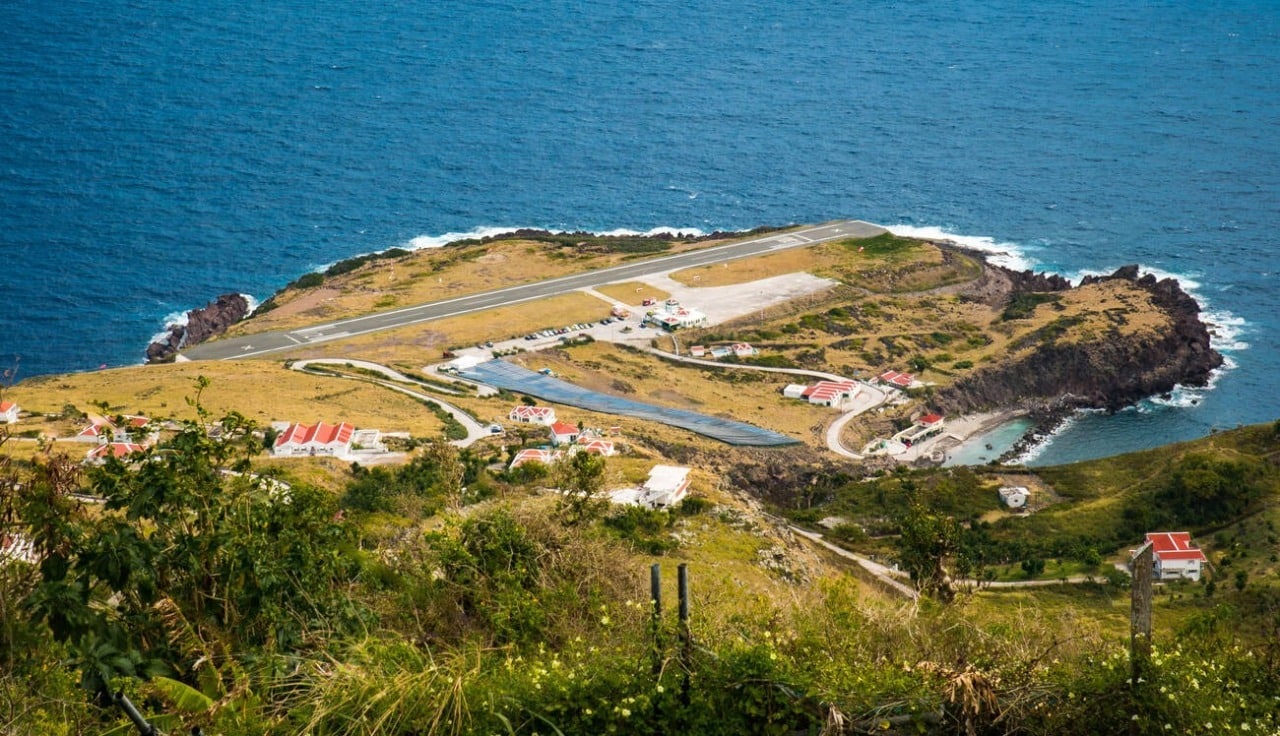
Aerial view of Juancho E. Irausquin Airport on Saba and its runway of about 400 meters between the hills and the sea
TOURISM
Tolotra

Juancho E. Irausquin Airport, a 400-meter runway to reach Saba

At Flat Point, on the island of Saba, the runway ends almost where the land meets the sea. About 400 meters long, it is part of Juancho E. Irausquin Airport, located in the Dutch Caribbean, southwest of Sint Maarten. Local authorities describe it as the airport with the world’s shortest commercial runway. But its story is not just about a record. It tells how a community established an air link where the terrain seemed to make it impossible. Why does Juancho E. Irausquin Airport have such a short runway? Saba is a small volcanic island covering about 13 square kilometers. Its steep slopes, cliffs, and scarce flat areas leave little room for infrastructure. It was at Flat Point, on the island’s coastline, that a runway was built. Official aeronautical data specify its exact length as 401 meters and its width as 18 meters. The figure commonly cited is therefore rounded.
Read More »
caribbean cinema
FILM & VIDEO
Tolotra

S10/10 – Stories of Caribbean Cinema, from Freda to Zion. Texts by Guillaume Robillard. Ciclic, 2026.

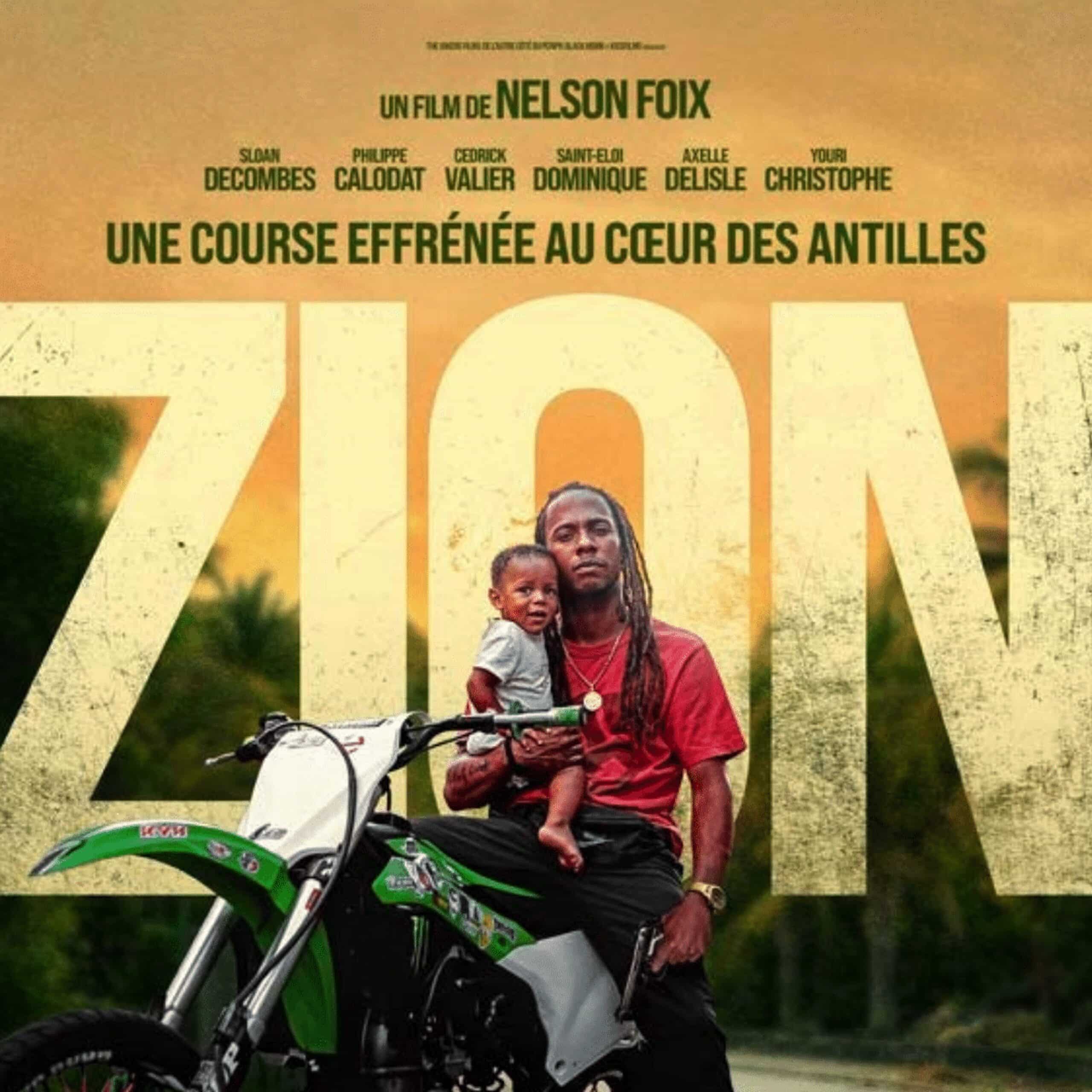
Ten episodes and more than sixty years of cinema. Since Cumbite in 1964, the series “Stories of Caribbean Cinema” has covered Cuba, Jamaica, Trinidad and Tobago, Guadeloupe, Martinique, Curaçao, Haiti, the Dominican Republic, and Antigua and Barbuda. For this final installment, Guillaume Robillard takes us to Haiti with Freda by Gessica Généus, and then to Guadeloupe with Zion by Nelson Foix. You are now watching the tenth and final episode of the series. The previous nine episodes are still available on Richès Karayib, so you can revisit the series from the beginning. 2021: HAITI – FREDA, BY GESSICA GÉNÉUS Female filmmakers are rare in Caribbean cinema. In addition to those already mentioned in this timeline, we can mention the Afro-Cuban Sara Gómez from Cuba, known for her docudrama In a way (In a certain way), released in 1977, was the very first film directed by a woman in this country,

Read More »

conTACT RK

we'd love to have your feedback on your experience so far

Join The List

Join our Richès Karayib community!  Sign up for our newsletter.

Want To Maximize Your Business Presence On Riches Karayib?

Complete the form to start the application