Mighty Sparrow, from Grand Roy to Port of Spain: 91 Years of Calypso

Mighty Sparrow on stage, microphone in hand, wearing a black jacket with silver patterns

Born in Grenada in 1935, he moved to Trinidad as a young child and died in New York on September 27, 2026. Mighty Sparrow leaves behind eight Calypso Monarch titles and eight Road March victories. He also leaves behind songs that held up a mirror to everyday life.

In 1956, the stands at the Calypso King finals began to rumble from the very first verse. At least that’s how Mighty Sparrow described it years later, referring to “Jean and Dinah.” The young singer was in his twenties. His song was about the departure of American soldiers from Trinidad and its impact on the women living around the Chaguaramas base. It earned him two titles that same year—Calypso King and Road March—but only $40.

This meager earnings inspired his next song, “Carnival Boycott,” a protest against the low pay given to calypsonians. From the very beginning, Mighty Sparrow demanded fair pay for those who made a living from singing. He himself boycotted the Carnival contests for three years. “Jean and Dinah” would later be covered by Harry Belafonte and Robert Mitchum.

Black-and-white archive photo of Mighty Sparrow singing into a microphone in front of an audience
Mighty Sparrow in front of his audience, archive photo © @themightysparrow_sf / Instagram

From Grand Roy to Laventille

Slinger Francisco was born on July 9, 1935, in Grand Roy, in the parish of St. John, in Grenada. He was still a very young child, around 1937, when his family moved to Trinidad, where his father, a carpenter, had found work. He grew up in Laventille, near Port of Spain. At school, he sang in a choir. At age 14, he joined a steel band—those percussion ensembles playing steel drums that bring Carnival to life. His high-energy performances earned him his first stage name, Little Sparrow, which was later changed to Mighty Sparrow.

Black-and-white archive photo: a crowd gathered around a guitar, a young man wearing a crown in the centre
Archive photo, a crowd gathered around a guitar © @themightysparrow_sf / Instagram

Mighty Sparrow, Eight Crowns, and a Global Audience

Mighty Sparrow won the Calypso Monarch title eight times and the Road March title eight times—the song most frequently played by street bands during Carnival. His Road March songs have become classics, from “Jean and Dinah” in 1956 to “Pay As You Earn” in 1958, “Mae Mae” in 1960, “Obeah Wedding” in 1966, “Sa Sa Yea” in 1969, “Drunk and Disorderly” in 1972, and “Doh Back Back” in 1984. He also won the Calypso King of Kings title twice.

Mighty Sparrow’s career spanned more than seven decades, with over 500 compositions. In 1969, he recorded “Only A Fool Breaks His Own Heart” with Byron Lee. He then toured the United States, performing at venues ranging from Madison Square Garden to Lincoln Center, well into his 80s. In 1990, he performed for Nelson Mandela at Yankee Stadium.

Black-and-white archive photo of Mighty Sparrow wearing a hat in front of a bus
Mighty Sparrow wearing a hat, archive photo © @themightysparrow_sf / Instagram

Honors followed. The University of the West Indies awarded him an honorary doctorate in 1987. Trinidad and Tobago presented him with the Gold Chaconia Medal in 1993, followed by the Order of the Republic in 2014. He was also appointed an Officer of the Order of the British Empire. Mighty Sparrow recorded in Yoruba, Creole, French, Spanish, and Dutch. In Nigeria, he received the honorary Yoruba title of Chief Omo Wale of Ikoyi. Bob Dylan, in the liner notes of his 1985 *Biograph* box set, wrote that Mighty Sparrow was—and likely remained—the king.

Cover of the album Sweeter Than Ever: Sparrow wearing headphones in front of a studio microphone
Cover art for Sparrow's album "Sweeter Than Ever" © @themightysparrow_sf / Instagram

A Voice for Everyday Life

His songs are about love and rivalries, politics and superstitions, money and morality. Their titles range from “Mr. Walker” to “Capitalism Gone Mad” (1983). For the president of Trinidad and Tobago, Christine Kangaloo, he has, for more than seven decades, set “our joys, our contradictions, our humor, and our conscience” to music and words. Not everything was universally acclaimed. “Congo Man,” released in 1965, was criticized for its lyrics about women and Africans and was subsequently banned from broadcast for a long time. This dark chapter is part of his legacy, just as much as his outspoken style.

Black-and-white studio portrait of Mighty Sparrow, smiling, wearing an open white shirt
Black-and-white portrait of Mighty Sparrow © @themightysparrow_sf / Instagram

A Farewell Organized by the Government

Mighty Sparrow died on September 27, 2026, in New York, at the age of 91, following a brief illness, his family said. They noted that he was also a husband, a father, a grandfather, and a great-grandfather. Trinidad and Tobago is organizing a state funeral for him, as announced on September 30 by Minister of Culture Michelle Benjamin. The date has not yet been set. Condolence books will be open from October 1 through 14, and Calypso History Month, which begins on October 1, will be observed in his memory.

The minister summed up the artist in two ideas. He sang the truth when others remained silent, she said, and his songs allowed ordinary people to recognize their own lives. Grenadian Prime Minister Dickon Mitchell found the phrase that unites his two islands. “Grenada gave him birth. Trinidad and Tobago nurtured his talent.”

It remains to be seen where and when the country will bid him farewell. The condolence books are open, and Calypso Month has begun. Perhaps all it takes is a listen to “Jean and Dinah” to hear what Trinidad recognized in him as early as 1956.

Mighty Sparrow singing into the microphone at a concert, wearing a brown jacket and a dark shirt
Mighty Sparrow in concert © @themightysparrow_sf / Instagram

Frequently Asked Questions About Mighty Sparrow

Mighty Sparrow, whose real name was Slinger Francisco, was a calypso singer born in Grenada and raised in Trinidad. He died on September 27, 2026, in New York at the age of 91, after winning eight Calypso Monarch titles and eight Road March titles.

He was born on July 9, 1935, in Grand Roy, in the parish of St. John, Grenada. He arrived in Trinidad as a small child, where his father, a carpenter, had found work.

The date has not been set. On September 30, 2026, Culture Minister Michelle Benjamin announced that a state-sponsored funeral would be held, and condolence books will be open from October 1 to 14.

Leave a Reply

Your email address will not be published. Required fields are marked *

More articles from RK

code noir
HISTORY & HERITAGE
Tolotra

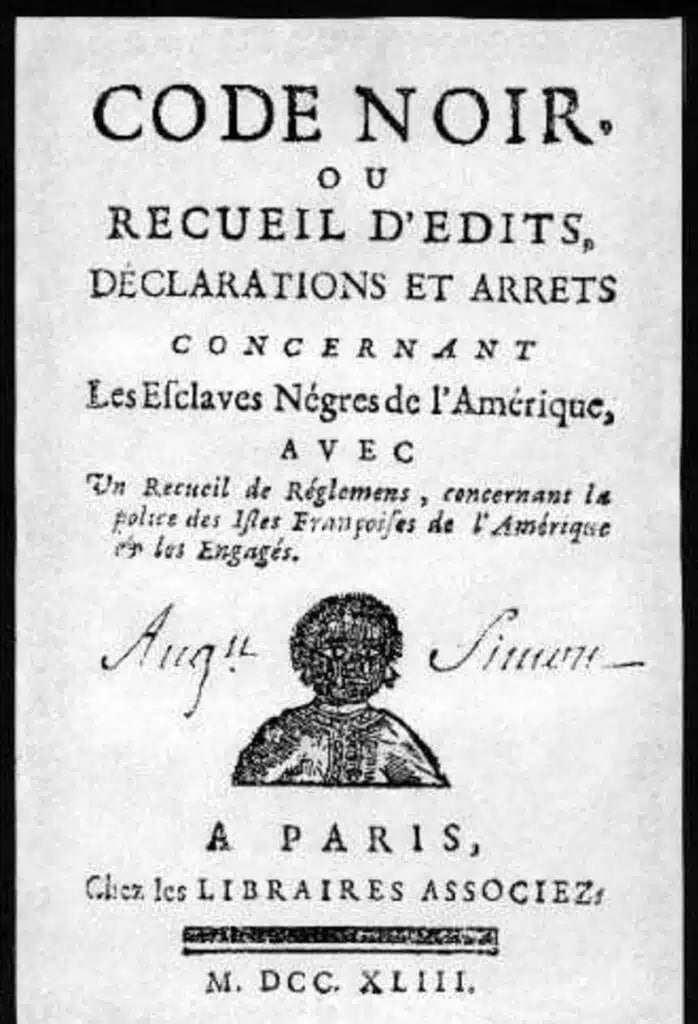
Code Noir: 341 Years After 1685, Parliament Officially Repeals It

On October 20, 2026, the Senate passed the bill to repeal the Code Noir without amendment, by a vote of 320 in favor and none against. Parliament has thus completed its review of a bill sponsored by Guadeloupe Representative Max Mathiasin, 341 years after the edict of March 1685. All that remains is for the law to be enacted. “Code Noir”: A Vote with No Opposing Votes in the Senate On Tuesday, October 20, 2026, senators voted on the bill as adopted by the National Assembly on May 28. The vote resulted in 320 votes in favor, none against, and 18 abstentions, all from the Kanaky Communist, Republican, Citizen, and Ecologist Group. With no amendments, the bill is definitively adopted. Five amendments put to a public vote, introduced by the Socialist and Communist caucuses, were rejected. The text therefore remains identical to that of the Chamber of Deputies. The Senate
Read More »
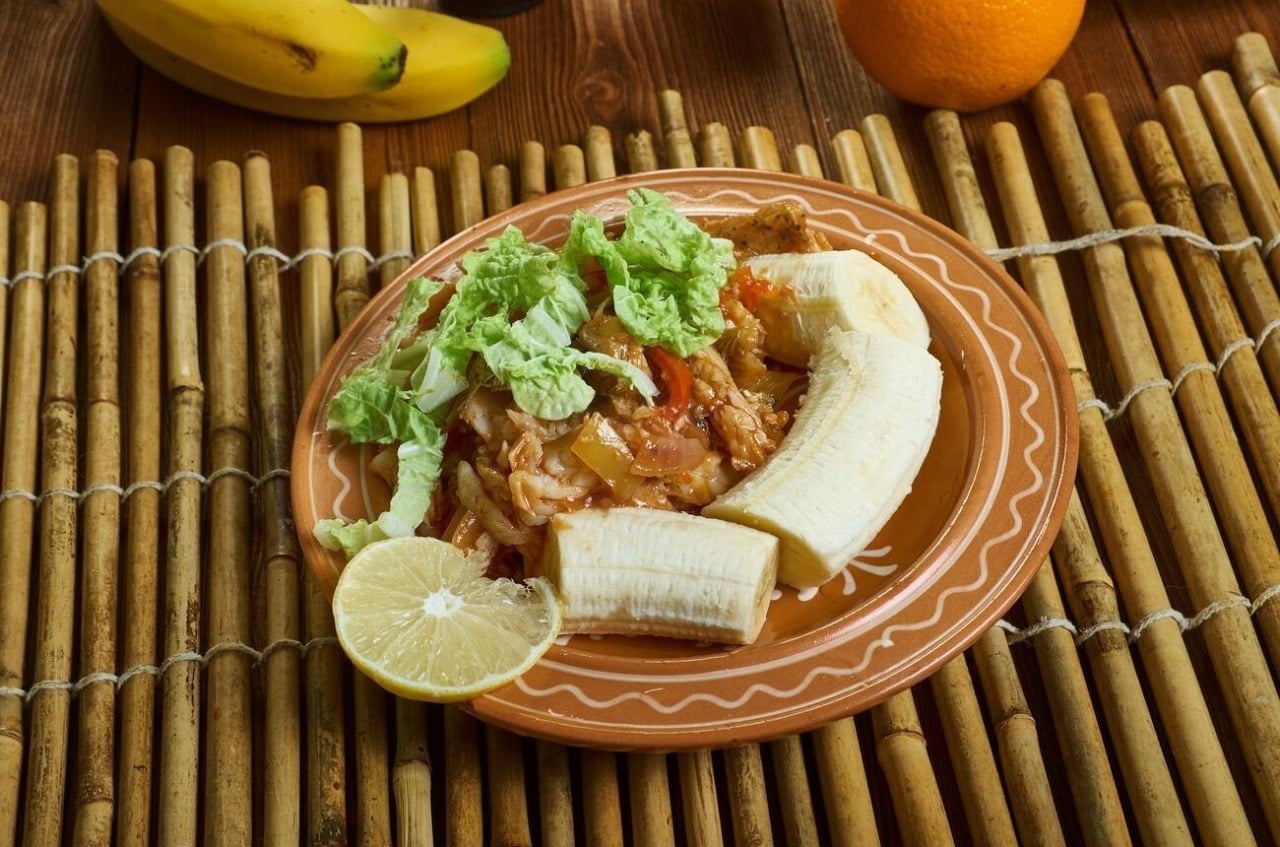
Plate of green fig and saltfish: green banana, salt cod and cabbage with a slice of lemon on a bamboo place mat
CULINARY ART
Tolotra

Green fig and saltfish, the green banana and the salt cod that tell the story of Saint Lucia

In Saint Lucia, the “fig” is a green banana. Cooked with salt cod, it becomes green fig and saltfish, the island’s national dish, where two histories meet: that of salt from the north and that of the export banana. At the end of a muddy track, in the village of Desrameaux, the villagers gather in a large clearing. It is Jounen Kwéyòl, the Creole festival. Women take turns showing how cassava flour is prepared using traditional methods. On the tables are crayfish, green figs with dumplings in a red bean broth, salt cod with cucumber, and soups served in calabashes. A report published in 2008 describes this scene. It already says the essential about Saint Lucia: a cuisine of roots, bananas and salted fish. A fig that isn’t a fig On the island, bananas are called “figs.” “Green figs” are green bananas, picked before they ripen: firm, delicate and unsweetened.

Read More »
Kéni Piperol smiling on the deck of his sailboat, in sailing gear
MARITIME
Tolotra

Kéni Piperol: A Second Route du Rhum to Represent Guadeloupe

With just a few days to go before the 2026 Route du Rhum, Kéni Piperol is preparing for his second solo Atlantic crossing. Four years after his first attempt, which was marred by mechanical trouble, the Guadeloupean sailor is now aiming for a Top 15 finish in the Class40 category. With DrépaVoile, his ambition extends beyond the rankings, as he is combining this new adventure with the fight against sickle cell disease, outreach to young people, and artistic creation. On Friday, October 16, at 10:30 p.m. according to his crew, Kéni Piperol set sail from La Trinité-sur-Mer aboard his Class40, DrépaVoile. The start of the voyage to Saint-Malo was eventful. In rough seas, with gusts reaching 23 knots, the sailboat quickly found its rhythm and maintained a reported average speed of 12 knots throughout the night. At daybreak, conditions eased along the Breton coast. This voyage will take the boat

Read More »

conTACT RK

we'd love to have your feedback on your experience so far

Join The List

Join our Richès Karayib community!  Sign up for our newsletter.

Want To Maximize Your Business Presence On Riches Karayib?

Complete the form to start the application