Salsa is more than just a musical genre; it’s a cultural phenomenon that has captivated millions around the world. The origin of this genre, its development in Cuba, and its influence on global musical culture are fascinating topics that deserve exploration. In this article, we will delve into its roots , its evolution within the Cuban context, and its enduring impact on the international music scene.
Origin of Salsa
It finds its origins in a rich and varied mix of Afro-Cuban musical styles. The roots lie in African rhythms, Spanish music, and indigenous influences. In the 1920s, genres such as Cuban son, mambo, and rumba began to emerge, forming the foundation upon which it would be built.
The term “salsa,” which means “sauce” in Spanish, was used to describe the fusion of these various musical styles. In the 1960s, it began to take shape as a distinct genre, especially in New York, where many Cubans and other Latin Americans settled to escape political and economic turmoil in their home countries.
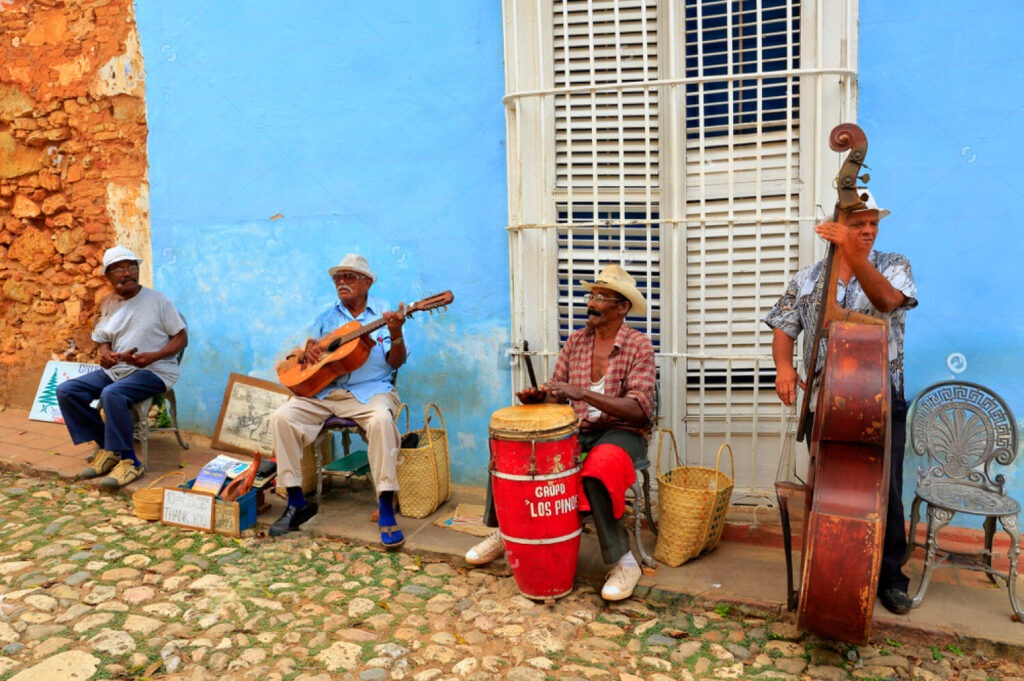
The Salsa in Cuba
The Cuban Roots
Cuba has played a pivotal role in the development of salsa. Cuban musical styles such as son, mambo, and rumba were the precursors to this dynamic genre. Son, which combines Spanish and African music elements, was particularly important in shaping the rhythms. Artists like Arsenio Rodríguez in the 1940s and 1950s introduced innovations in son that influenced that music.
Mambo, popularized by musicians such as Pérez Prado, also contributed to the formation of it sounds. The dance associated with mambo strongly influenced the movements that characterize salsa today. Rumba, with its syncopated rhythms and expressive body movements, further enriched the musical vocabulary of it.
The Evolution of Salsa in Cuba
In the 1970s, it began to evolve as a distinct genre in Cuba. The development of the music group “Los Van Van” by Juan Formell marked a decisive step in the history. They integrated elements of jazz and other genres, creating a unique sound that captivated audiences. Other artists like Celia Cruz, Johnny Pacheco, and Oscar D’León also played key roles in popularizing this music.
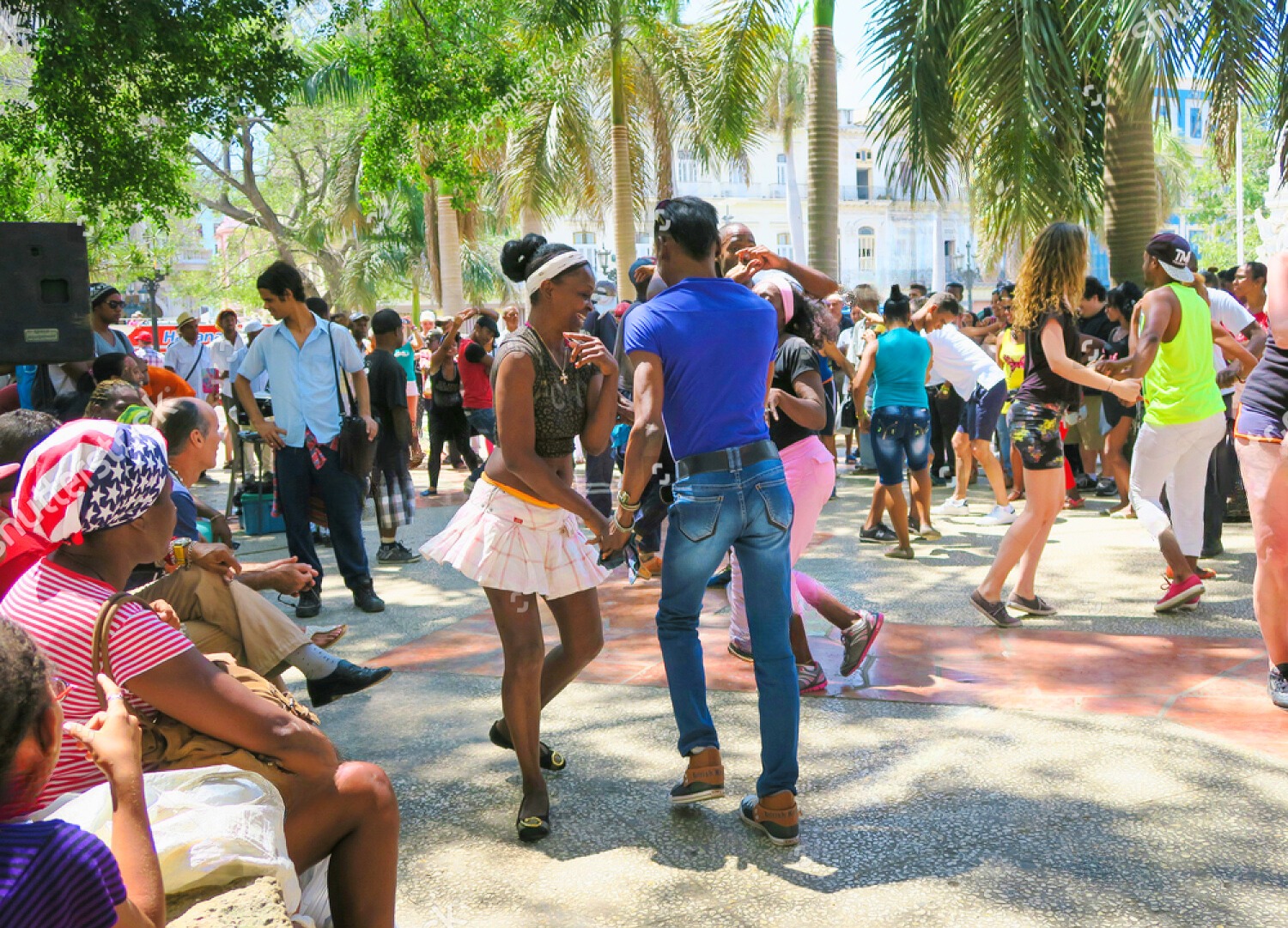
As it gained popularity, festivals were organized in Cuba, attracting dancers and musicians worldwide. Salsa dancing became integral to Cuban nightlife, with clubs and bars dedicated to this energetic dance. It thus became a symbol of Cuban culture, reflecting its history, diversity, and vibrant spirit.
Cultural Impact of Salsa
Global Influence
This genre has transcended Cuban borders to become a global phenomenon. In the 1980s and 1990s, Latin American artists began releasing salsa albums that achieved international success. Cities like New York, Miami, and San Francisco became hubs for it, where festivals and dance competitions are regularly held.
The cultural impact is felt in many areas. Salsa dance, with its varied styles such as Cuban salsa, Puerto Rican salsa, and Colombian it has influenced dance worldwide. Dance schools teaching it have become popular in diverse countries such as Japan, Germany, and Brazil.
Salsa as Cultural Expression
Beyond its musical and dance popularity, it serves as a means of cultural expression. It tells stories of life, love, struggle, and triumph. The lyrics often address social and political themes, reflecting the realities of life in the artists’ home countries. This has allowed it to serve as a platform for addressing important issues such as identity, migration, and social justice.
Salsa and Cultural Renewal in Cuba
Today, salsa continues to evolve in Cuba. New artists emerge, bringing modern influences while staying true to traditions. The Cuban government has also recognized the importance of it in national culture, supporting events and festivals to promote this genre.
It has become a celebration of Cuban identity, uniting generations and communities. It embodies the spirit of resistance and resilience, reflecting a rich past while looking toward the future.
Salsa is a musical genre that finds its roots in the cultural diversity of Cuba. Its evolution, marked by iconic artists and diverse influences, makes it a symbol of artistic expression and social life. Today, it continues to influence global musical culture, evolving while remaining anchored in its traditions. It is more than just music; it’s a movement, a dance, and a celebration of life that unites millions around the world. Whether on a dance floor in Havana or in a club in New York, it remains a vibrant and living force, testifying to the richness of Cuban cultural heritage.