
Dominican Republic: the dazzling beauty of tourism

Dominican Republic

La Dominican Republic is a must-see destination in the Caribbean, attracting millions of visitors every year. The country recently reached a remarkable milestone with the arrival of its 11 millionth visitor, underlining the meteoric rise of its tourism sector. This article delves into the heart of this phenomenon, exploring the reasons behind the tourism success of this beautiful island nation.

Historic staking

The 11 millionth visitor was enthusiastically welcomed at Punta Cana International Airport. Canadian Bruce Pirt and his family had the honor of symbolizing this achievement. The Minister of Tourism, David Collado, hailed this milestone, saying that “surpassing the 11 million visitor barrier is a historic achievement that consolidates the Dominican Republic as the region’s tourism leader”.

This impressive figure is not just a statistic; it represents 949,000 direct and indirect jobs and contributes $26 billion to the national economy. The Dominican Republic also generated 130 billion Dominican pesos in tax revenues, demonstrating the significant impact of tourism on the country’s economic growth.

République Dominicaine
11 millionième visiteur. Source :

Assets of the Dominican Republic

Natural beauty

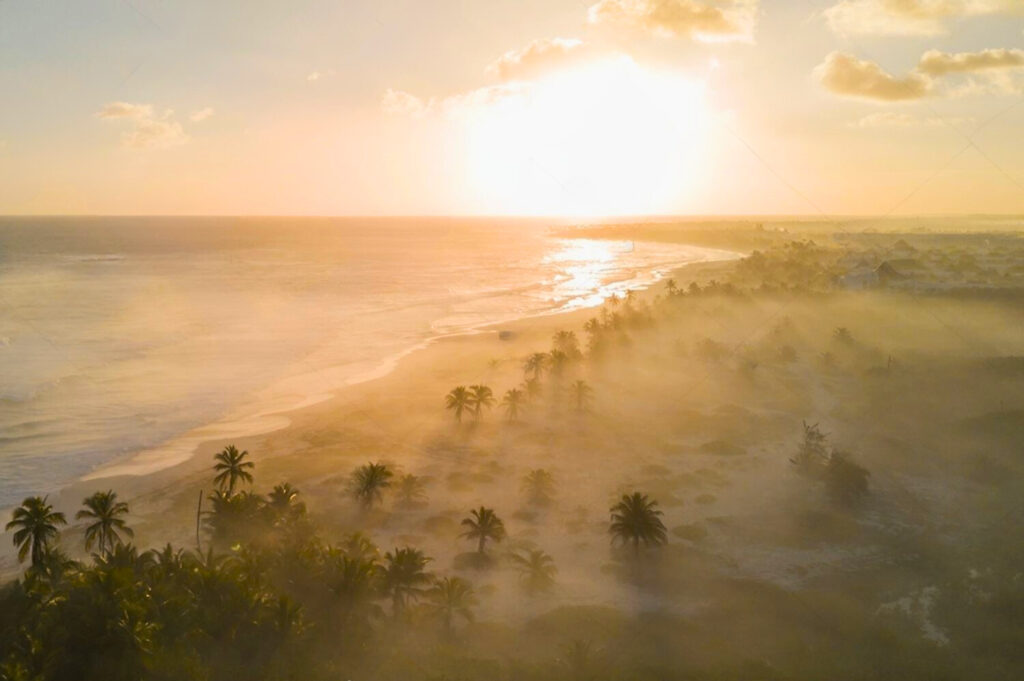
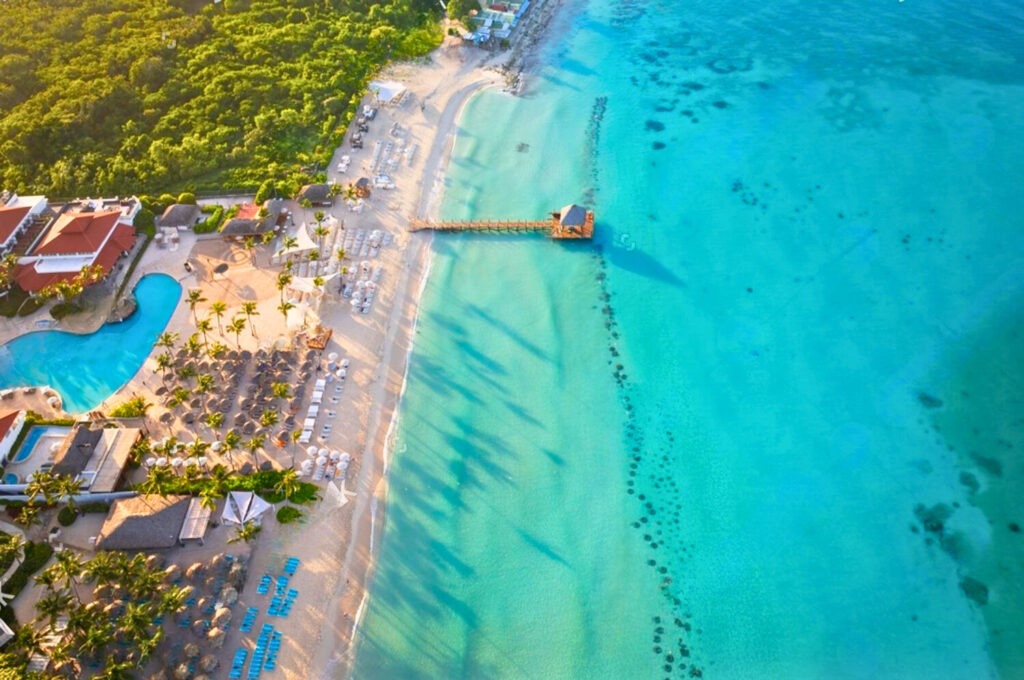
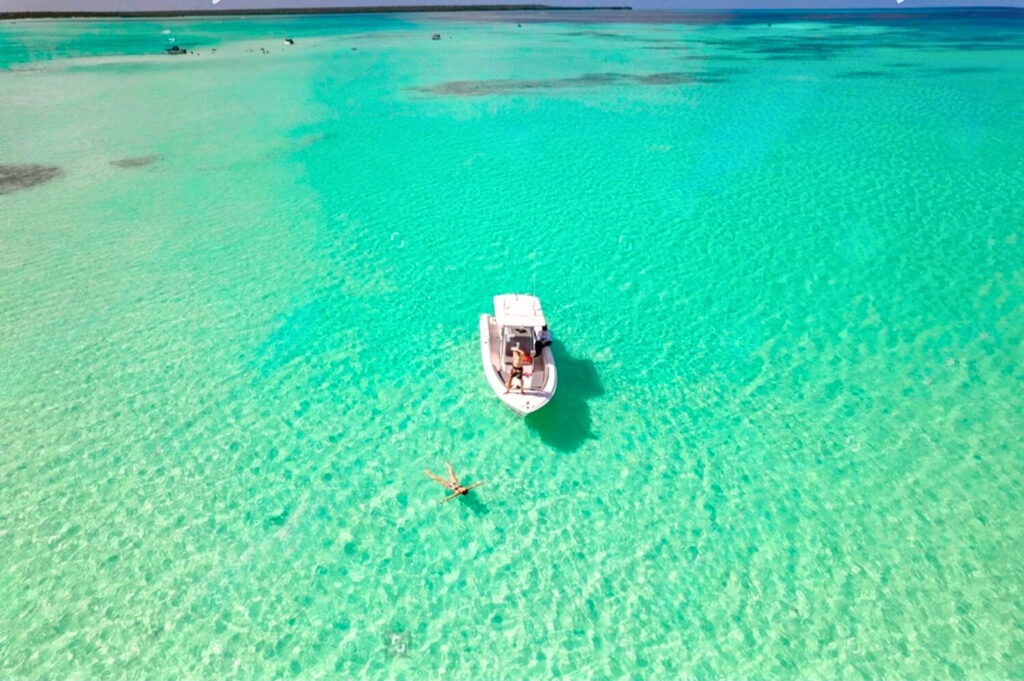
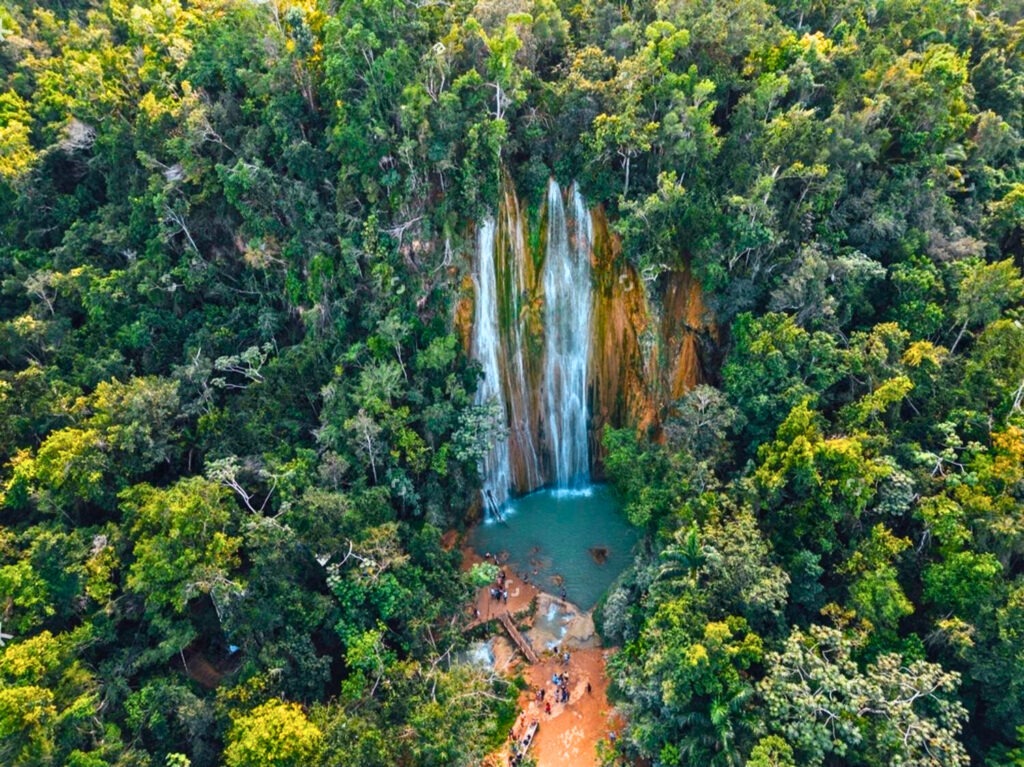
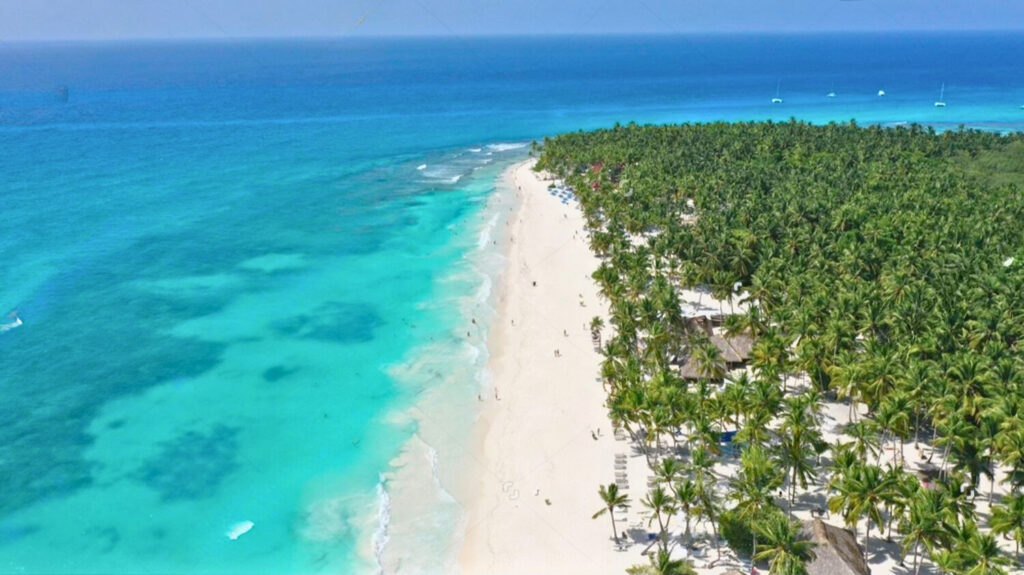
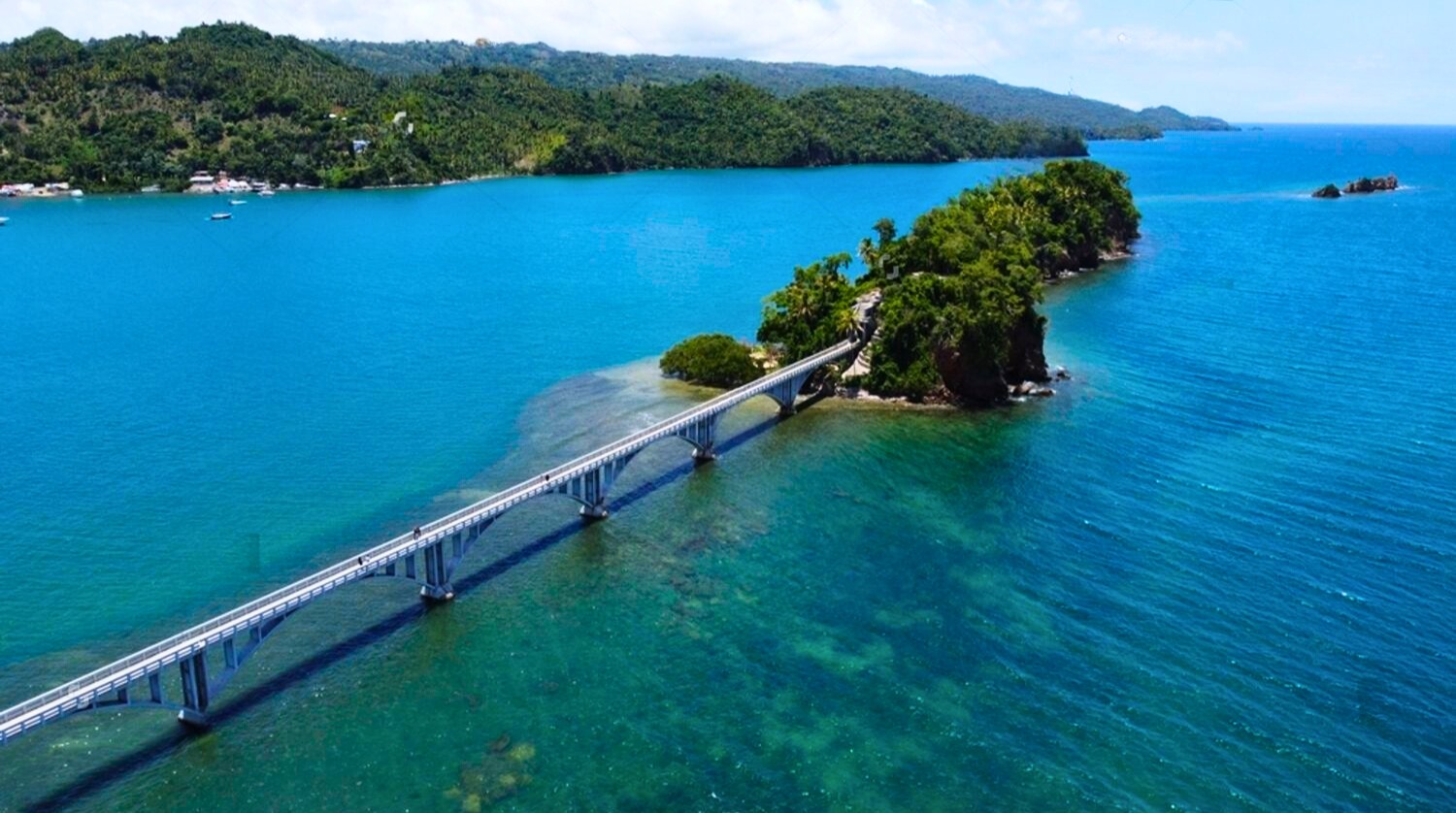
The Dominican Republic boasts breathtaking scenery, from white sandy beaches to verdant mountains. The beaches of Punta Cana, Samaná and Puerto Plata attract sun-seekers and water-lovers alike. The crystal-clear waters are perfect for diving and snorkeling, while the mountains offer opportunities for hiking and exploring.

11 millionième v
République Dominicaine

Rich culture

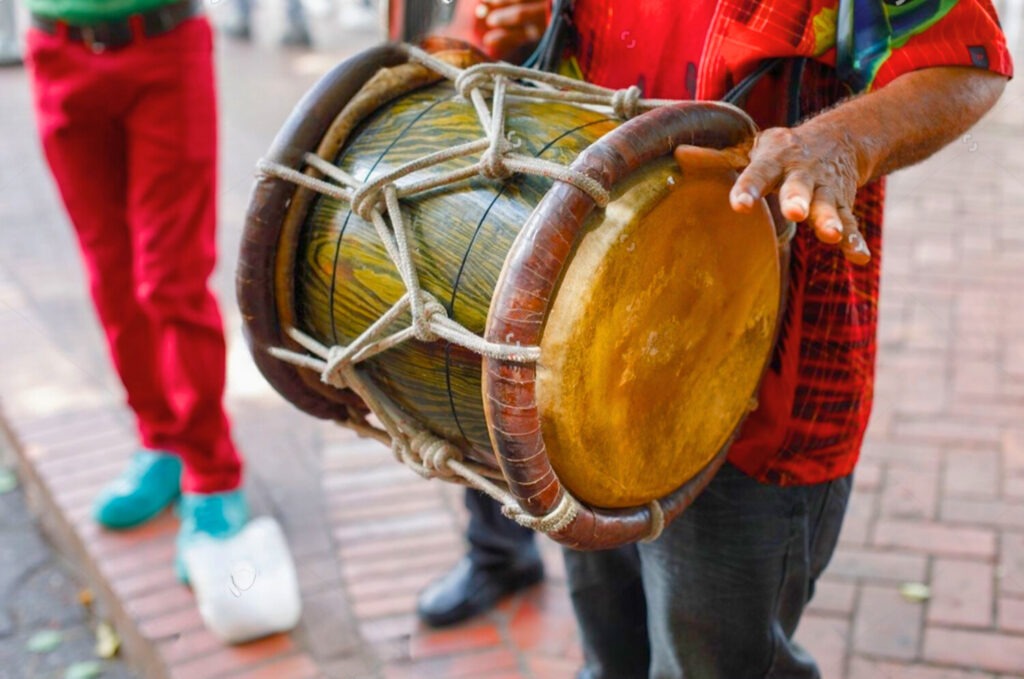
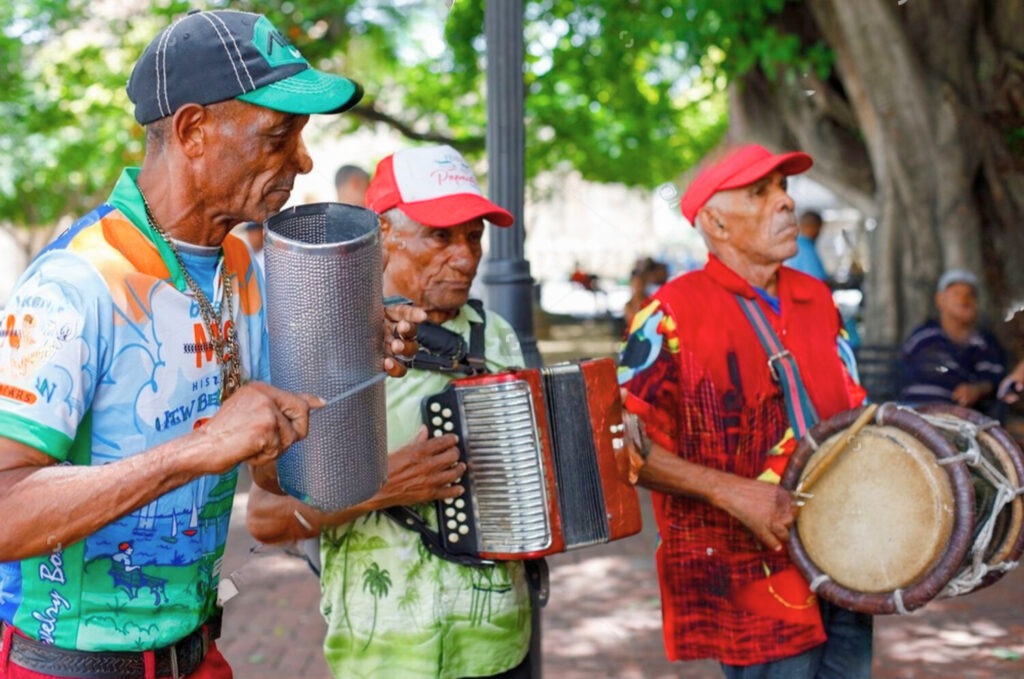
Dominican culture is a fascinating blend of African, Spanish and Taino influences. This diversity is reflected in its music, dance and gastronomy. Cultural festivals such as Carnival attract tourists who wish to immerse themselves in this rich tradition. Typical dishes, such as mangu and sancocho, seduce visitors’ palates.

République Dominicaine
Musiciens de rue jouant de la musique merengue

Quality accommodation

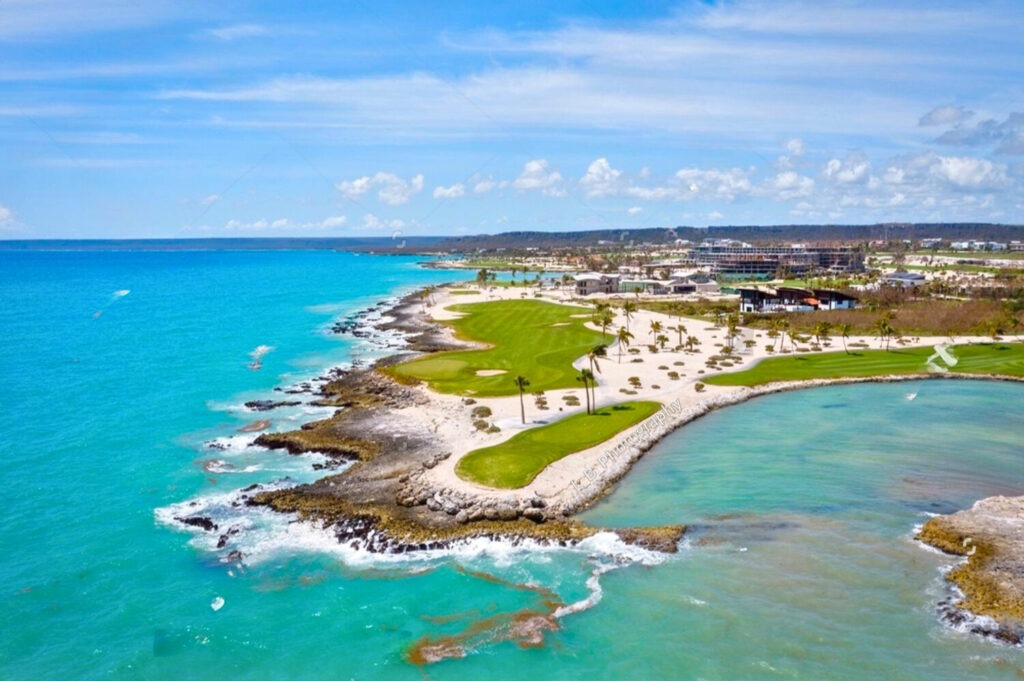
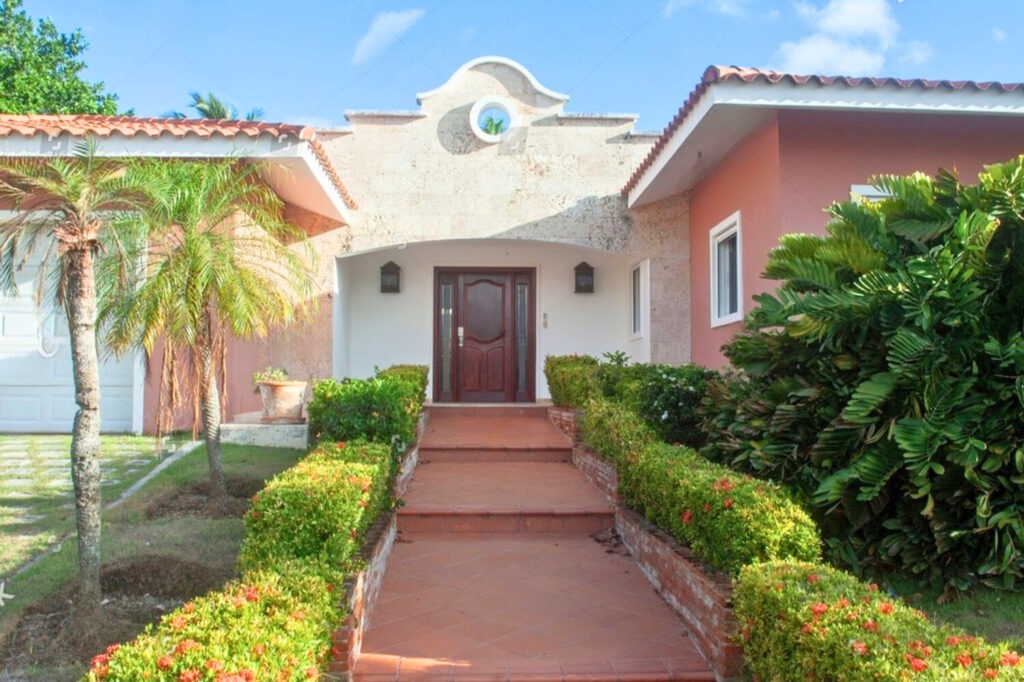
The Dominican Republic offers a diverse range of accommodation, from luxury resorts to small local inns. Major hotel chains are investing heavily in the country, guaranteeing quality service and modern facilities. This not only attracts tourists, but also boosts the local economy.

République Dominicaine
Villa à Punta Cana

Diversified activities

Tourist activities in the Dominican Republic are varied and suitable for all ages. From boat trips to tours of coffee plantations, there’s something for everyone. Golf enthusiasts can enjoy world-class courses, while history buffs can explore the historic sites of Santo Domingo, the first city of the New World.

Economic impact of tourism

Tourism plays a key role in the Dominican economy. With 949,000 jobs linked to the sector, it is a driving force behind local employment. The income generated by tourism also helps to finance infrastructure, schools and hospitals, improving the quality of life for local residents.

Minister Collado stressed that this growth was the result of a collective effort between the public and private sectors. An effective marketing strategy has positioned the Dominican Republic as a destination of choice on the world stage.

A promising future for tourism

The Minister also expressed confidence in the future of tourism in the Dominican Republic. With infrastructure expansion projects and initiatives to promote the country internationally, the outlook is bright. Ongoing efforts to improve the visitor experience will ensure that the country remains a top destination.

The Dominican Republic is much more than just a tourist destination. It’s a place where natural beauty, vibrant culture and hospitality come together to create an unforgettable experience. With the welcome of its 11 millionth visitor, the country reinforces its position as a leader in the tourism sector. As visitors, we have the chance to discover this Caribbean wonderland, while contributing to the prosperity of its people.

One Response

Leave a Reply

Your email address will not be published. Required fields are marked *

More articles from RK

Bonaire salt marshes: pink ponds and white salt mountains in the south of the island
HISTORY & HERITAGE
Tolotra

Bonaire: 3,700 hectares of salt marshes conceal a history of slavery

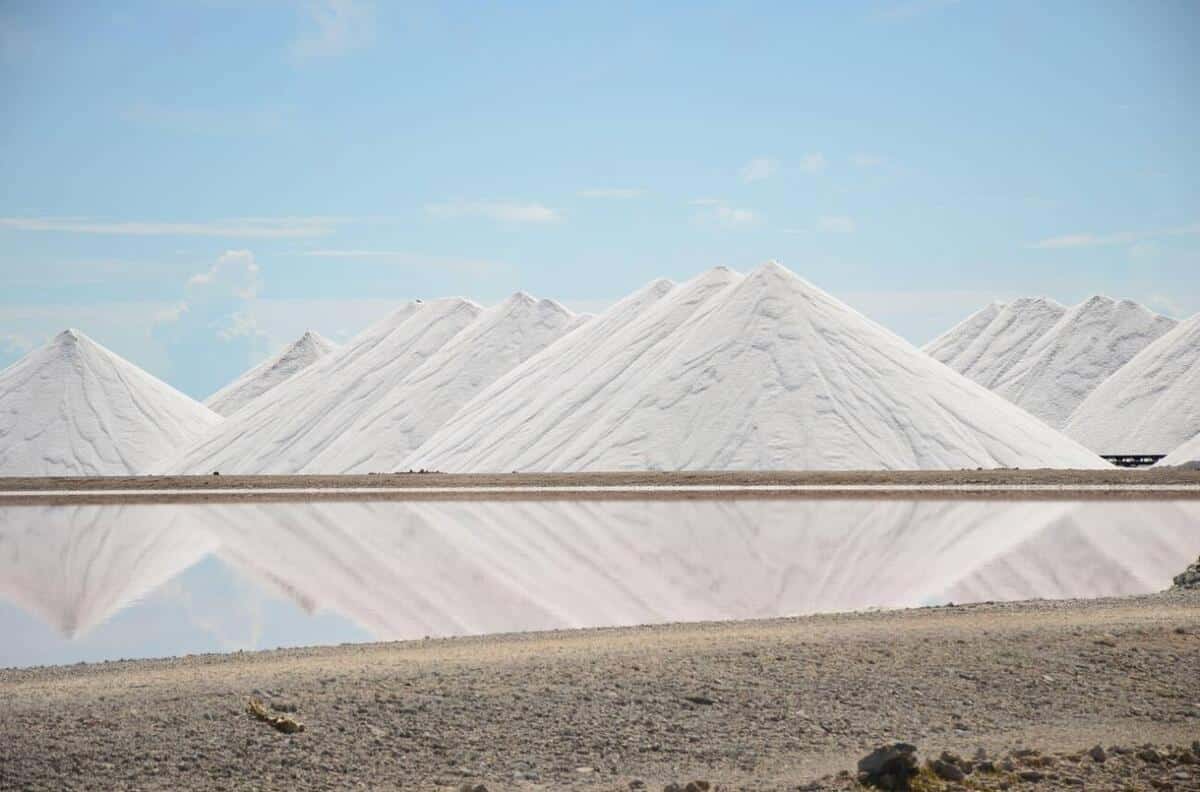
At the southern tip of Bonaire, a Dutch-speaking island in the Caribbean, the salt marshes stretch out in pink and white basins across nearly 3,700 hectares—thirteen percent of the island’s total area. This postcard view, photographed every year by thousands of visitors from the coastal road, hides a history dating back more than five centuries, the story of salt that shaped Bonaire’s economy and, for two hundred years, the lives of hundreds of enslaved people. Along EEG Boulevard, which runs along the southern coast of Bonaire, mountains of white salt come into view kilometers before you reach them. Each contains about 10,000 metric tons of salt that is 99.6% pure, piled nearly 15 meters high, with up to 200,000 metric tons stored at any given time. Their whiteness, so intense that you need to keep sunglasses handy, stands in stark contrast to the pink of the neighboring pools. The salt

Read More »
Journées européennes du patrimoine 2026
EVENT MANAGEMENT
Tolotra

European Heritage Days 2026: Martinique Opens Its Archives.

On September 15, at 5 p.m., the conference room of Martinique’s Cultural Affairs Department is already packed. Journalists, cultural leaders, organizations, artists, and heritage professionals have gathered to find out what the 43rd edition has in store. With just four days to go before the 2026 European Heritage Days , scheduled for September 19 and 20, this press conference already feels like a journey across Martinique—from its Creole huts to its lighthouses, from Saint-Pierre to the monuments we sometimes pass by without really noticing them. European Heritage Days 2026: A Lively Conference Johan-Hilel Hamel, Martinique’s director of cultural affairs, opened the meeting without putting on airs. He even warned that the evening would not be a long monologue. The conversation quickly began to flow. A representative from Les Trois-Îlets speaks, followed by Xavier Nicolas from the Directorate of the Sea, Philippe Villard from the Heritage Foundation, Florence Le Gal from

Read More »
caribbean cinema
FILM & VIDEO
Tolotra

S3/10 – Stories of Caribbean Cinema: Two Perspectives on the Year 1980. Texts by Guillaume Robillard. Ciclic, 2026.

With this third episode, *Stories of Caribbean Cinema* moves into the 1980s. The first two installments covered Cuba, Jamaica, Trinidad and Tobago, and Guadeloupe, from the 1960s through the emergence of Caribbean cinema. This time, two films made in the same year take radically different directions. In Jamaica, *Children of Babylon* explores romantic, sexual, and racial relationships with unusual freedom. In Guadeloupe, *Live Free or Die* draws on several centuries of history centered on the legacy of Commander Ignace. This article is the third installment in a series of ten. Two installments have already been published, and seven more will follow in this chronology of Caribbean cinema. 1980: JAMAICA – “CHILDREN OF BABYLON”, BY LENNIE LITTLE-WHITE This film is unique in Jamaican cinema and, more broadly, in Caribbean cinema as a whole. Far from the social deprivation of Kingston’s ghettos, in a villa in the countryside (complete with a swimming

Read More »

conTACT RK

we'd love to have your feedback on your experience so far

Join The List

Join our Richès Karayib community!  Sign up for our newsletter.

Want To Maximize Your Business Presence On Riches Karayib?

Complete the form to start the application