
Dominican Republic: the dazzling beauty of tourism

Dominican Republic

La Dominican Republic is a must-see destination in the Caribbean, attracting millions of visitors every year. The country recently reached a remarkable milestone with the arrival of its 11 millionth visitor, underlining the meteoric rise of its tourism sector. This article delves into the heart of this phenomenon, exploring the reasons behind the tourism success of this beautiful island nation.

Historic staking

The 11 millionth visitor was enthusiastically welcomed at Punta Cana International Airport. Canadian Bruce Pirt and his family had the honor of symbolizing this achievement. The Minister of Tourism, David Collado, hailed this milestone, saying that “surpassing the 11 million visitor barrier is a historic achievement that consolidates the Dominican Republic as the region’s tourism leader”.

This impressive figure is not just a statistic; it represents 949,000 direct and indirect jobs and contributes $26 billion to the national economy. The Dominican Republic also generated 130 billion Dominican pesos in tax revenues, demonstrating the significant impact of tourism on the country’s economic growth.

République Dominicaine
11 millionième visiteur. Source :

Assets of the Dominican Republic

Natural beauty

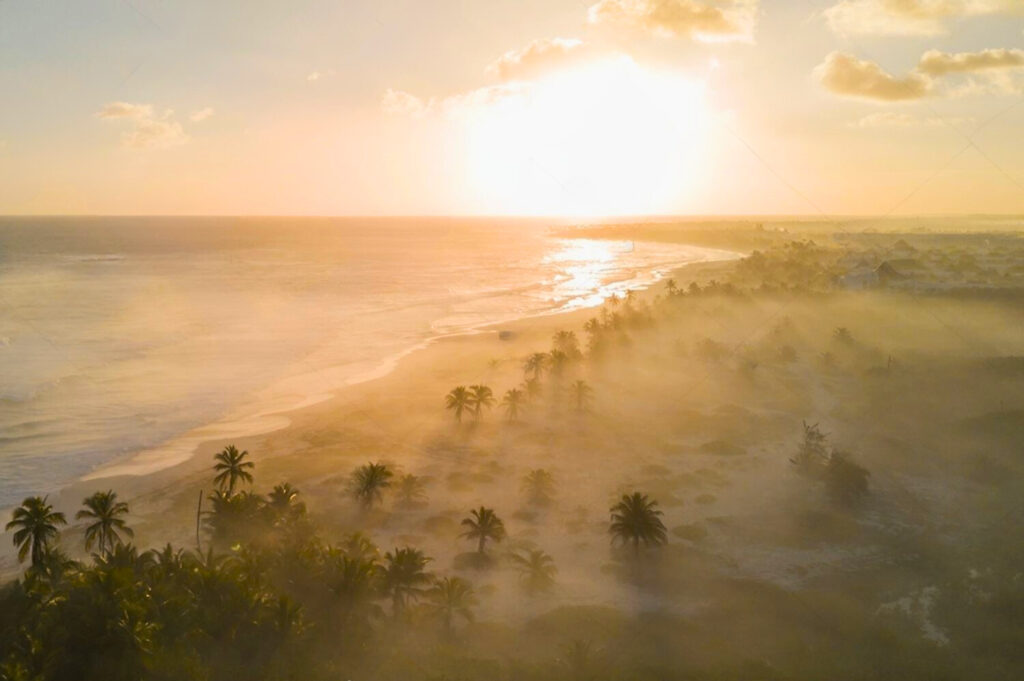
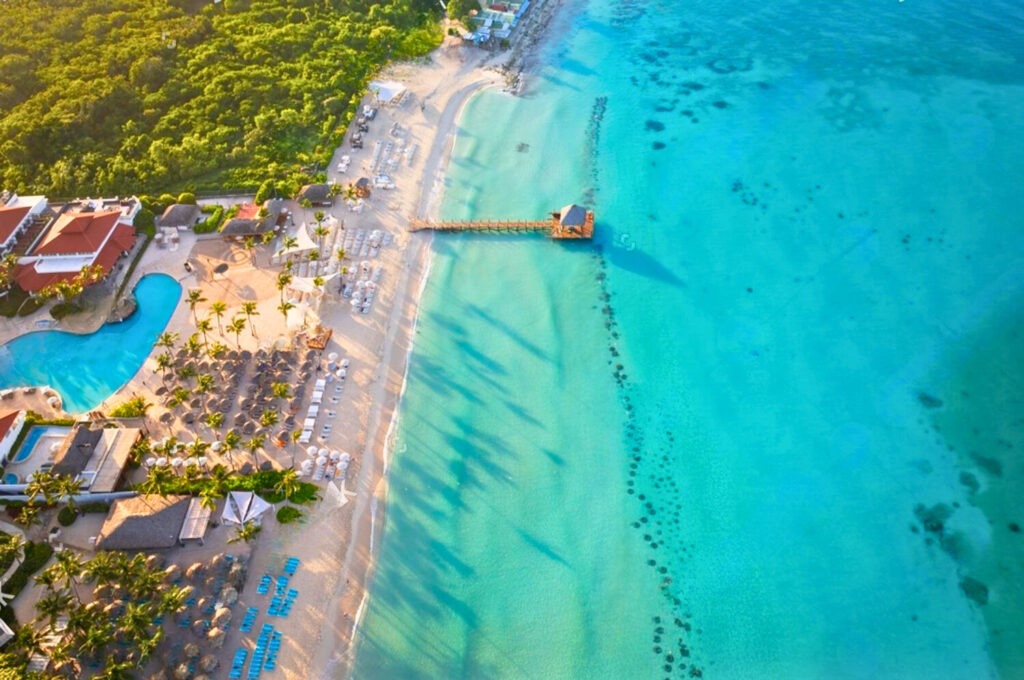
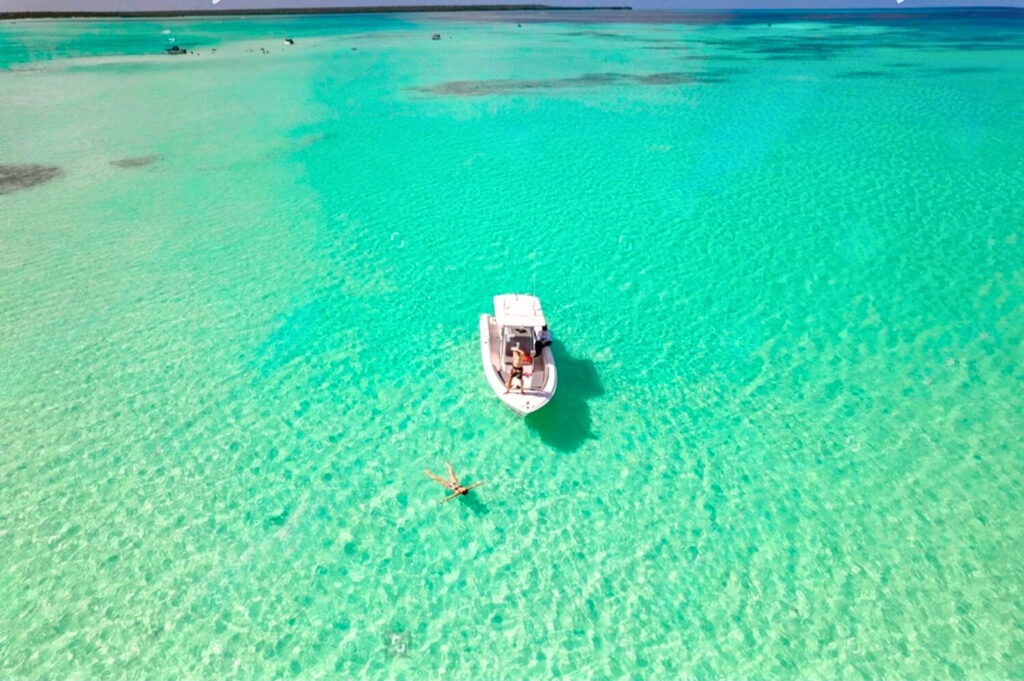
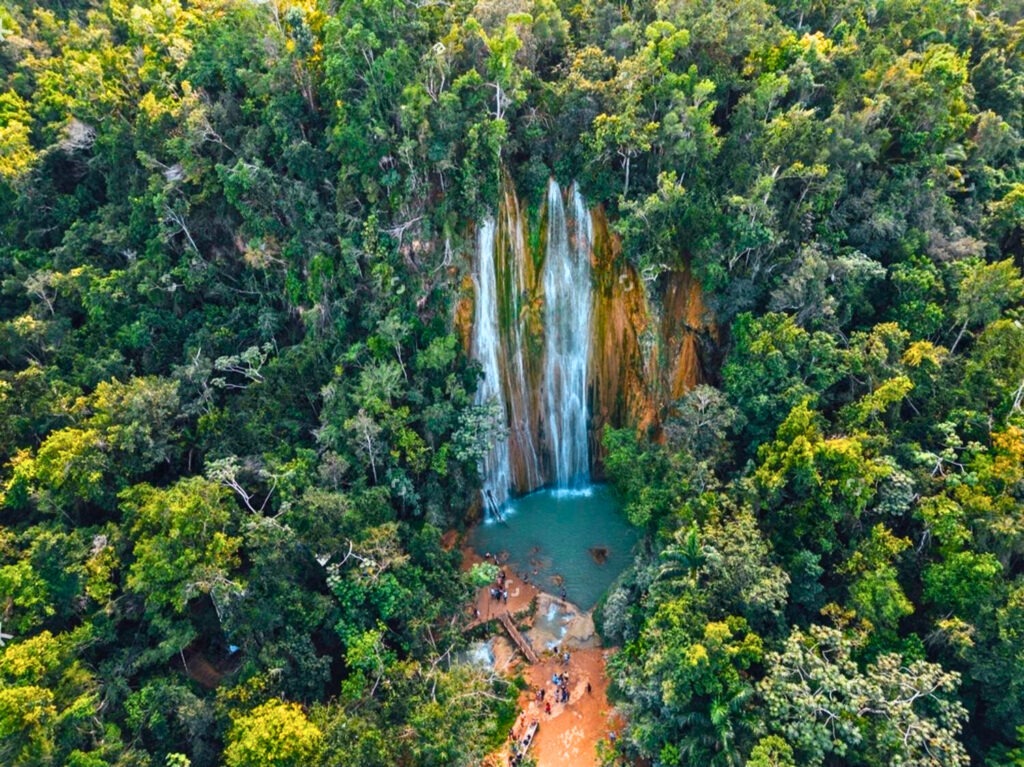
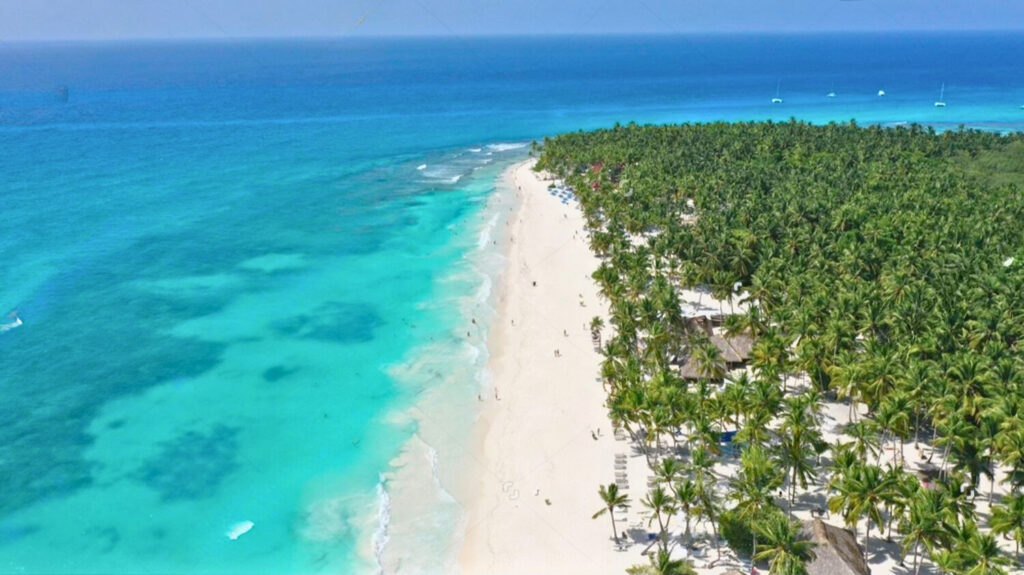
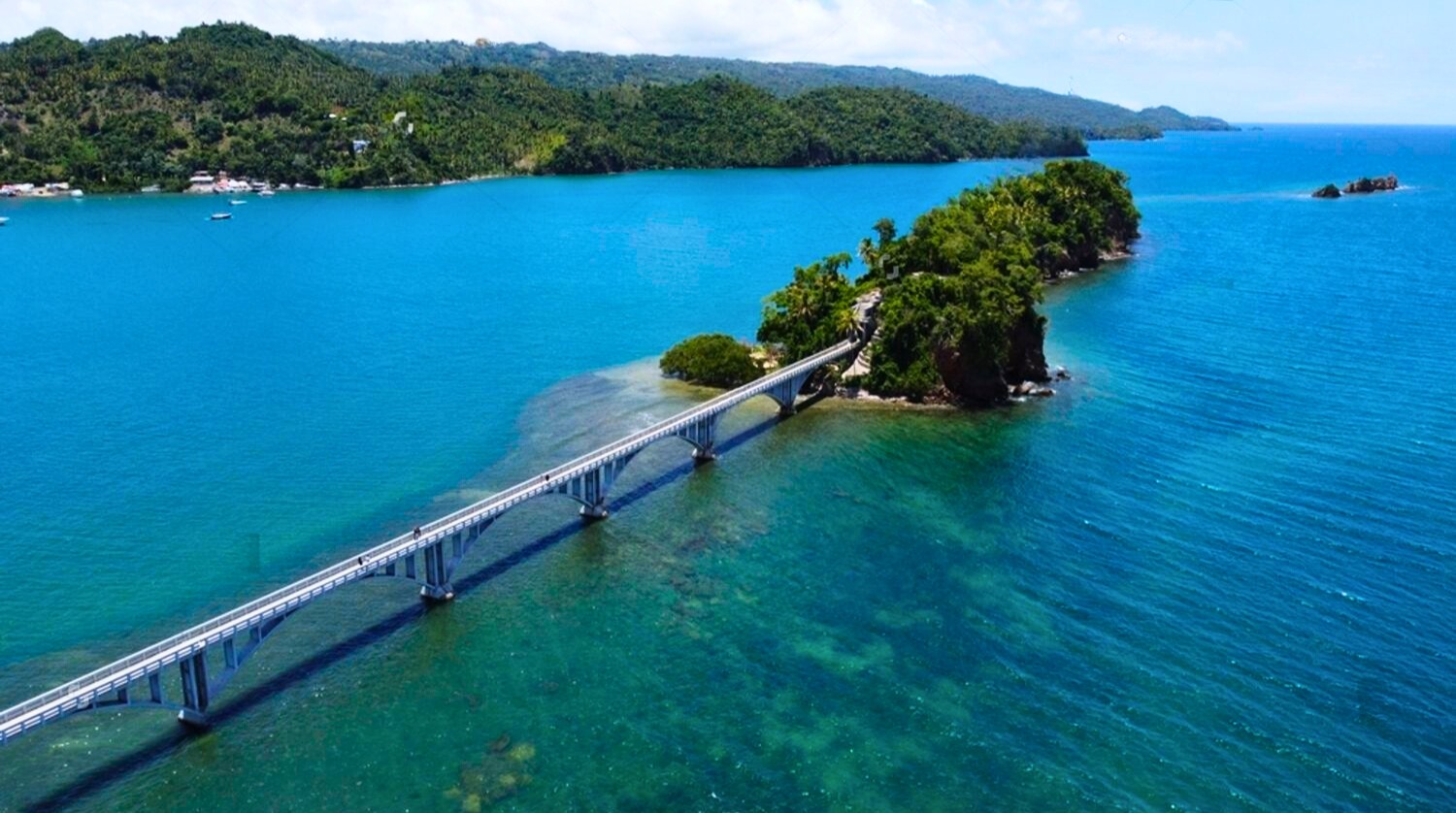
The Dominican Republic boasts breathtaking scenery, from white sandy beaches to verdant mountains. The beaches of Punta Cana, Samaná and Puerto Plata attract sun-seekers and water-lovers alike. The crystal-clear waters are perfect for diving and snorkeling, while the mountains offer opportunities for hiking and exploring.

11 millionième v
République Dominicaine

Rich culture

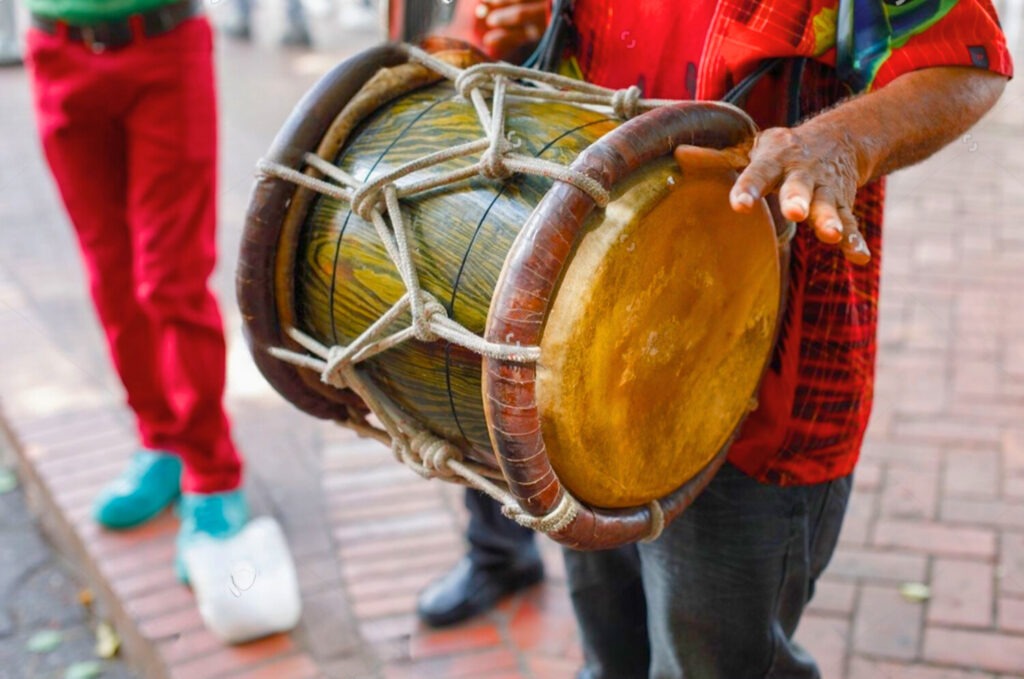
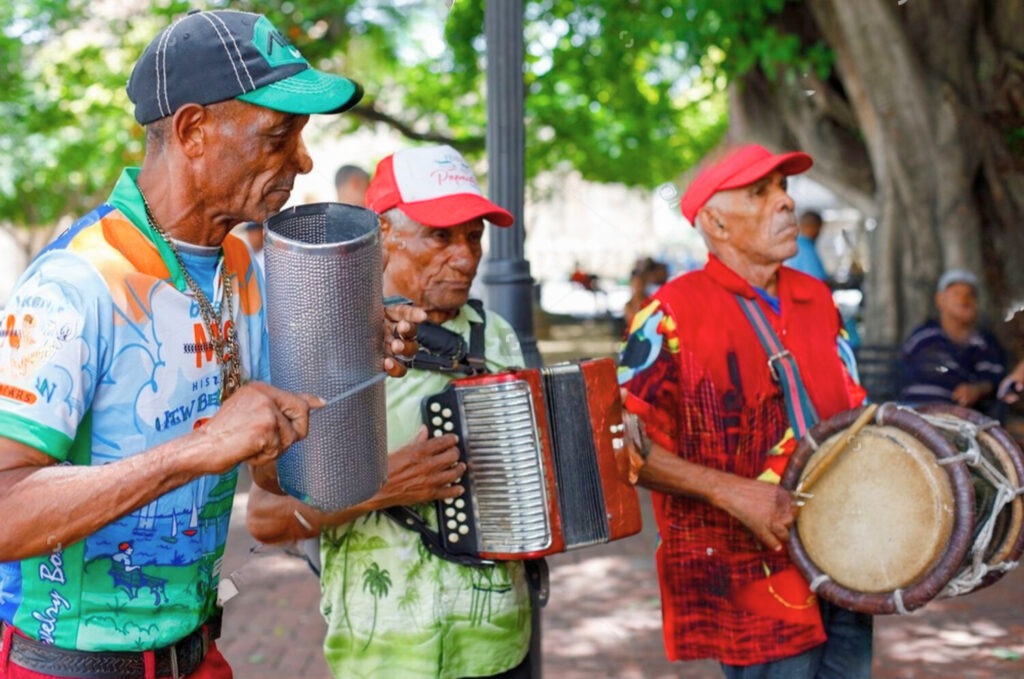
Dominican culture is a fascinating blend of African, Spanish and Taino influences. This diversity is reflected in its music, dance and gastronomy. Cultural festivals such as Carnival attract tourists who wish to immerse themselves in this rich tradition. Typical dishes, such as mangu and sancocho, seduce visitors’ palates.

République Dominicaine
Musiciens de rue jouant de la musique merengue

Quality accommodation

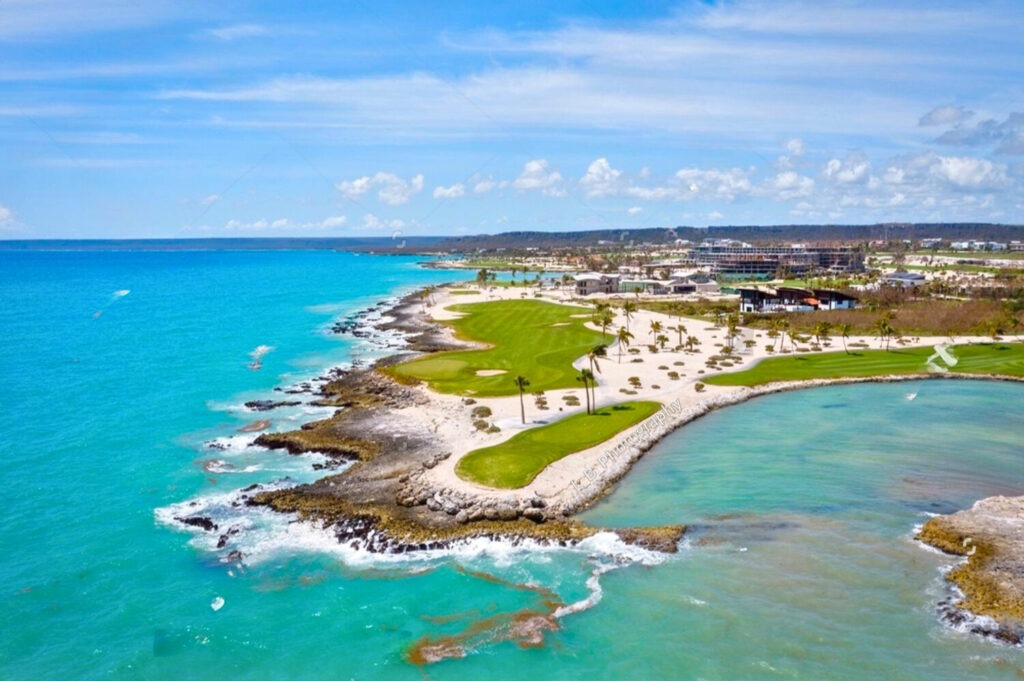
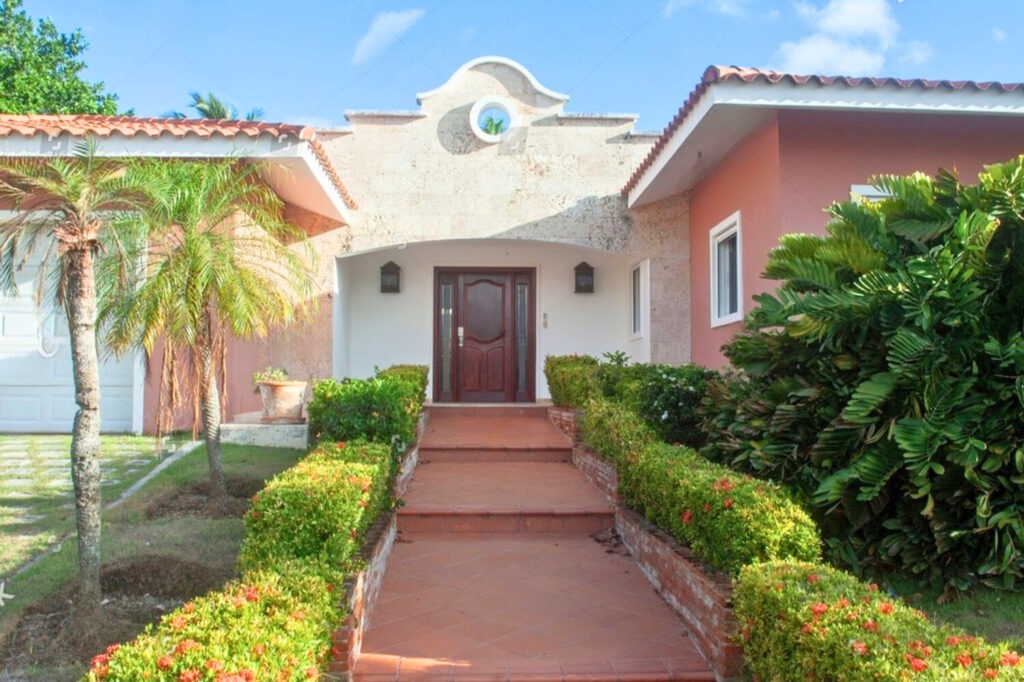
The Dominican Republic offers a diverse range of accommodation, from luxury resorts to small local inns. Major hotel chains are investing heavily in the country, guaranteeing quality service and modern facilities. This not only attracts tourists, but also boosts the local economy.

République Dominicaine
Villa à Punta Cana

Diversified activities

Tourist activities in the Dominican Republic are varied and suitable for all ages. From boat trips to tours of coffee plantations, there’s something for everyone. Golf enthusiasts can enjoy world-class courses, while history buffs can explore the historic sites of Santo Domingo, the first city of the New World.

Economic impact of tourism

Tourism plays a key role in the Dominican economy. With 949,000 jobs linked to the sector, it is a driving force behind local employment. The income generated by tourism also helps to finance infrastructure, schools and hospitals, improving the quality of life for local residents.

Minister Collado stressed that this growth was the result of a collective effort between the public and private sectors. An effective marketing strategy has positioned the Dominican Republic as a destination of choice on the world stage.

A promising future for tourism

The Minister also expressed confidence in the future of tourism in the Dominican Republic. With infrastructure expansion projects and initiatives to promote the country internationally, the outlook is bright. Ongoing efforts to improve the visitor experience will ensure that the country remains a top destination.

The Dominican Republic is much more than just a tourist destination. It’s a place where natural beauty, vibrant culture and hospitality come together to create an unforgettable experience. With the welcome of its 11 millionth visitor, the country reinforces its position as a leader in the tourism sector. As visitors, we have the chance to discover this Caribbean wonderland, while contributing to the prosperity of its people.

One Response

Leave a Reply

Your email address will not be published. Required fields are marked *

More articles from RK

Well mudda sick
HISTORY & HERITAGE
Tolotra

“Well mudda sick!”: But what do these three words really mean?

In the Bahamas, three words are enough to express surprise even before you realize what just happened. Good news breaks, a plan falls through, something exceeds expectations: “Well mudda sick!” might pop up in conversation. Taken literally, the meaning is confusing. In Bahamian usage, however, the expression is much simpler than it seems. Three words that don’t really translate word for word “Well mudda sick!” literally translates to “Well, my mother is sick.” But that’s not what a Bahamian means when they use it. Instead, the expression functions more like an exclamation: “Wow!”, “Oh my!”, “Unbelievable!”, or even “My God!”, depending on the situation and tone. It is precisely this discrepancy that makes it interesting. Someone who knows every single English word can understand the sentence on paper and yet completely miss its meaning in conversation. Here, it’s not just the words that matter. Context, speed, and intonation play a

Read More »
Chattel house
HISTORY & HERITAGE
Tolotra

Chattel House: The Hidden Social History Behind Barbados’ Houses

At first glance, they catch the eye with their wooden facades, their colors, and their simple proportions. Yet Barbados’ chattel houses are not merely an architectural signature. Their form reflects a specific social reality: for a long time, some residents could own their homes without owning the land on which they stood. A chattel house therefore had to be movable. Chattel House: A Home Designed for Traveling To understand this unique aspect, we must look back to the post-emancipation period. In Barbados, the emancipation of enslaved people was completed in 1838. However, the island’s land structure remained deeply shaped by the sugar economy. As early as the 17th century, the expansion of sugarcane cultivation had led to the concentration of land in the hands of large plantations. After emancipation, many workers still lived on land belonging to the plantations. They could build a home and own it, without owning the

Read More »
Bélya Matinik : 10 titres pour faire du bèlè un récit du présent.
MUSIC
Tolotra

Bélya Matinik: 10 tracks that make bèlè a story of the present.

On August 9, 2026, Bélya will officially release *Adoumanman*, a ten-track album conceived as a balance between the bèlè heritage and contemporary creativity. In this album, the Martinican band sets to music themes of migration, memory, transmission, violence, resistance, and hope, without turning a blind eye to the present. Bélya: Heritage as a Starting Point With Adoumanman, Bélya pursues an idea that runs through his artistic approach: remaining deeply rooted in bèlè while allowing this art form to evolve with the times. The group refers to its style as “Bèlè Fusion” and performs k’bel, or kadans bèlè, drawing notably on the rhythms of Samaritan and Arlesian bèlè, as well as the musicians’ experiences with carnival, gospel, zouk, and jazz. The vision behind this new album can be summed up in a few words: “Roots, and openness to the winds of the world”. Adoumanman also uses the phrase “Mi Plézi dann.”

Read More »

conTACT RK

we'd love to have your feedback on your experience so far

Join The List

Join our Richès Karayib community!  Sign up for our newsletter.

Want To Maximize Your Business Presence On Riches Karayib?

Complete the form to start the application