Société Guyanaise de Recyclage: In French Guiana, the problem of end-of-life vehicles (ELVs) represents a major challenge for the environment and public health. According to Ademe, between 20,000 and 30,000 ELVs litter the territory, with a significant concentration on the island of Cayenne. To remedy this situation, Société Guyanaise de Recyclage (SGR) has inaugurated a recycling center in Matoury, capable of processing some 15 vehicles a day and 12,000 tonnes of scrap metal a year. This article explores the impact of this project on the preservation of our territories through optimized waste management.
The problem of end-of-life vehicles in French Guiana
ELVs are more than just an eyesore; they also entail health and environmental risks. These abandoned vehicles encourage the proliferation of mosquitoes, contributing to the spread of diseases such as dengue fever. What’s more, some are used to conceal illegal substances, posing security problems. Société Guyanaise de Recyclage therefore operates in a context where waste management is essential for public health and safety. According to Ademe, the number of ELVs in French Guyana is estimated at between 20,000 and 30,000, with annual growth of 2,000 to 3,000 units. Without intervention, this figure could rise to 50,000, 80% of which would be on the island of Cayenne.
The Matoury Recycling Center: a concrete response to environmental challenges
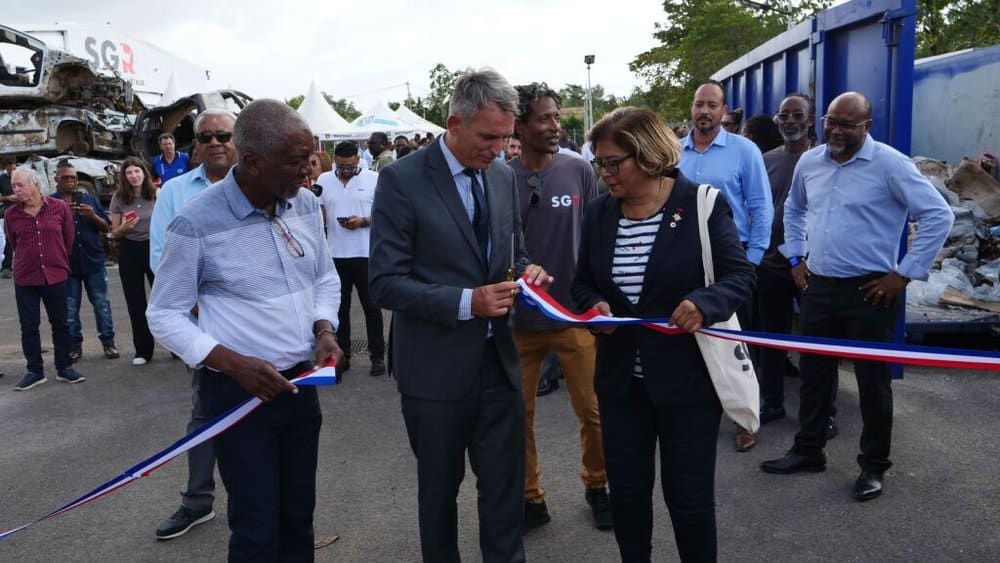
The recycling center inaugurated by Société Guyanaise de Recyclage in Matoury is a major project, financed to the tune of 6.4 million euros, a large part of which comes from European funds, notably the FEDER French Guiana 2021-2027 program. The center stands out for its use of electric shredding technology, reducing its carbon footprint. Thanks to this innovation, only 10 kg of final waste is produced per tonne of ELV treated, compared with 260 kg for traditional methods. Designed to process around fifteen vehicles a day, it contributes to the significant reduction of ELVs in French Guiana.
Health and environmental issues
Abandoned ELVs represent a major ecological hazard. As well as causing visual pollution, they degrade the environment and compromise public health. By recovering and treating these vehicles, Société Guyanaise de Recyclage helps to limit these impacts. During the dengue epidemic in 2024, the authorities have identified ELVs as potential breeding grounds for mosquitoes, prompting them to step up their clean-up efforts. In addition, by reducing the quantity of non-recyclable waste, the center helps to preserve natural resources and protect the local ecosystem.
Socio-economic impact of the project
The Société Guyanaise de Recyclage project is not limited to its ecological impact: it also plays a key role in the local economy. The creation of 20 technical and administrative jobs boosts the job market in French Guiana. What’s more, by recovering waste, the center contributes to the environment. What’s more, by recycling waste, the center contributes to the circular economy, a model that encourages the reuse and recycling of materials. This concept is all the more relevant in a context where waste management is becoming a major issue for sustainable development.
Technology and innovation
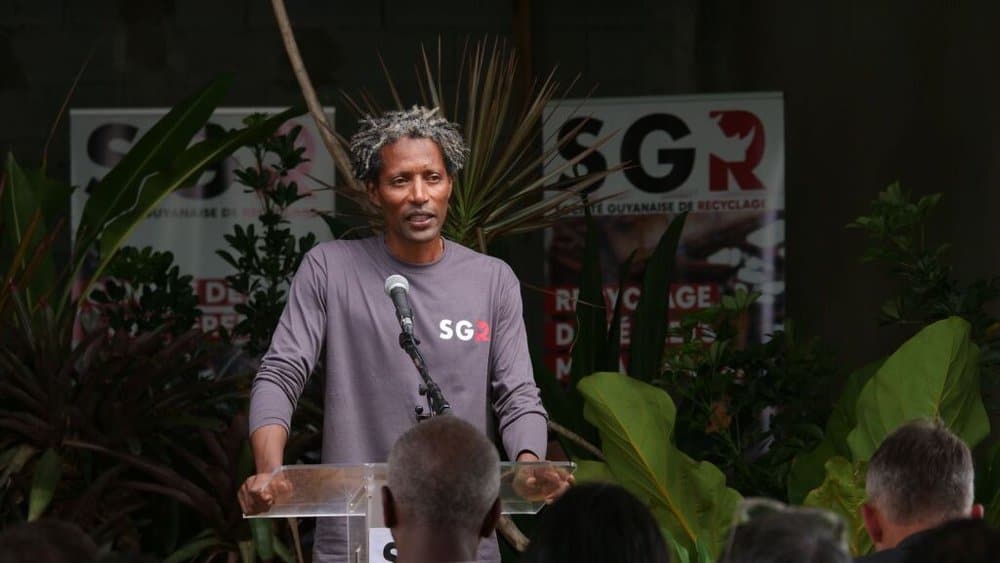
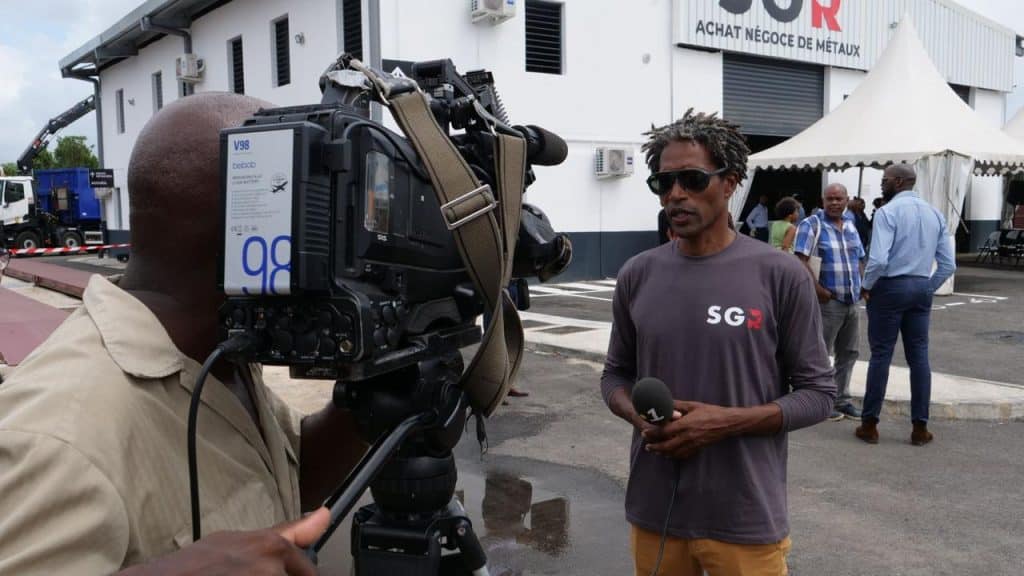
Technological innovation is at the heart of Société Guyanaise de Recyclage‘s strategy. According to Alain Montjean, president and founder of SGR : “We have set up a dismantling line, which dismantles the vehicle so that it can be shredded”. The electric shredding process efficiently treats waste while reducing CO₂ emissions. Recycling begins with the careful dismantling of vehicles, enabling materials recovery to be optimized and ultimate waste to be minimized. This approach illustrates how technology can reconcile efficiency and respect for the environment.
Partnerships and financing
The SGR project has received public and European funding, underlining the importance of collaboration between private players and public institutions. Ademe, a key player in environmental management, also supports this initiative, demonstrating that the success of such projects depends on a collective, coordinated approach.
Société Guyanaise de Recyclage plays an essential role in sustainable waste management in French Guiana. By adopting an innovative and efficient approach to ELV treatment, it contributes to environmental protection, improved public health and local economic dynamism. This project demonstrates that responsible waste management can be both ecologically and socio-economically beneficial. The SGR embodies a sustainable development model where environmental progress and economic growth go hand in hand.