
Saint kitts and Nevis – The Trade and Business Forum: the private sector, driving the green transition in the Caribbean

Forum sur le commerce et les affaires

The Trade and Business Forum organized in Saint kitts and Nevis from March 17 to 20, highlighted a crucial issue: the indispensable role of the private sector in the Caribbean’s green transition. This regional dialogue, led by Caribbean Export in collaboration with the Green Climate Fund (GCF), brought together key players to explore how trade can become a driver of climate resilience and economic transformation. As the region faces the challenges of climate change, the Trade and Business Forum has paved the way for a more sustainable and competitive economy.

Caribbean trade: opportunities and challenges

In 2023, CARICOM recorded $40.2 billion in exports against $49.6 billion in imports, revealing a worrying trade deficit. These figures underline the need for greater economic resilience. At the heart of this transformation are micro, small and medium-sized enterprises (MSMEs), which account for between 70% and 85% of Caribbean economies. These companies play a key role in economic sustainability by exploiting the opportunities offered by green trade.

The Trade and Business Forum highlighted promising sectors, including :

  • Sustainable agriculture, with the ambitious goal of reducing food imports by 25% by 2030.
  • Clean energy, where the Caribbean has immense potential thanks to its natural resources.
  • Digital transformation, revolutionizing supply chains and improving business efficiency.
Trade and Business Forum

Sustainable industries: Potential and obstacles

The Caribbean has everything it takes to become a leader in sustainable industries such as :

  1. Clean energy, with increasing adoption of renewable energies.
  2. The blue economy, which promotes the sustainable use of the oceans.

Ocean industries, essential for environmentally-friendly growth.

However, the the Trade and Business Forum highlighted several obstacles:

  • Logistical challenges linked to insularity.
  • Regulatory loopholes slowing down investment.
  • Financial constraints that limit access to modern technologies.

To achieve its climate goals, particularly in sustainable agriculture, CARICOM needs to invest heavily in practices such as organic and climate-smart farming. These efforts require urgent modernization of supply chains.

Digital transformation as a catalyst for the green economy

Digital transformation is a cornerstone of this ecological transition. Technologies such as :

  • Artificial intelligence (AI),
  • Blockchain,
  • The Internet of Things (IoT) can significantly improve business efficiency while enhancing transparency.

The Trade and Business Forum illustrated how these tools can optimize the management of agricultural resources or facilitate the monitoring of sustainable supply chains.

Trade and Business Forum

Green financing: Essential leverage for the private sector

A major challenge for Caribbean companies is access to affordable financing for their green initiatives. At the At this Trade and Business Forum several financial institutions presented their innovative solutions:

  1. Republic Bank offers instruments tailored to green projects.
  2. The CARICOM Development Fund (CDF) provides financial support for MSMEs committed to sustainability.

The Green Climate Fund also shared inspiring case studies such as the “Accelerating Solar Action” program in Ghana. These examples show how concessional financing can encourage private investment in climate resilience.

Trade and Business Forum

Public-private collaboration to accelerate the green transition

Collaboration between governments and private companies is essential to accelerate this ecological transition:

  1. Governments need to reform their policies to encourage investment in sustainable industries.
  2. Financial institutions need to develop more solutions tailored to the specific needs of the private sector.

Companies need to be actively involved in these initiatives if they are to remain competitive on a global scale.

The Trade and Business Forum highlighted this public-private partnership as a key lever for creating a favorable environment for sustainable trade while strengthening regional economic resilience.

Trade and Business Forum sent a clear message: it’s time to act. The Caribbean has immense potential to thrive in a green economy, but this requires collective mobilization. Businesses need to adopt sustainable practices; governments need to provide the right regulatory framework; and financial institutions need to facilitate access to green finance. Together, these players can transform the region into a world leader in sustainable trade.

Leave a Reply

Your email address will not be published. Required fields are marked *

More articles from RK

Bonaire salt marshes: pink ponds and white salt mountains in the south of the island
HISTORY & HERITAGE
Tolotra

Bonaire: 3,700 hectares of salt marshes conceal a history of slavery

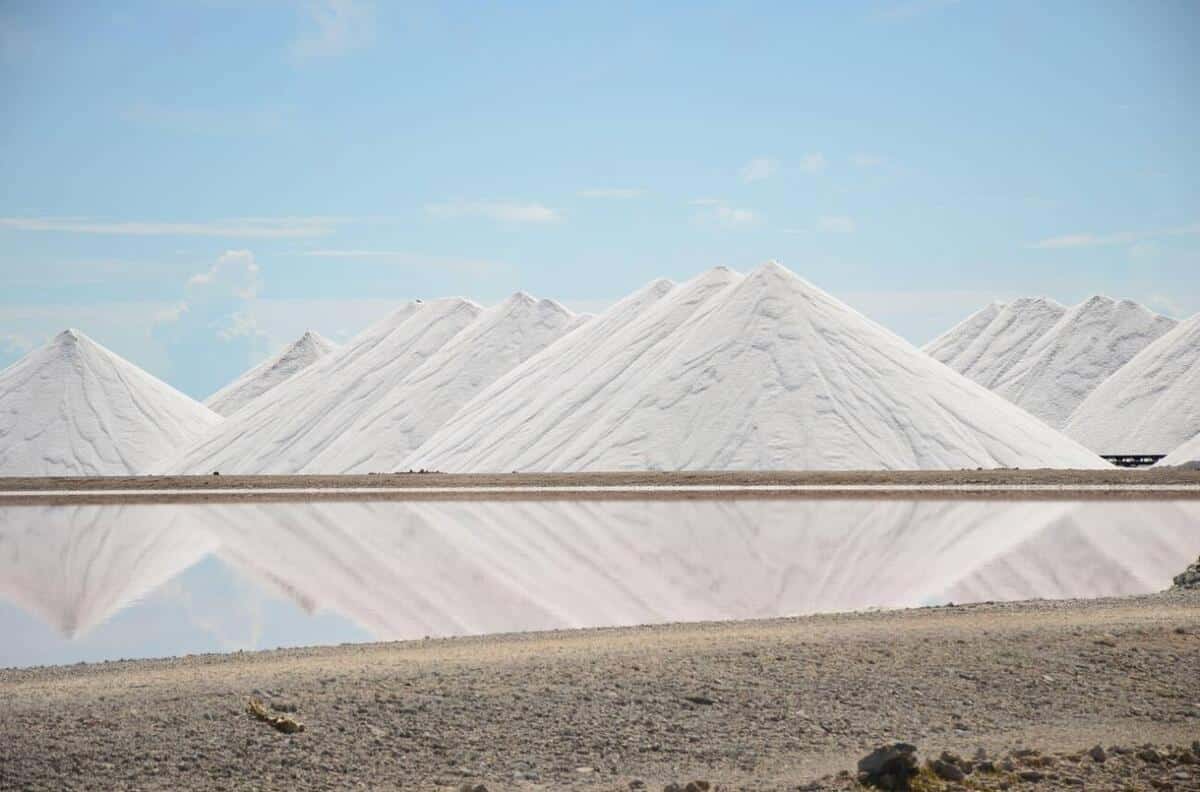
At the southern tip of Bonaire, a Dutch-speaking island in the Caribbean, the salt marshes stretch out in pink and white basins across nearly 3,700 hectares—thirteen percent of the island’s total area. This postcard view, photographed every year by thousands of visitors from the coastal road, hides a history dating back more than five centuries, the story of salt that shaped Bonaire’s economy and, for two hundred years, the lives of hundreds of enslaved people. Along EEG Boulevard, which runs along the southern coast of Bonaire, mountains of white salt come into view kilometers before you reach them. Each contains about 10,000 metric tons of salt that is 99.6% pure, piled nearly 15 meters high, with up to 200,000 metric tons stored at any given time. Their whiteness, so intense that you need to keep sunglasses handy, stands in stark contrast to the pink of the neighboring pools. The salt
Read More »
Journées européennes du patrimoine 2026
EVENT MANAGEMENT
Tolotra

European Heritage Days 2026: Martinique Opens Its Archives.

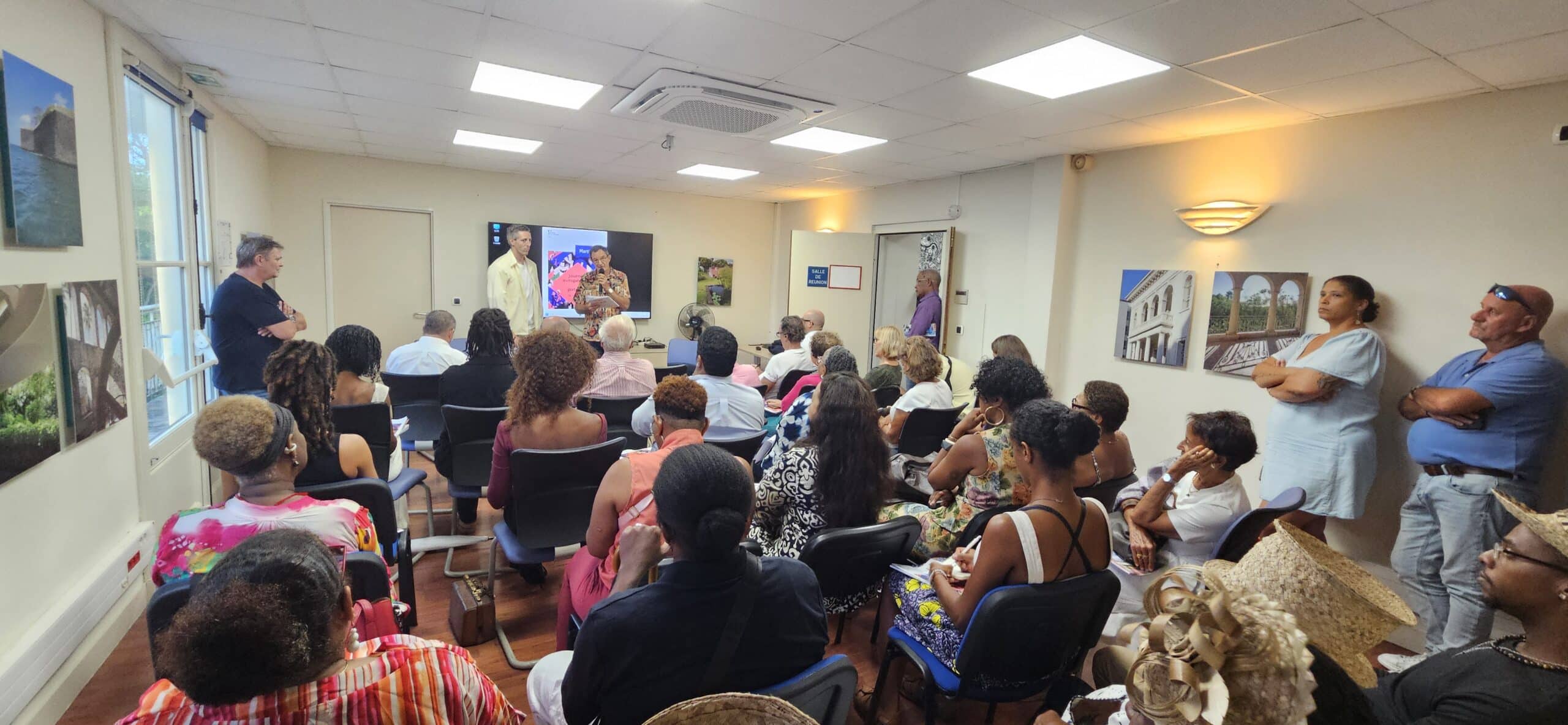
On September 15, at 5 p.m., the conference room of Martinique’s Cultural Affairs Department is already packed. Journalists, cultural leaders, organizations, artists, and heritage professionals have gathered to find out what the 43rd edition has in store. With just four days to go before the 2026 European Heritage Days , scheduled for September 19 and 20, this press conference already feels like a journey across Martinique—from its Creole huts to its lighthouses, from Saint-Pierre to the monuments we sometimes pass by without really noticing them. European Heritage Days 2026: A Lively Conference Johan-Hilel Hamel, Martinique’s director of cultural affairs, opened the meeting without putting on airs. He even warned that the evening would not be a long monologue. The conversation quickly began to flow. A representative from Les Trois-Îlets speaks, followed by Xavier Nicolas from the Directorate of the Sea, Philippe Villard from the Heritage Foundation, Florence Le Gal from

Read More »
caribbean cinema
FILM & VIDEO
Tolotra

S3/10 – Stories of Caribbean Cinema: Two Perspectives on the Year 1980. Texts by Guillaume Robillard. Ciclic, 2026.

With this third episode, *Stories of Caribbean Cinema* moves into the 1980s. The first two installments covered Cuba, Jamaica, Trinidad and Tobago, and Guadeloupe, from the 1960s through the emergence of Caribbean cinema. This time, two films made in the same year take radically different directions. In Jamaica, *Children of Babylon* explores romantic, sexual, and racial relationships with unusual freedom. In Guadeloupe, *Live Free or Die* draws on several centuries of history centered on the legacy of Commander Ignace. This article is the third installment in a series of ten. Two installments have already been published, and seven more will follow in this chronology of Caribbean cinema. 1980: JAMAICA – “CHILDREN OF BABYLON”, BY LENNIE LITTLE-WHITE This film is unique in Jamaican cinema and, more broadly, in Caribbean cinema as a whole. Far from the social deprivation of Kingston’s ghettos, in a villa in the countryside (complete with a swimming

Read More »

conTACT RK

we'd love to have your feedback on your experience so far

Join The List

Join our Richès Karayib community!  Sign up for our newsletter.

Want To Maximize Your Business Presence On Riches Karayib?

Complete the form to start the application