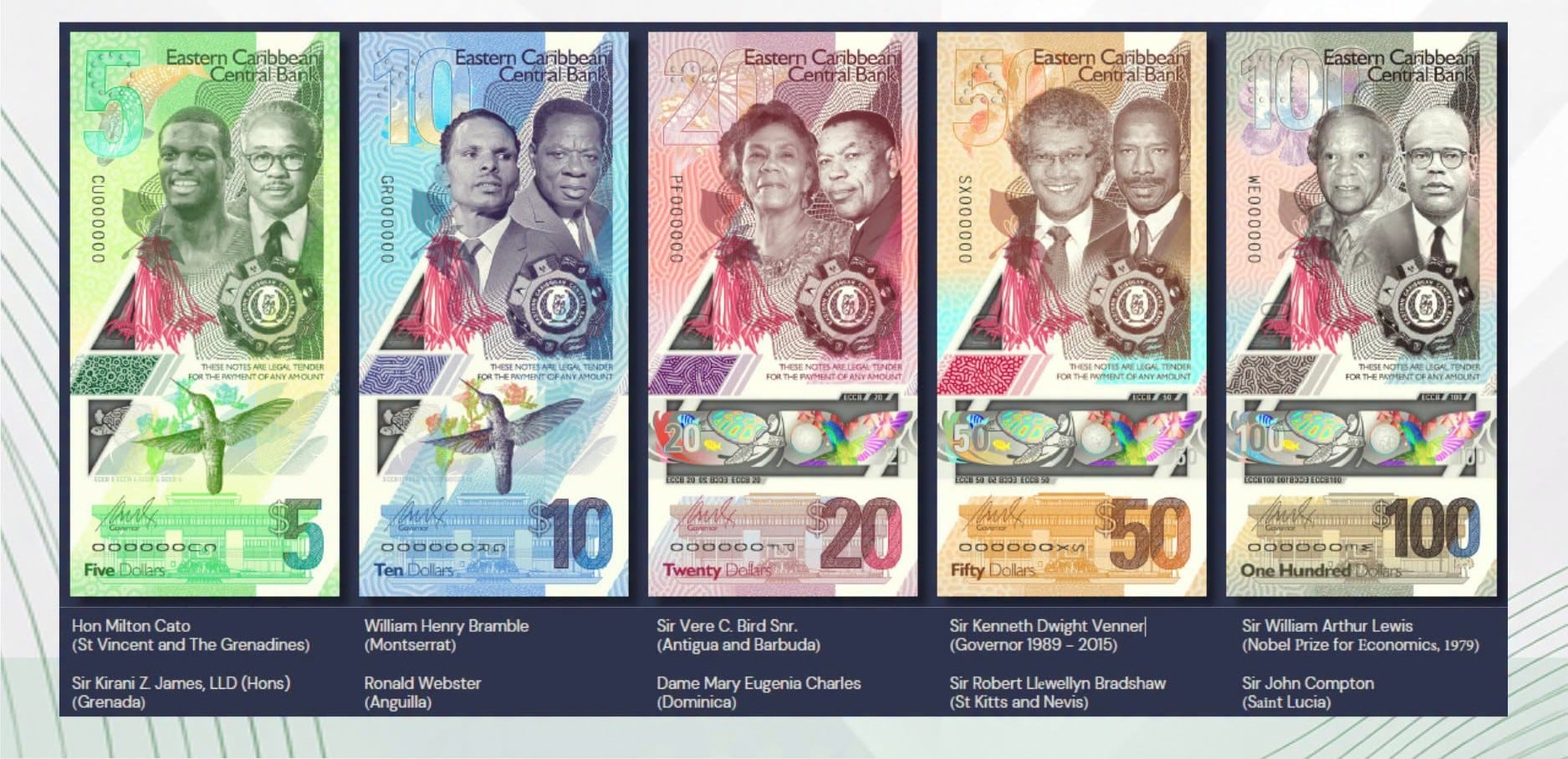
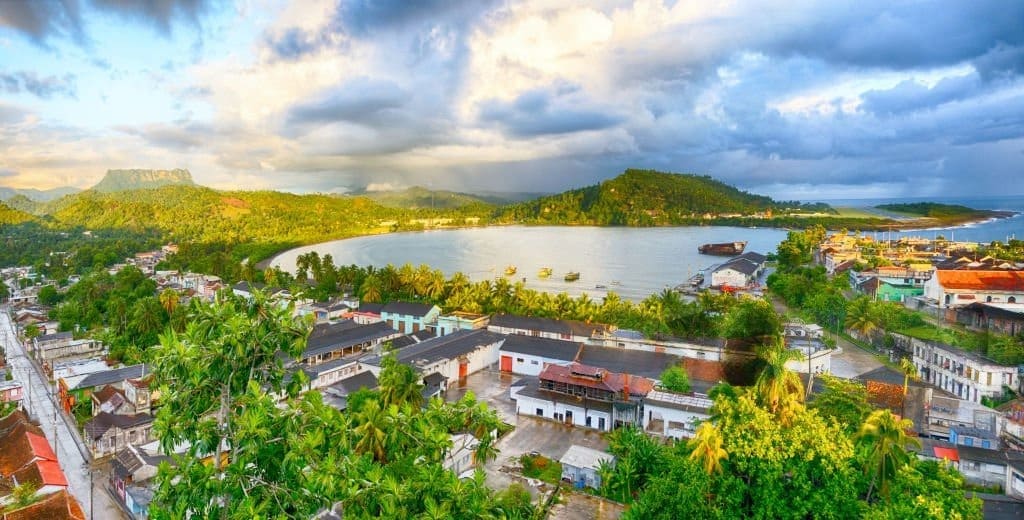
A regional dynamic in the face of energy dependence
Geothermal energy cooperation in the Caribbean is emerging as a strategic response to the common energy challenges faced by member states of the Organization of Eastern Caribbean States (OECS). Faced with the volatility of fossil fuel prices and the need for a low-carbon transition, several island territories have embarked on an innovative collective approach: the pooling of a geothermal drilling rig. This approach aims to strengthen their energy sovereignty while reducing operating costs.
Available and underused geothermal resources
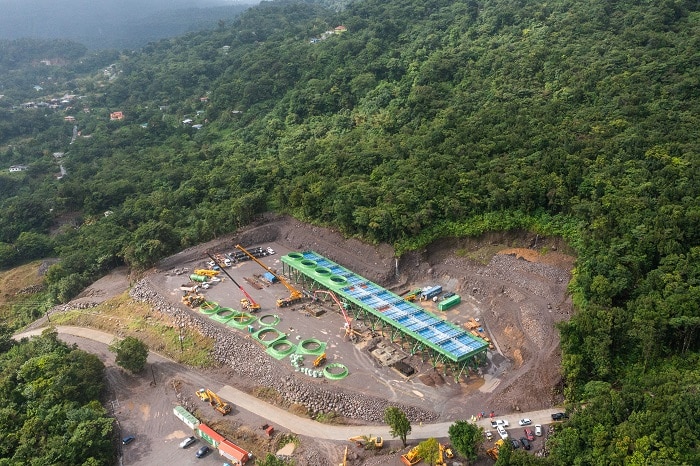
The volcanic islands of Dominica, Montserrat, Saint Lucia, Saint Kitts and Nevis, Grenada and Saint Vincent and the Grenadines have promising geothermal reservoirs. Their common geological characteristics offer a unique opportunity to produce renewable, stable and climate-independent electricity locally. Yet, despite this potential, geothermal energy cooperation in the Caribbean remains in its infancy. To date, only Dominica has embarked on the construction of a geothermal power plant, aiming to cover 50% of its electricity demand by the end of 2025.
The main stumbling block remains the high cost of exploratory drilling, estimated at several million dollars per well, not least due to the need to bring in a drilling rig from abroad. The lack of shared equipment at regional level is also a major obstacle.
GEOBUILD: training, structuring, accelerating
To overcome these obstacles, the OECS has set up the GEOBUILD program (Geothermal Energy: Capacity Building for Utilization, Investment and Local Development). Co-financed by the Caribbean Development Bank (CDB) and implemented in partnership with the Caribbean Centre for Renewable Energy and Energy Efficiency (CCREEE), this program aims to structure geothermal cooperation in the Caribbean around three axes: capacity building, financial engineering and shared governance.
The main beneficiaries – Dominica, Saint Lucia, Grenada, Saint Vincent and the Grenadines and Saint Kitts and Nevis – take part in training workshops and technical exchanges, as well as field missions such as a visit to the Bouillante power plant in Guadeloupe. The aim is to create a regional geothermal energy culture adapted to local realities.

A shared drilling rig : towards concrete implementation
At the heart of this strategy, the pooling of a drilling rig is currently under study. The Italian company ELC-Electroconsult S.p.A., an expert in energy infrastructures, has been commissioned to assess the technical, economic and regulatory feasibility. The study explores scenarios for deploying the equipment in different member states, possible governance models and staff training requirements.
This geothermal energy cooperation initiative in the Caribbean would create a rotation schedule between territories, limiting mobilization and demobilization costs, while guaranteeing greater availability of the tool.

Economic, energy and social benefits
Pooling such equipment could generate substantial savings, with drilling costs cut by 20-30%. It would also make geothermal energy cooperation more competitive than the widespread use of oil-fired generators. What’s more, this approach would encourage the creation of technical jobs, the structuring of a regional industry and the revival of related activities such as engineering and industrial maintenance.
Geothermal energy cooperation in the Caribbean would also pave the way for new uses: heating agricultural greenhouses, thermal aquaculture, agri-food production, or even developing wellness tourism around natural hot springs.
Enhancing local skills
An essential aspect of the project is to increase the skills of local players. The aim is to reduce dependence on foreign experts by training specialized geologists, drillers, technicians and engineers. Partnerships are envisaged with regional universities such as the University of the West Indies (UWI) and the University of the West Indies to create appropriate curricula.
So geothermal energy cooperation in the Caribbean is not just a technical project: it’s part of a process of transforming educational, industrial and institutional systems, for the benefit of greater autonomy.
Financial partnerships and multilateral support
The initiative is supported by a number of international donors. In addition to the CBD, the project is supported by the European Union via the GCCA+ program, the Green Climate Fund and the Inter-American Development Bank. These players provide invaluable expertise in structuring the project in line with international standards, while ensuring that it is adapted to the specific characteristics of the islands.
The success of geothermal energy cooperation in the Caribbean will nevertheless depend on the political will of the governments concerned, their ability to share responsibilities, and the soundness of the legal mechanisms governing the use of the drill.

A collective ambition for the Caribbean of tomorrow
More than a technical project, geothermal energy cooperation in the Caribbean embodies a bold regional vision. By joining forces, the OECS countries are laying the foundations for an integrated, resilient and forward-looking energy strategy. If successful, geothermal energy cooperation in the Caribbean could become a model for other pooling initiatives in the fields of water, transport and health.
It bears witness to a shared conviction: in the face of global challenges, the Caribbean can build local, sustainable and mutually supportive solutions.