[KARAYIB ESCAPE] Anguilla Great House: Rediscover the Art of Slowing Down on Rendezvous Bay

KARAYIB ESCAPE - Anguilla Great House

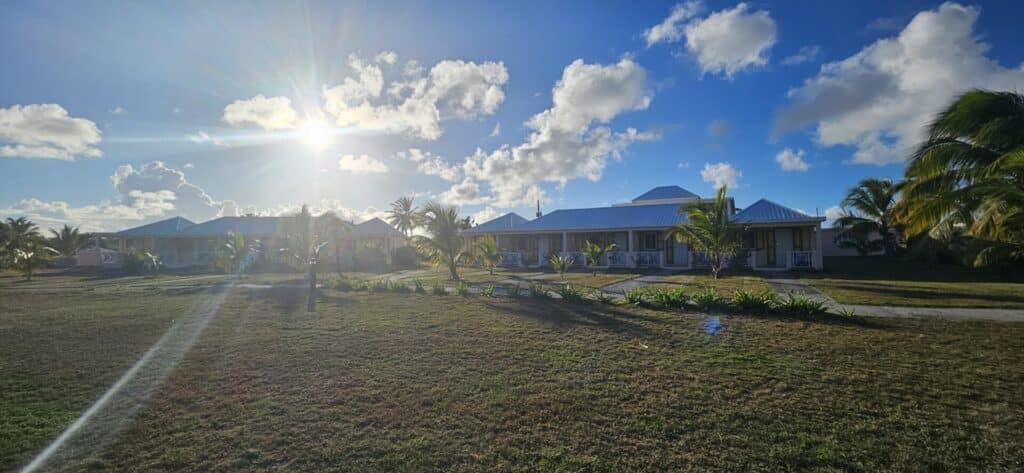
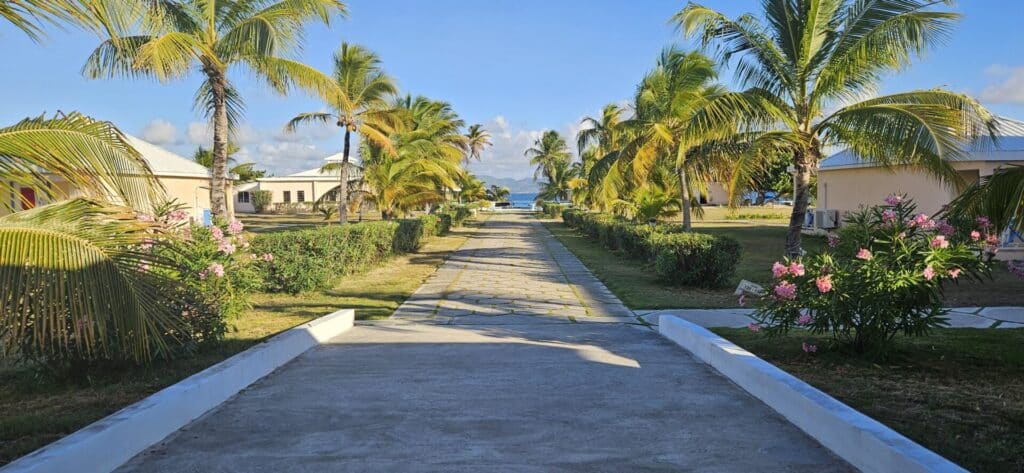
Some places are meant to be shared. Others you want to keep all to yourself. Anguilla Great House belongs to both. Tucked along the powder-white sands of Rendezvous Bay, this hidden gem invites you to breathe deeper, move slower, and connect — with the land, the people, and yourself. Forget towering resorts or over-the-top amenities. Here, Caribbean-style cottages nestle into tropical gardens just steps from the sea, kissed by ocean breeze and island sun. What matters most? That unmistakable feeling of being exactly where you belong.g.

A Legacy of Local Vision

Anguilla Great House is not just another hotel. It’s the fruit of a quiet, visionary act of resistance. Its founder, Conrad Walton Flemming, architect and builder, set out to prove that Anguillians could be the architects of their own tourism future. On his grandfather’s land, he built this place in the 1980s using local resources and a human-centered approach to hospitality. Step by step, by training and empowering a local workforce, he brought to life a destination that still today proudly upholds its 100% Anguillian roots.

No one ends up at Anguilla Great House by accident. Those who book a stay often return — year after year, with friends, with family, and with memories that keep growing.

Here, hospitality feels real. Smiles are genuine, voices carry the local rhythm, and the warmth you feel isn’t trained — it’s passed down.

The luxury of slowing down

From your private bungalow, just steps from the sea, the sound of the waves becomes a comforting melody. Rendezvous Bay stretches out before you — vast, almost untouched, and utterly hypnotic. You walk. You breathe. You unplug. At Anguilla Great House, everything is done with heart — even the art of doing nothing.

Rooms are airy, restful, and designed for real comfort. You’ll sleep deeply, eat joyfully, and raise a glass to the kind of moments that don’t need filters. Think handcrafted cocktails, generous plates of island cuisine, and quiet joy at every turn. Here, luxury isn’t measured in stars, but in precious moments. Like watching your mother chat with strangers, beyond language barriers, in a family-style atmosphere that makes distance disappear.

I came here with work in mind. But what I found was something far more precious: a rare moment between mother and daughter, shaped by warm sand, slow days, and the joy of unexpected encounters. (Yes, Yoyo came with me!)

Where Caribbean Hospitality Comes to Life

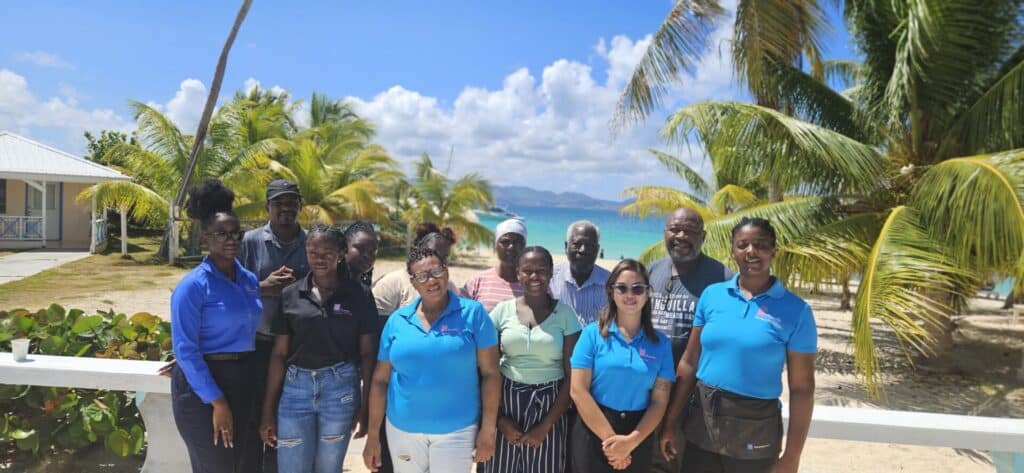
What you feel here — what you experience — isn’t accidental. It’s the result of a clear vision: a Caribbean hospitality rooted in its land, yet open to the world. A vision where every guest is welcomed like someone coming home. The team, mostly local, is trained with care, skill, and heartfelt pride.

Their mission?

To make you feel at home, even if it’s your first time. And they do… And it works — 80% of guests return. A number that speaks of connection, not marketing.

Yes, the beach is breathtaking. Yes, the palms sway like a slow-motion postcard. But what you’ll remember is how it made you feel: unrushed, unbothered, and fully present.

Anguilla Great House is more than a hotel – it’s a pause, a breath of fresh air, a family. Maybe that’s what travel is really about: feeling alive, at home, and far from the noise.

Ready to press pause?

Leave a Reply

Your email address will not be published. Required fields are marked *

More articles from RK

Bonaire salt marshes: pink ponds and white salt mountains in the south of the island
HISTORY & HERITAGE
Tolotra

Bonaire: 3,700 hectares of salt marshes conceal a history of slavery

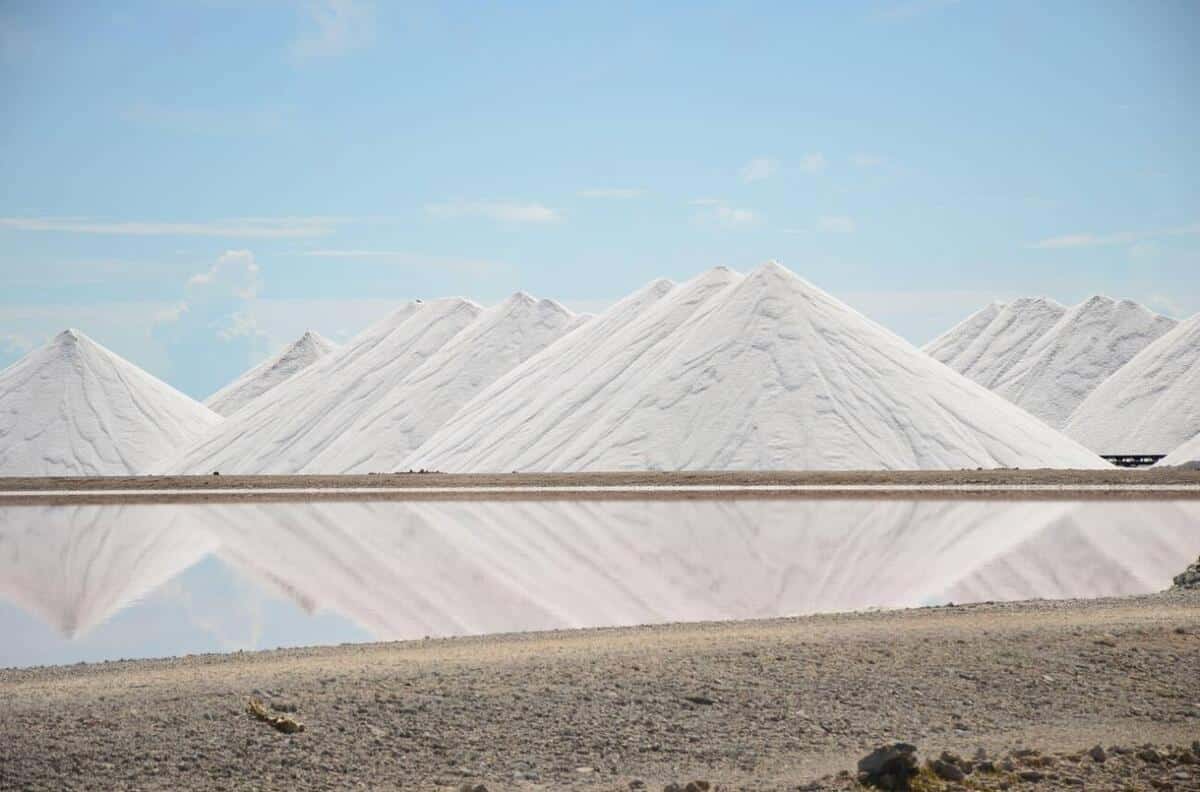
At the southern tip of Bonaire, a Dutch-speaking island in the Caribbean, the salt marshes stretch out in pink and white basins across nearly 3,700 hectares—thirteen percent of the island’s total area. This postcard view, photographed every year by thousands of visitors from the coastal road, hides a history dating back more than five centuries, the story of salt that shaped Bonaire’s economy and, for two hundred years, the lives of hundreds of enslaved people. Along EEG Boulevard, which runs along the southern coast of Bonaire, mountains of white salt come into view kilometers before you reach them. Each contains about 10,000 metric tons of salt that is 99.6% pure, piled nearly 15 meters high, with up to 200,000 metric tons stored at any given time. Their whiteness, so intense that you need to keep sunglasses handy, stands in stark contrast to the pink of the neighboring pools. The salt
Read More »
Journées européennes du patrimoine 2026
EVENT MANAGEMENT
Tolotra

European Heritage Days 2026: Martinique Opens Its Archives.

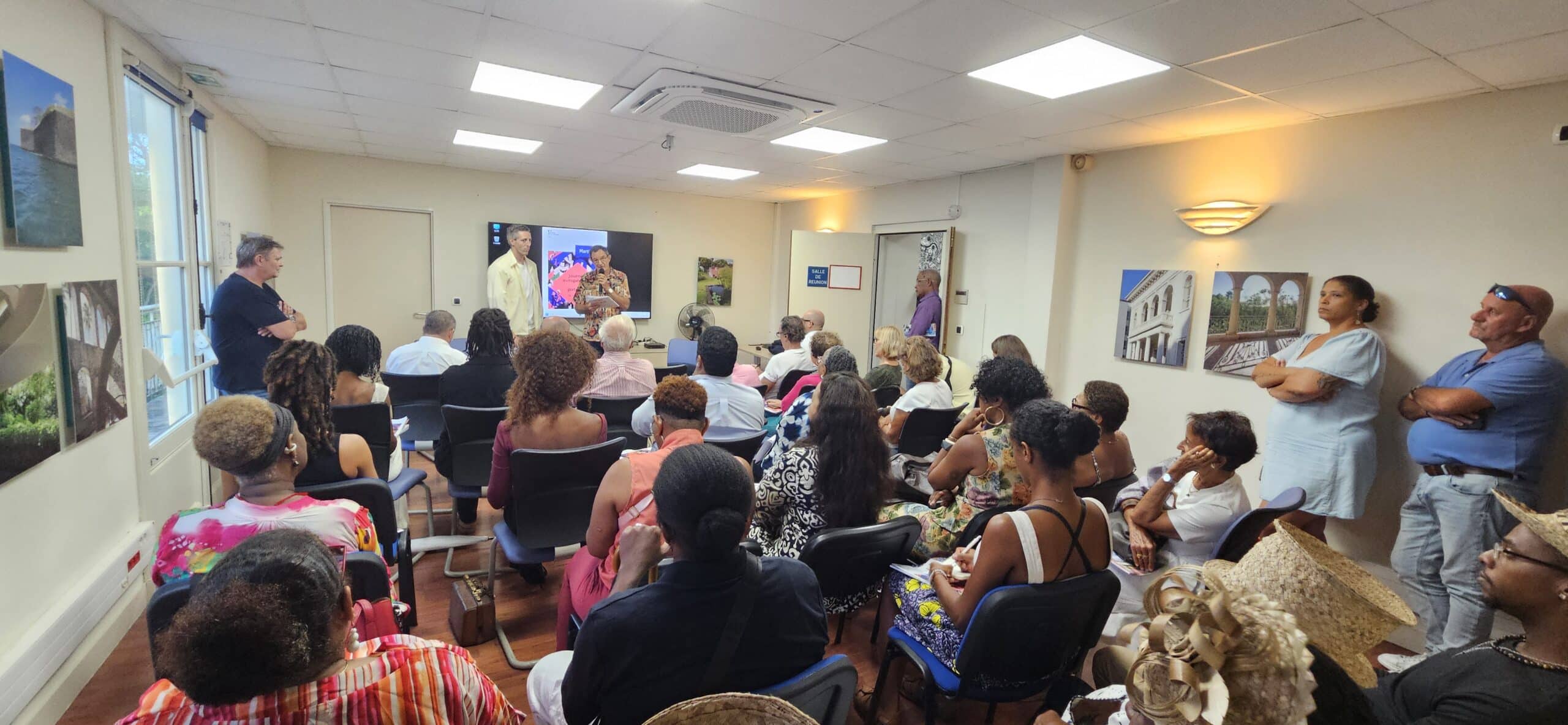
On September 15, at 5 p.m., the conference room of Martinique’s Cultural Affairs Department is already packed. Journalists, cultural leaders, organizations, artists, and heritage professionals have gathered to find out what the 43rd edition has in store. With just four days to go before the 2026 European Heritage Days , scheduled for September 19 and 20, this press conference already feels like a journey across Martinique—from its Creole huts to its lighthouses, from Saint-Pierre to the monuments we sometimes pass by without really noticing them. European Heritage Days 2026: A Lively Conference Johan-Hilel Hamel, Martinique’s director of cultural affairs, opened the meeting without putting on airs. He even warned that the evening would not be a long monologue. The conversation quickly began to flow. A representative from Les Trois-Îlets speaks, followed by Xavier Nicolas from the Directorate of the Sea, Philippe Villard from the Heritage Foundation, Florence Le Gal from
Read More »
caribbean cinema
FILM & VIDEO
Tolotra

S3/10 – Stories of Caribbean Cinema: Two Perspectives on the Year 1980. Texts by Guillaume Robillard. Ciclic, 2026.

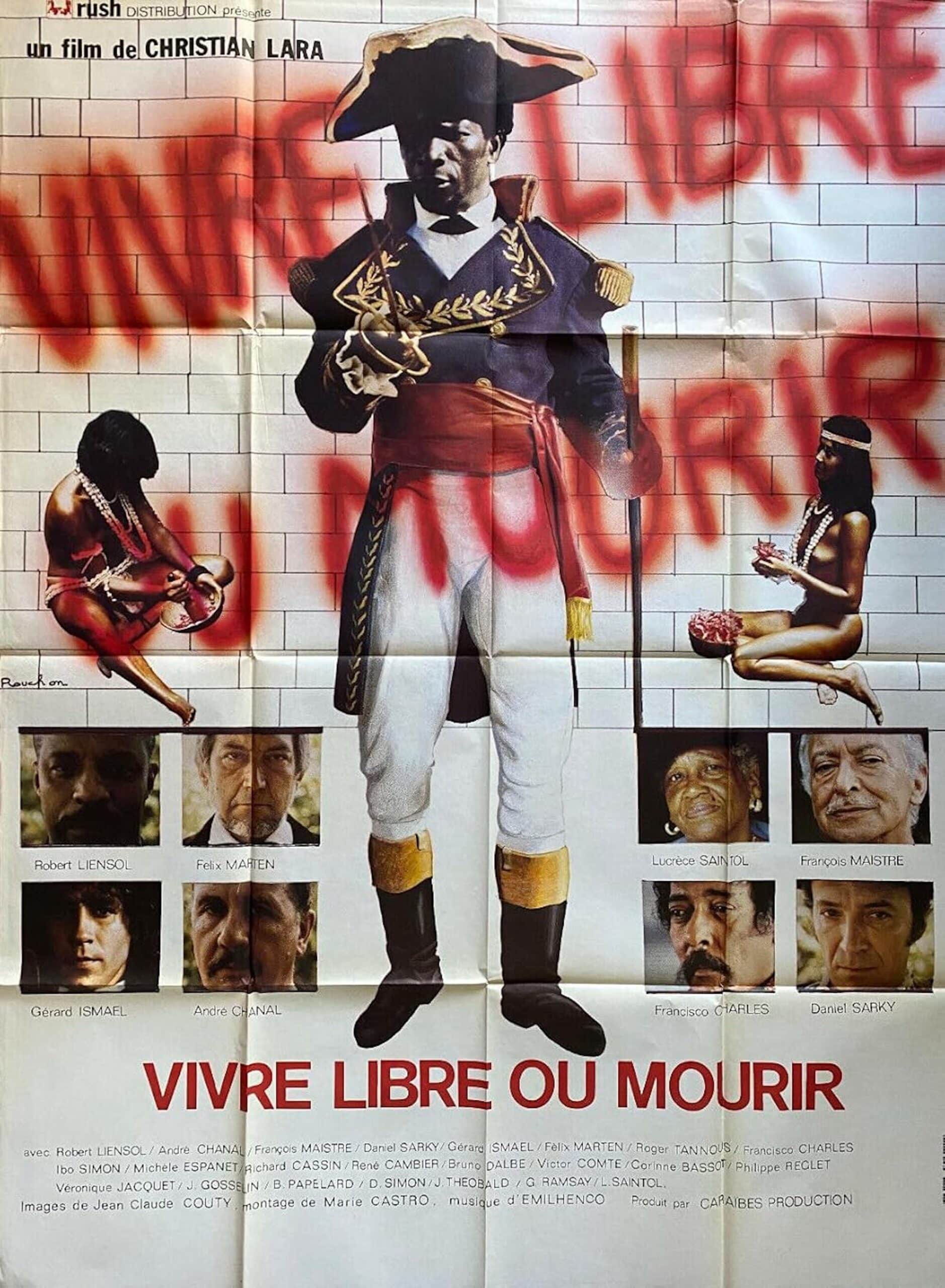
With this third episode, *Stories of Caribbean Cinema* moves into the 1980s. The first two installments covered Cuba, Jamaica, Trinidad and Tobago, and Guadeloupe, from the 1960s through the emergence of Caribbean cinema. This time, two films made in the same year take radically different directions. In Jamaica, *Children of Babylon* explores romantic, sexual, and racial relationships with unusual freedom. In Guadeloupe, *Live Free or Die* draws on several centuries of history centered on the legacy of Commander Ignace. This article is the third installment in a series of ten. Two installments have already been published, and seven more will follow in this chronology of Caribbean cinema. 1980: JAMAICA – “CHILDREN OF BABYLON”, BY LENNIE LITTLE-WHITE This film is unique in Jamaican cinema and, more broadly, in Caribbean cinema as a whole. Far from the social deprivation of Kingston’s ghettos, in a villa in the countryside (complete with a swimming

Read More »

conTACT RK

we'd love to have your feedback on your experience so far

Join The List

Join our Richès Karayib community!  Sign up for our newsletter.

Want To Maximize Your Business Presence On Riches Karayib?

Complete the form to start the application