[JEP 2025] – Martinique: an escape game to bring Saint-Pierre prison back to life

escape game

As part of the Journées Européennes du Patrimoine 2025 (European Heritage Days 2025), the town of Saint-Pierre has once again opted for an original way of rediscovering its history: an immersive escape game, set up in the heart of the ruins of the former prison. Designed and run by the Heritage-Culture-Tourism department, this life-size game called “Sauve qui peut!” offers participants an experience that’s both fun and deeply rooted in the memory of the place.

A site steeped in history, revisited through play

The Saint-Pierre prison is an emblematic place, forever marked by the eruption of Mount Pelée in 1902. Of this tragedy, which destroyed the entire city and claimed almost 28,000 victims, the figure of Louis-Auguste Cyparis remains, one of the best-known survivors, locked in an isolation cell whose thick walls are said to have protected him from the flames and ashes. Even today, visitors come to see “Cyparis’ dungeon”, without always taking the time to linger over the rest of the site.

It was precisely this observation that motivated the creation of the escape game,” explains Manon Kouby, cultural mediator in the town’s heritage department:

“The prison site is known, but not really known. Many people walk past without asking themselves what these spaces represent. The game allows us to rediscover its architecture and organization in a lively way.”

escape game
©tourcrib
escape game
©tourcrib

Cultural mediation that combines learning and participation

Conceived over six months ago, “Sauve qui peut!” is part of a participative approach to heritage. Participants progress through a game of enigmas and observation, examining the details of walls and stones to understand how the building works.

This year, the national theme of the Heritage Days – “Heritage and Architecture” – inspired a new dimension to the game.

“We included more questions on the architectural features of the site,” says Manon Kouby. “Participants spotted the bolt holes, signs of a former floor, or the stonework and basins. They took a new look at the prison, through its construction.”

Here, the escape game becomes a tool for observation and interpretation, where each clue leads not only to the solution of theescape game, but also to a better understanding of Saint-Pierre’s urban history and material heritage.

escape game

A sensitive experience of a place of memory

In the ruins of the prison, the escape game takes on a special resonance. The cracked walls, the traces of the disaster and the remains of the cells recall the fragility of the city at the time and the strength of its memory. To take part in the Escape Game is to confront this tension between past and present: to learn while having fun, while measuring the emotional impact of a tragically famous space.

This approach, supported by the Heritage-Culture-Tourism Department, illustrates a clear desire to transform the passive visit into an immersive experience.

“The aim is to give everyone access to this heritage, whether through games, guided tours or the opening of sites that are closed the rest of the year,” emphasizes the mediator. “During the month of September, we’re a bit busy, but it’s a great time.

escape game
©tourcrib

An initiative open to all

Offered free of charge, on reservation, and for ages 8 and up (with dedicated slots for schoolchildren on Fridays), the escape game is aimed at families, schoolchildren and the curious. The initiative is part of a wider program organized by the town of Saint-Pierre for the 2025 European Heritage Days: guided tours of the prison and theater (Ville d’art et d’Histoire label mentioned on the poster), treasure hunts and a Geogaming treasure hunt, as well as the play “Juste seul, Cyparis” by Jean-Camille Sormain.

escape game
©Ville de Saint-Pierre Martinique

Giving new meaning to heritage, stone by stone

Beyond the event itself, the “Sauve qui peut” escape game illustrates a turning point in the way we approach heritage mediation: no longer as a simple vertical transmission, but as a collective and participative adventure.

By inviting visitors to observe, question, seek and understand, Saint-Pierre’s heritage department succeeds in bringing the memory of the 1902 disaster into dialogue with contemporary issues of transmission. Here, play is not a form of entertainment detached from reality: it becomes the vector of a link between generations, between architecture and emotion, between past and present.

In conclusion, Manon Kouby sums up the spirit of this approach with simplicity:

“Come one, come all. The European Days are a highlight, but we welcome the public all year round. All it takes is a call or an e-mail, and we’re always there.”

escape game
©Riba

Leave a Reply

Your email address will not be published. Required fields are marked *

More articles from RK

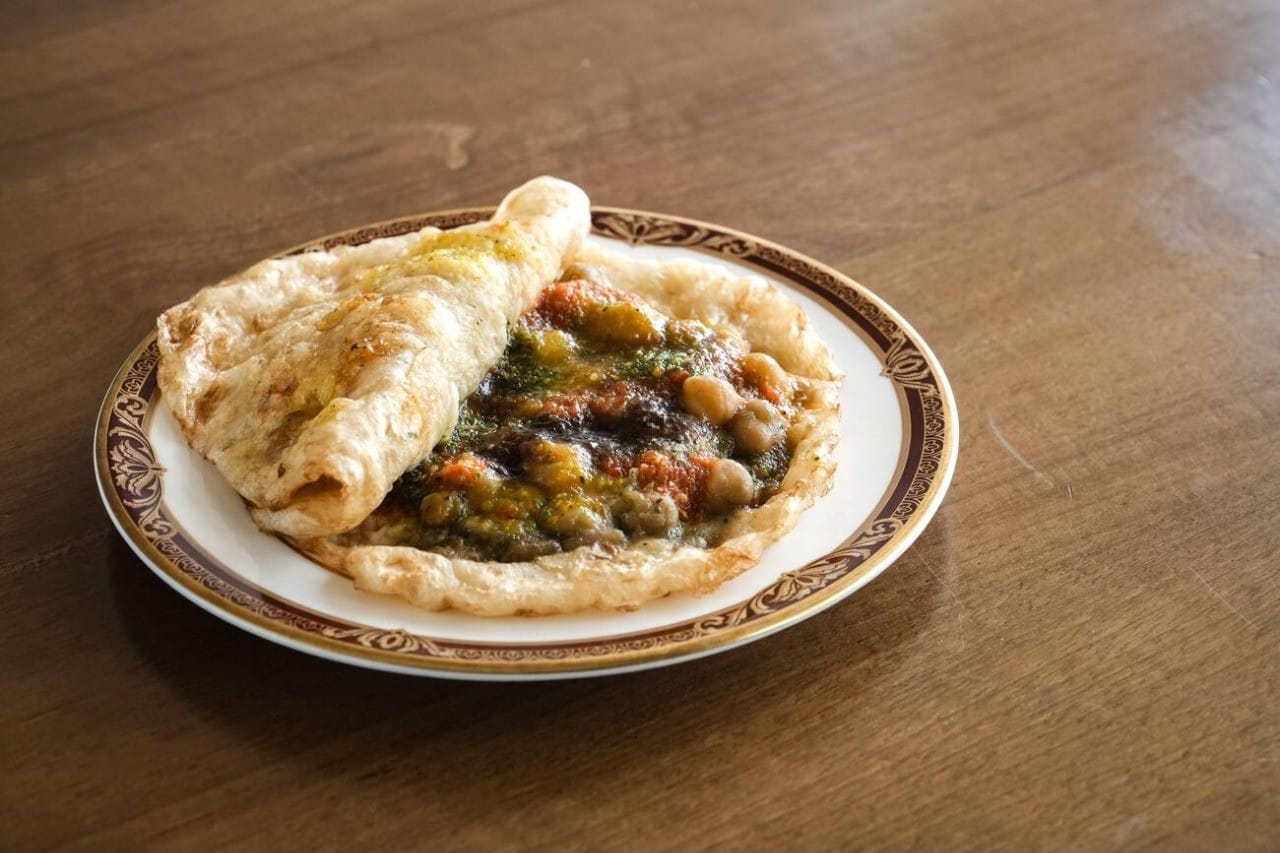
Doubles, plat de rue de Trinité-et-Tobago composé de deux baras frits et de pois chiches au curry
CULINARY ART
Tolotra

Doubles: The Story of Emamool Deen Behind Trinidad’s Street Food Dish

In Princes Town, in southern Trinidad and Tobago, the “doubles” were born in 1936 from a simple gesture: a customer asking for a second piece of bread. At the time, Emamool Deen and his wife Rasulan were selling curry chickpeas on a single piece of fried bread, unaware that they were inventing the country’s most iconic street food. Nearly a century later, doubles still tell the story of Indo-Trinidadian heritage through this chickpea sandwich, which has become a national symbol. A Morning in Princes Town, 1936 At 4:00 a.m., in a courtyard in Princes Town, in the southern part of Trinidad and Tobago, Rasulan Deen lights the fire that will heat the coconut oil. Her husband, Emamool Deen, is boiling the chickpeas that the couple was able to buy by selling a goat, the only possession they had. The year is 1936, and according to oral tradition preserved by several
Read More »
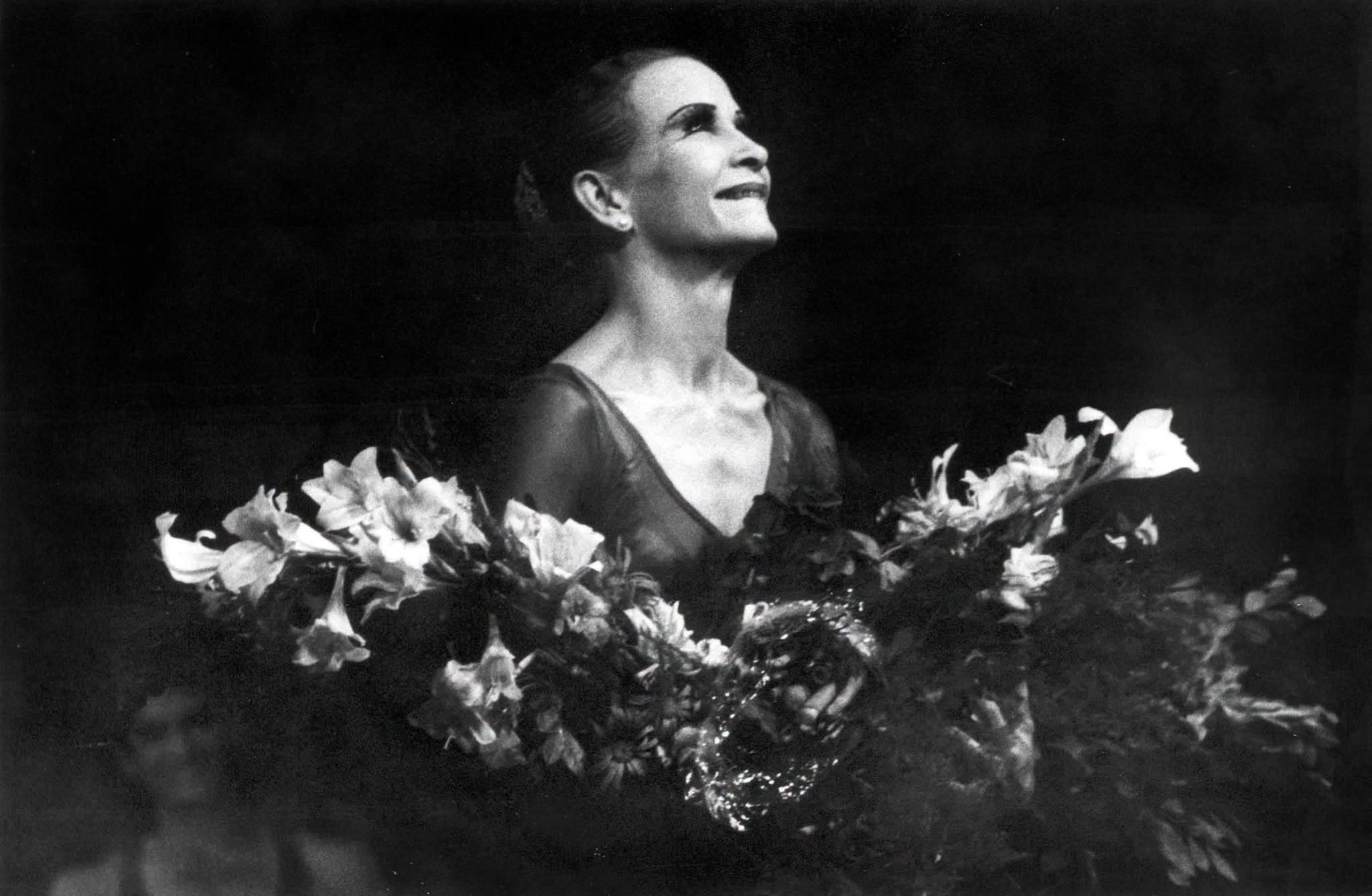
María Elena Llorente recevant un hommage floral, Ballet Nacional de Cuba
DANCE
Tolotra

María Elena Llorente: 50 Years of Ballet in the Service of Cuba

In May 1977, a Cuban dancer took the stage in New York with the Alvin Ailey Dance Theater. In the audience that evening, actor Harry Belafonte watched the performance and would later describe the evening as a significant historical event. This dancer’s name was María Elena Llorente, prima ballerina and ballet mistress of the Ballet Nacional de Cuba. Her career spans fifty years of dance, spent almost entirely with a single company—the one founded by Alicia Alonso in Havana—on an island where, over the decades, classical ballet has become as much a source of national pride as it is an art form. María Elena Llorente, of the Sociedad Pro-Arte at the National Academy It all began at the Sociedad Pro-Arte Musical, a school in Havana where young Cuban women learned the basics of classical ballet even before the official founding of the national ballet company. María Elena Llorente then continued
Read More »
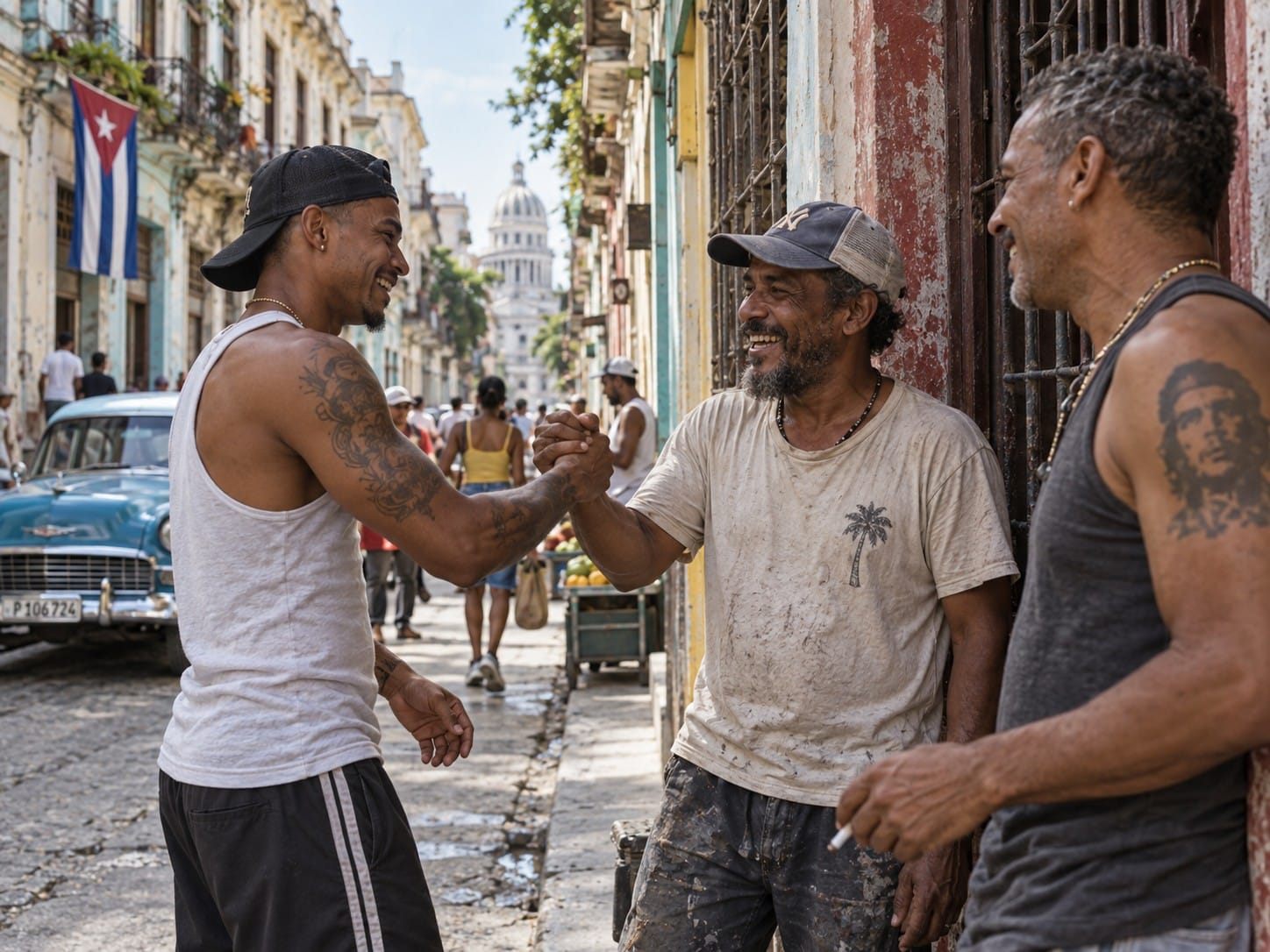
Two men greeting each other with "Asere, qué bolá" in Havana
HISTORY & HERITAGE
Tolotra

“Asere, ¿qué bolá?”, the street greeting Obama dared to use in Cuba

“Asere, ¿qué bolá?”, this Cuban street greeting, was already in common use in Havana’s working-class neighborhoods long before a U.S. president adopted it as well. On Saturday, March 19, 2016, on the eve of the first presidential trip to the island in nearly nine decades, Barack Obama appeared in a Cuban TV sketch alongside Pánfilo, a comedic character well known to viewers on the island, and delivered a “qué bolá” that no one expected to hear from a U.S. head of state. The next day, upon setting foot in Havana, he did it again on Twitter: “¿Que bolá Cuba? Just touched down here.” In just a few hours, two words of Havana slang had bridged the gap between the street and the world of diplomacy. What does “Asere, ¿qué bolá?” mean? Taken literally, “asere” doesn’t really translate, and “qué bolá”—which comes from “bola,” meaning “ball”—doesn’t convey anything more literal than

Read More »

conTACT RK

we'd love to have your feedback on your experience so far

Join The List

Join our Richès Karayib community!  Sign up for our newsletter.

Want To Maximize Your Business Presence On Riches Karayib?

Complete the form to start the application