ANGUILLA – Cardigan Connor: when a sportsman’s soul shapes a political vision for the Caribbean

Cardigan Connor

Minister of Health, Tourism and Sport, the Honourable Cardigan Connor embodies a rare political profile: that of an internationally renowned athlete turned public servant. Deeply rooted in his island homeland, and with a successful sporting career on the world stage to his credit, he now embraces a bold, human-centered vision of government. In this exclusive interview, we show how his background, values and ambition come together to help shape the future of Anguilla and the Caribbean.

Cardigan Connor
Cardigan Connor

Cricket pitches at the Council of Ministers

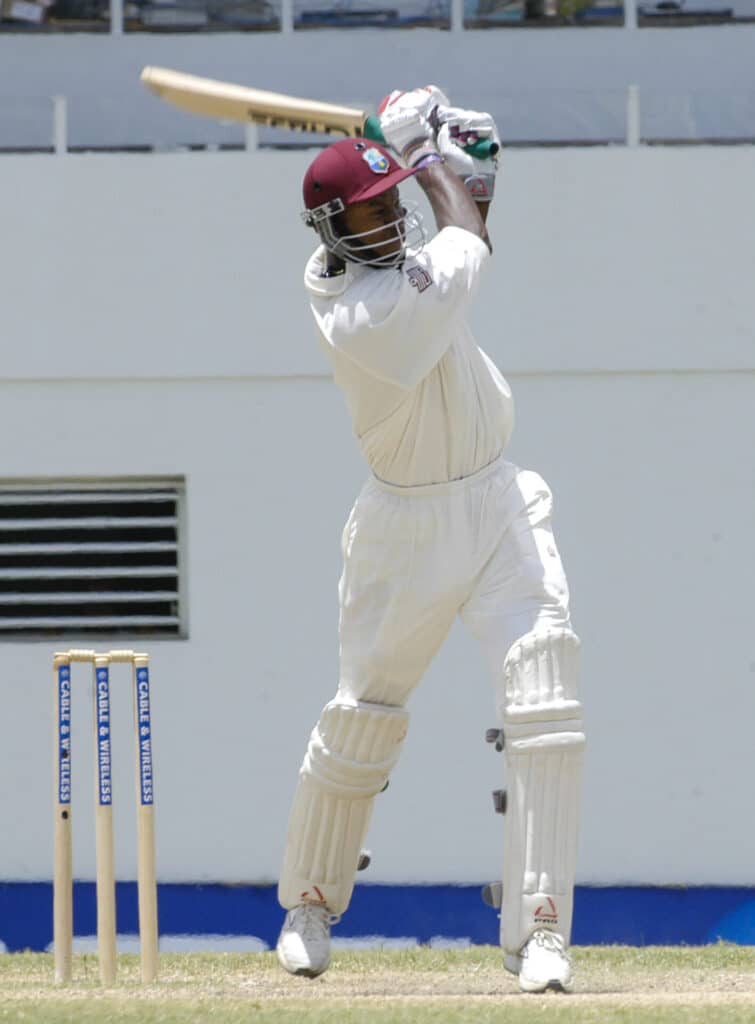
Born and raised in Anguilla, Cardigan Connor left the island as a teenager to pursue his studies in the UK. On the cricket pitches of Hampshire County. He built a remarkable career that spanned more than a decade, with seasons also played in Australia. And yet, even at the height of his sporting success, the link with his island never broke.

In 1991, he returned to Anguilla during the off-season to coach young players and promote cricket in local schools. This duty of transmission has never left him. In 2015, he entered politics and now heads three strategic ministries. Its mission: to make Anguilla a model of sustainable, inclusive and resolutely Caribbean development.

Cardigan Connor

Tourism that belongs to the locals

For Minister Cardigan Connor, tourism isn’t just about luxury villas and five-star hotels: it’s also about identity, community and ownership.

“Our greatest wealth is not beaches or hotels. It’s the people”, he insists.

Cardigan Connor

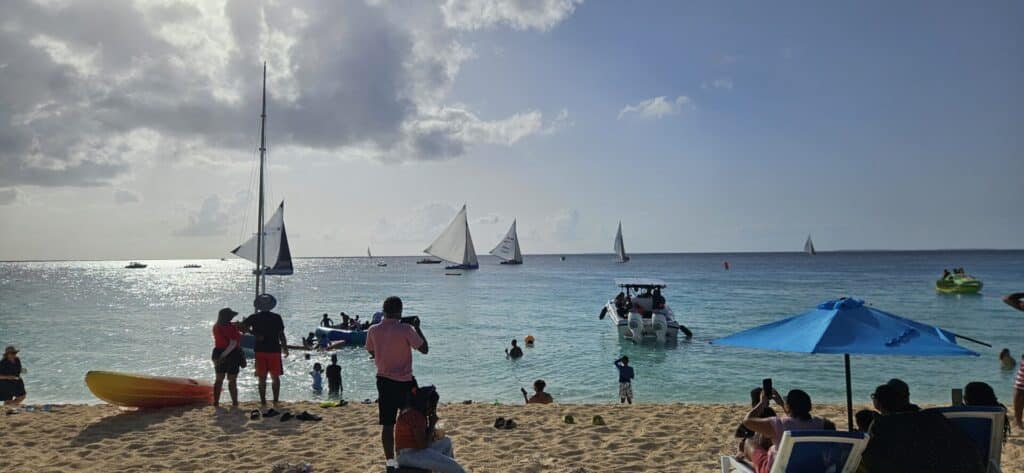
He advocates a tourism economy in which Anguillais are creators, not just employees. At the heart of this approach jollification – deeply-rooted tradition of collective work and celebration – becomes, he believes, a model for designing authentic, shared experiences. He also makes sports tourism an essential pillar of growth, especially during the low season (May to November), drawing on the island’s strengths in cricket, tennis, boat racing and golf.

Cardigan Connor
Cardigan Connor
Cardigan Connor
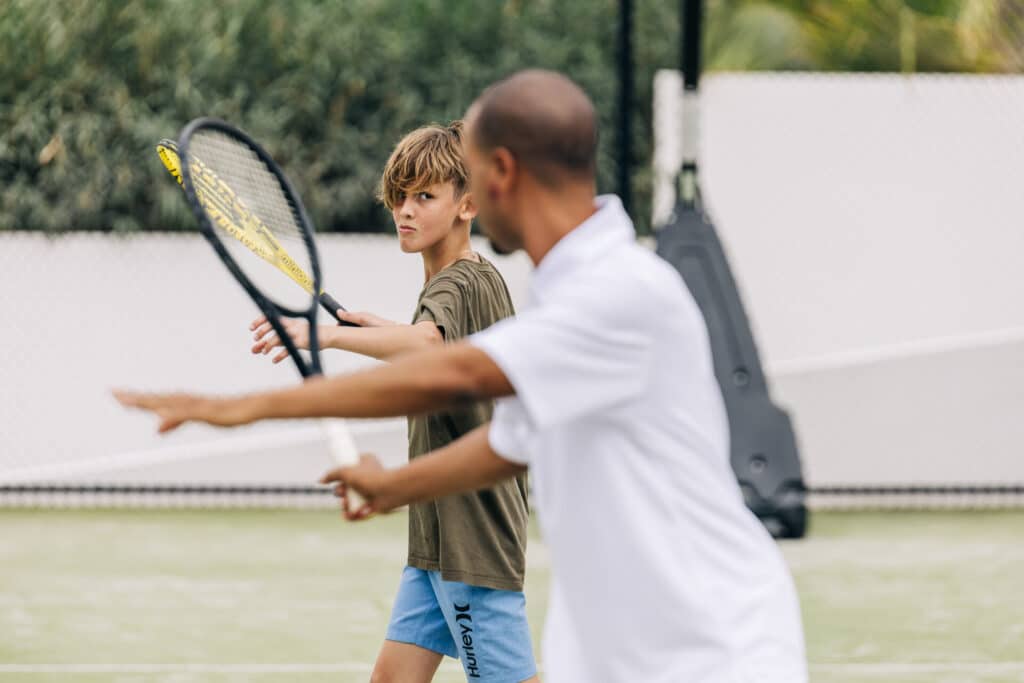
ANI Anguilla - Guest Privileges - Wellness - Tennis Lesson

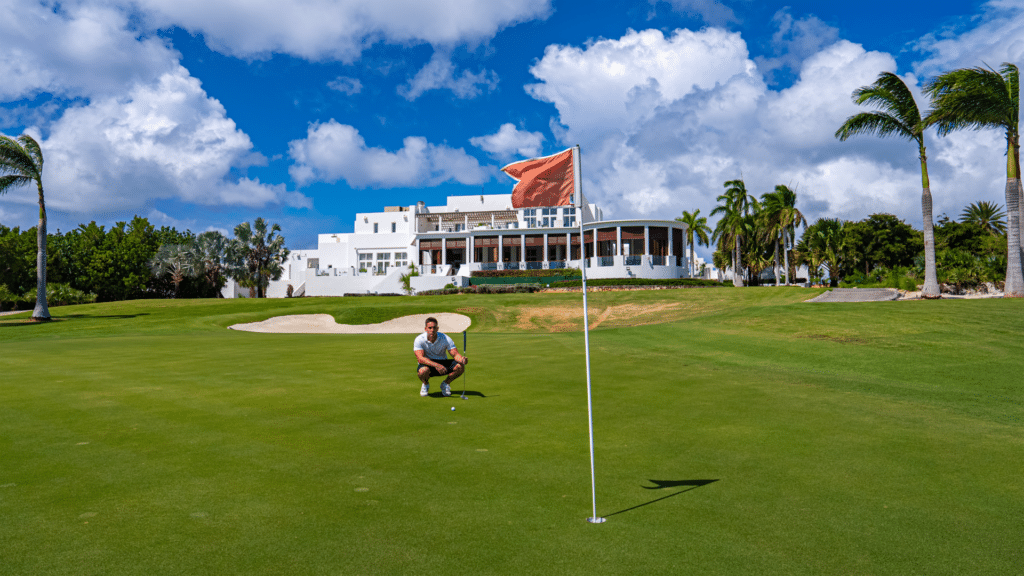
Golf, in particular, has a potential that is still under-exploited. Anguilla is home to a world-class course designed by Greg Norman: an asset that Minister Cardigan Connor wants to mobilize not only to attract a high-end clientele, but also to democratize access to the sport among local youth. “If golf is a way of life for many of our visitors, it must also represent an opportunity for our population”, he explains. In October, the island will host a major regional tournament bringing together players from all over the Eastern Caribbean. For the Minister, it’s not just about competition: it’s about inclusion, visibility and long-term development.

Cardigan Connor

Festivals such as Del Mar, Moon Splash and the Anguilla Summer Festival are also being upgraded, not only to attract visitors, but to strengthen cultural pride and intergenerational ties. For Minister Cardigan Connor, these events are more than attractions: they are affirmations of identity.

Cardigan Connor
Cardigan Connor
Cardigan Connor
Cardigan Connor

A self-confident, connected Caribbean

The Honourable Minister Cardigan Connor speaks with clarity and determination when he talks about regional cooperation.

For him, building a stronger Caribbean means making inter-island travel simpler and cheaper, reducing excessive taxes and encouraging public-private partnerships that transcend language barriers.

“Geography, history, blood: we already share so much. It’s time to turn this into a policy and a source of opportunities”, he says.

Cardigan Connor

In this spirit, it supports the extension of maritime links between Anguilla and Saint-Martin, encourages inter-island hotel collaboration and advocates greater integration through organizations such as the Caribbean Tourism Organization (CTO). His government is also investing in airport modernization and the opening of new air routes to improve connectivity.

Cardigan Connor
Cardigan Connor

Towards sovereignty and controlled growth

As a British overseas territory, Anguilla straddles the line between autonomy and dependence. Minister Cardigan Connor speaks frankly about the challenges and responsibilities of this status. He advocates pragmatic governance: measured tax reforms, public investment, and strategic use of new sources of revenue, such as AI domain registration.

Faced with the rising cost of living, he insists on the need for human-centered policies. Recent adjustments to the General Sales Tax (GST) are designed to ease the pressure on households and businesses alike.

“We want every Anguillais to feel they have a place in this economy – not just survive in it”, he stresses.

Leading with integrity, rooted in the community

Cardigan Connor is not a politician who speaks from afar. He leads with the quiet confidence of someone who knows his people, because he has lived their realities. His leadership is based on proximity, discipline and a deep sense of heritage.

Anguilla, he says, is a “home away from home” for those who visit – and proof that a small island can become an example when its people are empowered, its culture valued and its vision shared.

Cardigan Connor
Cardigan Connor
Cardigan Connor
Cardigan Connor

FAQ

Cardigan Connor is a former top-level cricketer, trained in the UK and having competed professionally in England and Australia. Deeply attached to Anguilla, he has always maintained a strong link with his island through his involvement in youth training. He entered politics in 2015 and is now Minister of Health, Tourism and Sport.

His vision is based on tourism rooted in the local population. He advocates a model where Anguillais are actors and creators of value, through culture, festivals, sport and traditions such as jollification. Sports tourism, notably cricket and golf, is also at the heart of his strategy to strengthen the year-round economy.

Cardigan Connor advocates a more connected Caribbean, with easier inter-island travel, stronger regional partnerships and greater economic integration. He supports investment in infrastructure, cooperation through regional bodies, and controlled growth focused on people and economic sovereignty.

Leave a Reply

Your email address will not be published. Required fields are marked *

More articles from RK

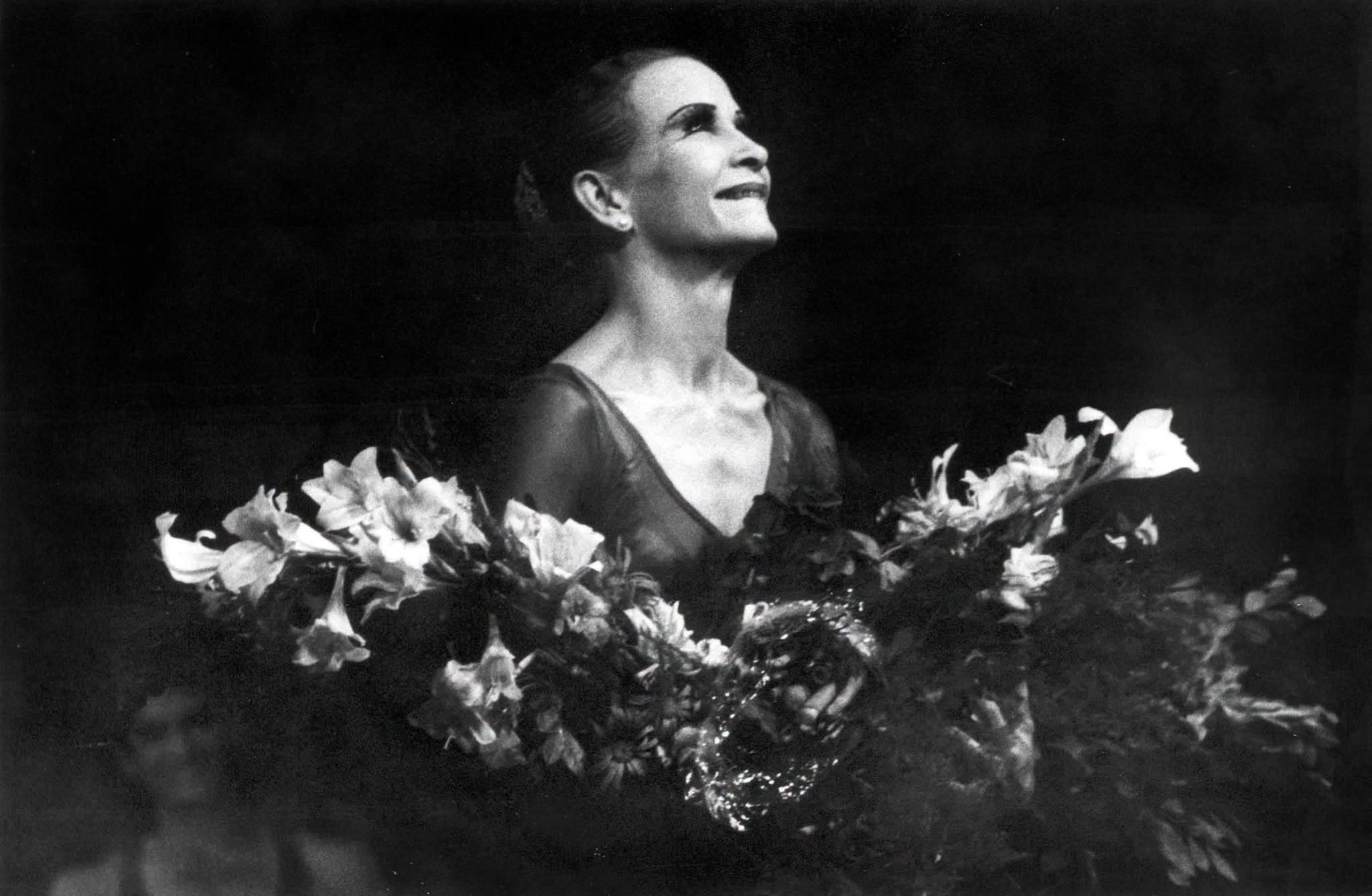
María Elena Llorente recevant un hommage floral, Ballet Nacional de Cuba
DANCE
Tolotra

María Elena Llorente: 50 Years of Ballet in the Service of Cuba

In May 1977, a Cuban dancer took the stage in New York with the Alvin Ailey Dance Theater. In the audience that evening, actor Harry Belafonte watched the performance and would later describe the evening as a significant historical event. This dancer’s name was María Elena Llorente, prima ballerina and ballet mistress of the Ballet Nacional de Cuba. Her career spans fifty years of dance, spent almost entirely with a single company—the one founded by Alicia Alonso in Havana—on an island where, over the decades, classical ballet has become as much a source of national pride as it is an art form. María Elena Llorente, of the Sociedad Pro-Arte at the National Academy It all began at the Sociedad Pro-Arte Musical, a school in Havana where young Cuban women learned the basics of classical ballet even before the official founding of the national ballet company. María Elena Llorente then continued
Read More »
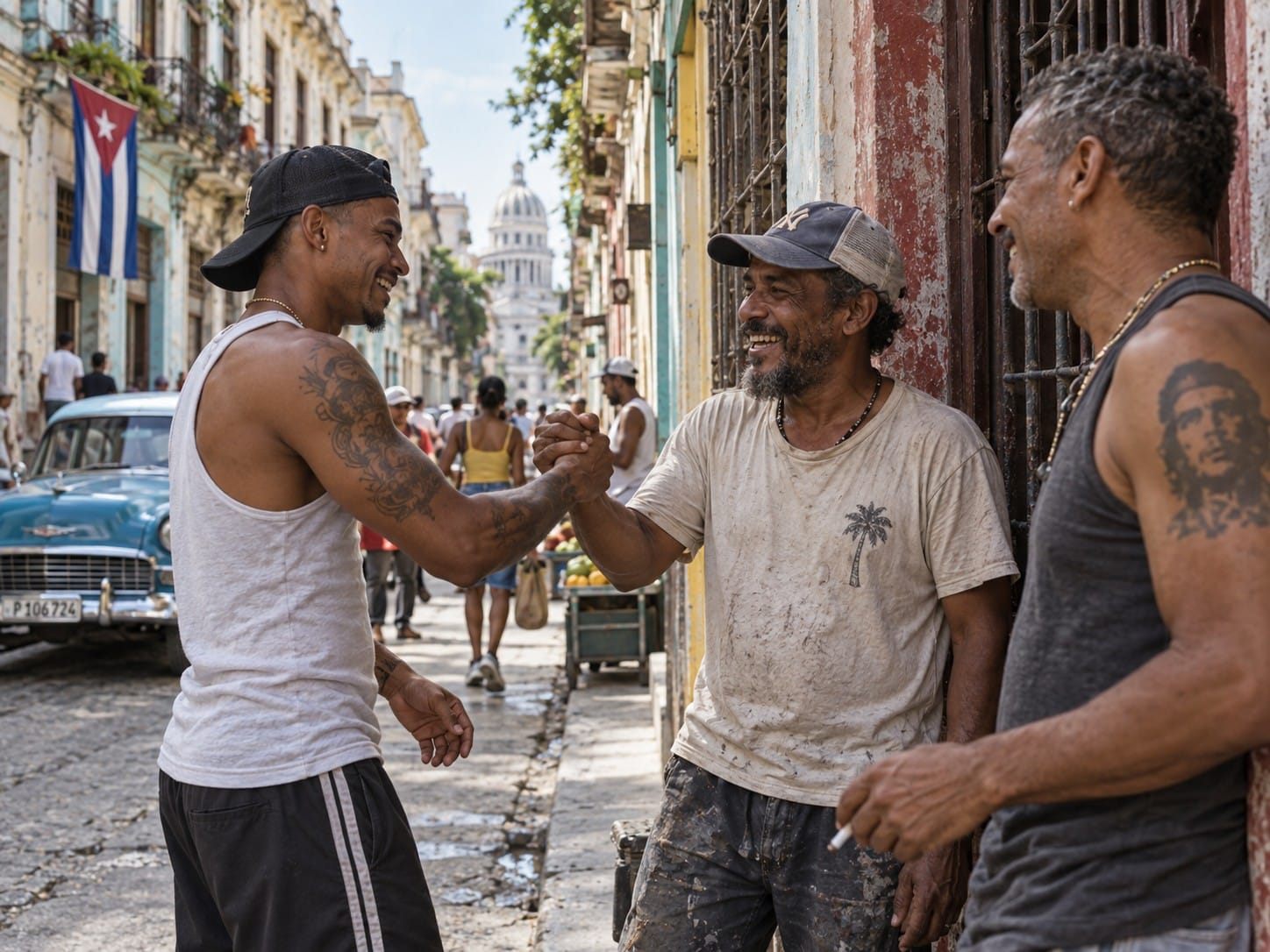
Two men greeting each other with "Asere, qué bolá" in Havana
HISTORY & HERITAGE
Tolotra

“Asere, ¿qué bolá?”, the street greeting Obama dared to use in Cuba

“Asere, ¿qué bolá?”, this Cuban street greeting, was already in common use in Havana’s working-class neighborhoods long before a U.S. president adopted it as well. On Saturday, March 19, 2016, on the eve of the first presidential trip to the island in nearly nine decades, Barack Obama appeared in a Cuban TV sketch alongside Pánfilo, a comedic character well known to viewers on the island, and delivered a “qué bolá” that no one expected to hear from a U.S. head of state. The next day, upon setting foot in Havana, he did it again on Twitter: “¿Que bolá Cuba? Just touched down here.” In just a few hours, two words of Havana slang had bridged the gap between the street and the world of diplomacy. What does “Asere, ¿qué bolá?” mean? Taken literally, “asere” doesn’t really translate, and “qué bolá”—which comes from “bola,” meaning “ball”—doesn’t convey anything more literal than
Read More »
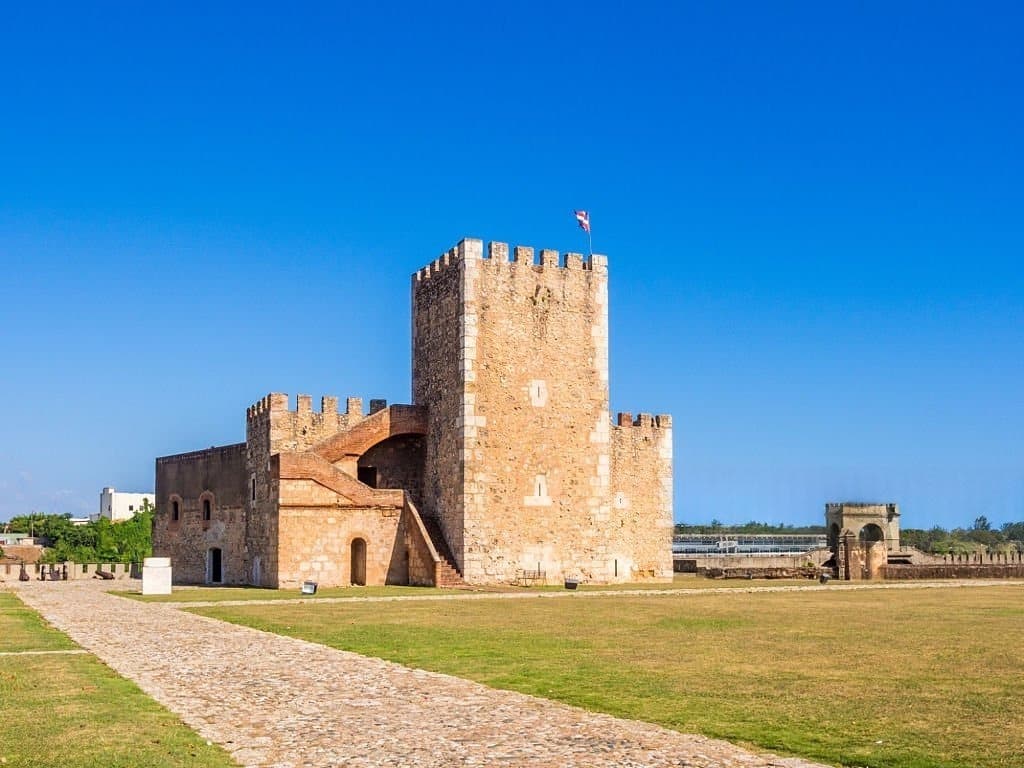
View of Fortaleza Ozama and its Torre del Homenaje tower, in Santo Domingo
HISTORY & HERITAGE
Tolotra

Fortaleza Ozama, the 1502 fortress where a nation was born

In Santo Domingo, on the banks of the Ozama River, the Fortaleza Ozama has weathered more than five centuries of Dominican history without ever falling into the hands of an attacker. It held the father of Dominican independence captive, served as a political prison under the Trujillo dictatorship, and withstood tank fire during the 1965 civil war. Now a UNESCO World Heritage Site, the oldest European-built fortress still standing in the Americas continues to preserve, almost intact, the memory of a nation. An arrival in chains, August 27, 1844 On August 22, 1844, Juan Pablo Duarte was arrested in Puerto Plata. Five days later, on August 27, he entered the Fortaleza Ozama in Santo Domingo. The government led by Pedro Santana had just declared him a traitor to the nation. Duarte, who had planned and led the young Dominican Republic to independence, was imprisoned in the dungeons of the Torre

Read More »

conTACT RK

we'd love to have your feedback on your experience so far

Join The List

Join our Richès Karayib community!  Sign up for our newsletter.

Want To Maximize Your Business Presence On Riches Karayib?

Complete the form to start the application