Black History Month 2026 is more than just an annual commemoration in the American cultural calendar. February 2026 marks a major historical turning point: the centenary of what was to become Black History Month. A century earlier, in 1926, an intellectual and activist initiative laid the foundations for an in-depth effort to correct a glaring absence: that of the history of black populations in official narratives and educational programs.
In 2026, Black History Month celebrates more than symbolic longevity. It invites us to question the way societies produce, select and transmit their memories, as well as the power relations that determine what deserves – or not – to be taught, recognized and commemorated.
Origins of Black History Month: from Negro History Week to national recognition
The history of Black History Month officially began in 1926 with the creation of Negro History Week the initiative of African-American researchers united within the Association for the Study of Negro Life and History. At a time when black history is largely absent from school textbooks and universities, this initiative aims to produce rigorous, documented and transferable knowledge about the contributions of people of African descent to the United States.
From the outset, the challenge went beyond mere symbolic recognition. It’s about rebalancing the historical narrative, based on research, archiving and educational dissemination. Negro History Week gradually became a space for contesting dominant narratives, highlighting trajectories, struggles and creations long relegated to the margins.

2026, a pivotal year: the centenary of Black History Month
A century after this first initiative, Black History Month 2026 is part of a dynamic of historical rereading. The transformation of a week of commemoration into an officially recognized month in the mid-1970s marked an important, but not definitive, step in the institutional recognition of black history.
The theme chosen for this edition, “A Century of Black History Commemorations”. A century of commemorations is an opportunity to take a critical look at the road we’ve travelled. The aim is not simply to measure the progress made, but to analyze the profound dynamics revealed by a century of commemorations: tensions between institutions and communities, issues of educational transmission, struggles for historical legitimacy.

Miami, Afro-American and Afro-Caribbean crossroads for Black History Month 2026
In this context, Miami occupies a singular place in the celebrations of Black History Month 2026. As a crossroads between North America, the Caribbean and Latin America, Miami embodies a transatlantic black memory, shaped by migration, exile and cultural circulation.
The programming supported by local and community institutions reflects this plurality. It articulates African-American and Afro-Caribbean heritages, underlining the historical continuity between the United States and the Caribbean. In Miami, Black History Month is not just a tribute to the past, but a living space for diasporic dialogue.
Black History Month 2026 program in Miami: highlights
Ceremonies and times of remembrance
- – February 1st – Trayvon Martin Remembrance Gala
- – February 2 – Dr. Martin Luther King, Jr. and Pieces of Black History Exhibition
- – February 3rd – HistoryMiami Icon Awards
– Institutional launches and public events
- – February 6th – Black History Month Kickoff and Exhibit (Miami-Dade County)
- – February 20th – Black History Month Food Truck & Vendor Fair
Music, jazz, gospel and stage creations
- – Concerts and performances throughout the month at the Adrienne Arsht Center, the New World Center and the African Heritage Cultural Arts Center
- – Jazz, spirituals and gospel highlights, including creations dedicated to Malcolm X, Langston Hughes and Margaret Bonds
- – Symphonic and vocal programming combining Afro-American heritage and contemporary expression
Festivals, gastronomy and diasporic culture
- – Heritage Fest (February 7)
- – Culinary events integrated into the South Beach Wine & Food Festival, with an explicit focus on Afro-Caribbean cultures
- – Cultural brunches and community gatherings in Miami’s historic neighborhoods
Exhibitions and events throughout February
- – Art exhibitions at Historic Hampton House, Pérez Art Museum Miami and in the public library network
- – Heritage tours and Black History Bus Tours of historic black neighborhoods
- – Screenings, performances and educational activities throughout the month

Black arts, music and heritage: passing on a living history
Black music and collective memory
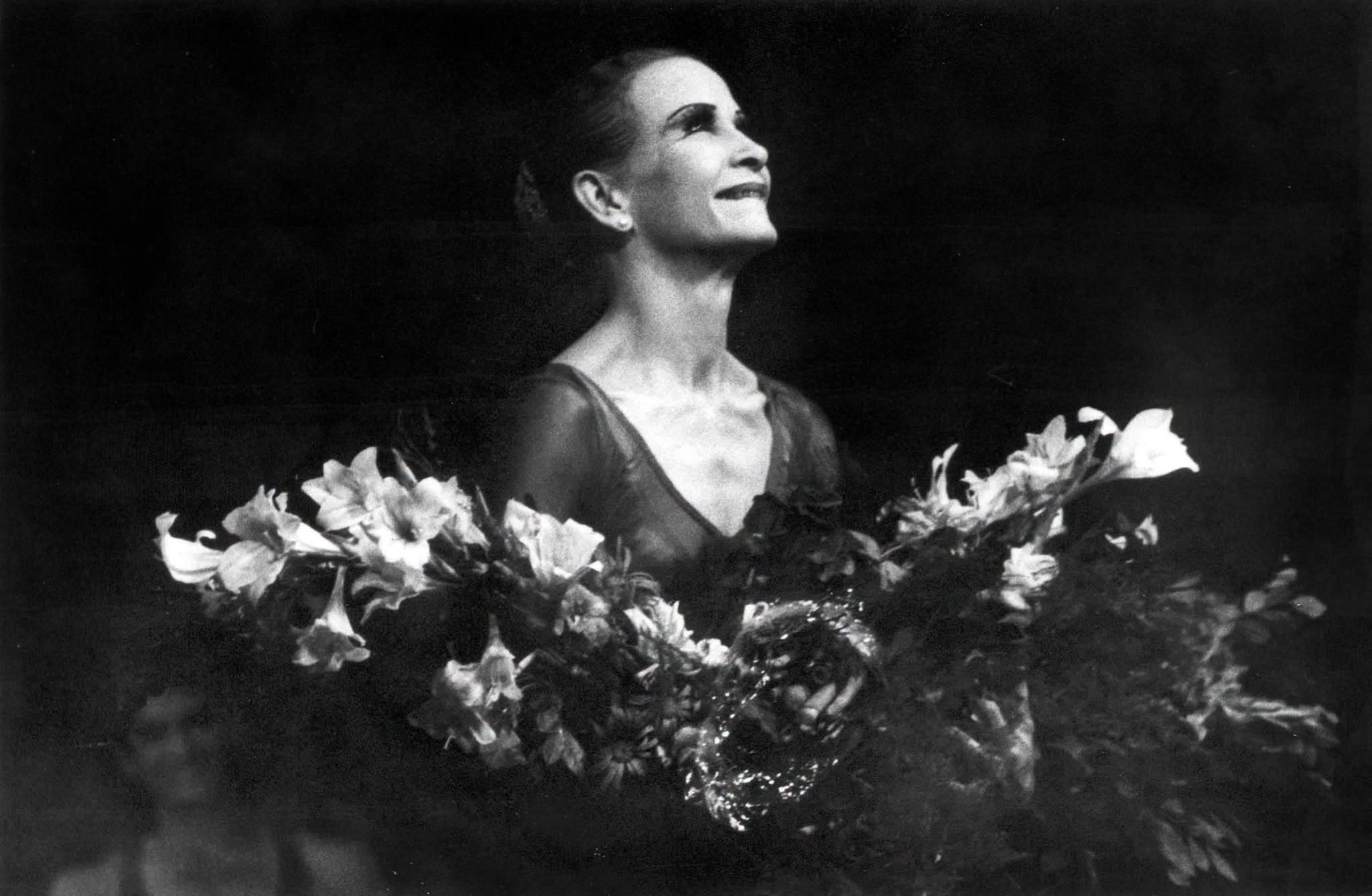
Music takes center stage at Black History Month 2026. Jazz, gospel, spirituals and contemporary creations tell the story of a black sound that spans the centuries. These musical forms bear witness to resistance, adaptation and cultural transmission from African and Caribbean worlds, transformed in the American context.
Through concerts and performances, music becomes a tool tool of memory capable of linking the history of slavery with contemporary artistic expression.
Visual arts, exhibitions and urban narratives
The exhibitions and heritage projects presented during Black History Month 2026 contribute to a critical re-reading of urban and social history. They shed light on long-invisibilized narratives, rooted in the neighborhoods, cultural practices and individual trajectories of black communities.
Afro-American and Afro-Caribbean gastronomy: an embodied cultural history
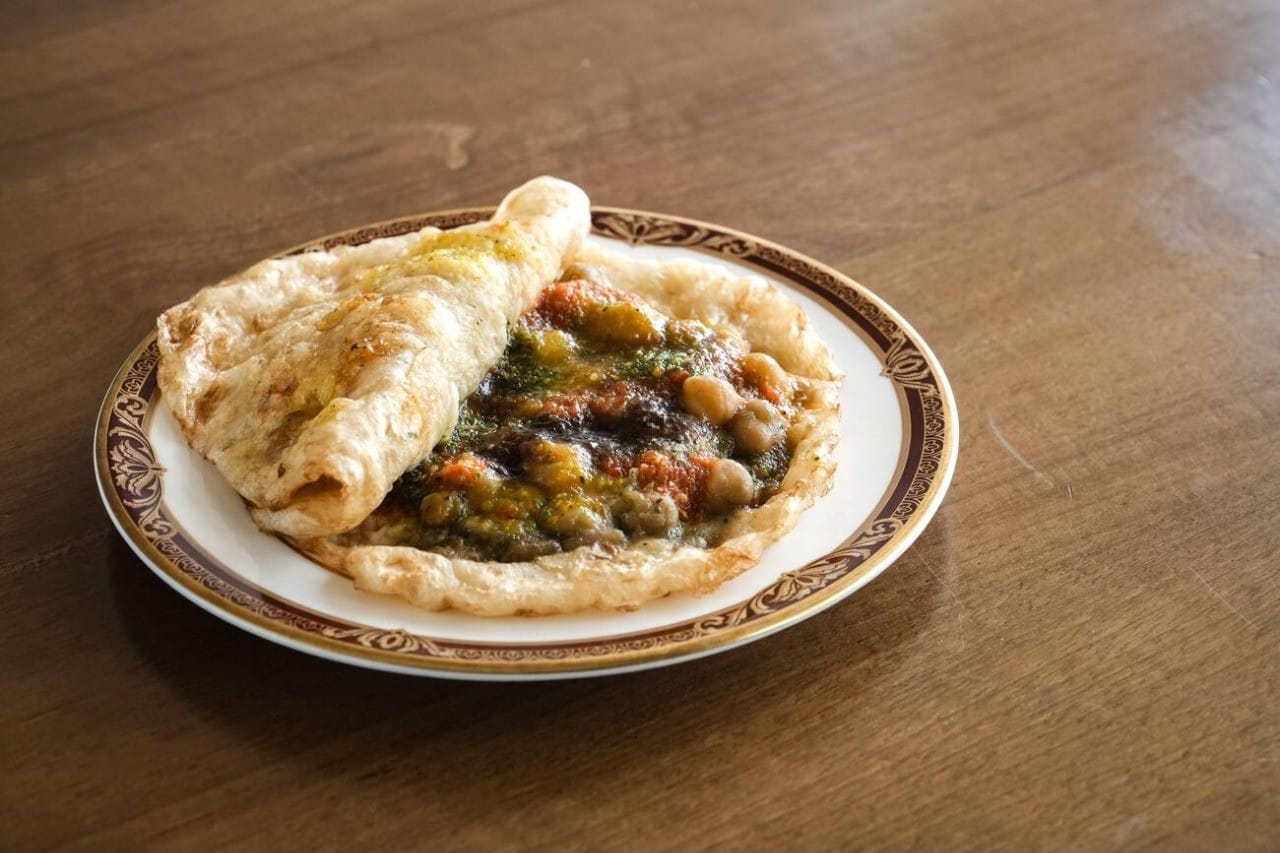
Gastronomy is another essential vector of transmission. Afro-American and Afro-Caribbean cuisines tell a story of constraint, inventiveness and resilience. Born of contexts marked by slavery and migration, they have established themselves as cultural heritages in their own right.
As part of Black History Month 2026, the showcasing of these culinary traditions highlights the historical circulations between the Caribbean and the United States, as well as the contemporary recognition of these heritages.
The Caribbean, an essential dimension of Black History Month 2026
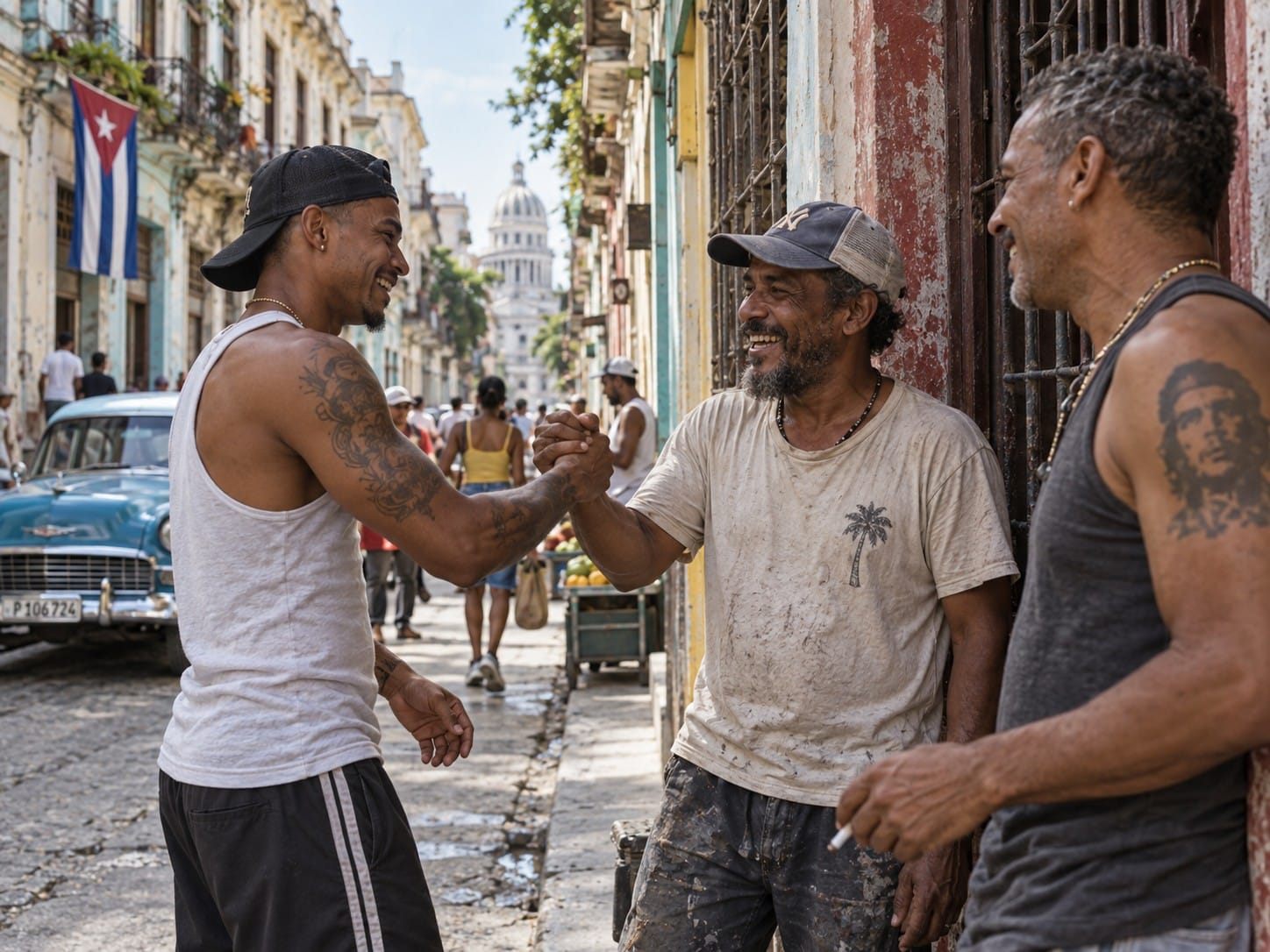
Even when the Caribbean is not explicitly named, it remains omnipresent in Black History Month 2026. Caribbean migrations have profoundly shaped black American cultures, influencing music, religious practices, cuisine and intellectual movements.
Miami illustrates this historical continuity, where Afro-Caribbean and Afro-American narratives intersect and respond to each other. The Caribbean thus appears not simply as a background, but as a structural component of black history in the United States.

A century of commemoration: passing on long-marginalized stories
The centenary of Black History Month raises a fundamental question: how does a society choose to pass on the stories it has long marginalized? The recognition of black history has never been a linear process. It is the result of intellectual struggles, community mobilizations and ongoing institutional negotiations.
In 2026, Black History Month presents itself not as a finished celebration, but as a critical tool for the present. It reminds us that history is a field of debate, where dominant narratives can and must be interrogated.
Black History Month 2026 marks the centenary of Negro History Week, created in 1926 by African-American scholars to document and transmit the history of black populations, long absent from mainstream narratives. This centenary edition invites critical reflection on a century of commemorations and the transmission of historical knowledge.
Miami is a unique Afro-American and Afro-Caribbean crossroads. In 2026, the city will host a dense program of memory, arts, music, gastronomy and heritage, illustrating the historical links between the United States and the Caribbean in the construction of contemporary black cultures.
Yes, the black history of the United States is inseparable from Afro-Caribbean migration and heritage. Black History Month 2026 highlights these cultural circulations, particularly in Miami, where Caribbean music, cuisine and stories play a central role in the celebrations.